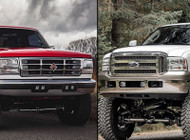
OBS 7.3 vs. Super Duty 7.3 Differences That Matter When Ordering Parts
Jun 27th 2026
The 7.3L Powerstroke ran long enough that people started treating all of them the same. That is how wrong parts get ordered.
A 1996 OBS 7.3 and a 2002 Super Duty 7.3 share the same basic engine family, but the truck around it is not the same. Turbo parts, intake boots, fuel system parts, valve cover harnesses, exhaust parts, cooling parts, brake parts, steering parts, filters, and even basic chassis hardware can change depending on year, build date, body style, emissions package, and whether the truck is SRW or DRW.
Before you order parts, know what you actually have.
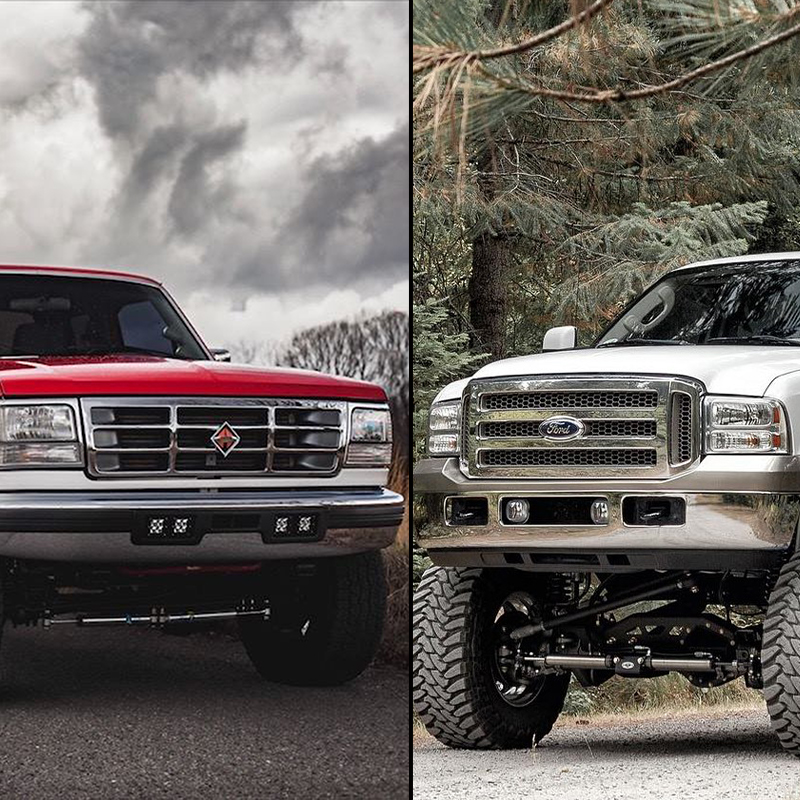
OBS, Early 99, and Late 99–03 Are Not the Same Thing
Why it matters: “7.3 Powerstroke” is not enough info. You need model year, body style, build date, and sometimes the part currently on the truck.
The big split is:
- OBS 7.3: 1994.5–1997
- Early 99 Super Duty: 1999 trucks built before the Late 99 changeover
- Late 99–03 Super Duty: most 1999–2003 Super Duty trucks
- 2000–2003 Excursion: 7.3 Excursion-specific where applicable
Most sites (including RiffraffDiesel.com) list by vehicle category for a reason, listing 94–97 OBS, 99–03 Super Duty, and 00–03 Excursion 7.3 sections separately.
Ordering tip: If your truck is an Early 99, slow down. That thing lives in its own little parts universe.
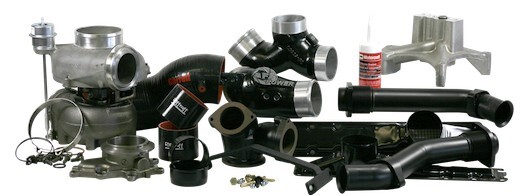
Early 99 Trucks Are the Trap
What matters: Early 99 Super Duty trucks are not OBS trucks, but they are also not fully Late 99–03 trucks. They use several one-off turbo, intake, plenum, and boot parts.
Why it matters: For example, the Riffraff Early 99 to Late 99–03 turbo conversion kit exists because the Early 99 turbo and up-pipe setup is different enough that converting requires a full group of parts: turbo, pedestal, intake plenums, intake manifold, up-pipes, boots, clamps, and related hardware.
Ordering tip: The quick way to start is with the build date. Early ’99 trucks are generally built 12/7/98 or earlier. Late ’99 trucks use the later hardware. That said, do not rely only on the door sticker if the truck has been modified. These trucks are old now, and a lot of them have had turbos, plenums, intakes, PCMs, injectors, and front-end parts swapped over the years.
Early ’99-specific differences include:
- Smaller turbo than Late ’99–’03
- Factory installed "Wicked Wheel"-style compressor wheel
- 120cc AB-code injectors
- 2-inch intake runners/plenum inlets
- 15-degree swash plate HPOP
- Different air filter assembly
- No AIH on most trucks
- One glow plug relay on most trucks
- Different steering, hub, rotor, and axle hardware in several areas
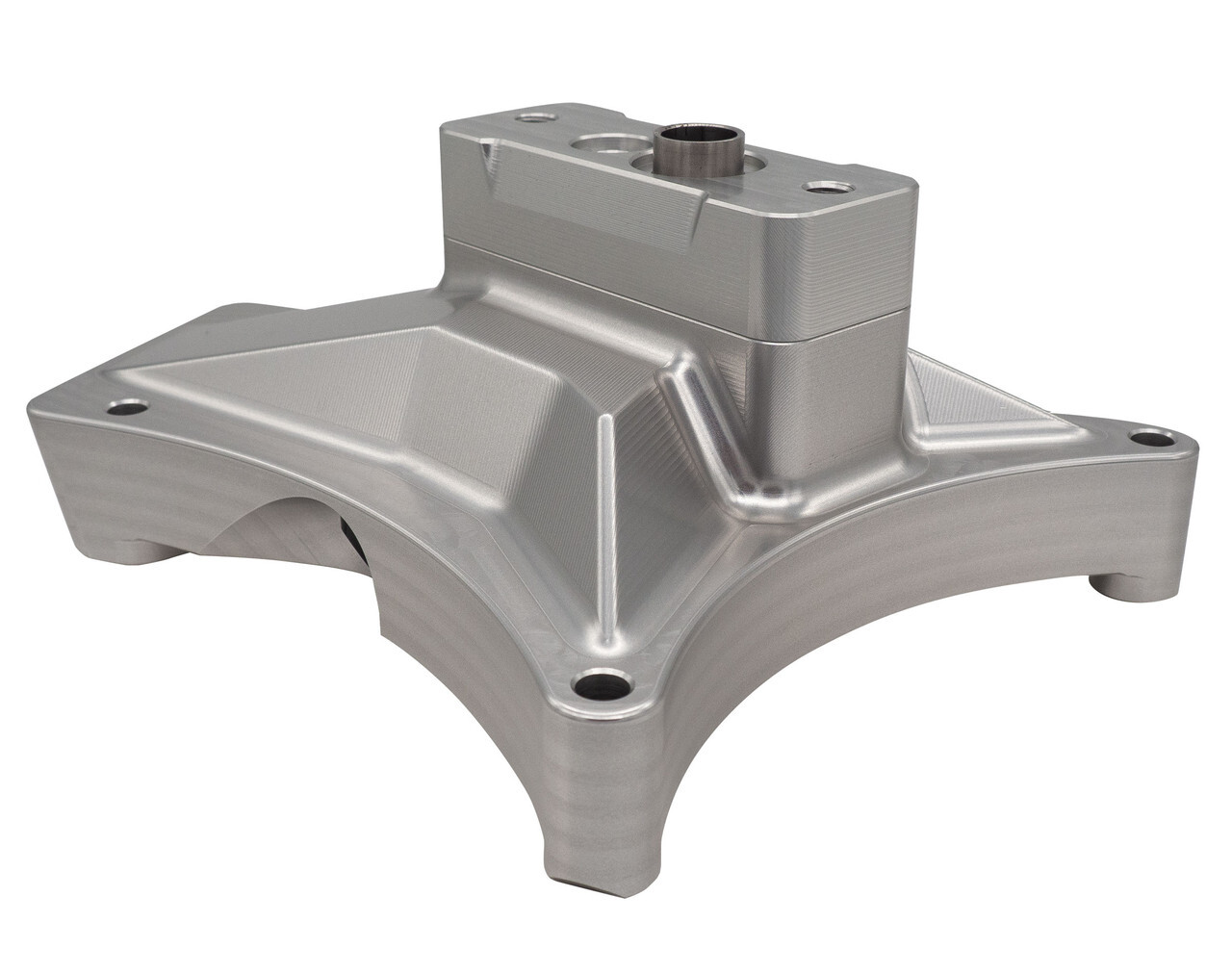
Turbo, Up-Pipe, and Pedestal Parts Change
What matters: OBS, Early 99, and Late 99–03 turbo systems are different. Pedestals, up-pipes, turbo outlet parts, clamps, boots and hardware may not interchange cleanly.
Why it matters: The Early ’99 turbo is smaller than the Late ’99–’03 turbo. The upside is quicker spool. The downside is less airflow potential compared to the later setup. Early ’99 trucks also came with a factory Wicked Wheel-style compressor wheel, which is one more reason not to assume all 7.3 turbos are the same.
This is why Early ’99 to Late ’99–’03 turbo conversion parts exist. You are not just changing one piece. A proper conversion can involve the turbo, pedestal, intake plenums, intake manifold, up-pipes, boots, clamps, and related hardware.
Ordering tip: When ordering turbo-related parts, verify the truck platform, build date, turbo style, pedestal style, EBPV or non-EBPV setup, up-pipe style, plenum size, and whether the truck has already been converted.
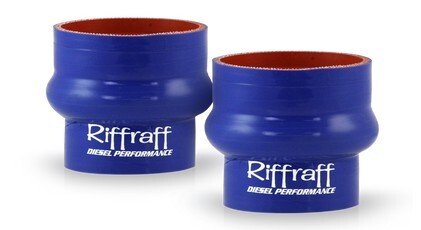
Intake Plenums, Boots and CAC Boots Are Very Different
What matters: Early ’99 trucks use 2-inch intake runners/plenum inlets. Late ’99–’03 trucks use 3-inch intake runners/plenum inlets. OBS trucks are different again, especially since they did not use the same factory intercooler/CAC layout as the 99–03 Super Duty trucks.
Why it matters: A boot that looks close on the bench can still be wrong on the truck. Wrong enough to blow off under boost. More complete sizing info can be found here: https://www.riffraffdiesel.com/content/RESOURCES/Riffraff_Diesel_Intercooler_Boot_Ordering.pdf
Ordering tip: Measure the boots if you are not sure. The wrong boot might be close enough to look right and wrong enough to blow off under boost.
Fuel System Parts Are Not Universal
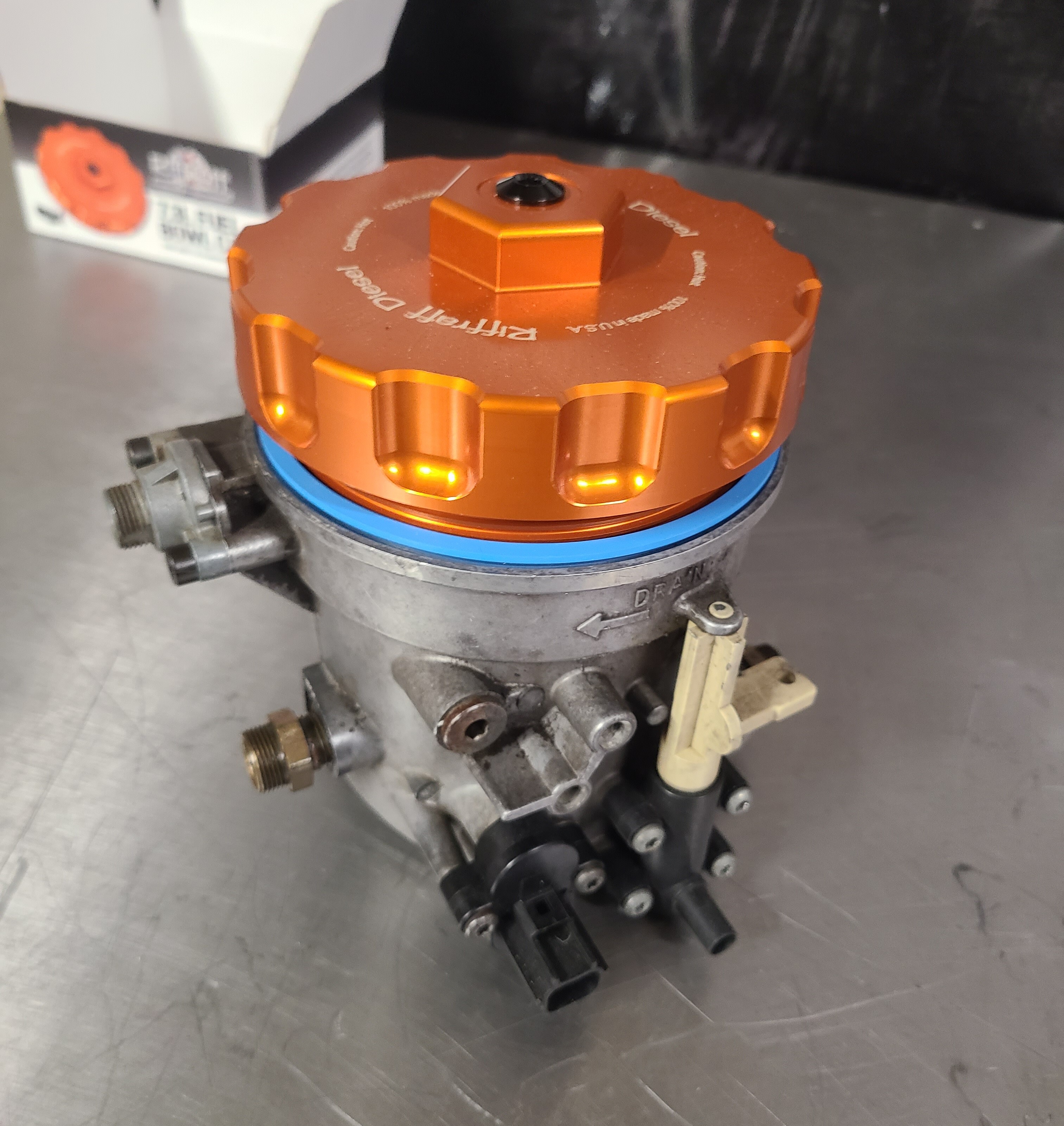
What matters: OBS and Super Duty fuel systems are different. OBS trucks use a mechanical lift pump setup, while 99–03 Super Duty trucks use an electric fuel pump assembly. Fuel bowl parts, regulator fittings, hoses, and related pieces can also vary by year.
The Early ’99 vs Late ’99 injector split matters too. Early ’99 trucks use 120cc AB-code injectors. Late ’99–’03 trucks use 140cc AD-code injectors.
Why it matters: Big tip, this also matters when buying a used truck. A lot of 7.3s have already had injectors replaced or upgraded. Do not assume the truck still has what Ford originally put in it.
Ordering tip: For fuel system parts and injectors, verify OBS vs Super Duty, Early ’99 vs Late ’99–’03, injector code, fuel pump style, fuel bowl setup, and any previous upgrades.
HPOP Differences Matter
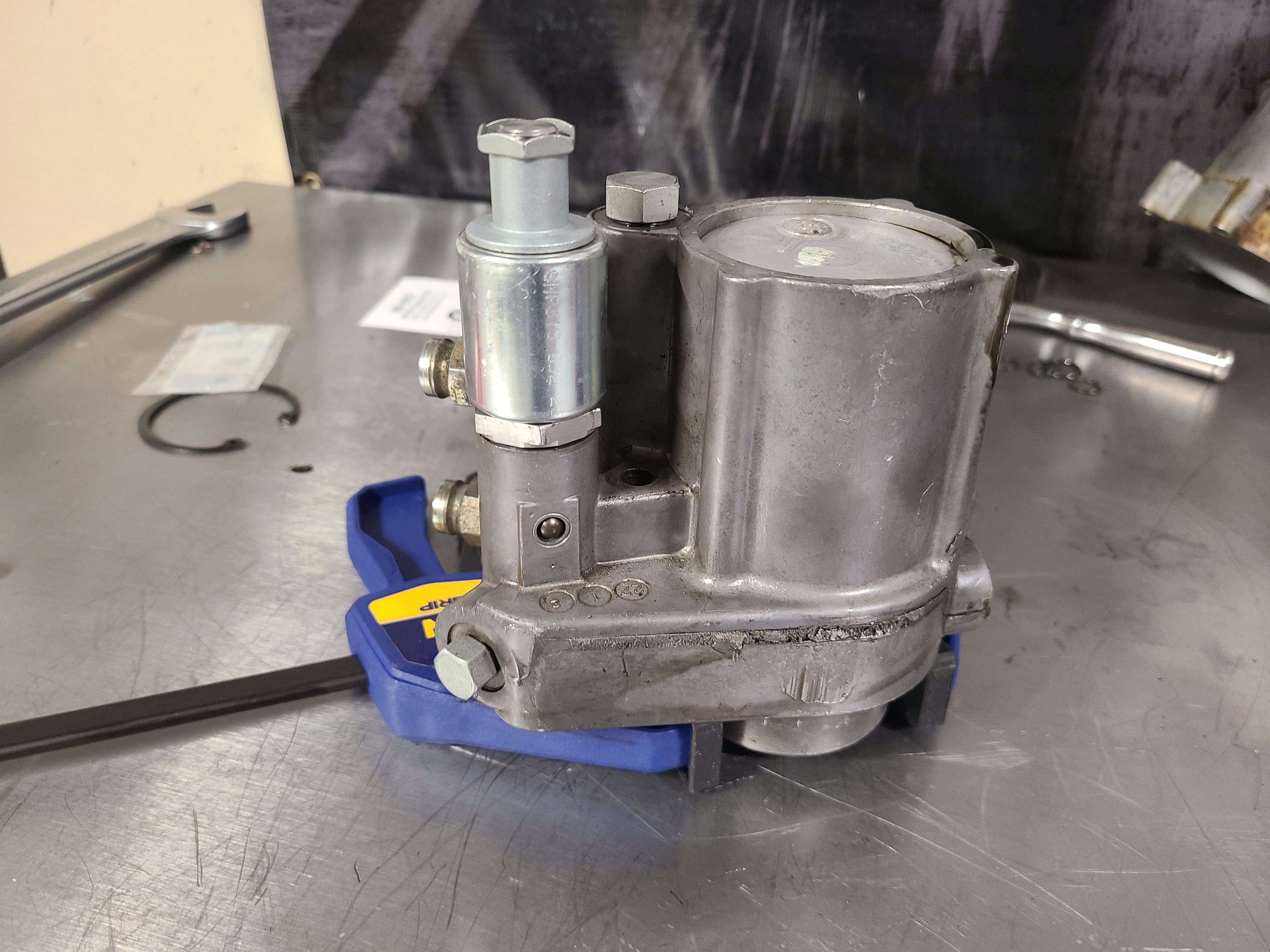
What matters: The high-pressure oil system is another Early ’99 vs Late ’99–’03 difference. Early ’99 trucks use a 15-degree swash plate HPOP. Late ’99–’03 trucks use a 17-degree swash plate HPOP.
Why it matters: Since the HPOP supplies the oil pressure that fires the injectors, this matters when diagnosing ICP issues, choosing replacement parts, comparing performance, or planning injector upgrades. Before replacing parts, make sure you know which HPOP setup the truck has.
Ordering tip: When ordering HPOP-related parts, verify the truck year, build date, pump style, injector size, ICP/IPR setup, and whether the truck has been modified.
Glow Plug Relay and AIH Relay Differences
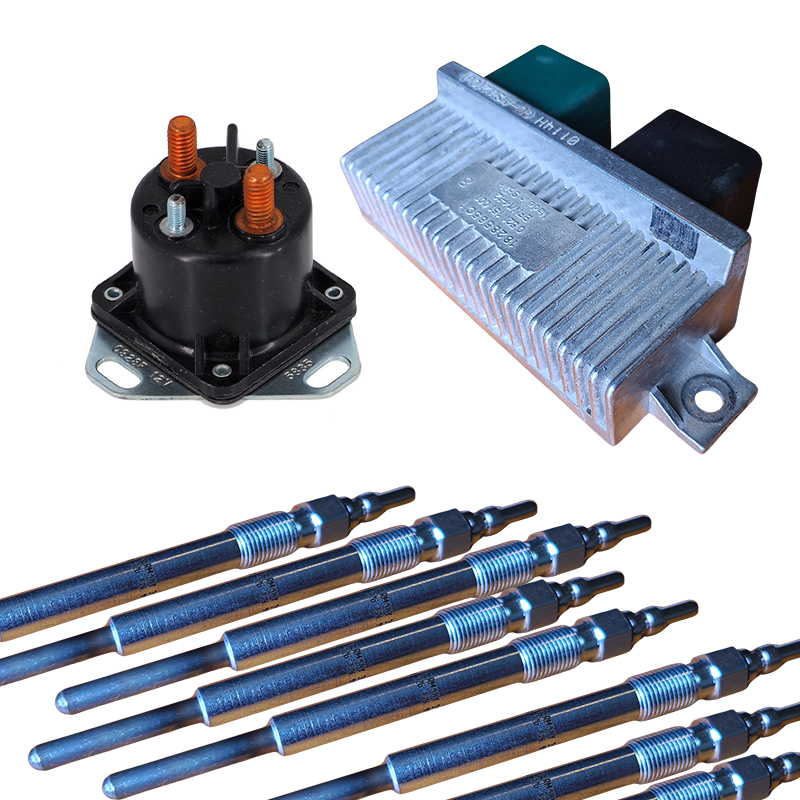
What matters: Most Early ’99 trucks do not have the AIH setup like the Late ’99–’03 trucks. So, early ’99 trucks usually have one glow plug relay while late ’99–’03 trucks have a glow plug relay and an air intake heater relay mounted side by side. Both relays are on the passenger-side valve cover area toward the front of the truck. The common exception is Early ’99 California-emissions trucks, which may have the air intake heater relay and related hardware.
Why it matters: This matters when ordering relays, wiring parts, intake heater parts, AIH delete plugs, or diagnosing no-start and cold-start issues.
Ordering tip: Look at the passenger-side valve cover area before ordering. One relay vs two relays tells you a lot.
Air Filter and Intake Assembly Differences
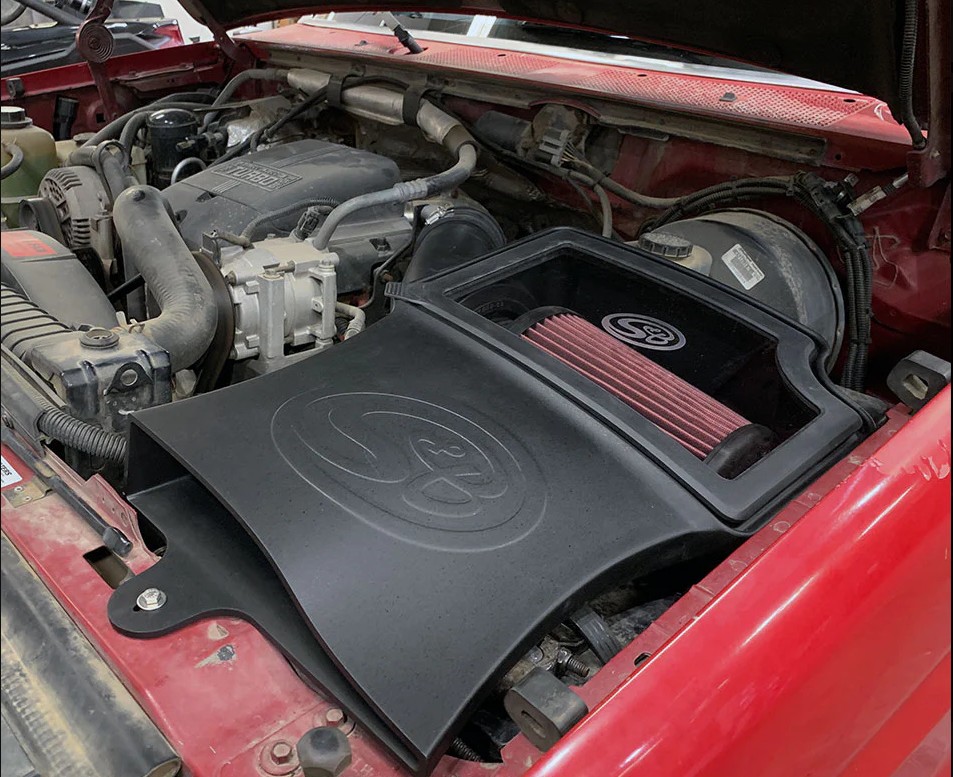
What matters: The Early ’99 air filter setup is different from the Late ’99–’03 setup and is not directly interchangeable, except on some DRW trucks.
You can swap a Late ’99–’03 air cleaner assembly into an Early ’99 truck, but if the truck still has the Early ’99-style intake, your aftermarket options are limited. The common Early ’99-friendly aftermarket options are the AFE Stage 2, AIS, and 6637 intake.
Late ’99–’03 trucks have more direct-fit intake and filter options because they use the later air box and intake layout.
Ordering tip: Do not order an air filter for a 1999 7.3 without confirming Early ’99 vs Late ’99. The filter may be for the right engine and the wrong intake.
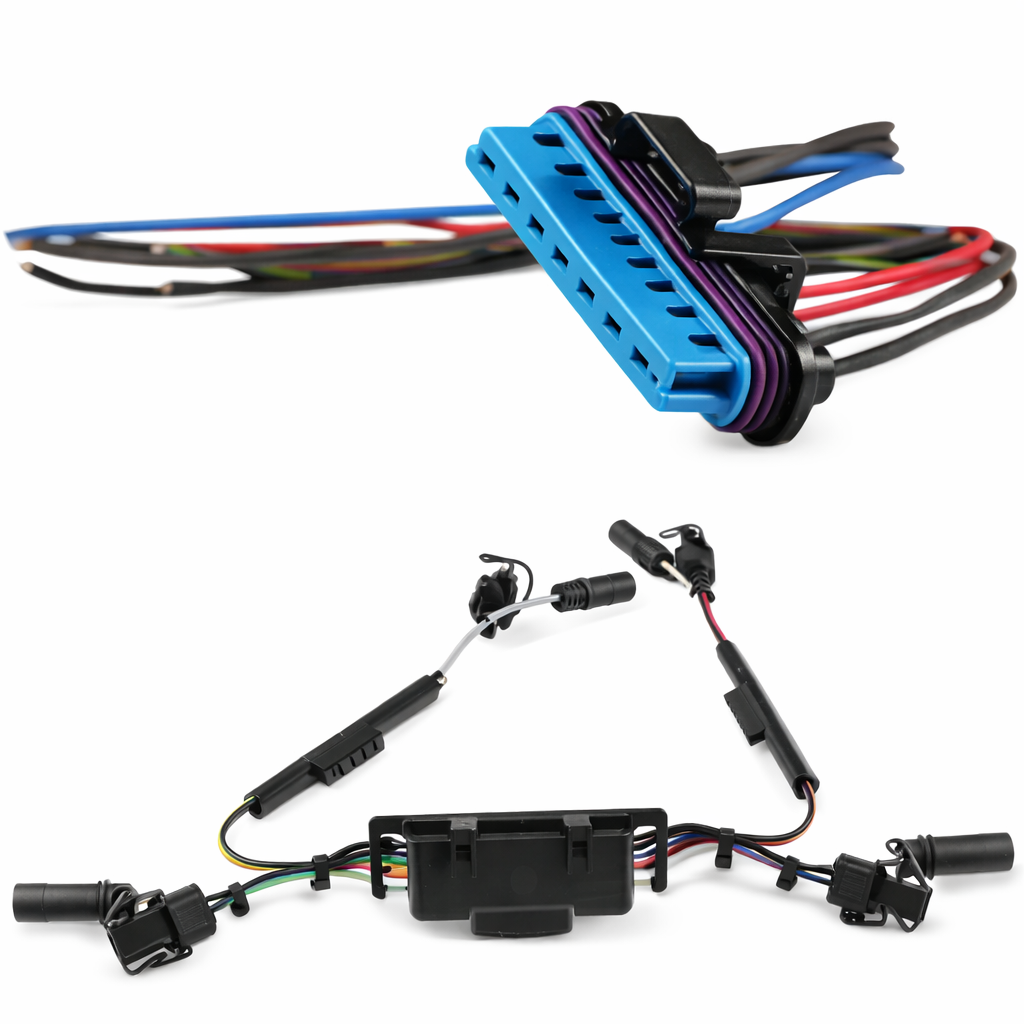
Valve Cover Harnesses and Gaskets Changed
What matters: The under-valve-cover harness setup is different between OBS and Super Duty trucks.
Why it matters: Our OBS-to-Super-Duty UVCH mod article explains the difference clearly: OBS trucks use two plugs per valve cover, while 99–03 Super Duty valve cover gaskets act as the electrical pass-through and use a single-connector pigtail setup.
Ordering tip: Before ordering valve cover gaskets, UVCH parts, pigtails, or glow plug/injector harness parts, know whether the truck is still OBS-style or has already been converted.
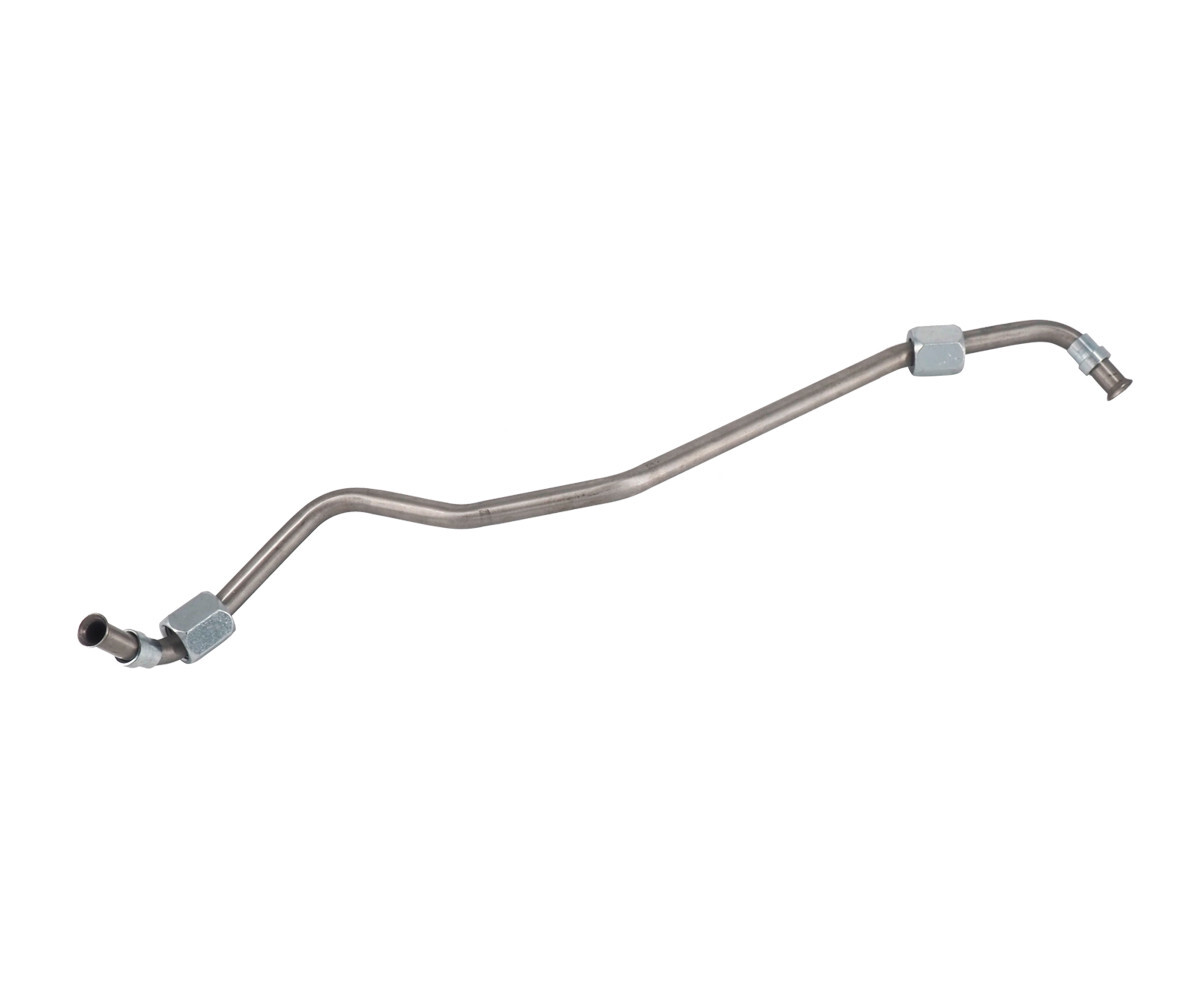
EBP Tubes and Exhaust-Related Parts Can Be Year-Specific
What matters: The exhaust back pressure tube and related exhaust pieces are not always the same across OBS and Super Duty trucks.
Why it matters: The 99–03 EBP tube has a fitment from 5/13/1997 to 2003, while the 94.5–Early 97 has a different EBP tube.
Ordering tip: If the truck is a 1999 or a 1997, do not order by model year alone. Build date and existing equipment does matter.
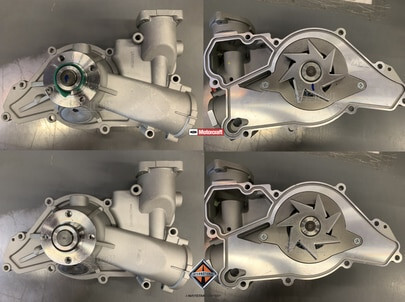
Cooling System Parts Can Cross Over, But Not Blindly
What matters: Some Super Duty cooling parts are better supported in the aftermarket than OBS parts, but that does not mean everything swaps without checking.
Why it matters: The parts don't crossover. However, OBS owners may upgrade to the more robust Super Duty-style thermostat housing because it has better aftermarket support, better sealing potential, and more upgrade options. The differences don't end there though. Pay attention to pumps, hoses, radiators and more.
Early ’99 trucks also have an important transmission cooling difference: they do not have the automatic transmission fluid cooler built into the radiator like the later trucks. That matters when ordering radiators, planning transmission cooler upgrades, or trying to duplicate a Late ’99–’03 cooling setup on an Early ’99 truck.
Ordering tip: For cooling parts, verify thermostat housing style, radiator setup, hose routing, transmission cooler layout, and whether the truck has already been updated.
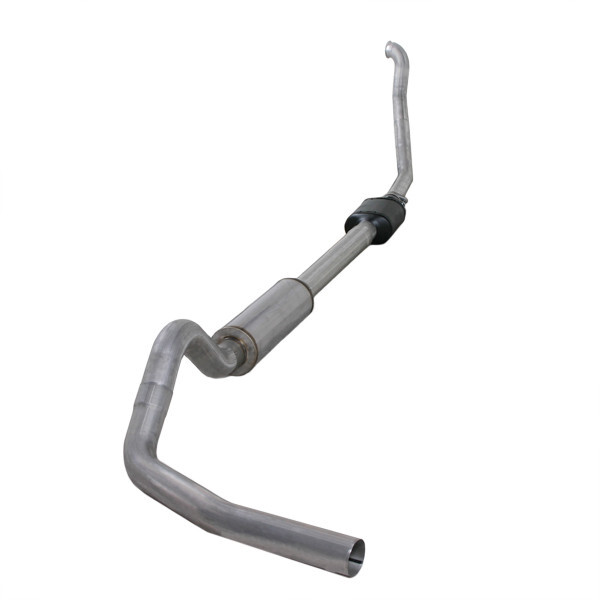
Exhaust, Downpipe, and Chassis Clearance Are Different
What matters: OBS and Super Duty trucks have different body/chassis packaging (obviously). Exhaust routing, downpipe clearance, turbo outlet placement, and transmission/body clearance can change what fits.
Why it matters: A part that fits a 99–03 Super Duty may not fit a 94–97 OBS, even if the engine displacement is the same. This is especially important with exhaust kits, up-pipes, exhaust brakes, turbo kits, and intercooler conversions.
Ordering tip: For exhaust parts, order by truck platform first, engine second. Searching “7.3 downpipe” is how you end up with garage art.
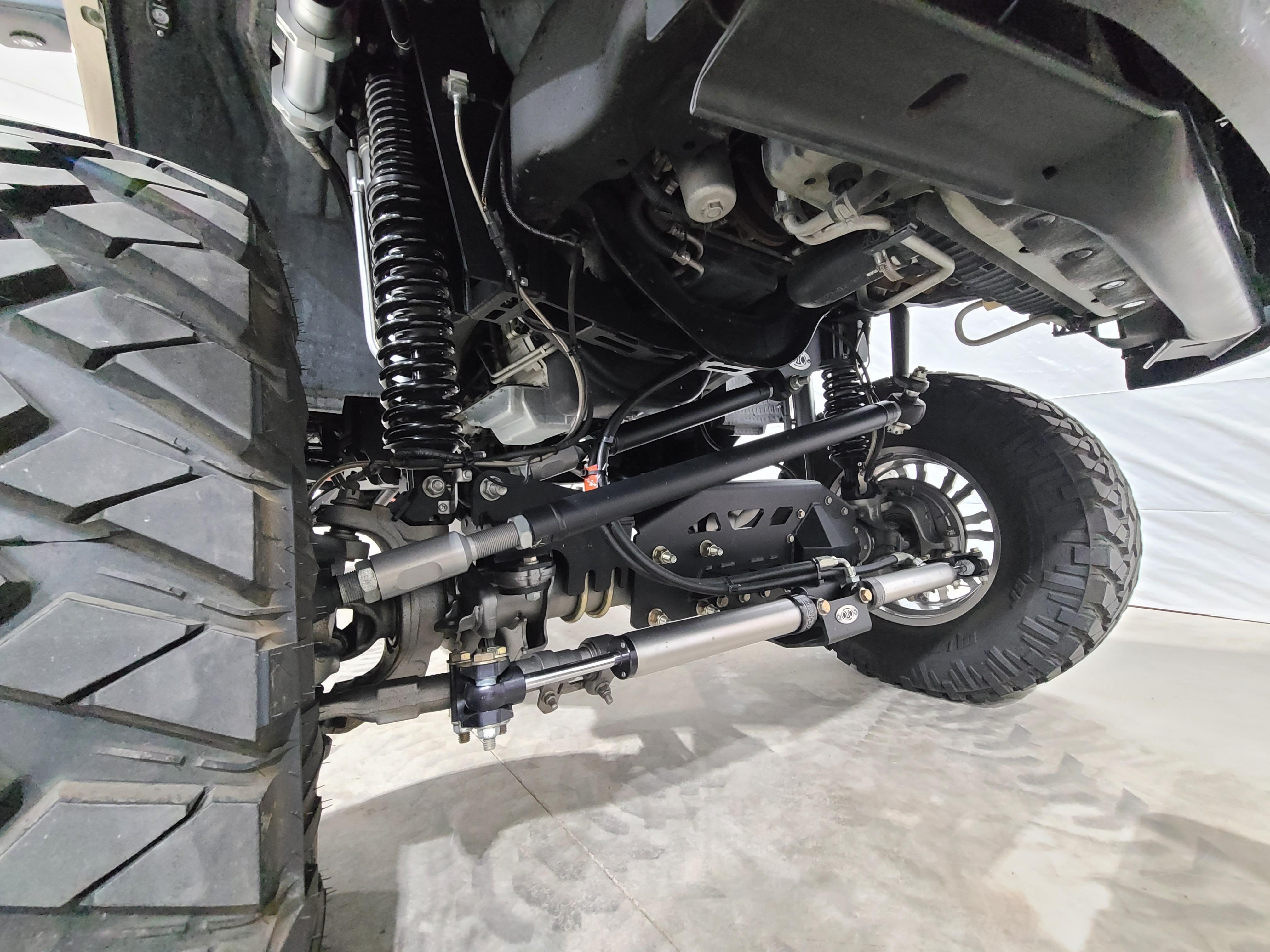
Steering, Brakes, Hubs, and Axle Hardware Can Change
What matters: The Early ’99 differences are not limited to engine parts.
Early ’99 trucks can have smaller track rod/track bar mounting bolts than Late ’99–’03 trucks. They can also have shallower front brake rotors, shorter hub bearings, square-style front axle U-bolts where they pass over the spring pack, and a different pitman arm. Plus, different lug thread patterns.
Several of these differences have DRW exceptions, so do not assume SRW and DRW parts are the same.
Why it matters: This matters when ordering steering parts, axle hardware, brake rotors, hub bearings, pitman arms, suspension parts, and front-end rebuild components.
Ordering tip: For Early ’99 front-end parts, verify SRW vs DRW, rotor depth, hub style, lug style, U-bolt shape, track bar hardware, and pitman arm before ordering.
Tuning, PCM Codes, and Cruise Light Differences
What matters: PCM codes, calibration, injector type, transmission, emissions calibration, and tuning support can vary across 7.3 years.
Why it matters: This is especially important when ordering chips, tuners, injectors, IDM-related parts, or calibration-sensitive parts. Multiple PCM codes can exist within the same year, and the wrong assumption can create drivability issues.
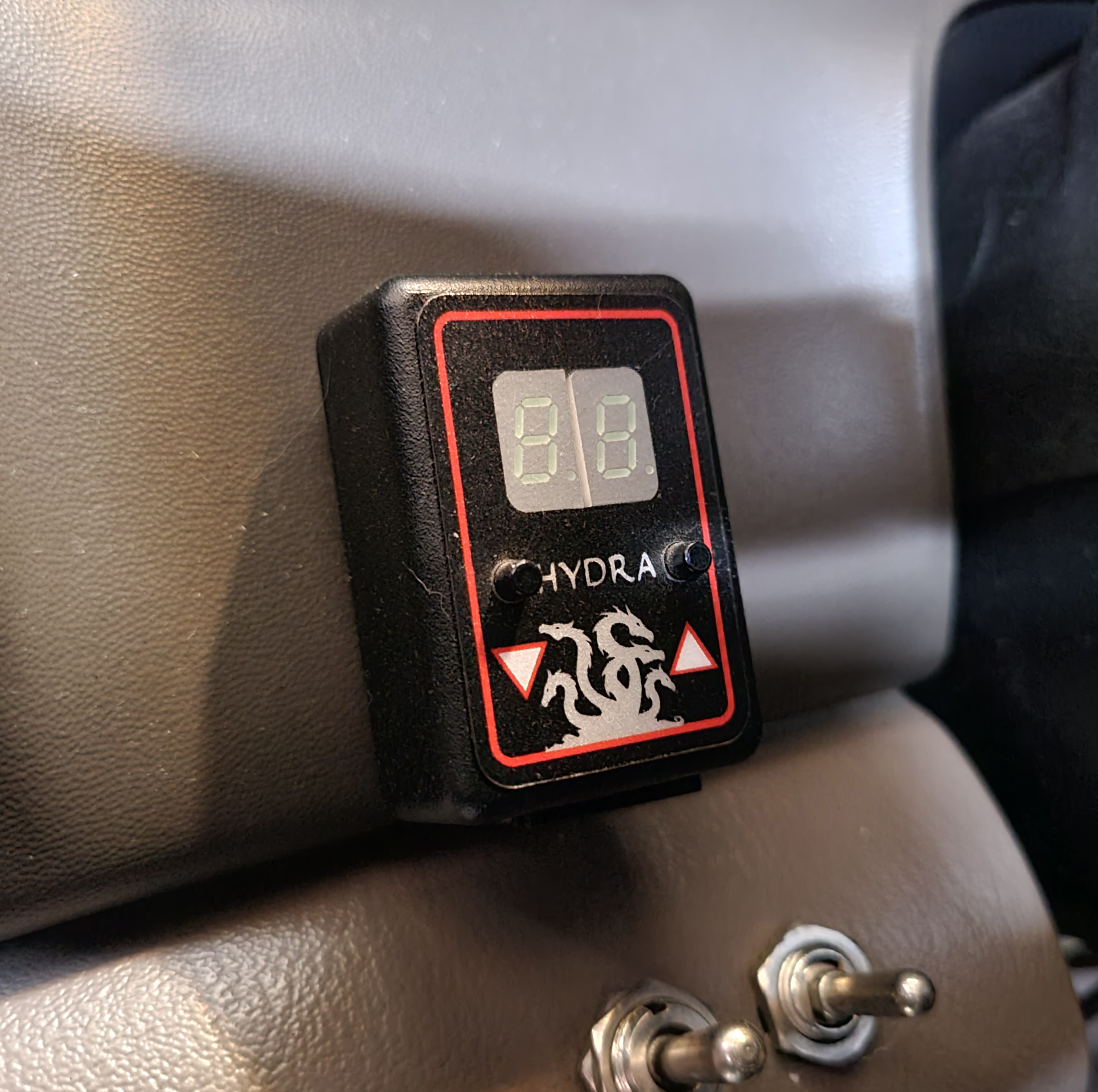
There is also a small cruise-control difference. Early ’99 trucks do not illuminate a cruise indicator when cruise is set. Late ’99–’03 trucks do. The Early ’99 dash already has the green cruise light in place on the right side of the cluster, but it takes a newer PCM to make it work. A newer PCM will plug in and can make the truck run better, but PCM code and calibration still matter.
Ordering tip: When ordering tuners, chips, injectors, IDM-related parts, or calibration-sensitive parts, get the PCM code and truck details before ordering. Do not guess because multiple calibrations can and do exist within the same year.
Final Thoughts
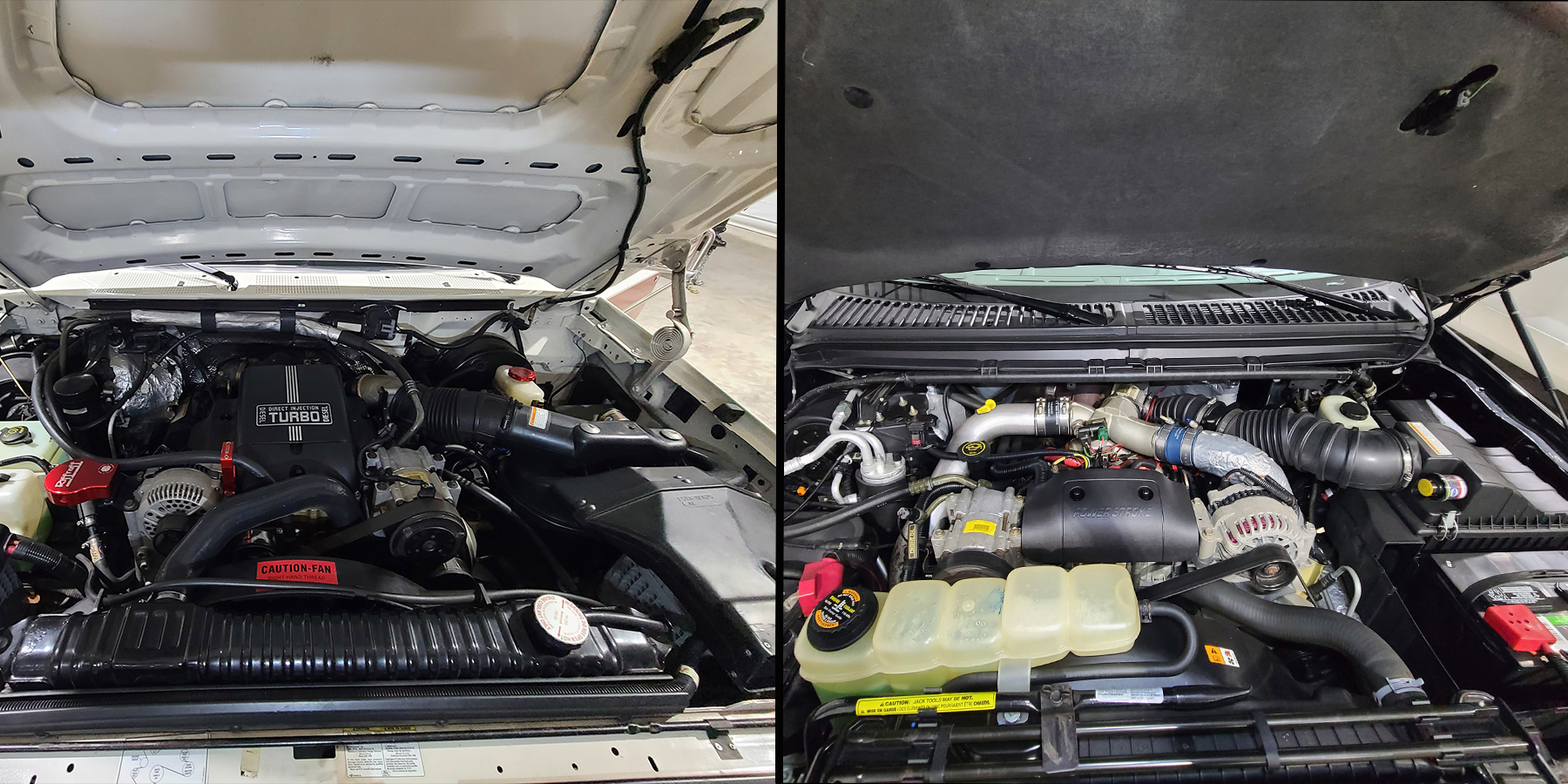
The OBS 7.3 and Super Duty 7.3 are related, but they are not the same truck. Nothing kills a weekend faster than tearing the truck apart, opening the box, and realizing you ordered the right part for the wrong version of the right engine.
Before ordering parts, verify:
- Year
- Build date
- OBS, Early ’99, Late ’99–’03, or Excursion
- F-Series vs E-Series
- SRW vs DRW
- Turbo style
- Pedestal and up-pipe setup
- Plenum size
- Intake runner size
- Air filter assembly
- Injector code
- HPOP style
- Fuel system layout
- Glow plug relay and AIH relay layout
- Valve cover harness style
- Cooling system and radiator setup
- Steering, hub, rotor, and axle hardware
- Transmission
- PCM code when tuning is involved
- Any previous swaps or conversions
Disclaimer: The information provided on this blog is for informational purposes only. We share our knowledge and experience, but we are not liable for any damages, injuries, or losses that may occur as a result of using this information. Situations are rarely cut and dry in the automotive world. Your situation will likely be somewhat different than what we describe here. Use your best judgment and always consult a qualified professional for automotive repairs and modifications. Your safety is your responsibility.