
7.3L Powerstroke Cold Weather Starting Problems: No-Start vs. Hard Start
Oct 30th 2026
Quick Answer
If a cold 7.3L cranks but won't start, check cranking speed (batteries, starter issues), glow plug operation, fuel supply, and the high-pressure oil system first.
If it eventually starts but cranks too long, look harder at weak glow plugs, a worn GPR, marginal batteries, heavy engine oil, worn injectors, or low compression.
The smoke coming from the exhaust while cranking can also tell you a lot.
- White smoke: Fuel is probably reaching the cylinders but isn't lighting properly.
- Little or no smoke: Start looking at fuel delivery, high-pressure oil, CPS/RPM signal, or injector operation.
If you're looking for a quick "tune up" before winter, start with good batteries, verify your glow plug system works, and invest in some good winter additive (and use it!).
Now, lets go a little deeper.
We'll break this down for each common symptom: No Start, and Hard Start. Cold start issues can be one, or multiple things combined, and the list of possibilities is large. This list will get you pointed in the right direction. Be sure to continue to the end of the article for a list of related articles that may help get you further along on your diagnostic process.
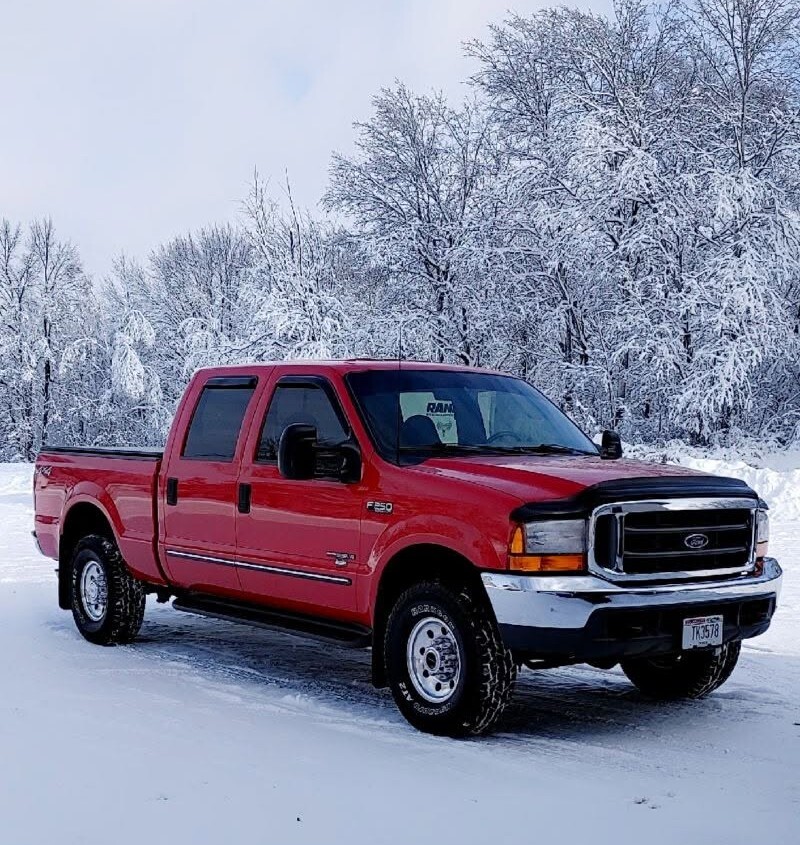
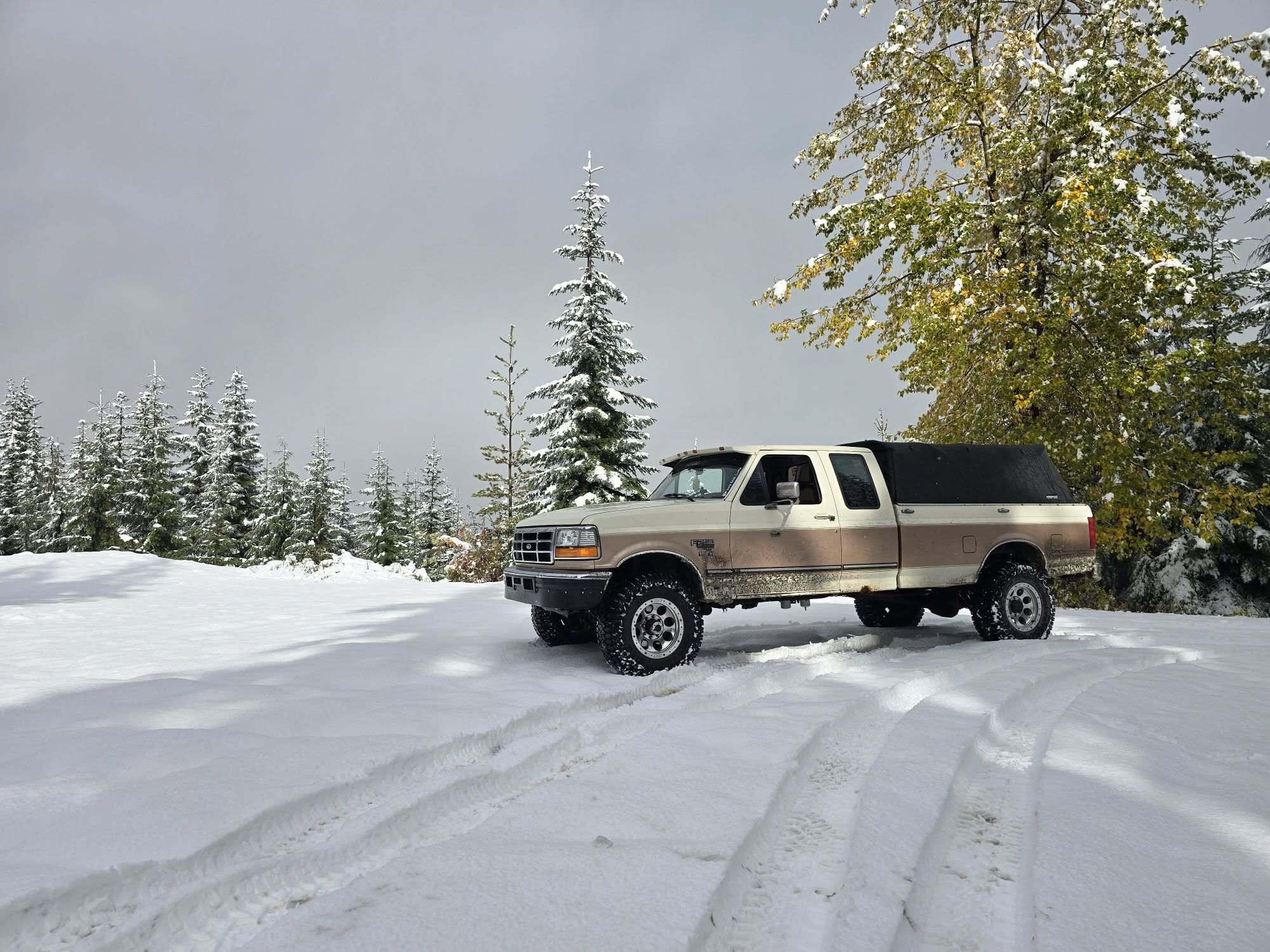
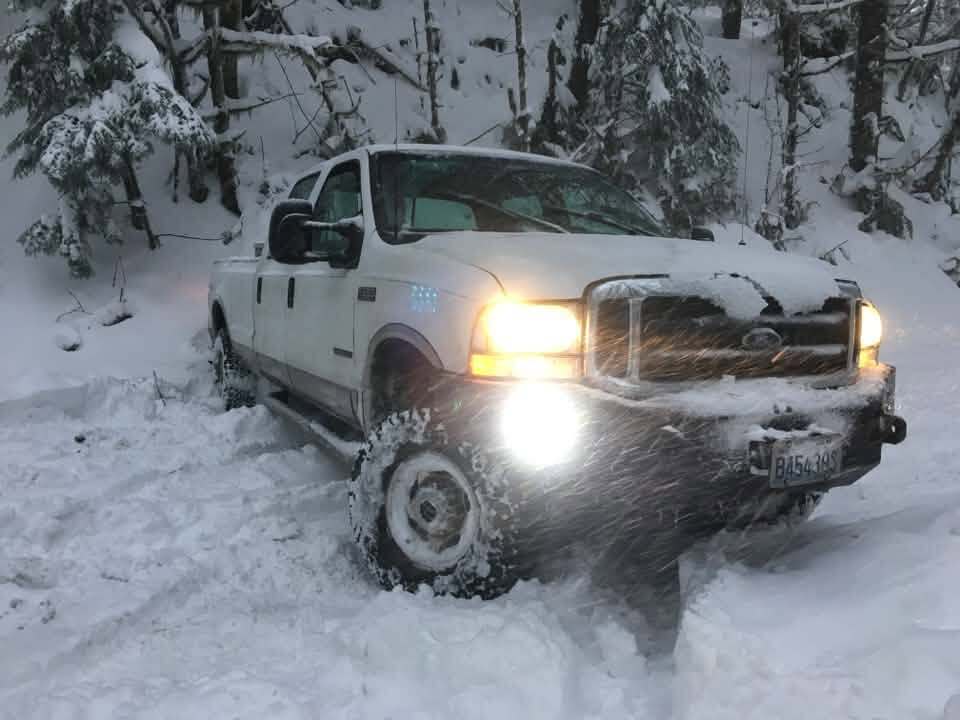
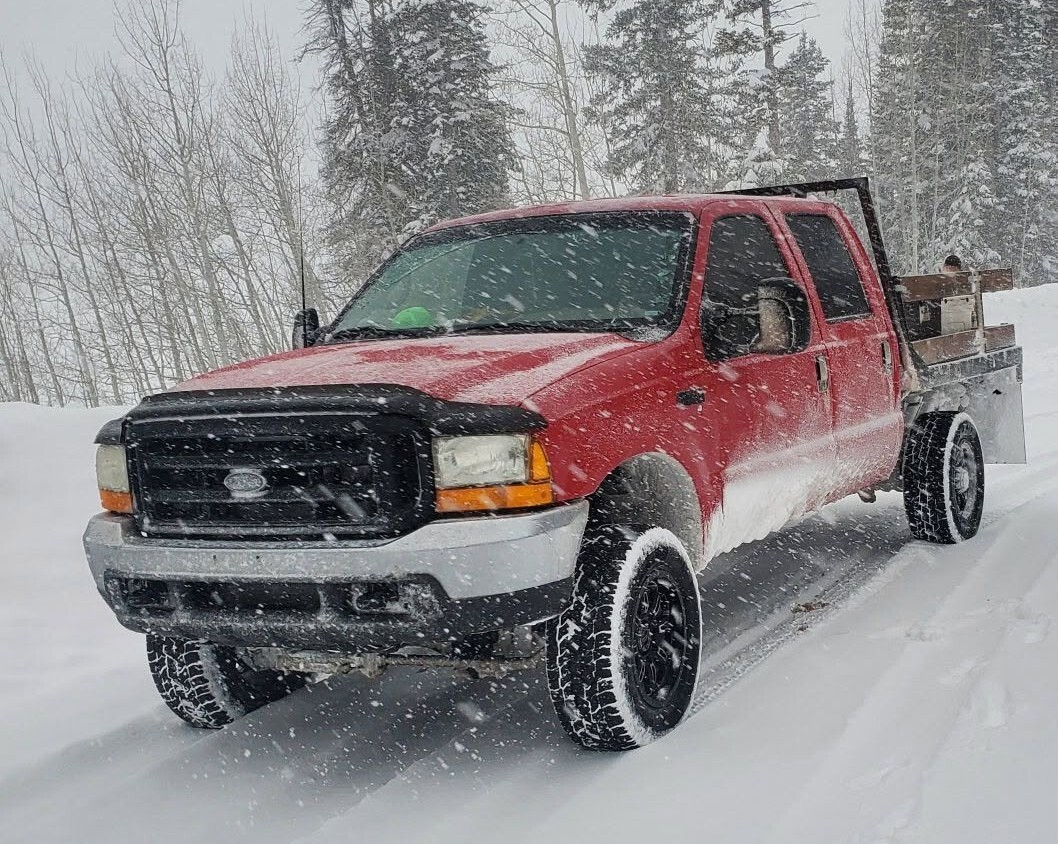
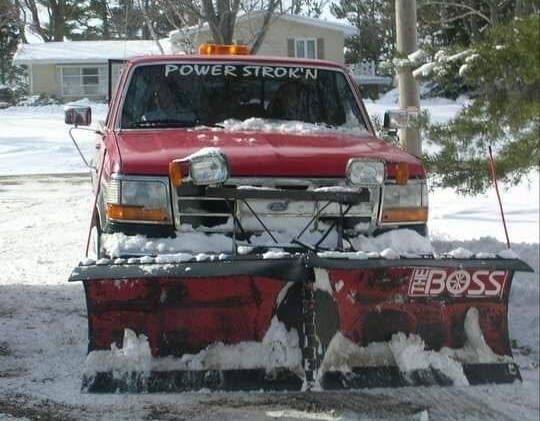
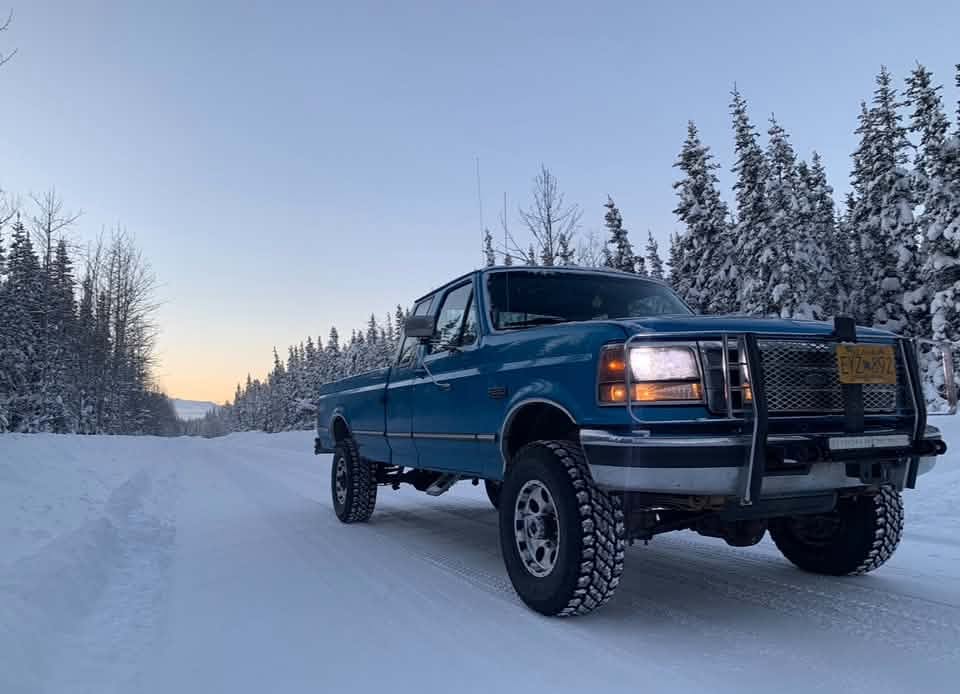
Huge thank you to everyone from Facebook, sharing photos of their trucks for this article.
Cold No-Start Problems
These are the problems that can leave a 7.3L cranking without ever firing when temperatures drop.
1. Glow Plug System Isn't Working
A 7.3L needs substantially more help starting cold than it does warm. If the glow plug relay, GPCM on applicable trucks, wiring, or enough glow plugs fail, the engine may never create enough combustion-chamber heat to light the fuel.
- Common clues:
- Cranks normally but won't start cold
- Heavy white smoke while cranking
- Starts easily when plugged in
- Starts once outside temperature warms up
- Runs rough and smokes heavily if it finally catches
We'd check the relay or GPCM before assuming all eight glow plugs suddenly failed.
2. Weak Starter Performance
Cold weather makes a marginal electrical system weak fast. Cold batteries produce less current, while thick engine oil makes the starter work harder. As well, truck can sound like it's cranking normally and still be turning too slowly to start easily.
Check the condition of:
- Both batteries
- Battery cables and grounds
- Starter
- Charging system
A weak battery pair or tired starter can also make it harder for the high-pressure oil system to build pressure quickly.
3. Gelled Fuel or a Waxed Fuel Filter
The truck may have nothing wrong with the engine at all. As diesel gets cold, paraffin wax can crystallize and plug the fuel filter. Water in the fuel system can also freeze and create the same restriction.
Typical symptoms include:
- Starts and dies
- Surges before quitting
- No-start after an extremely cold night
- Low power before shutdown
- Wax visible in the fuel filter
If the truck was filled in a warmer climate and then driven somewhere much colder, move this higher on the list.
Warm the fuel system, replace a badly plugged filter, and use an emergency de-gelling treatment if the fuel has already waxed. Preventative anti-gel needs to go in before the problem starts.
4. High-Pressure Oil Problems
The 7.3L uses high-pressure engine oil to operate the HEUI injectors. As said before, cold oil is thicker. If that system can't build enough pressure while cranking, the injectors won't operate correctly and the engine may not start.
Possible causes include:
- ICP sensor or wiring problems
- IPR problems
- Low HPOP reservoir
- Weak HPOP
- Injector O-ring leaks
- Other high-pressure oil leaks
- Slow cranking speed
Cold, thick engine oil can make an already marginal high-pressure oil system much more noticeable.
Hard or Prolonged Cold Starts
These trucks still start, but they make you work for it.
1. Weak Glow Plug Relay
A GPR can click and still be bad. Burned internal contacts may pass enough power to appear functional without supplying enough current to properly heat all eight glow plugs.
Typical symptoms include:
- Longer cranking when cold
- White smoke
- Rough running immediately after startup
- Normal warm starts
A relay that works poorly under load can cause cold-start problems long before it fails completely.
2. One or More Bad Glow Plugs
You don't need eight dead glow plugs to notice a problem. Especially when it's below freezing. The engine may initially fire on the cylinders with working glow plugs, stumble, smoke white, then smooth out as the remaining cylinders begin firing.
Also inspect the valve-cover connections. A wiring or pass-through problem can disable multiple glow plugs at once.
3. Marginal Batteries or Starter
There's a difference between "won't crank fast enough" and "barely cranks fast enough." A borderline battery or starter may still get the engine running, but only after several extra revolutions. Cold weather usually makes this problem much more obvious.
4. Oil That's Too Heavy for the Temperature
This matters more on a HEUI engine than it does on many diesels. While likely not the issue in teh continental US (most of it at least), if you live in very cold climates, the same oil you run in the summer may not be the best for the winter.
Cold, thick oil can:
- Slow cranking
- Increase starter load
- Move through the high-pressure oil system more slowly
- Increase cold-start time
Use an oil viscosity appropriate for the temperatures the truck will see.
If the truck starts dramatically better after being plugged in, oil viscosity may be part of the problem.
5. Worn Injectors (or large performance injectors)
Older 7.3L injectors don't always fail all at once. Internal wear can affect fuel delivery and high-pressure oil control enough that cold starting becomes increasingly difficult before the truck shows much of a problem once warm.
Note: Very large aftermarket injectors can have the same symptoms, yet for them, the issue is they simply don’t have the correct atomization capability to get the fuel going when its cold outside. The only fix may be getting the truck warm with an outside source.
Typical clues include:
- Long cold crank
- Uneven firing after startup
- White smoke
- Rough idle that clears as it warms
- One consistently weak cylinder
At that point, injector condition deserves a closer look.
6. Low Compression
A diesel depends on compression heat to ignite fuel. An engine with worn rings, cylinder wear, or valve-sealing problems may start acceptably when warm but struggle badly after sitting overnight in freezing weather.
Low compression moves higher on our list when the glow plug system, batteries, starter, fuel system, and injectors all appear to be doing their jobs.
Watch the Exhaust While Cranking
This is one of the easiest clues you can use without getting deep into diagnostics.
White Smoke: White, fuel-smelling smoke generally means fuel is reaching the cylinders but isn't burning well.
Think:
- Glow plug problems
- Slow cranking
- Low compression
- Injector condition
Little or No Smoke: If you're cranking and getting almost nothing from the exhaust, start asking whether the injectors are actually delivering fuel.
Think:
- Fuel supply
- High-pressure oil system
- CPS/RPM signal
- IDM or injector electrical problems
Does the Block Heater Fix It?
That's useful information too. If the truck is nearly impossible to start cold but fires quickly after being plugged in, you've narrowed the problem toward something that's strongly affected by temperature.
We'd look hardest at:
- Glow plug system
- Oil viscosity
- Cranking speed
- Injector condition
- Compression
Where We'd Start
For a cold 7.3L that won't start or takes too long to start, we'd begin with the simple stuff:
- Batteries and starter
- Glow plug system
- Fuel supply and filter
- High-pressure oil system
- CPS and injector operation
If those all check out, then move deeper into injector condition and compression.
The Bottom Line
A cold no-start usually means the engine is completely missing one of the things it needs to fire: enough cranking speed, glow plug heat, fuel, high-pressure oil, or injector operation.
A hard cold start usually means one of those systems is still working, just not well enough.
Start with batteries and glow plugs before reaching for expensive parts. Then work through fuel supply, high-pressure oil, injectors, and compression.
Related Riffraff Diesel Articles
How to Test a 7.3L Powerstroke Glow Plug Relay: https://www.riffraffdiesel.com/blog/how-to-test-a-73l-powerstroke-glow-plug-relay/
7.3L Powerstroke ICP Sensor: How It Works, Failure Symptoms, Codes, and Diagnosis: https://www.riffraffdiesel.com/blog/73l-powerstroke-icp-sensor-how-it-works-failure-symptoms-codes-and-diagnosis/
Diesel Fuel Gelling and Waxing: Symptoms, Prevention, and How to Fix It: https://www.riffraffdiesel.com/blog/diesel-fuel-gelling-and-waxing-symptoms-prevention-and-how-to-fix-it/
My 7.3 Cranks But Won’t Start: Symptoms, Codes, Things To Check, and a Diagnostic Tree: https://www.riffraffdiesel.com/blog/my-73-cranks-but-wont-start-symptoms-codes-things-to-check-and-a-diagnostic-tree/
***Disclaimer: The information provided on this blog is for informational purposes only. We share our knowledge and experience, but we are not liable for any damages, injuries, or losses that may occur as a result of using this information. Situations are rarely cut and dry in the automotive world. Your situation will likely be somewhat different than what we describe here. Use your best judgment and always consult a qualified professional for automotive repairs and modifications. Your safety is your responsibility.