
Diesel Fuel Gelling and Waxing: Symptoms, Prevention, and How to Fix It
Oct 9th 2026
Most diesel owners know the risk dropping winter temperatures imposes on diesel fuel. As diesel gets cold, naturally occurring paraffin wax begins coming out of solution. Those wax crystals can eventually plug the fuel filter and starve the engine. Let’s go a little more in depth into the issue.
The exact point #2 diesel starts to be adversly affected by the cold (clogging filters) differs based on several factors, but the general temperature considered normal is around 10-15° F. For #1 diesel, that drops considerably to -40° F due to #1's reduced paraffin wax content.
The Three Stages: Cloud Point, Waxing, and Gelling
Cloud Point: The cloud point is the temperature where wax crystals first begin forming. The fuel may look cloudy but still flow normally. This is the first stage and it's likely still very usable fuel. There is no universal cloud-point temperature. It changes with the fuel blend, crude source, and biodiesel content.
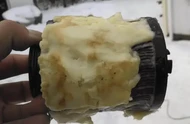
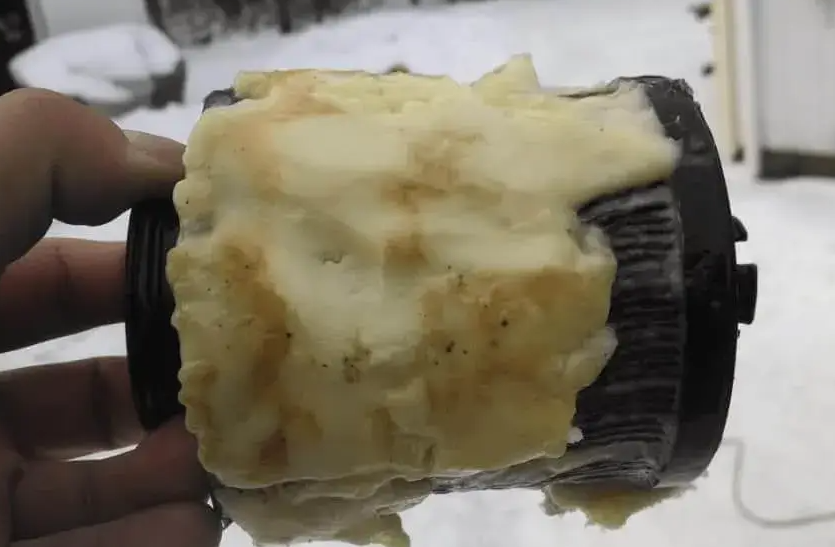
Waxing: As temperatures continue dropping, the wax crystals grow and start restricting the fuel filter. This is where most trucks actually quit running. The fuel in the tank can still be liquid (for the most part) but enough wax exists within the filter to clog it up.
Gelling: "Gelled fuel" is the common term once the system can no longer move enough fuel to keep the engine running.
Common Symptoms
- Long crank
- Starts and dies
- Surging
- Low power
- Low fuel pressure
- Falls on its face under throttle
- No-start after sitting in the cold
- White or cloudy wax on the fuel filter
A partially plugged filter may flow enough fuel to idle but not enough to support acceleration. And that's a good clue.
Why It Happens
No. 2 diesel contains paraffin wax. At temperatures above freezing and even slightly below, that wax stays dissolved. Once the fuel cools enough to reach its cloud point, the wax begins crystallizing.
Cold-weather problems are more likely with:
- Summer-grade No. 2 diesel
- Fuel purchased in a warmer climate
- Sudden temperature drops
- Certain biodiesel blends
- Old or partially restricted filters
- Water in the fuel system
Frozen water can plug a filter too and produce almost the same symptoms as waxed fuel.
Winter Diesel Helps
Fuel suppliers in cold climates normally change their diesel blend as temperatures drop. Most pumps in colder climates will have a sign of some sort stating “Winterized Fuel” and to how low of a temperature it’s good for. One common method for creating Winterized Fuel is mixing No. 1 diesel with No. 2 diesel (yes, No. 1 diesel is a thing). No. 1 has better cold-weather properties and helps lower the cloud point.
This winterizing of fuel at stations will not happen in areas with warmer climates. There's simply no need. This is very often a cause for clogged filters: filling up with fuel from a warm climate, and driving to a cold one. If you're using a large transfer tank in the bed of your truck for instance, you need to be very aware of what type of fuel is in it when the weather changes.
How Anti-Gel Works
Preventative anti-gel changes how wax crystals form so they stay smaller and are less likely to plug the filter. The key is timing. You have to add it before the fuel reaches its cloud point.
Once wax has already formed, normal preventative anti-gel is much less useful.
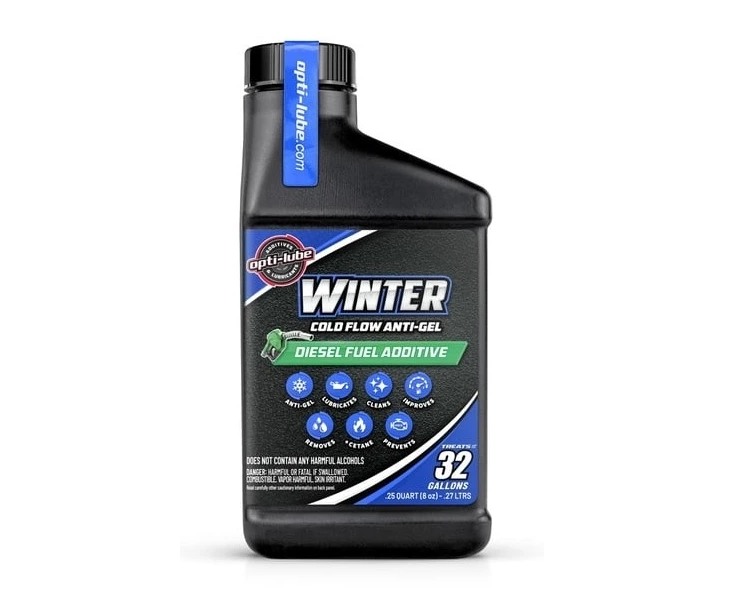
We prefer using additives like Opti-Lube Winter Anti-Gel and Opti-Lube XPD for preventative treatment.
How to Prevent Gelling
- Buy winterized fuel from a busy diesel station
- Treat the fuel before temperatures drop
- Add treatment before filling so it mixes well
- Keep the fuel filter fresh
- Drain water from the fuel system
- Pay attention to the fuel you’re buying when traveling from warm to cold climates
- Don't wait until the truck is sitting outside in single-digit weather to treat fuel that's already cloudy.
What to Do If It's Already Gelled
Once wax has plugged the system, the best fix is heat. Get the truck somewhere warm enough to bring the fuel back above its cloud point.
- Warm the fuel system.
- Inspect or replace the fuel filter.
- Drain any water.
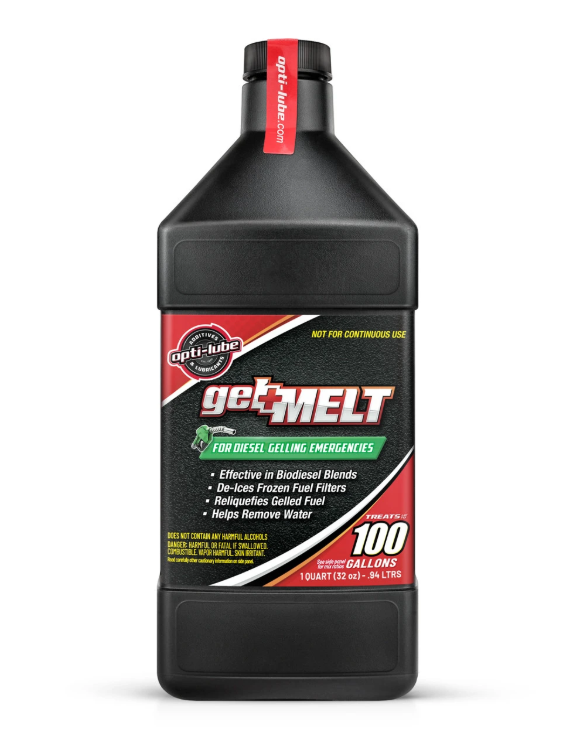
- Use an emergency de-gel product if needed.
- Fill with properly winterized diesel.
- Add preventative treatment once the fuel is warm again.
Note: Emergency de-gel products are different from normal preventative anti-gel. They are made to deal with fuel that has already waxed.
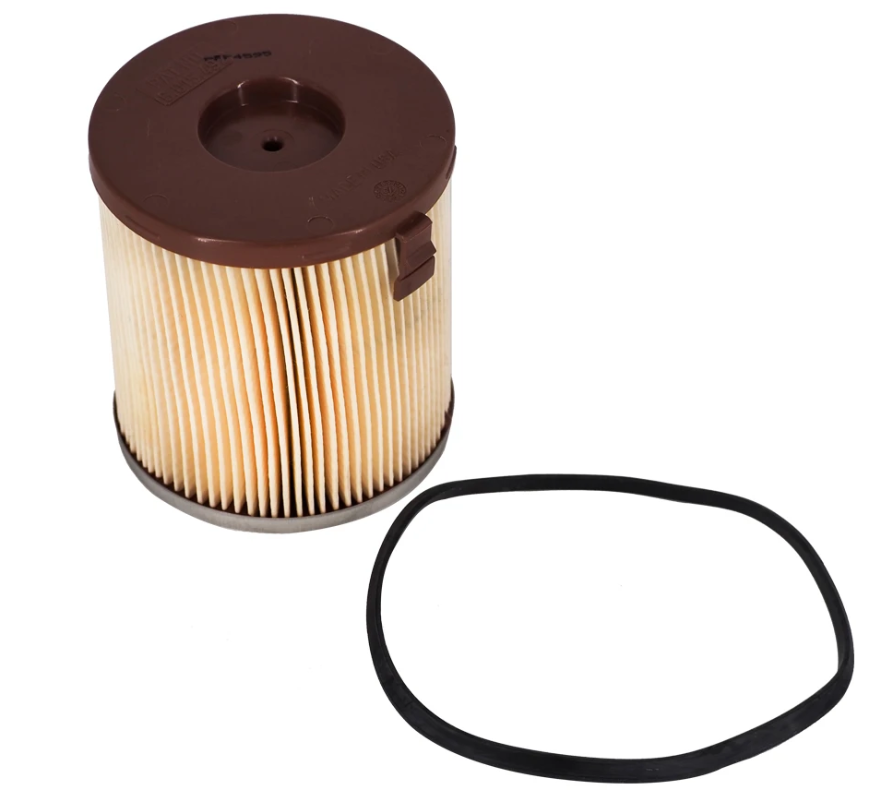
Don't Forget the Filter
Warming the tank doesn't guarantee the truck will run. The filter may still be packed with wax. If the truck gelled badly enough to quit, we'd strongly consider replacing the fuel filter once everything is warm.
7.3 94-98 Fuel Filter: https://www.riffraffdiesel.com/7-3l-fuel-filter-94-98/
7.3 99-03 Fuel Filter: https://www.riffraffdiesel.com/oem-fuel-filter-99-03/
6.0L Fuel Filter Set: https://www.riffraffdiesel.com/6-0l-fuel-filter-set/
What Not to Do
Do Not Add Gasoline: This old "trick" may actually help with the gelling issue, but we don't think it's worth the risk. Gasoline is not an appropriate anti-gel treatment for a modern diesel fuel system and will reduce fuel lubricity.
Don't Use an Open Flame: No torches or improvised heaters aimed at the tank or fuel lines. Do we need to explain this one?
Don't Expect the Block Heater to Fix It: A block heater warms the engine. It may not do much for a waxed fuel filter, chassis lines, or the fuel tank.
The Bottom Line
Diesel doesn't suddenly gel at one exact temperature. The problem starts with wax crystals.
Once those crystals get large enough to plug the filter, fuel pressure drops and the engine starts starving.
The best fix is prevention. Use winterized diesel, treat it before the fuel gets cold, keep the filter fresh, and get water out of the system.
If it's already gelled, warm it up and deal with the plugged filter first.