
Top 10 7.3 Powerstroke Scan Tool Readings Every Owner Should Know
May 21st 2026
A good scan tool can save you a pile of money if you know what numbers actually matter. Codes are useful, but live data is where the 7.3 starts telling on itself. Hard start, no-start, low power, smoke, lazy boost, hot-start problems, and random stalling all get a lot easier to diagnose when you stop throwing parts and start watching data.
Here are 10 scan tool readings every 7.3 owner should know.
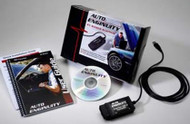
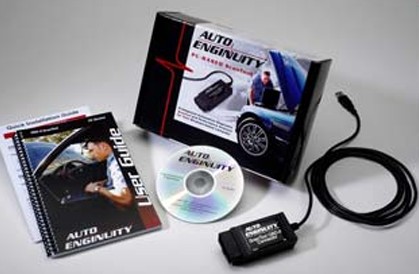
Note: We use and recommend AutoEnginuity for our scantool needs. Not every scanner on the market will read all the data available, most don't. For the 7.3, AutoEnginuity reads everything. Check it out here: https://www.riffraffdiesel.com/brands/AutoEnginuity.html
Engine RPM While Cranking
Why it matters:
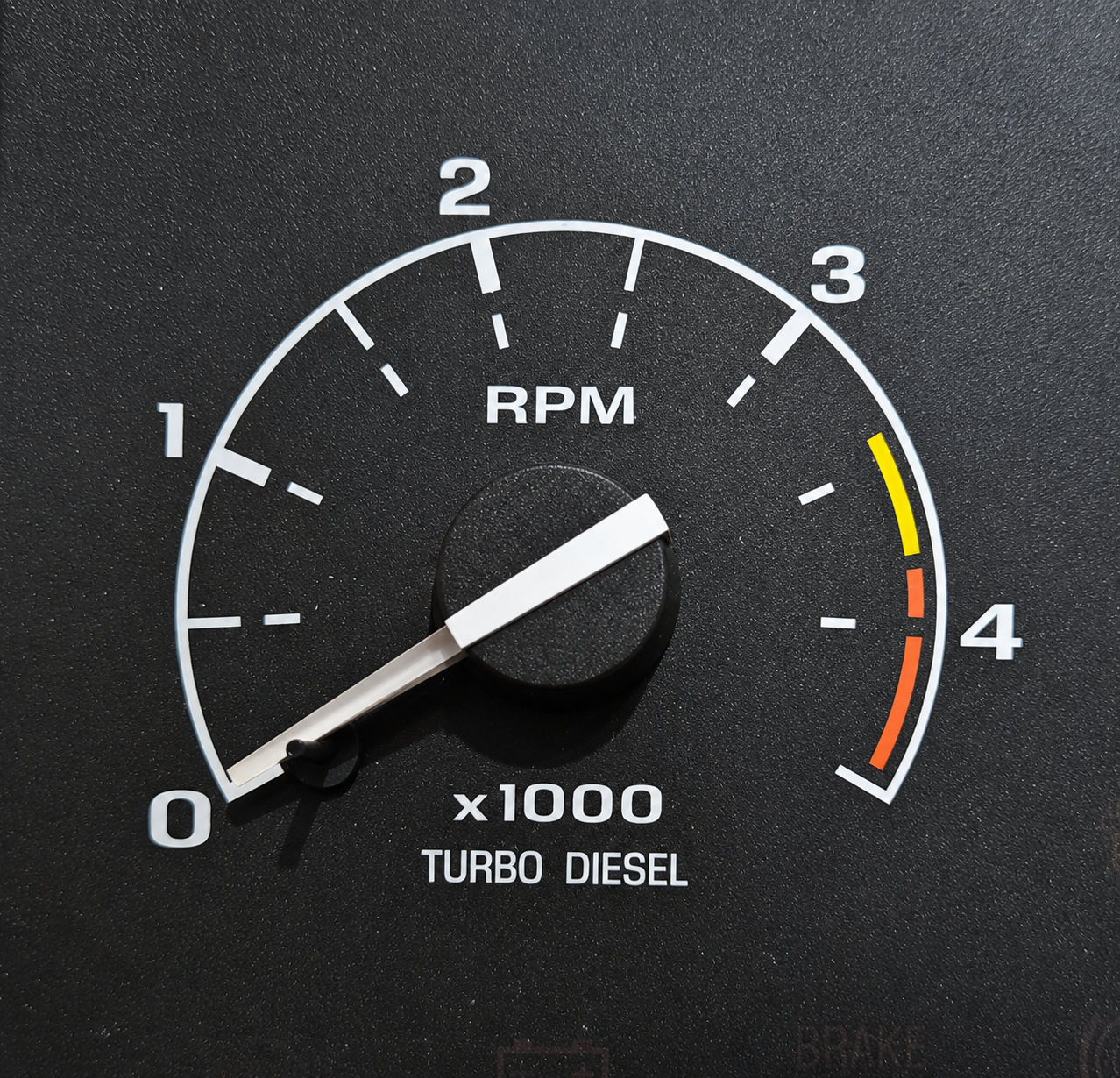
No RPM signal usually means the PCM does not know the engine is turning. On a 7.3, that points you straight toward the cam position sensor, wiring, or a cranking-speed problem.
What to watch:
During cranking, you want to see RPM on the scan tool. Generally 150-200 RPM minimum. The starting threashold varies slightly but is commonly at 165. Note that P0340/P0344 are commonly tied to cam position sensor issues.
What bad readings mean:
Zero RPM? Start with the CPS and it's pigtail. Low RPM? Look at batteries, cables, starter drag, oil viscosity, and voltage drop before blaming the injection system.
Vehicle Voltage While Cranking
Why it matters:
The 7.3 is old-school, but it is still electronically controlled. Low voltage can make a good truck act possessed.
What to watch:
Watch voltage while cranking, not just key-on battery voltage. Should have a cranking minimum range of 9–10 volts depending on year (12.6 is ideal).
What bad readings mean:
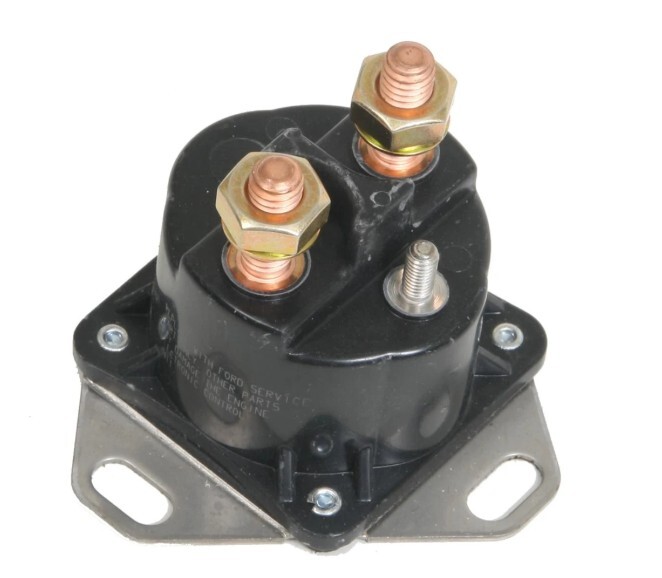
Low cranking voltage can cause slow RPM, weak IDM/PCM operation, false diagnostics, and a no-start that looks more complicated than it is. Fix the battery/cable/starter/solenoid problem first or the rest of your data is suspect.
ICP Pressure While Cranking
Why it matters:
The 7.3 uses high-pressure oil to fire the injectors. No injection control pressure, no start. It’s that simple.
What to watch:
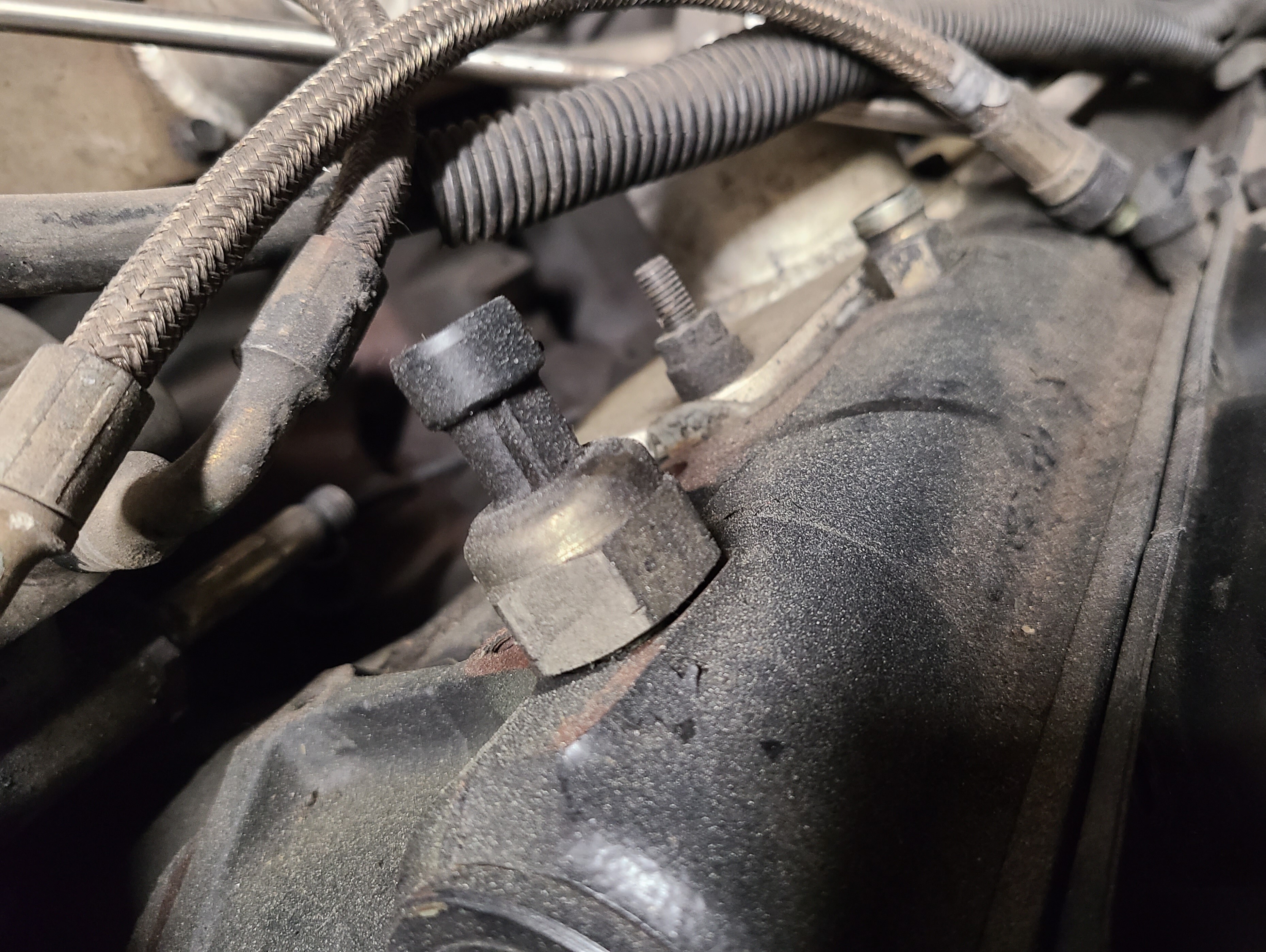
ICP should reach about 500 PSI minimum during cranking. ICP should hit 500 PSI minimum within 15 seconds, and if it does not, you should suspect the HPOP system or an internal leak.
What bad readings mean:
Low ICP with long crank or no-start can point to low oil, an empty HPOP reservoir, IPR issues, injector O-rings, HPOP wear, leaks, or a bad ICP signal. Don’t guess. Watch the number.
ICP Pressure at Idle and Under Load
Why it matters:
A truck can start fine and still fall on its face under load if the high-pressure oil system cannot keep up.
What to watch:
Approximate ICP readings should be 575–600 PSI at idle for 1994–1997 trucks and 475–490 PSI at idle for 1999–2003 trucks. Under hard acceleration, both are around 2450–2750 PSI.
What bad readings mean:
Low ICP under load can show up as low power, poor throttle response, smoke, rough running, or a truck that feels like it forgot it has a turbo. If ICP is low and IPR duty cycle is high, start thinking high-pressure oil leak, IPR issue, weak HPOP, or injector O-rings.
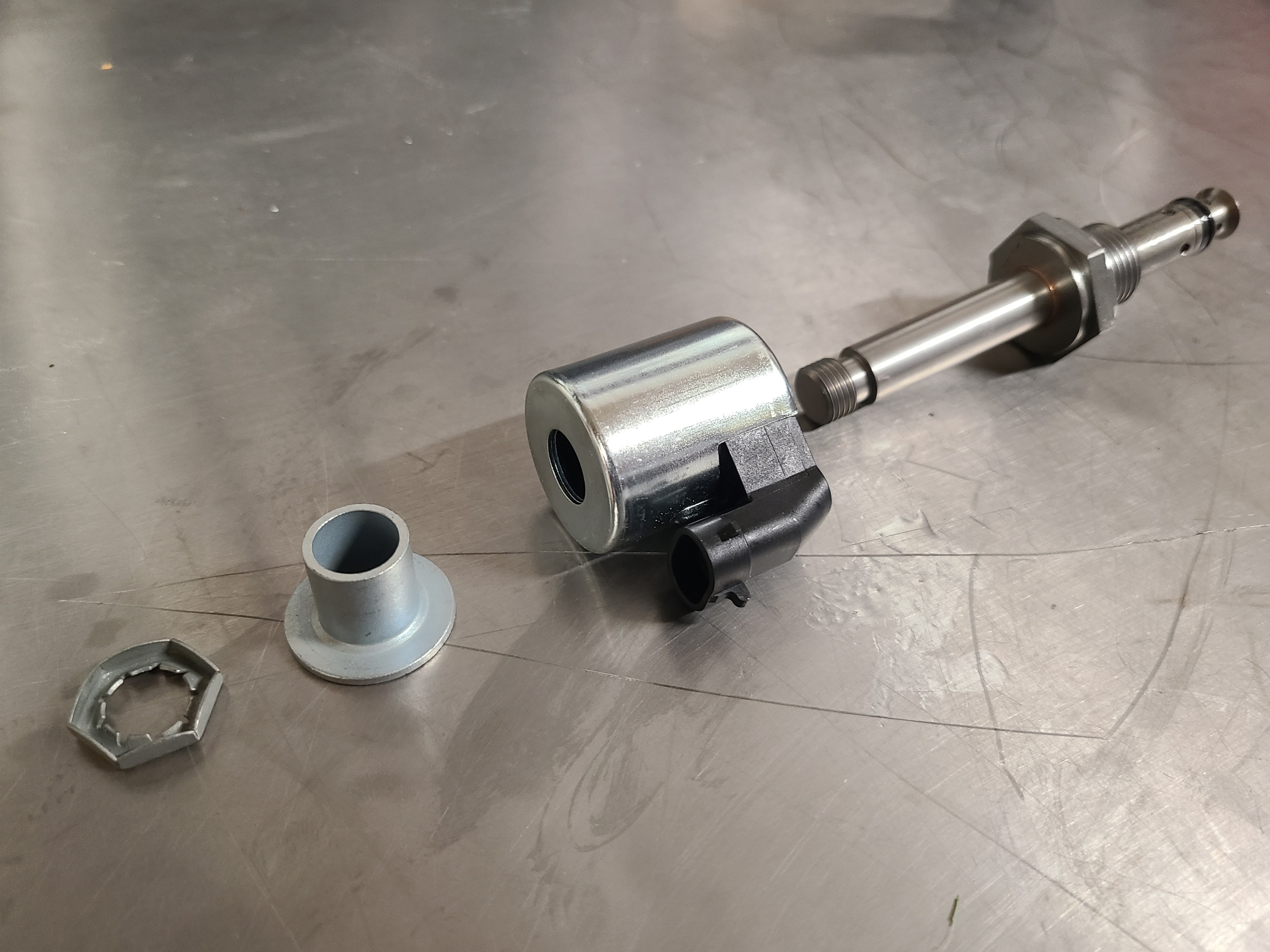
IPR Duty Cycle
Why it matters:
ICP tells you pressure. IPR duty cycle tells you how hard the PCM is working to get that pressure.
What to watch:
Watch IPR duty cycle under load and verify it does not climb above 65% with ICP under 2000 PSI. If it does, that generally points toward a faulty IPR, weak HPOP, or high-pressure oil system leaks like injector O-rings.
What bad readings mean:
High IPR and low ICP is the classic “the system is trying, but pressure is escaping somewhere” pattern. Low IPR with weird ICP readings can point more toward sensor, wiring, or control problems.
Commanded ICP vs. Actual ICP
Why it matters:
Actual ICP by itself is helpful. Comparing desired/commanded ICP to actual ICP is better.
What to watch:
If actual ICP lags behind commanded ICP by more than about 200 PSI during cranking, suspect an oil leak or weak pump.
What bad readings mean:
If commanded pressure is there but actual pressure cannot follow, the truck is telling you the high-pressure oil system is not keeping up. That is useful data before you start replacing sensors because a forum comment sounded confident.
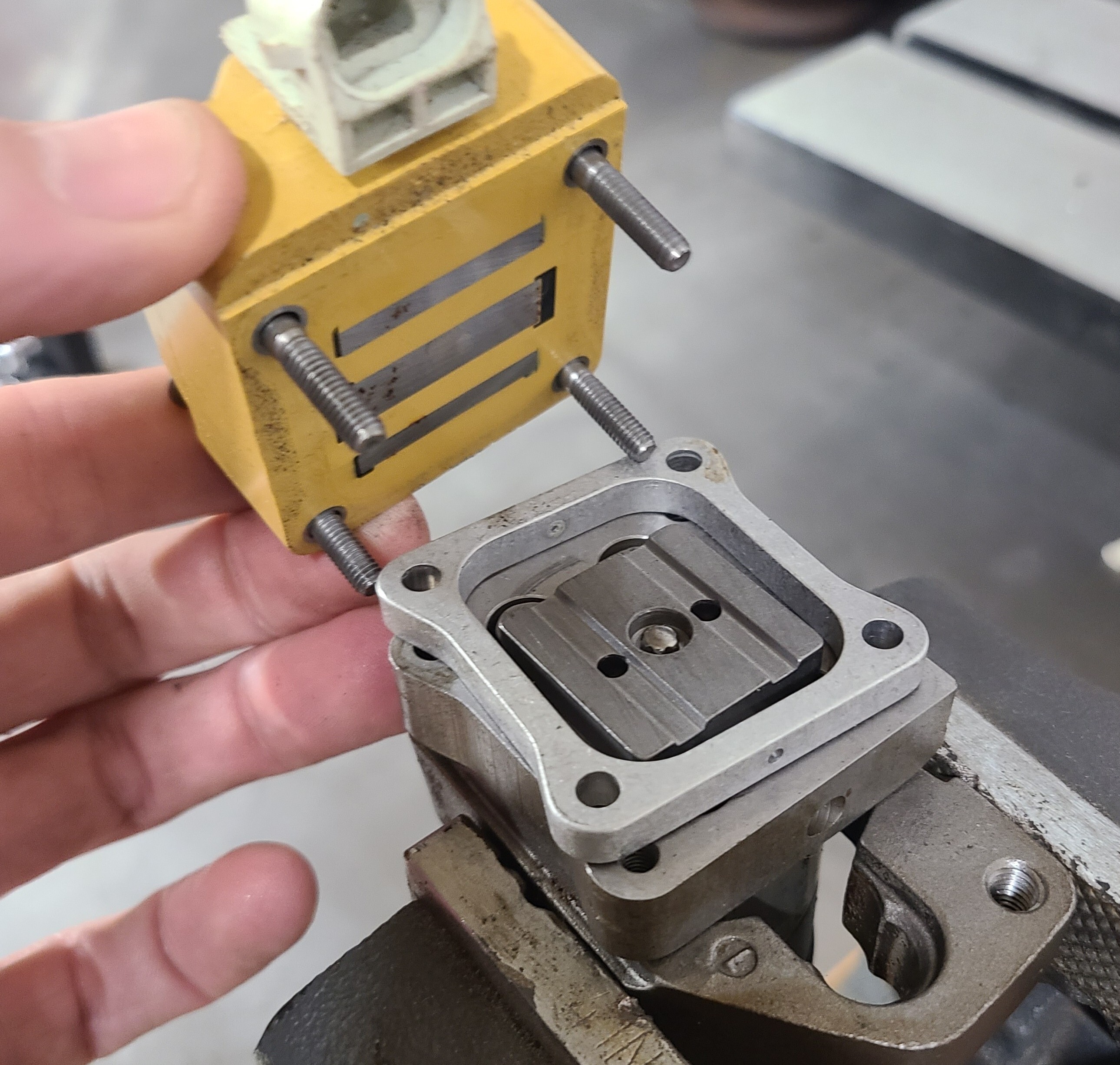
Injector Pulse Width
Why it matters:
Pulse width tells you whether the PCM is actually commanding fuel. No command, no fire.
What to watch:
Pulse width is one of the key hard-start/no-start scan readings. 0 ms means no sync, while 1994–1997 trucks should show about 0.42 ms and 1999–2003 trucks about 0.60 ms while waiting for ICP to reach minimum pressure. Once minimum ICP is reached, pulse width should change to roughly 1–6 ms.
What bad readings mean:
No pulse width can point toward a sync/CPS/IDM/PCM-side issue. Good pulse width with low ICP points you back toward oil pressure. Good pulse width and good ICP? Now you’re looking harder at fuel, glow plugs, compression, or injectors.
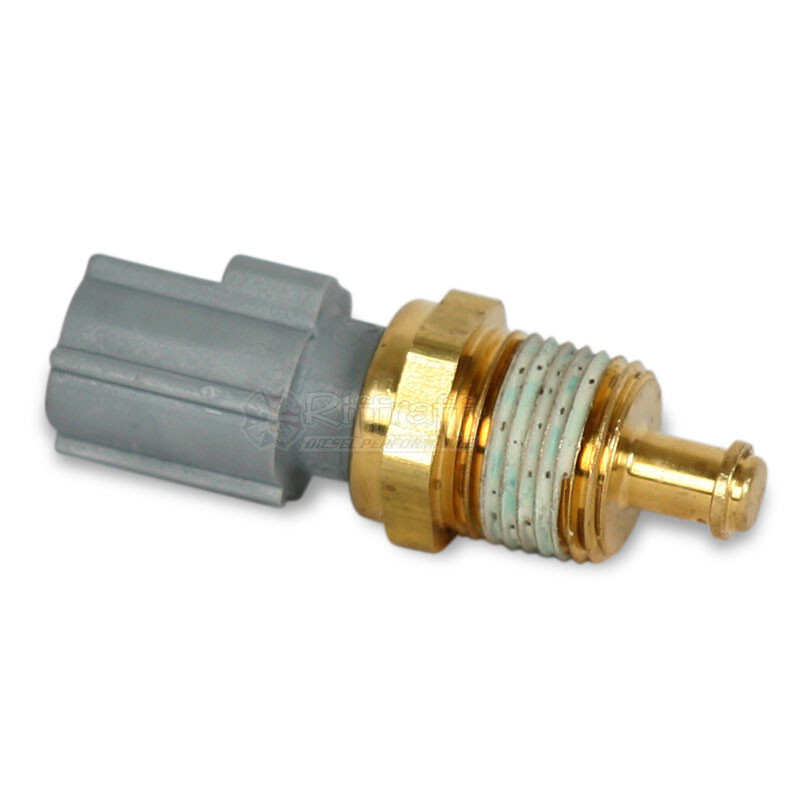
Engine Oil Temperature (EOT)
Why it matters:
The 7.3 injection system lives and dies by oil. Cold thick oil, hot thin oil, dirty oil, and aerated oil all change how the truck starts and runs.
What to watch:
Watch EOT when comparing ICP and IPR readings. As engine oil temperature increases, engine RPM, ICP, and IPR duty cycle will typically decrease after warm-up.
What bad readings mean:
A truck that starts cold but not hot often points toward IPR issues, injector O-rings, injector poppet problems, or HPOP wear. This is a common pattern on 7.3 trucks.
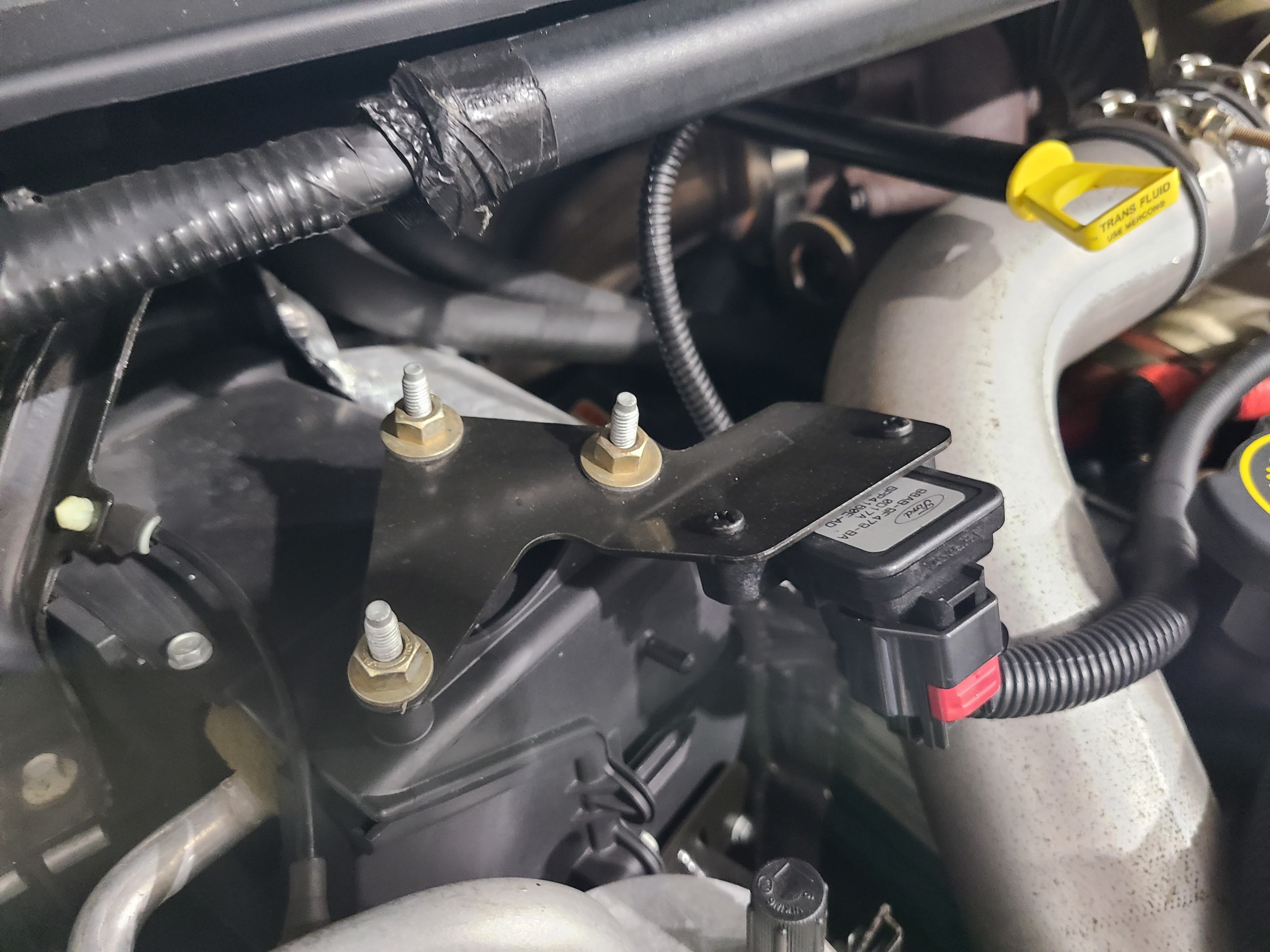
MAP / Boost Reading
Why it matters:
Low power and black smoke are often low-boost problems, not “needs injectors” problems.
What to watch:
MAP (Manifold Absolute Pressure) is usually displayed as absolute pressure, not gauge boost. That means you subtract the key-on/engine-off MAP reading from the wide-open-throttle MAP reading to get actual boost. Minimum net boost should around 13 PSI for 1994–1997 trucks (around 18 max boost) and 16 PSI for 1999–2003 trucks (around 20 max boost) under hard acceleration.
What bad readings mean:
Low MAP with normal EBP (see below) usually points toward a boost leak at the intercooler boots, plenums, or manifold area. Excessive black smoke would also point to excess fuel/low boost. We also recommend checking up-pipes, intercooler boots, air filter condition, MAP hose condition, and the MAP pigtail.
EBP and BARO Readings
Why it matters:
The exhaust back pressure sensor affects how the PCM manages warm-up, fueling, and timing. A bad reading can make the truck sluggish, smoky, inefficient, or weird when cold.
What to watch:
At key-on/engine-off (KOEO), EBP, MAP, and BARO should be close to each other because they are all seeing atmospheric pressure. Those three readings should be within about 0.2 PSI KOEO before continuing diagnosis.
What bad readings mean:
The most common EBP-related problem is not usually the sensor itself; it is the soot-clogged backpressure tube. A clogged tube can make the sensor read low or only show atmospheric pressure. Clean it out, or get a new one (HERE and HERE).
Bonus Reading: Transmission Temperature
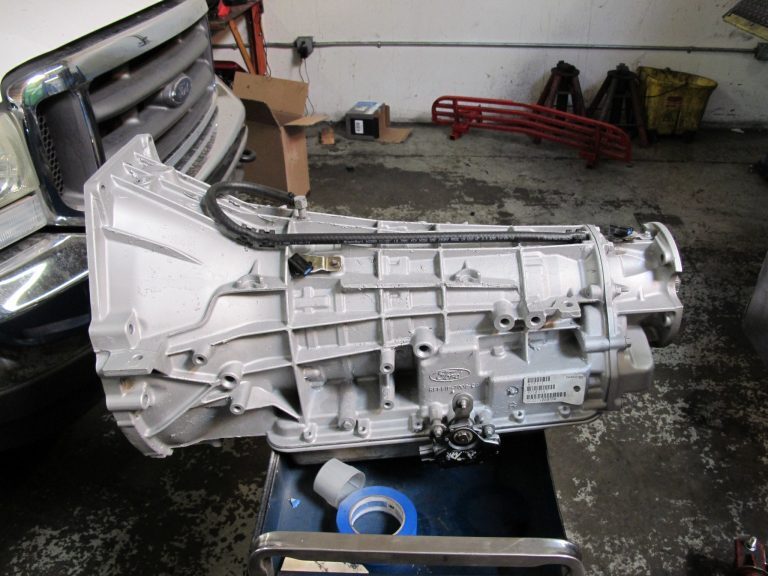
This one is not engine management, but if your 7.3 has an automatic and you tow, watch it. Heat is the number one enemy of an automatic transmission. Around 225 degrees Fahrenheit is when ATF actively starts degrading, big problems come soon after. Keeping the temps below that is imperative for longevity. If the trans temp keeps climbing under load, do not ignore it. Fluid, cooler flow, fan/clutch performance, converter slip, load, gearing, and cooler size all matter.
If you tow or haul heavy, a cooler upgrade can drop temps by 20–60 degrees Fahrenheit depending on setup.
Final Thoughts
A 7.3 owner with a decent scan tool and a basic understanding of live data is already ahead of half the internet.
- Watch RPM.
- Watch voltage.
- Watch ICP.
- Watch IPR.
- Watch pulse width.
- Watch oil temperature.
- Watch MAP, EBP, and BARO together.
And remember: fuel pressure is not a scan-tool reading on a 7.3. It has to be checked with a mechanical or digital gauge, not through the PCM.
The 7.3 usually tells you what’s wrong. You just have to stop guessing long enough to listen.
Disclaimer: The information provided on this blog is for informational purposes only. We share our knowledge and experience, but we are not liable for any damages, injuries, or losses that may occur as a result of using this information. Situations are rarely cut and dry in the automotive world. Your situation will likely be somewhat different than what we describe here. Use your best judgment and always consult a qualified professional for automotive repairs and modifications. Your safety is your responsibility.