
6.0L Powerstroke Cold Weather Starting Problems: No-Start vs. Hard Start
Oct 30th 2026
Quick Answer
If a cold 6.0L cranks but won't start, check the batteries and cranking speed, glow plug system, fuel supply, FICM, and high-pressure oil system first.
If it eventually starts but takes too long, look harder at weak glow plugs, marginal batteries, injector stiction, weak FICM output, heavy engine oil, or low compression.
Watch the exhaust too
- White fuel-smelling smoke: Fuel is probably reaching the cylinders but isn't lighting cleanly.
- Little or no smoke: Start looking at fuel delivery, high-pressure oil, FICM/injector operation, or crank/cam synchronization.
Now, let's dig a little deeper.
We'll break things down into two common cold-start problems: No Start and Hard Start. Unfortunately, cold-start issues aren't always caused by a single failing component. Sometimes it's a combination of problems, and the list of possible causes can get pretty long. This guide should help narrow things down and point you in the right direction. Be sure to check out the related articles at the bottom of the page for additional information that can help with your diagnosis.
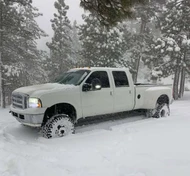
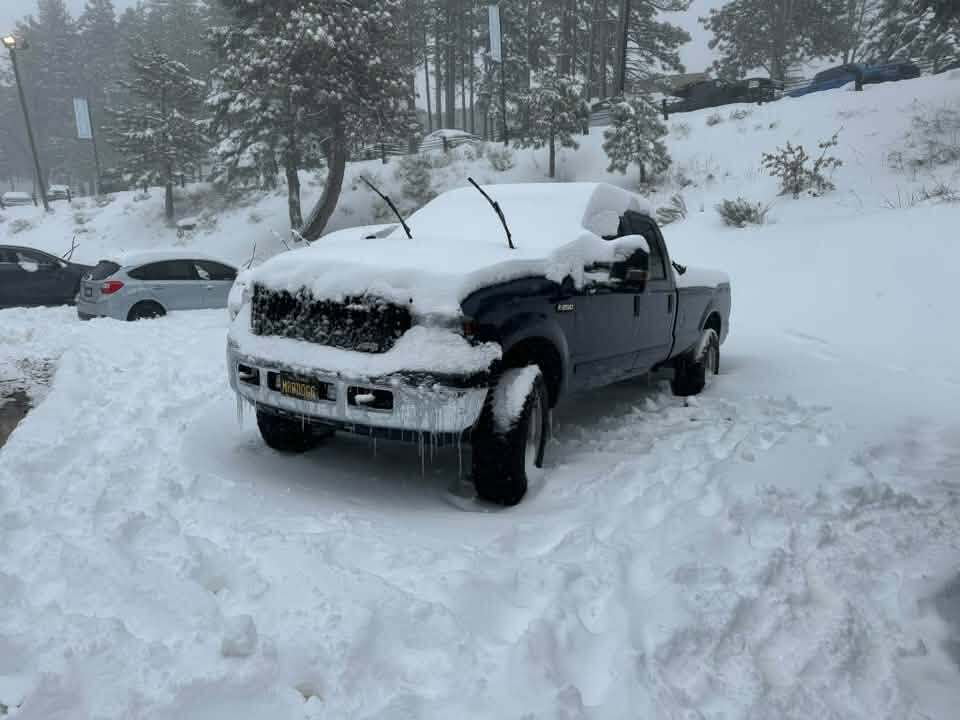
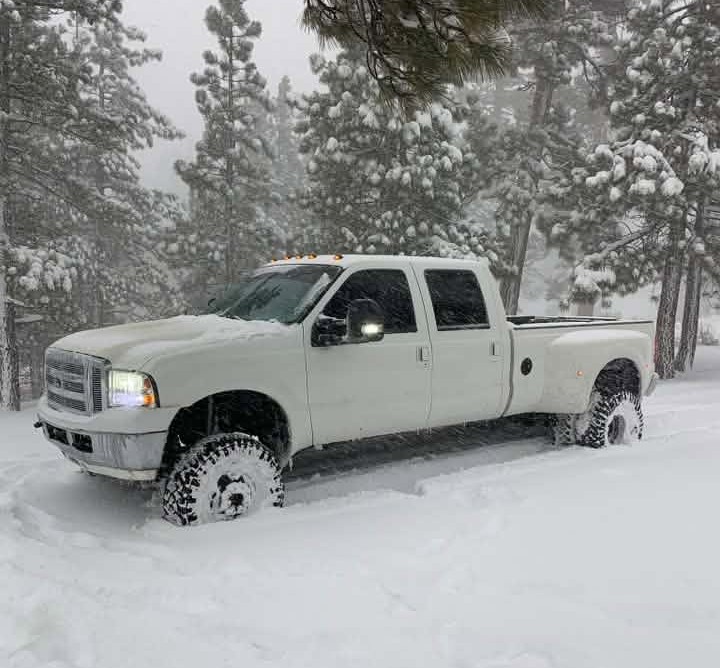
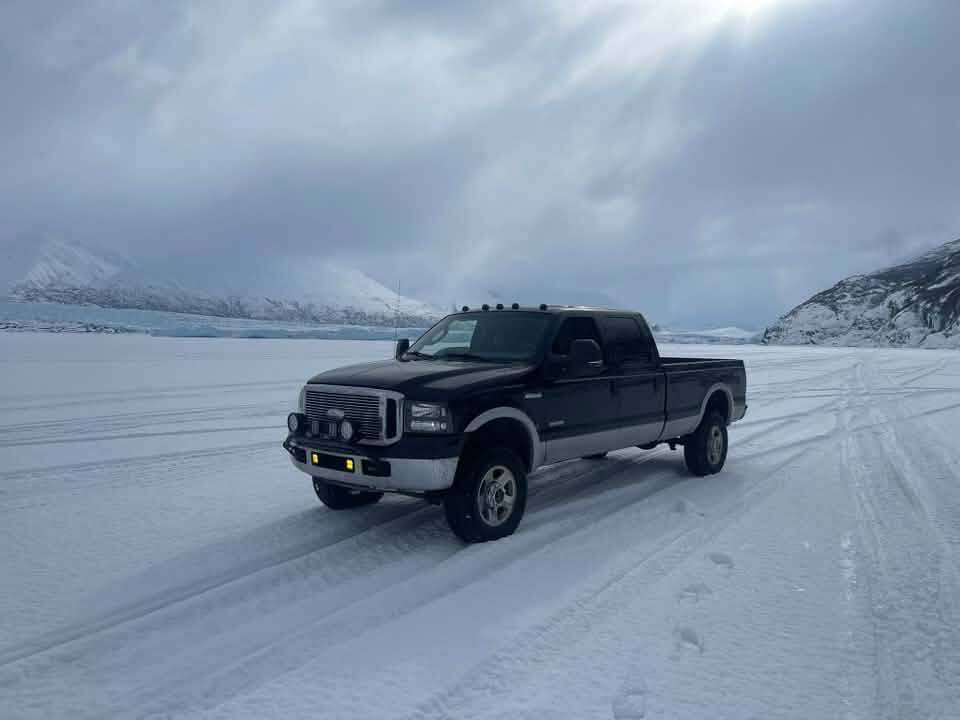
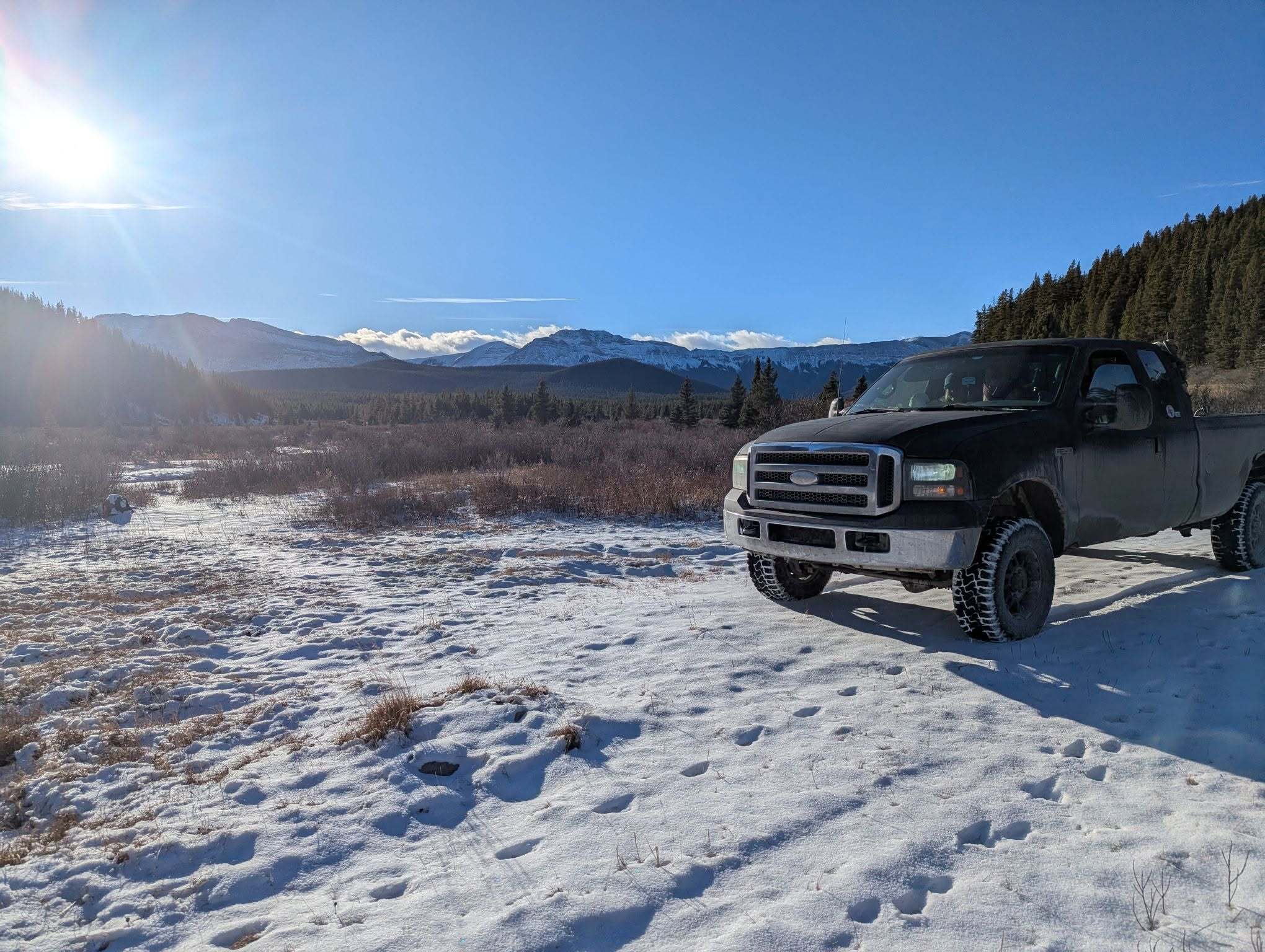
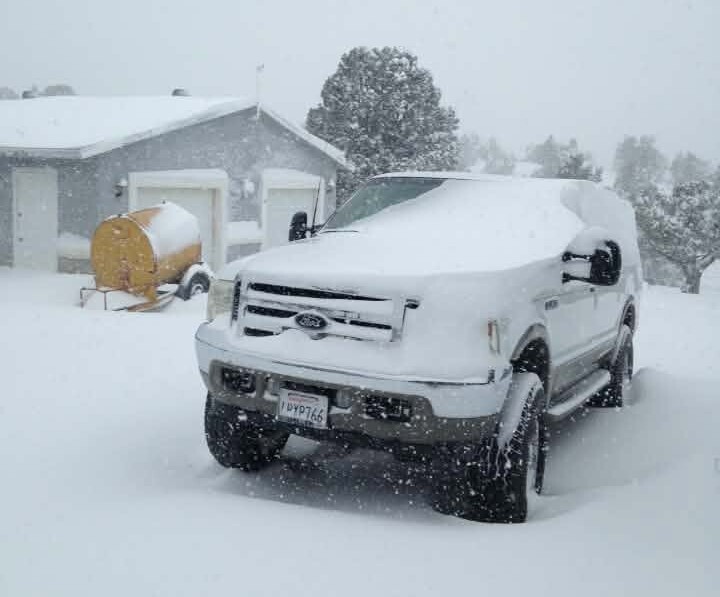
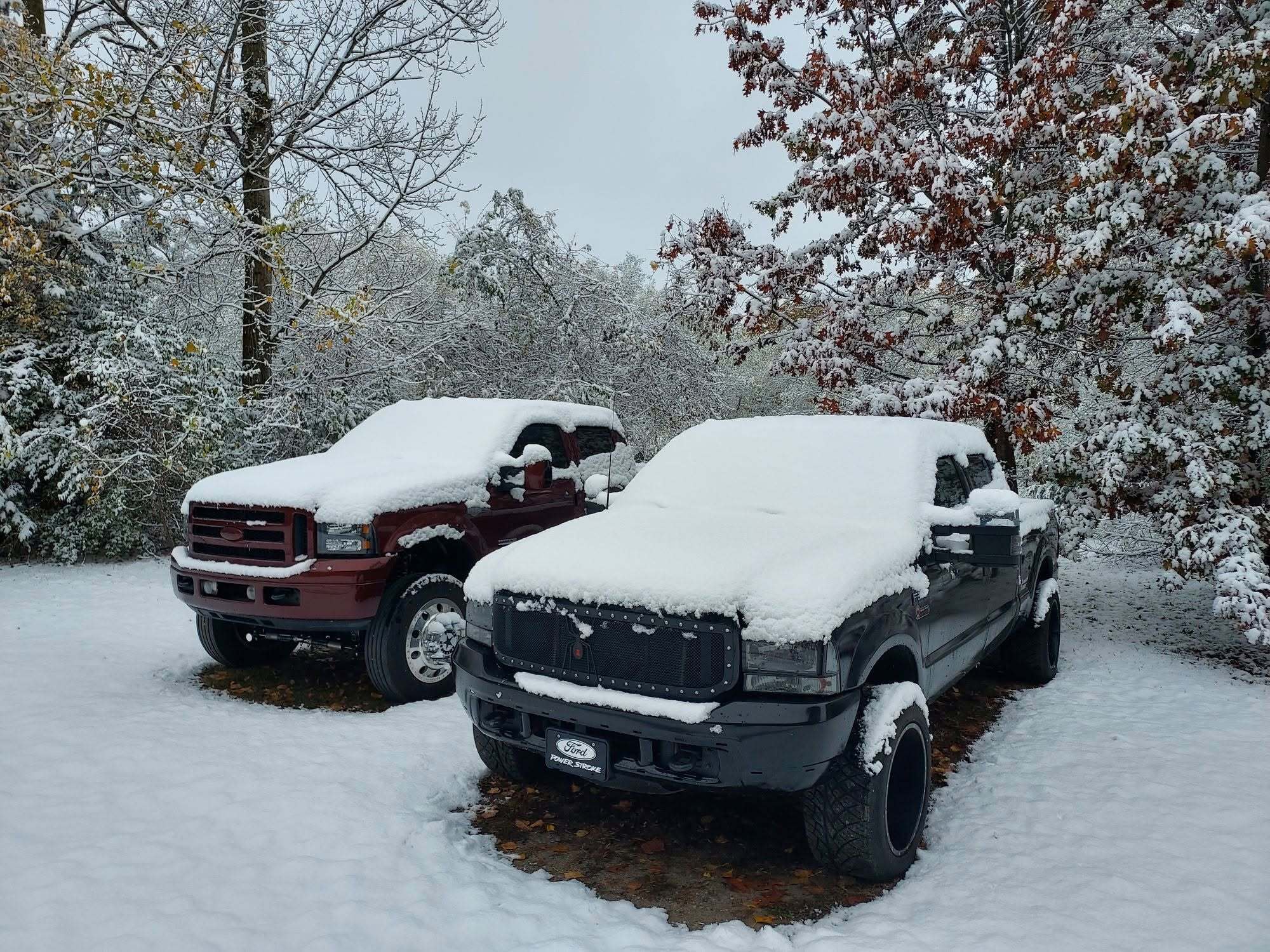
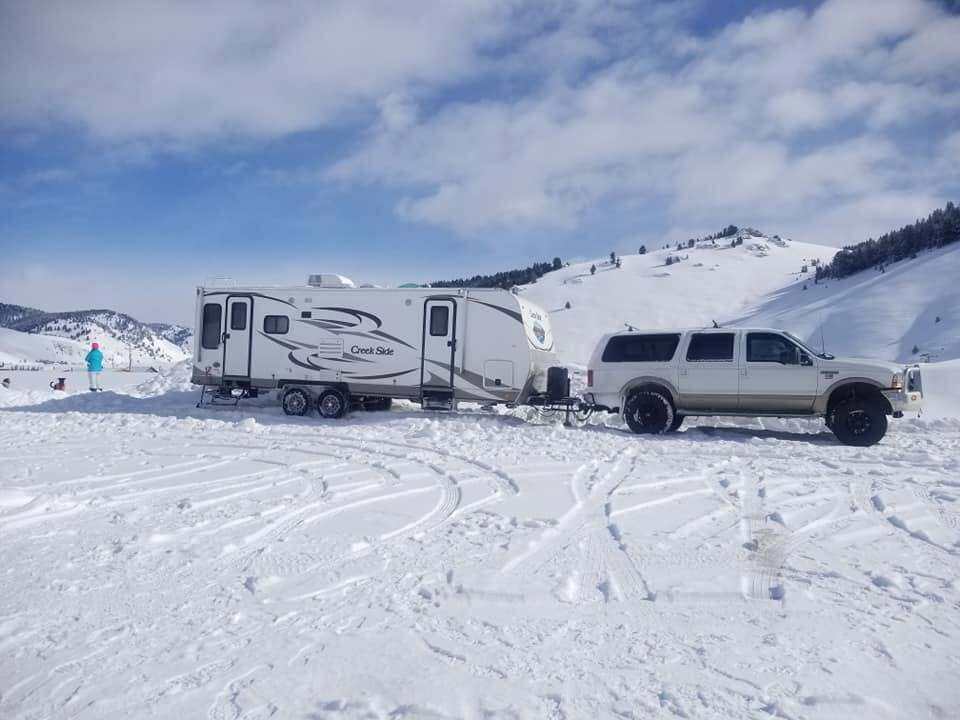
And a huge thank you to everyone on Facebook who shared photos of their trucks for this article!
Cold No-Start Problems
These are the problems that can leave a 6.0L cranking without ever firing, once temperatures drop.
1. Glow Plug System Isn't Working
In warm weather, a weak glow plug system may barely be noticeable. Once temperatures fall, it can become the difference between starting and not starting at all.
Common clues:
- Cranks normally but won't start cold
- Heavy white smoke while cranking
- Starts much easier when plugged in
- Starts once outside temperatures warm up
- Rough, smoky running if it finally catches
Failed glow plugs, GPCM problems, and harness issues are all common.
2. Weak Batteries or Slow Starter
The 6.0L is extremely sensitive to cranking speed and voltage. Cold batteries lose output while cold oil makes the starter work harder. At the same time, the FICM, PCM, and high-pressure oil system all need the engine turning fast enough to do their jobs.
Check:
- Both batteries
- Battery cables
- Grounds
- Starter condition
- Charging system
A truck can sound like it's cranking normally and still be turning too slowly.
3. Fuel Gelling or Frozen Water
Cold fuel can stop an otherwise healthy 6.0L. Paraffin wax can plug the primary or secondary fuel filter, while water collected in the HFCM can freeze and restrict fuel flow.
Typical symptoms include
- Starts and dies
- Surging
- Loss of power before shutdown
- No-start after sitting in extreme cold
- Wax or cloudy fuel in the filters
If the fuel has already waxed, warm the system and inspect the filters. Preventative anti-gel works best before the fuel gets cold.
4. FICM Problems
The Fuel Injection Control Module supplies the electrical power needed to operate the injectors. Low voltage to the FICM will exacerbate weak FICM issues.
A weak FICM can cause:
- Crank/no-start
- Rough cold starts
- Misfires
- White smoke
- Rough running until warm
Don't immediately blame the injectors for a rough, smoky cold start. Make sure the FICM and truck-side electrical system are healthy first.
5. High-Pressure Oil System Problems
The 6.0L uses high-pressure engine oil to operate the injectors. If the system can't build enough pressure, the engine won't start.
Common failure points include:
- IPR problems
- ICP sensor or wiring
- HPOP failure
- Injector oil seals
- Standpipes and dummy plugs
- STC fitting on later engines
- Other internal high-pressure oil leaks
These problems often show up as hot no-starts first because thinner hot oil leaks more easily, but a large enough leak can cause a cold no-start as well.
Hard or Prolonged Cold Starts
These trucks eventually start, but something isn't doing its job as well as it should.
1. Weak Glow Plugs or GPCM
You don't need all eight glow plugs to fail before cold starting suffers.
A few weak or dead plugs can cause:
- Long cranking
- White smoke
- Rough initial idle
- Several cylinders taking longer to come online
As temperatures drop, the symptoms usually get worse.
2. Injector Stiction
This is a big one on the 6.0L. The HEUI injectors contain spool valves that depend on clean engine oil and extremely small internal clearances. Deposits and varnish can make those valves stick, especially when the oil is cold and thick.
Typical symptoms include:
- Long cold crank
- Rough idle after startup
- Heavy white smoke
- Misfires that disappear as the engine warms
- Truck runs normally once hot
If a 6.0L runs terrible for the first minute and then cleans up completely, injector stiction moves pretty high on our list.
3. Marginal Batteries or Starter
A borderline electrical system may still start the truck, just not quickly.
The slower the engine turns, the longer it takes to build high-pressure oil and get everything else working.
Cold weather simply makes the weakness easier to see.
4. Weak FICM
A FICM doesn't have to fail completely.
A weak power supply can cause long cranking, rough cold running, misfires, and symptoms that look a lot like injector stiction.
Check the electrical side before buying injectors.
5. Oil That's Too Heavy for the Temperature
While this is less likely a cold start cause in the continental United States (most of it, at least), in much colder climates the oil you use in the summer may be too heavy for the winter.
Very cold or overly heavy oil can:
- Slow cranking
- Increase starter load
- Slow high-pressure oil response
- Make injector stiction worse
Using the correct oil viscosity for the temperatures the truck sees can make a noticeable difference in winter.
6. Worn or Sticking Injectors
Not every cold-start injector problem is just stiction.
Note: These symptoms can also apply to some large performance injectors. Theres a trade off in flow, and atomization with larger injectors. Some may be simply too large to atomize teh fuel correctly in very cold temperatures.
Injector wear can also cause:
- Long crank
- Uneven firing
- White smoke
- Rough cold idle
- One cylinder that stays weak longer than the others
If the electrical system, glow plugs, and high-pressure oil system are doing their jobs, injector condition moves higher on the list.
7. Low Compression
A diesel needs compression heat to light the fuel. Worn rings, cylinder wear, or valve sealing problems may not cause much trouble once the engine is warm, but cold weather can expose them quickly.
Think compression when the glow plug system, batteries, FICM, fuel supply, and injectors have all been ruled out but cold starting is still terrible.
Watch the Exhaust While Cranking
This is still one of the easiest clues.
White, Fuel-Smelling Smoke: Fuel is probably reaching the cylinders but isn't burning correctly.
Think:
- Glow plugs or GPCM
- Injector stiction
- Slow cranking
- Weak FICM
- Low compression
If the white smoke smells sweet instead of like raw diesel and continues after startup, that's a different problem. Start thinking about coolant and the EGR cooler.
Little or No Smoke: Now start asking whether fuel is actually being injected.
Think:
- Fuel supply
- High-pressure oil
- FICM/injector operation
- Crank/cam sync
Does the Block Heater Fix It?
That's useful information. If a truck that barely starts cold, but fires right up after being plugged in, look hardest at:
- Glow plug system
- Injector stiction
- Oil viscosity
- Cranking speed
- Compression
The block heater isn't usually fixing anything. It's just making a marginal system's job easier.
Where We'd Start
For a cold 6.0L that won't start or takes forever to start, we'd begin with:
- Batteries and starter
- Glow plugs and GPCM
- Fuel supply and filters
- FICM
- High-pressure oil system
If those check out, move deeper into injector condition and compression.
The Bottom Line
A cold no-start usually means the 6.0L is completely missing something it needs to fire: enough cranking speed, cylinder heat, fuel, FICM/injector operation, or high-pressure oil.
A hard cold start usually means one of those systems is still working, just not very well.
Start with batteries and the glow plug system. Then work through fuel supply, FICM, high-pressure oil, injectors, and compression.
Related Riffraff Diesel Articles
Common Hard Start Issues: 6.0L Powerstroke: https://www.riffraffdiesel.com/blog/common-hard-start-issues-60l-powerstroke/
The Glow Plug System: Common Issues, Codes, On-Times, and More: https://www.riffraffdiesel.com/blog/the-glow-plug-system-common-issues-codes-ontimes-and-more/
6.0L Powerstroke ICP Sensor: How It Works, Failure Symptoms, Codes, and Diagnosis: https://www.riffraffdiesel.com/blog/60l-powerstroke-icp-sensor-how-it-works-failure-symptoms-codes-and-diagnosis/
Diagnosing HPOP Issues on the 7.3L & 6.0L Powerstrokes: https://www.riffraffdiesel.com/blog/diagnosing-hpop-issues-on-the-73l-60l-powerstrokes/
Diesel Fuel Gelling and Waxing: Symptoms, Prevention, and How to Fix It: https://www.riffraffdiesel.com/blog/diesel-fuel-gelling-and-waxing-symptoms-prevention-and-how-to-fix-it/
***Disclaimer: The information provided on this blog is for informational purposes only. We share our knowledge and experience, but we are not liable for any damages, injuries, or losses that may occur as a result of using this information. Situations are rarely cut and dry in the automotive world. Your situation will likely be somewhat different than what we describe here. Use your best judgment and always consult a qualified professional for automotive repairs and modifications. Your safety is your responsibility.