
6.0L Powerstroke ICP Sensor: How It Works, Failure Symptoms, Codes, and Diagnosis
Aug 24th 2026
The ICP sensor is one of the first things we look at when a 6.0L Powerstroke has a hard start, hot no-start, rough idle, or unexplained surging. ICP stands for Injection Control Pressure. The 6.0L uses high-pressure engine oil to operate the HEUI injectors. The ICP sensor tells the PCM how much pressure is actually in that system. The PCM compares actual ICP to desired pressure and adjusts the IPR valve to get them to match. So, the HPOP makes the oil flow. IPR controls the pressure. ICP tells the PCM what the pressure actually is. Knowing each parts duty is important when diagnosing.
Here's the quick and dirty on ICP issues for the 6.0L Powerstroke.
Common ICP Sensor Symptoms
A failing ICP sensor or connector can cause:
- Extended cranking
- Hot or cold no-start
- Rough or unstable idle
- Surging
- Stalling
- Hesitation
- Poor throttle response
- Intermittent loss of power
- Check-engine light
The easiest signal, oil inside the ICP electrical connector. When the sensor fails internally, engine oil can migrate through the sensor and into the connector.
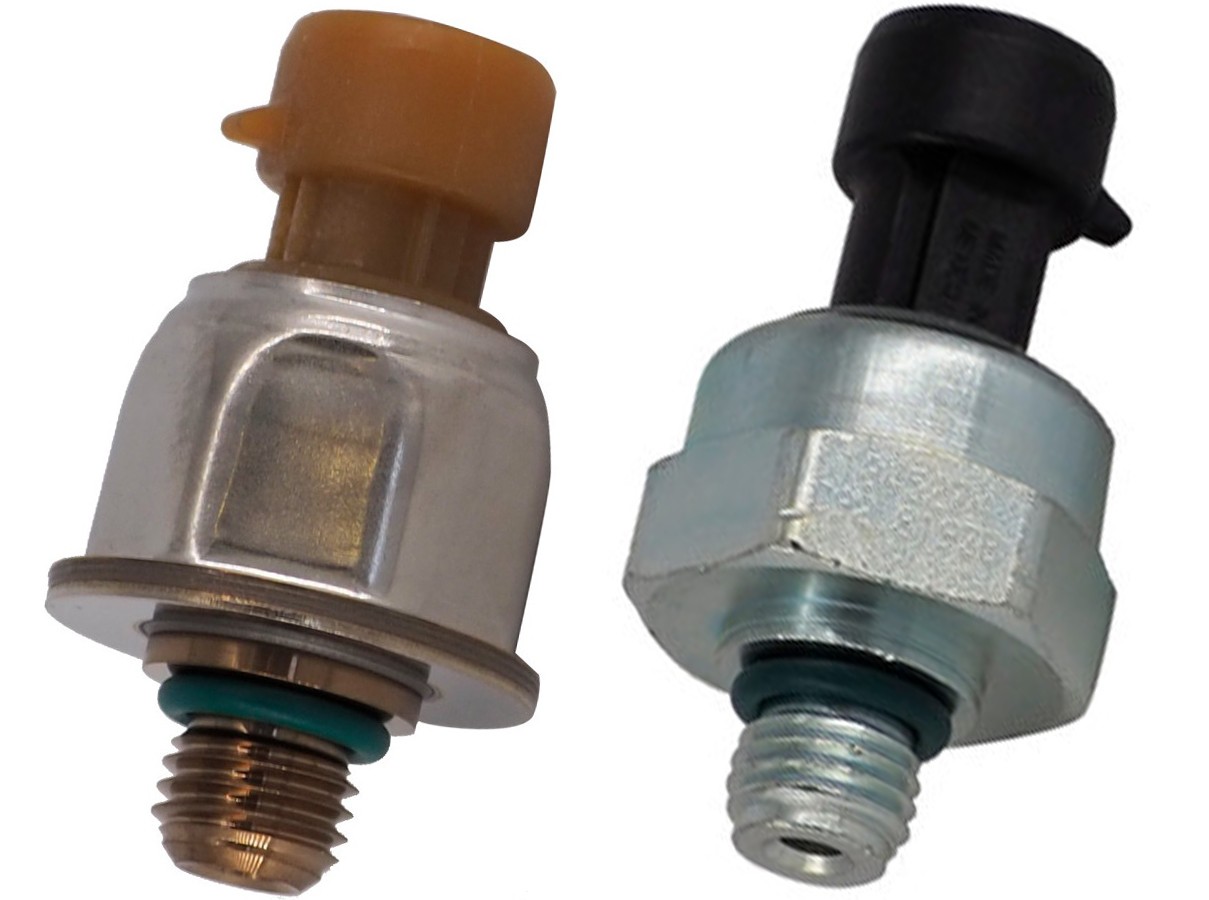
2003 to Early 2004 Is Different Than Later Models
Early 6.0L engines put the ICP sensor at the rear of the engine in the HPOP cover, basically underneath the turbo and up-pipe collector. It's a harsh environment for an electrical sensor. Heat from the turbo and exhaust cooks the sensor, connector, and wiring. These early sensors are also well known for leaking oil into the connector and becoming intermittent. Ford eventually moved the ICP sensor to the passenger-side valve-cover area during the 2004 model-year transition.
NOTE: Because 2004 was a changeover year, look at the engine before ordering the sensor. Don't rely on the model year alone, or even the build date.
Parts Links:
2003 to early 2004 ICP Sensor: 3C3Z-9F838-A
Late 2004 to 2007 ICP Sensor: 4C3Z-9F838-B
ICP Codes
P2284: ICP Sensor Range/Performance
The ICP signal doesn't make sense compared with what the PCM expects. This can be the sensor, wiring, or an actual high-pressure oil problem.
P2285: ICP Sensor Circuit Low
This is more of an electrical clue. Check the ICP sensor, connector, 5-volt reference, signal circuit, and wiring.
P2286: ICP Sensor Circuit High
Same idea, but more specifically it usualy means an open circuit. This could be a connector problem, damaged wiring, or a failed sensor.
P2290: ICP Too Low
Actual high-pressure oil pressure is lower than commanded. This doesn't automatically mean the ICP sensor is bad. The sensor may be correctly telling you that the engine realy isn't making enough pressure.
P2291: ICP Too Low While Cranking
This one commonly shows up with a crank/no-start. Start looking at the entire high-pressure oil system, not just the sensor.
The 500 PSI Number
A 6.0L needs roughly 500 PSI of ICP while cranking before it will start. If you're cranking significantly below that, you have a high-pressure oil problem to diagnose. Of course, it could be the ICP sensor lying, but it can also be an IPR problem, HPOP problem, STC fitting, standpipe, dummy plug, injector seal, rail seal, or another internal oil leak.
A Propper Scan Tool is Key
Don't diagnose ICP pressure by itself. Watch ICP and IPR together. Look at:
- ICP pressure
- ICP voltage
- IPR duty cycle
- Cranking RPM
During cranking, ICP needs to get above roughly 500 PSI.
ICP voltage should climb to around 0.8 volt or higher as pressure builds.
Then look at IPR duty cycle. If ICP stays low while the PCM commands IPR toward 85%, the computer is trying hard to build pressure and isn't getting it. Start looking for an actual high-pressure oil leak, IPR problem, or weak HPOP rather than immediately blaming the sensor. That relationship tells you a lot more than ICP alone.
The Unplug Test
This is one of the easiest ICP tests on a 6.0. If the truck is hard starting, surging, or won't start at all, unplug the ICP sensor and try it again.
With the sensor disconnected, the PCM swaps in a calculated/default ICP value. If the truck suddenly starts or runs considerably better, the ICP sensor or its circuit becomes a strong suspect. And, because we hear this all the time, do not consider the truck is good to go with an unplugged ICP. Keep digging.
One important detail: don't trust the ICP PSI displayed on your scan tool with the sensor unplugged. You're looking at a substituted value, not an actual pressure measurement.
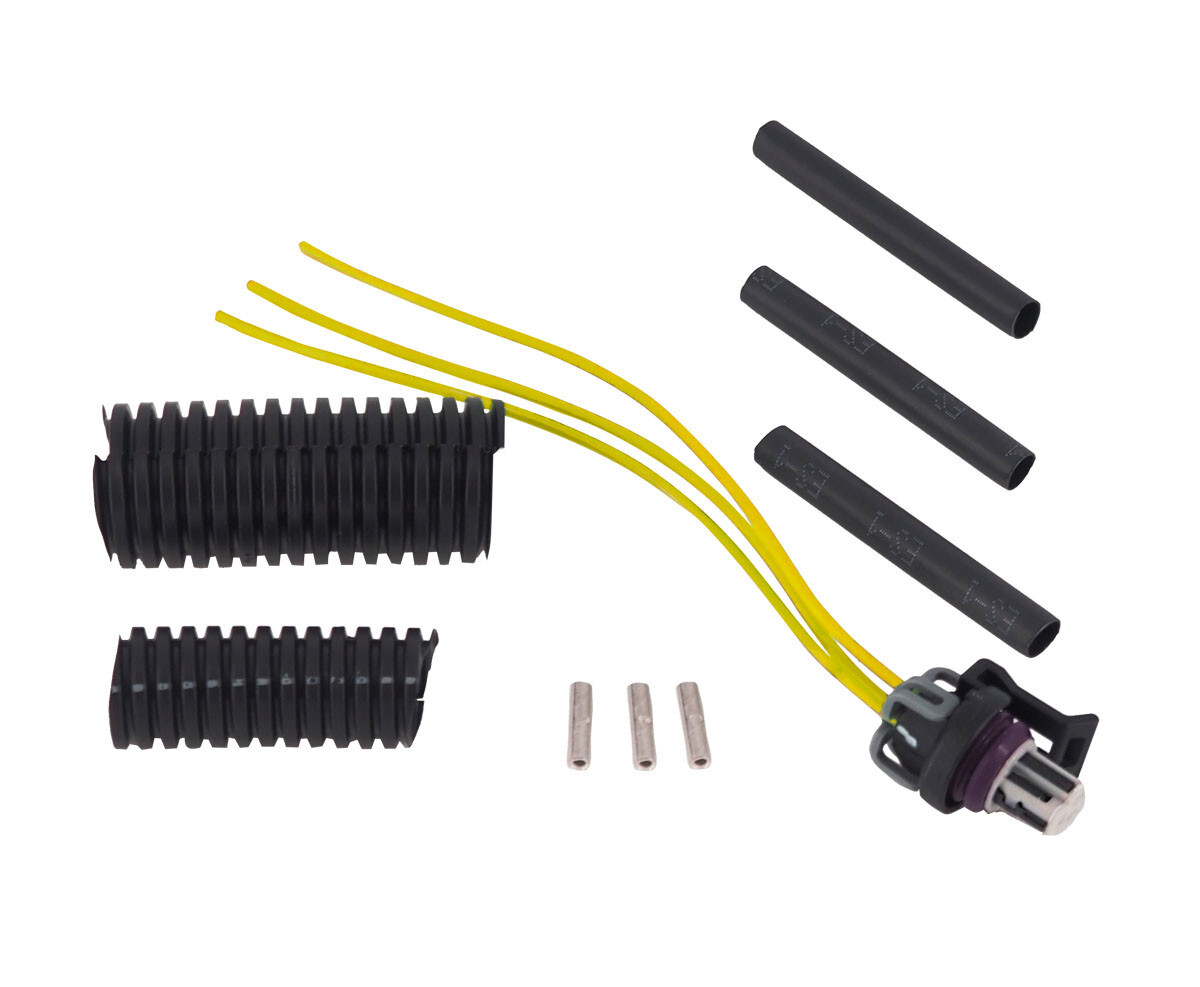
Check the Connector
Especially on an early engine, unplug the sensor before swapping parts. Look for:
- Oil inside the connector
- Brittle wiring
- Melted or damaged insulation
- Loose terminals
- Broken connector lock
- Corrosion
If the connector is oil-soaked or damaged, replacing a sensor and plugging it back into the old connector can cause other issues. We carry the Motorcraft ICP/EBP Pigtail Harness, AU2Z-14S411-LB, for that reason. Check teh wiring close to it as well. These trucks aren't new anymore. Wiring is always suspect.
When the ICP Sensor Isn't the Problem
This is where a lot of 6.0 diagnosis goes astray. Low ICP can also come from:
- IPR valve or damaged IPR screen
- Weak HPOP
- STC fitting leak on later engines
- Standpipe or dummy-plug seals
- Injector top O-rings
- High-pressure rail leaks
- Low or aerated engine oil
If ICP is low and IPR is maxed out, an air test of the high-pressure oil system is usually the next move. Pressurizing the system and listening for air under the valve covers or at the rear of the engine can quickly expose a leak.
Replacing the ICP Sensor
Later engines are easy. The sensor is up front around the passenger-side valve-cover area. Pull and replace.
The 2003 to early 2004 sensor is another story. It's buried behind the turbo, replacing the connector at the same time is recomended if there's any sign of heat or oil damage. If you're replacing teh pigtail, take note of where each wire goes. The replacement pigtails don't usually have the same matching wire colors.
The ICP sensor torque specification is only 106 lb-in. That's inch-pounds, not foot-pounds. Don’t overtighten it. That’s how sensor damage and leaks start, if not worse, stripped threads.
The Bottom Line
If a 6.0L has a hard start, no-start, surge, or unstable idle, start by scanning ICP pressure, ICP voltage, and IPR duty cycle together.
Oil in the connector, an erratic ICP signal, or a truck that suddenly runs better with the ICP unplugged points toward the sensor or wiring.
But if ICP won't reach roughly 500 PSI and IPR is climbing toward 85%, keep digging. The ICP sensor may be telling you the truth, start looking for pressure supply issues and leaks.