
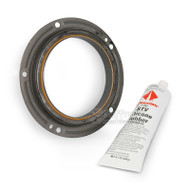
Top 10 7.3 Powerstroke Oil Leaks That Get Mistaken for a Rear Main Seal
Jun 2nd 2026
The 7.3L Powerstroke has a gift for making one leak look like another. Oil starts high, runs down the valley, follows the back of the block, coats the bellhousing, and suddenly everyone is yelling “rear main seal”, which is rarely the case. Rear main seals can leak, but on a 7.3, plenty of other leaks are more common and a lot easier to fix. Before you pull the transmission, check these first.
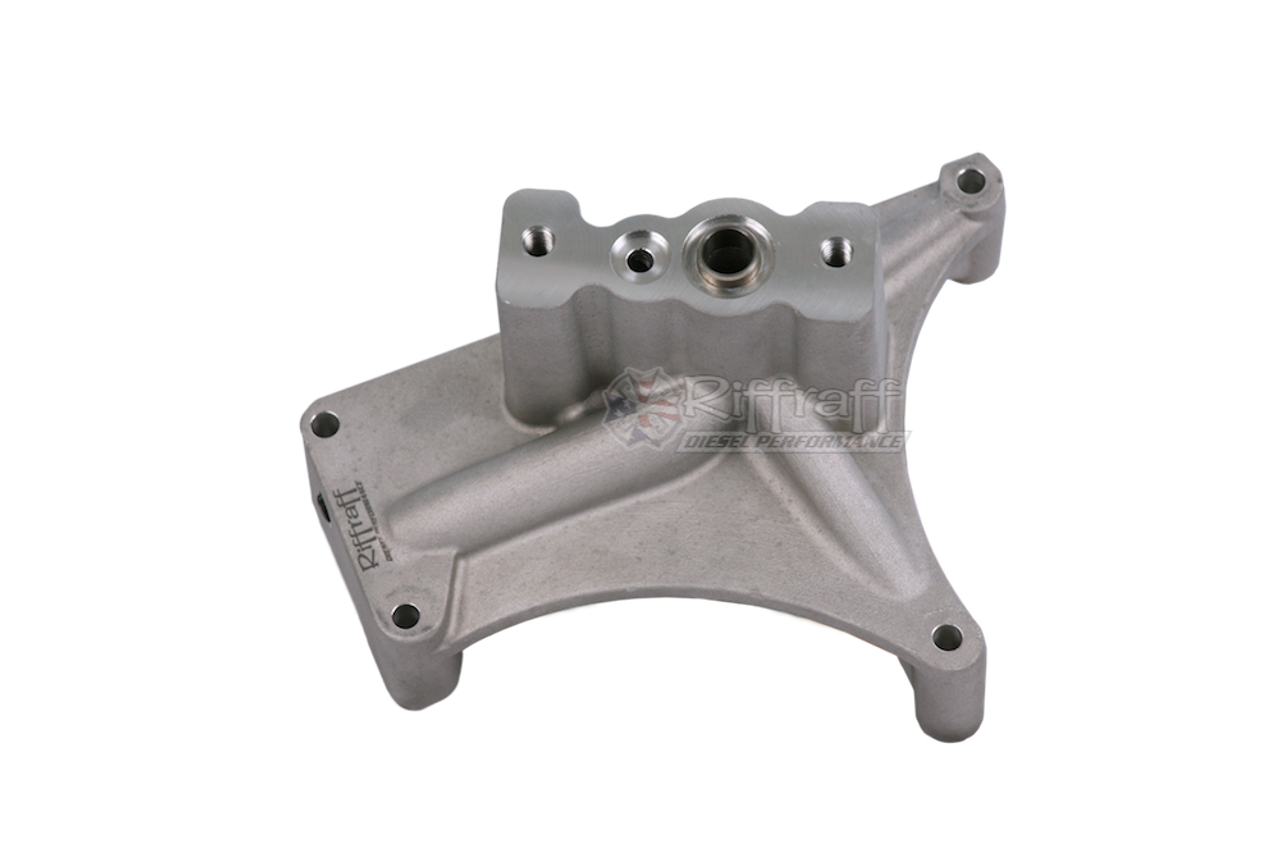
Turbo Pedestal O-Rings
Why it looks like a rear main: The turbo pedestal sits at the back of the engine, right where oil can run down the block and bellhousing.
The real problem: The pedestal uses oil feed and return passages sealed by O-rings. When those seals harden, oil can collect in the rear valley and drip down the back of the engine.
The fix: Remove the turbo and pedestal, then replace the pedestal O-rings or upgrade the pedestal if the EBPV setup is being deleted.
What you should notice: A dry rear valley, less oil on the bellhousing.
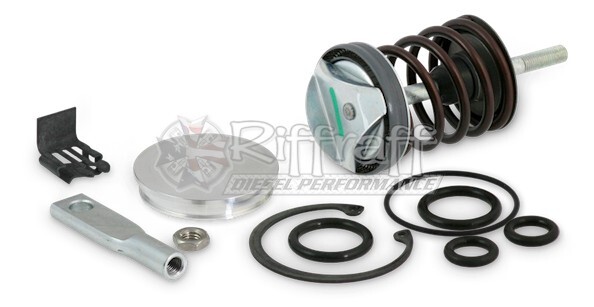
EBPV Actuator Leak
Why it looks like a rear main: The Exhaust Back Pressure Valve actuator is built into the pedestal area on many 7.3 trucks. When it leaks, oil runs down the same rear-engine path and gets blamed on the rear main.
The fix: Rebuild the EBPV pedestal, replace the pedestal, or eliminate the EBPV with a non-EBPV pedestal setup.
What you should notice: No more oil trail from the turbo pedestal area and a much cleaner back side of the engine.
HPOP Rear Plug Leak
Why it looks like a rear main: The HPOP sits in the valley. When it leaks, oil pools under the fuel bowl/HPOP area, then heads rearward and exits near the transmission inspection plate.
The real problem: The rear plug O-ring or serviceable plug seal can leak as the rubber ages and heat-cycles.
The fix: Reseal the HPOP with the proper O-ring kit. Riffraff’s 7 O-ring HPOP reseal kit includes Viton O-rings and adds four additional O-rings compared to the basic Ford kit.
What you should notice: Less oil pooling in the valley, less oil dripping off the bellhousing, and fewer false rear-main accusations.
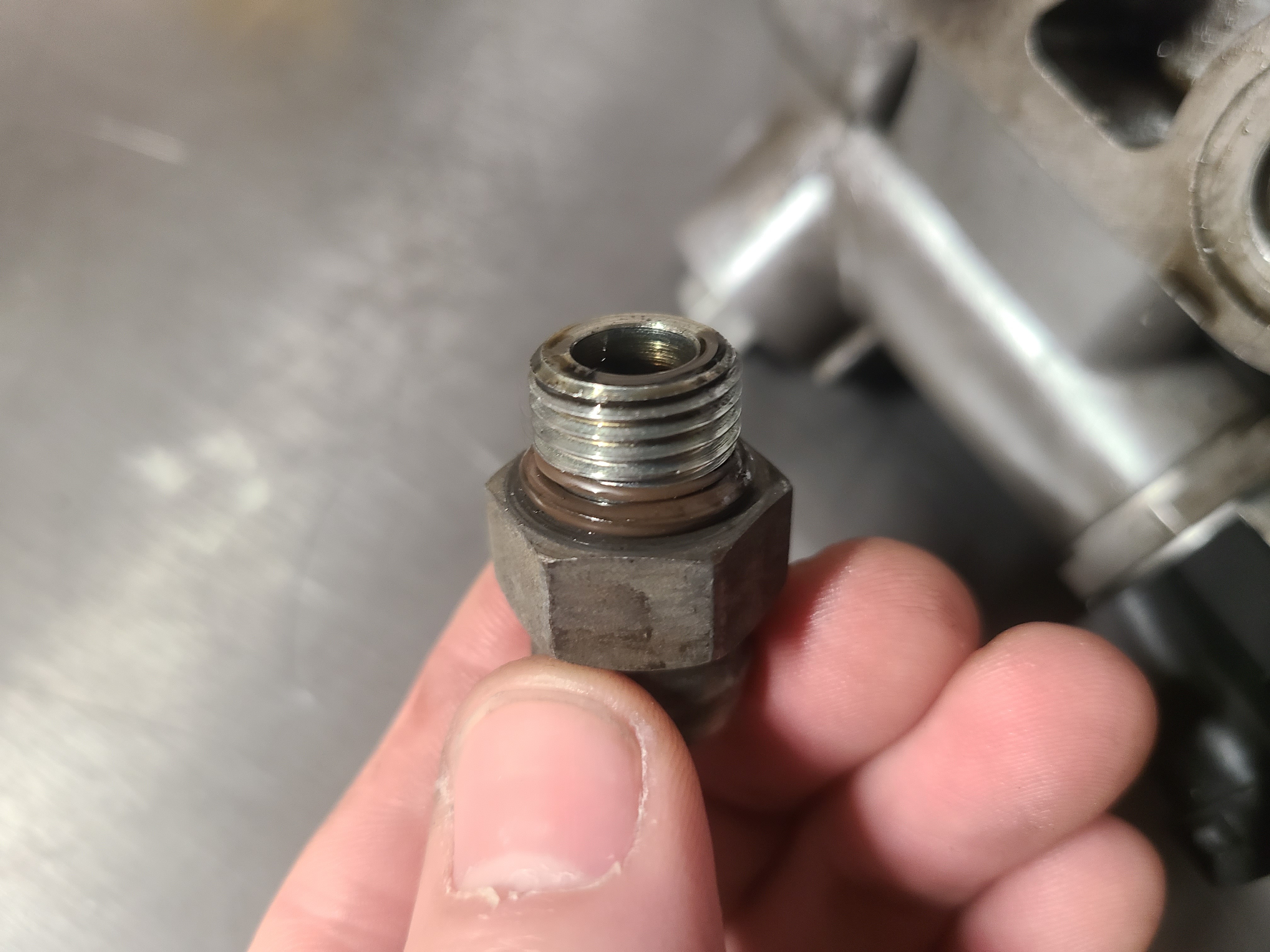
HPOP Line Fitting Leaks
Why it looks like a rear main: High-pressure oil line fittings are also, in the valley. A small leak up top can turn into a big oily mess underneath.
The real problem: The fittings or O-rings at the HPOP lines can seep or leak.
The fix: Inspect the HPOP fittings, reseal them, or upgrade the lines/fittings if needed. Riffraff JIC fittings provide a more reliable, leak-free connection for the high-pressure oil system.
What you should notice: Cleaner HPOP fittings, less oil in the valley, and more confidence that the high-pressure oil system is sealed.
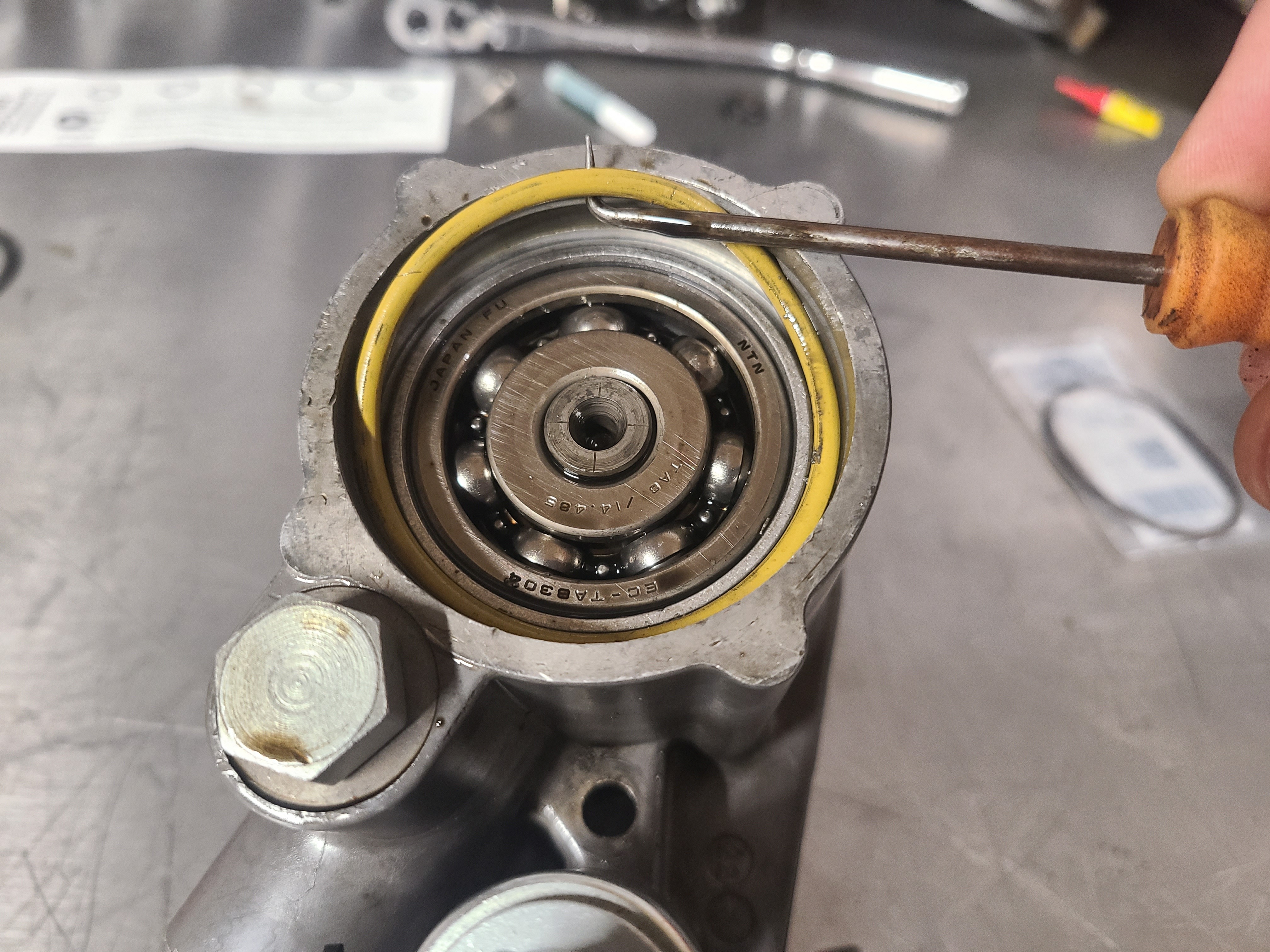
HPOP Rear Plate O-Ring
Why it looks like a rear main: Same story: oil starts in the HPOP area, runs rearward, and makes the bottom of the engine look guilty.
The real problem: The HPOP rear plate O-ring can leak and add to the valley mess. We offer the HPOP Rear Plate O-ring Seal separately due to how common this failure is.
The fix: Replace the rear plate O-ring while resealing the HPOP or any time the leak path points to the back of the pump.
What you should notice: A drier pump area and less oil traveling toward the rear of the block.
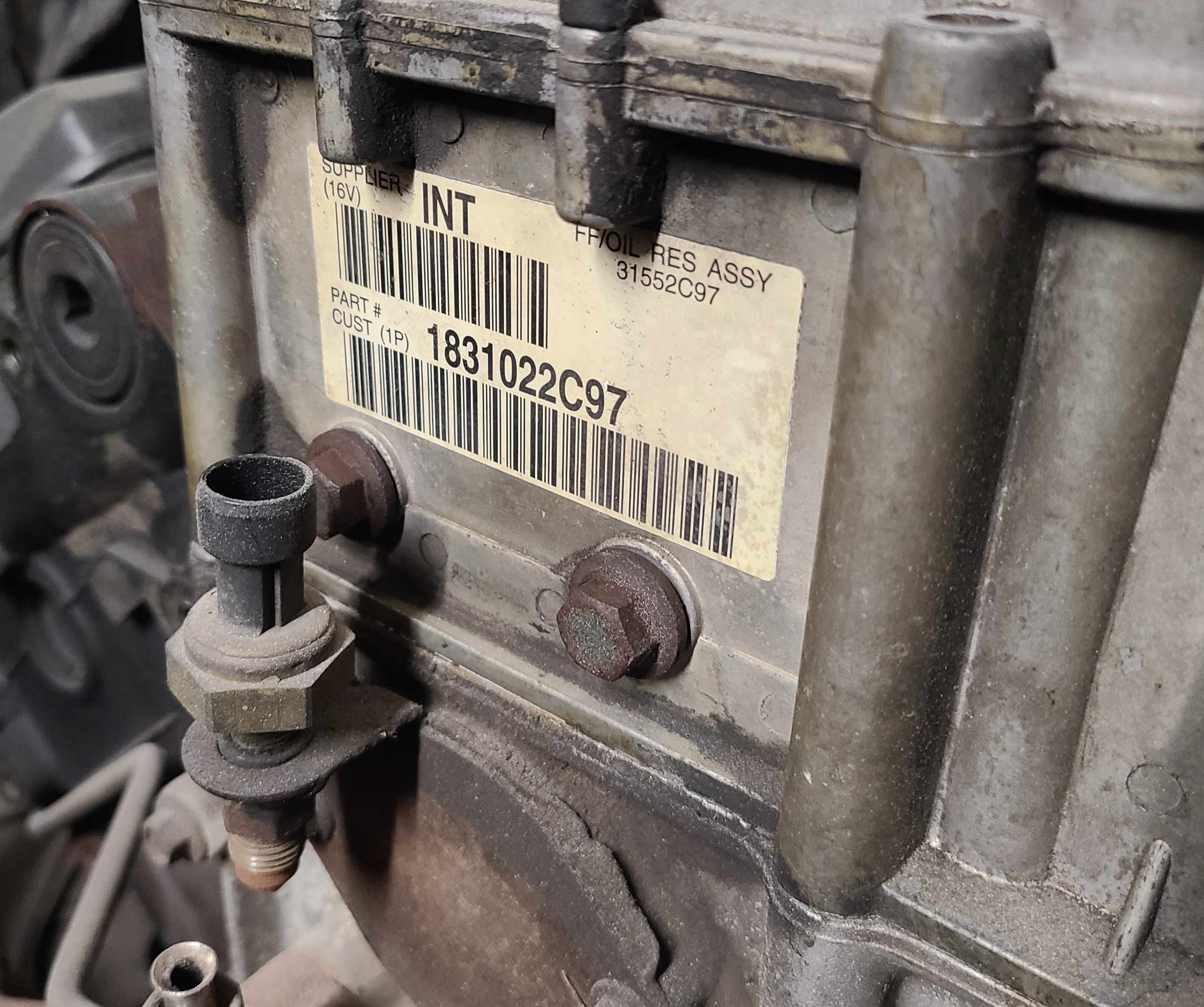
HPOP Reservoir / Front Cover Area
Why it looks like a rear main: Oil leaks from the HPOP reservoir/front cover area can spread across the valley before showing up at the back of the engine.
The real problem: Wrong gaskets, over-torqued reservoir bolts, stripped mounting tabs, or cracked timing/front covers. Using the wrong HPOP reservoir gasket style is a very common cause here (screened vs non).
The fix: Confirm the correct reservoir gasket for the engine year, inspect the front cover carefully, and don’t overtighten it.
What you should notice: A sealed reservoir area, no fresh oil creeping through the valley, and fewer self-inflicted leaks.
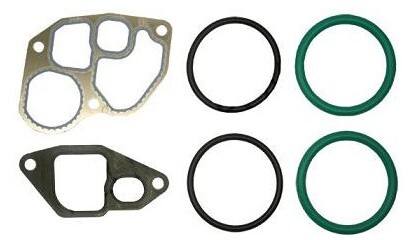
Oil Cooler O-Rings
Why it looks like a rear main: Oil cooler leaks usually start on the driver side, but airflow and gravity can move oil rearward and make the underside of the truck look worse than the source.
The real problem: The oil cooler uses O-rings and gaskets that harden with age AND cracked or pitted mounts/headers
The fix: Reseal the oil cooler with quality seals. If the cooler mounts are pitted or cracked, fix that too or the new seals may not save you for long.
What you should notice: Less driver-side oil mess, fewer drips under the truck, and a cleaner engine bay after heat cycles.
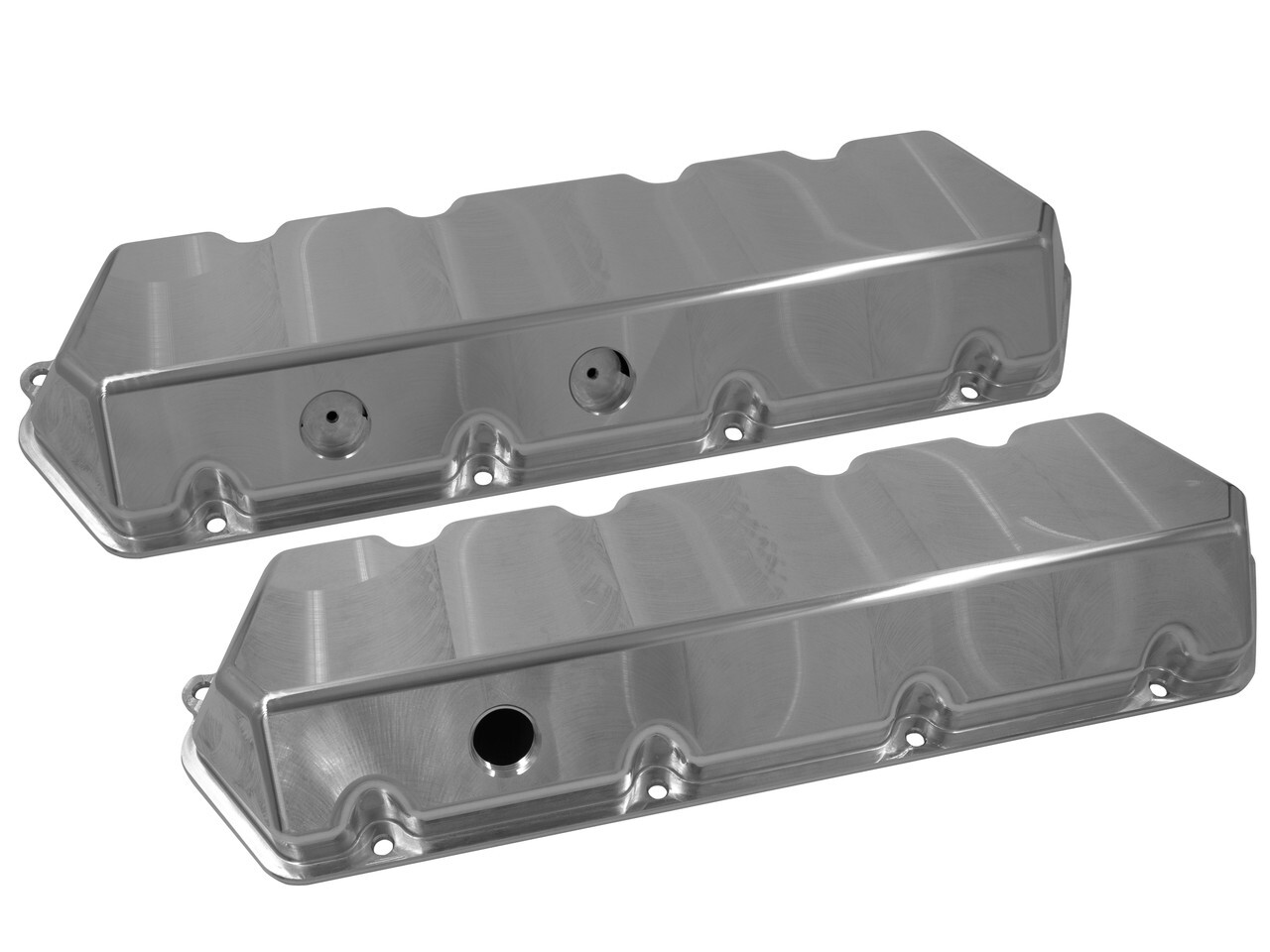
Valve Cover Gasket Leaks
Why it looks like a rear main: Oil leaking from the valve covers can run down the heads and block, then collect underneath where it looks like a lower-engine leak.
The real problem: Valve cover gasket leaks are common, with symptoms like oil seeping around the valve cover, oil smell, smoke from oil dripping on exhaust manifolds, and possible injector/glow plug electrical faults.
The fix: Replace the valve cover gasket and inspect the under-valve-cover harness while you’re there.
What you should notice: Less oil smell, less smoke off the manifolds, cleaner heads, and fewer leaks running downhill pretending to be something else.
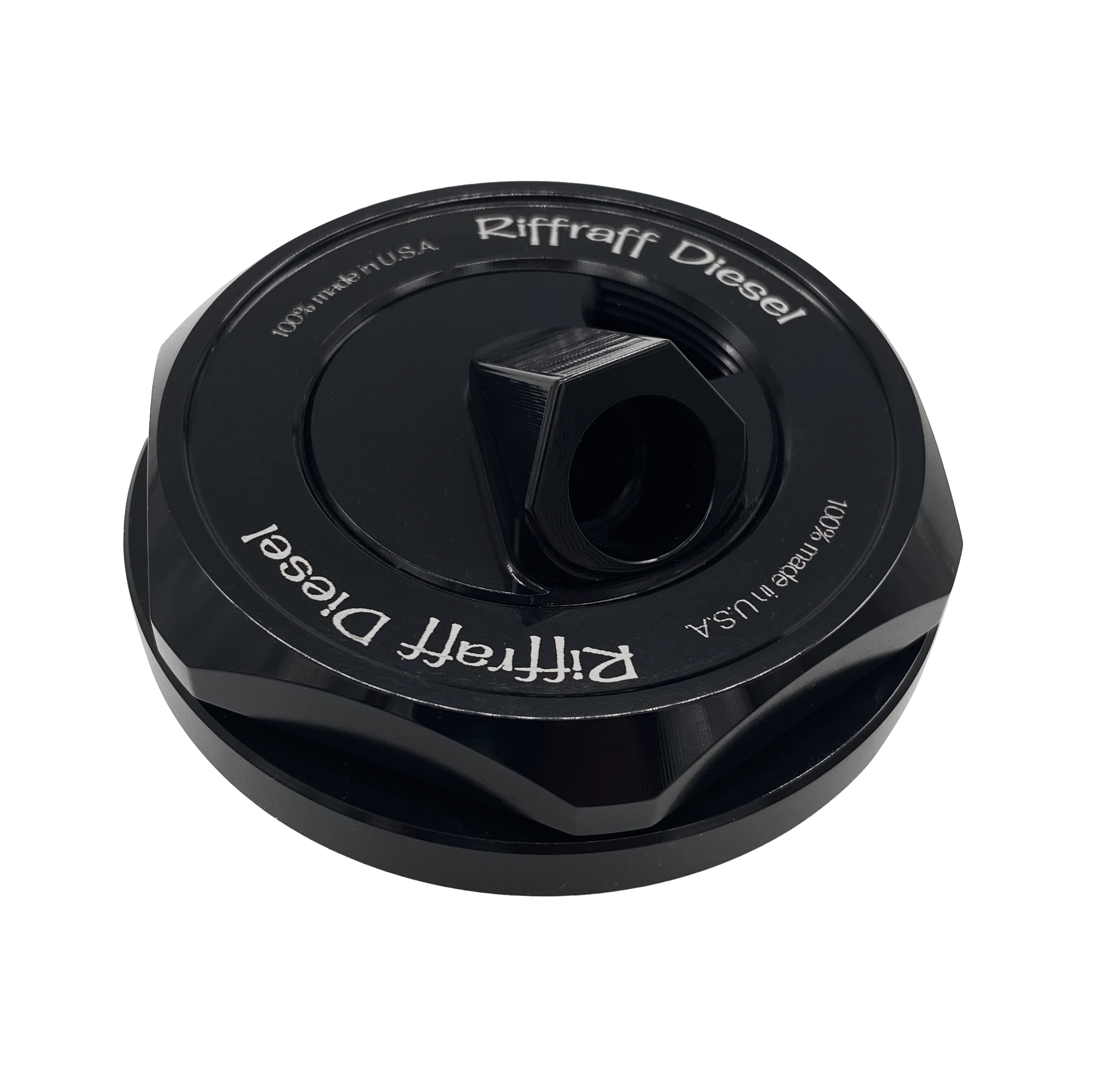
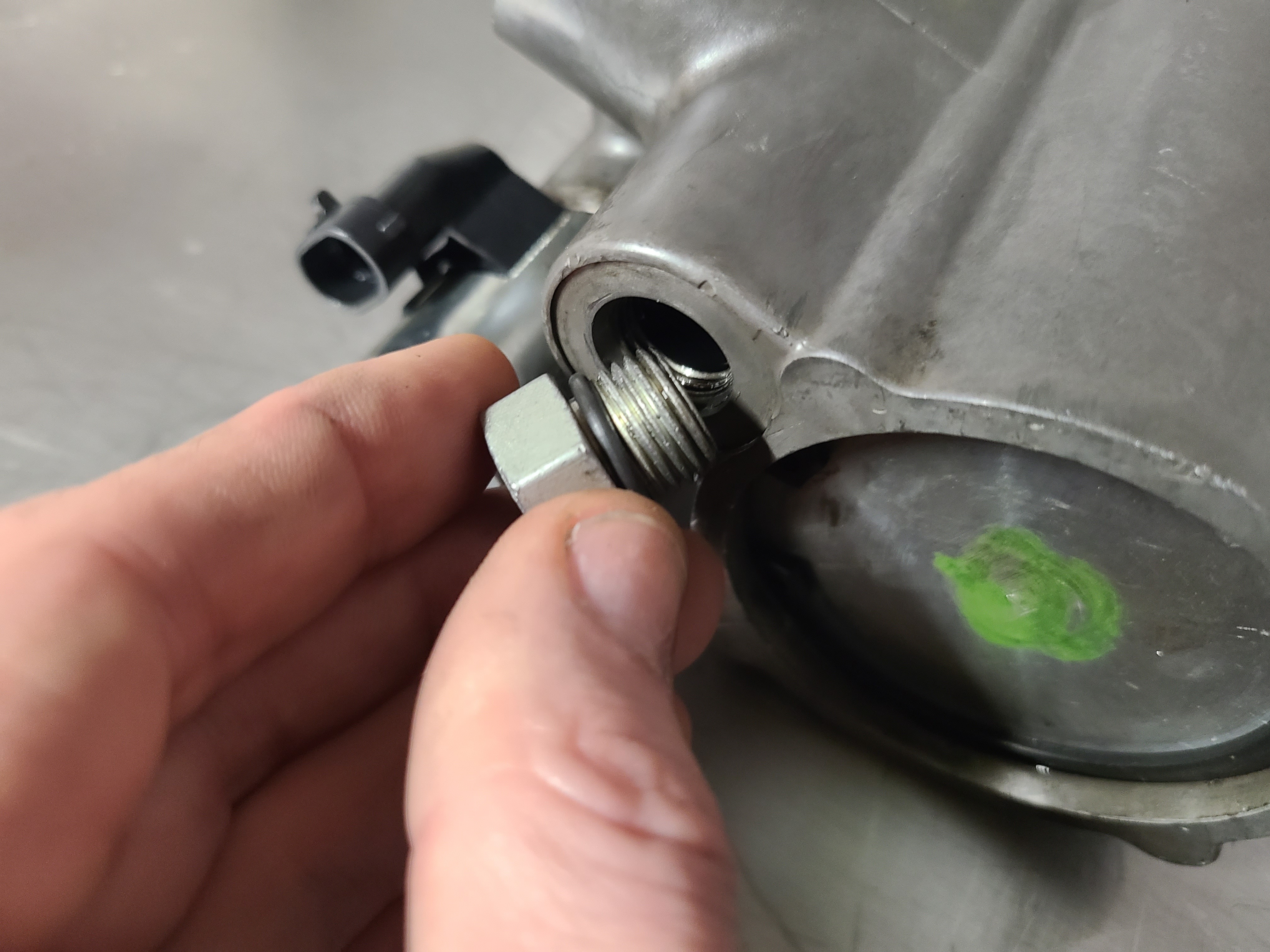
Dipstick Adapter Leak
Why it looks like a rear main: The dipstick adapter leaks at the oil pan, then the oil spreads along the lower engine and crossmember. From underneath, it can look like the whole back of the engine is leaking.
The real problem: The factory adapter O-ring degrades and swells over time. Tightening the nut may work temporarily, but it can deform the inner piece and make the problem worse.
The fix: Repair or replace the dipstick adapter. Riffraff’s repair kit replaces the stock adapter with a machined aluminum adapter using a double O-ring seal on the outside of the oil pan, and it can be installed with the oil pan and engine still in the truck. Multiple dipstick adapter repair kits do exist. We have the ones we trust on our site.
What you should notice: A dry oil pan adapter area, fewer drips on the passenger side/lower engine.
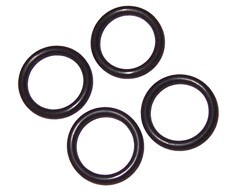
Oil Rail Plug / ICP / HPOP Crossover O-Rings
Why it looks like a rear main: Small high-pressure oil leaks near the heads and valley can travel a long way before they finally drip. By the time you see oil underneath, the leak may be nowhere near the rear main.
The real problem: The oil rail plugs, HPOP hose fittings, ICP sensor area, and high-pressure crossover line locations all use O-rings that can leak.
The fix: Clean the engine, run it, inspect with a light and mirror, then reseal the actual leaking plug or fitting.
What you should notice: A cleaner valley and fewer tiny leaks turning into a big oily mystery under the truck.
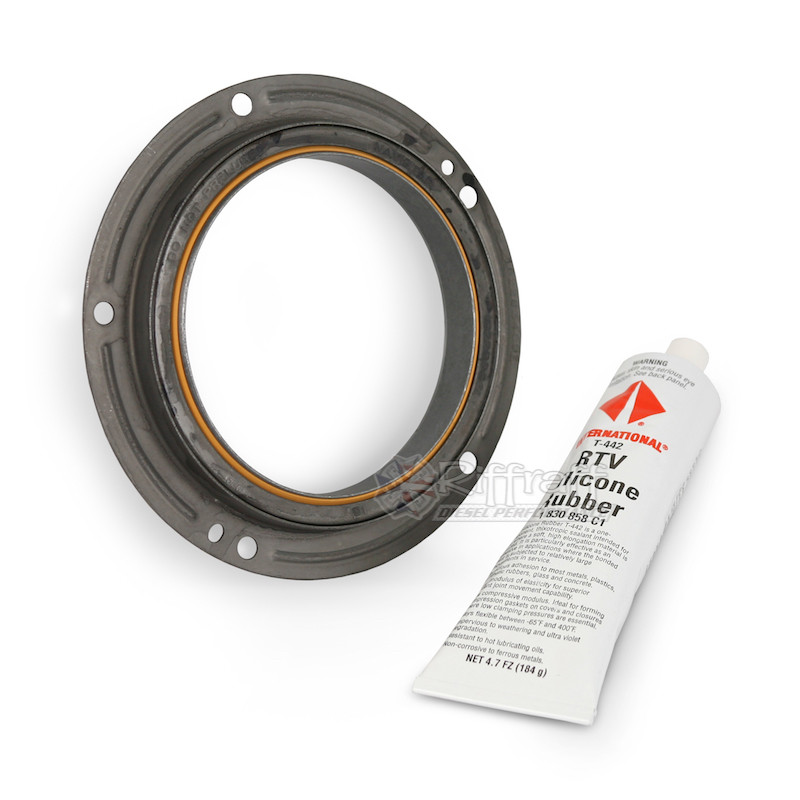
Final Thoughts
Before you call it a rear main seal, clean the engine and look higher.
- Check the turbo pedestal.
- Check the EBPV actuator.
- Check the HPOP.
- Check the oil cooler.
- Check the valve covers.
- Check the dipstick adapter.
- Check every place oil can start high and run low.
The rear main might be leaking. But on a 7.3, it is often just the last place the oil shows up, not the first place it came from.