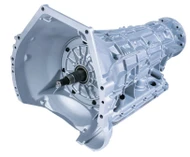
Top 10 4R100 Problems 7.3 Owners Should Fix Before Towing Season
Jun 17th 2026
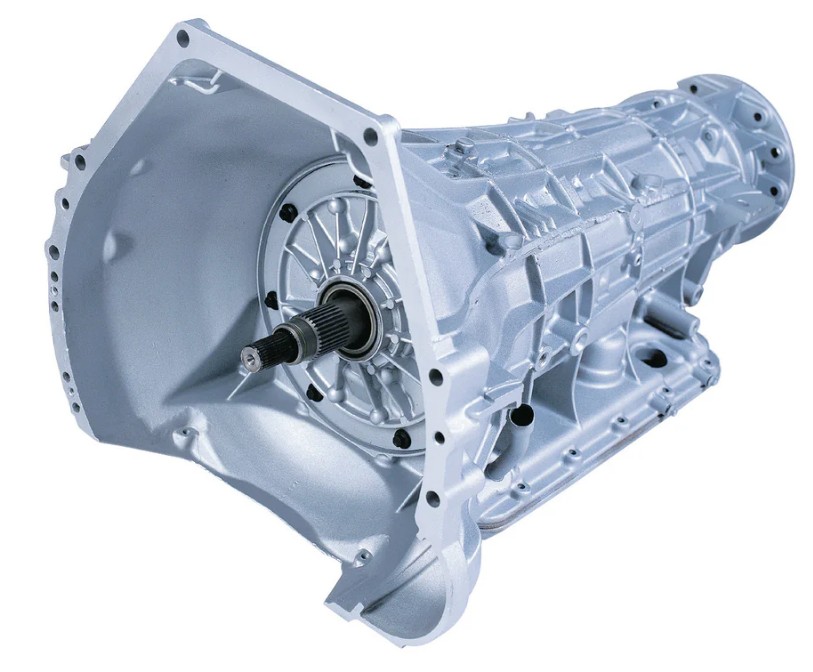
The 7.3L Powerstroke will usually drag the trailer wherever you point it. The 4R100 however, needs a little more respect. It is not a bad transmission by any means, but heat, old fluid, weak cooler capacity, lazy shifts, converter slip, and ignored warning signs can turn a fun summer trip into a nightmare, fast.
Before you hook up the camper, boat, equipment trailer, or hay wagon, check these 10 common 4R100 problems.
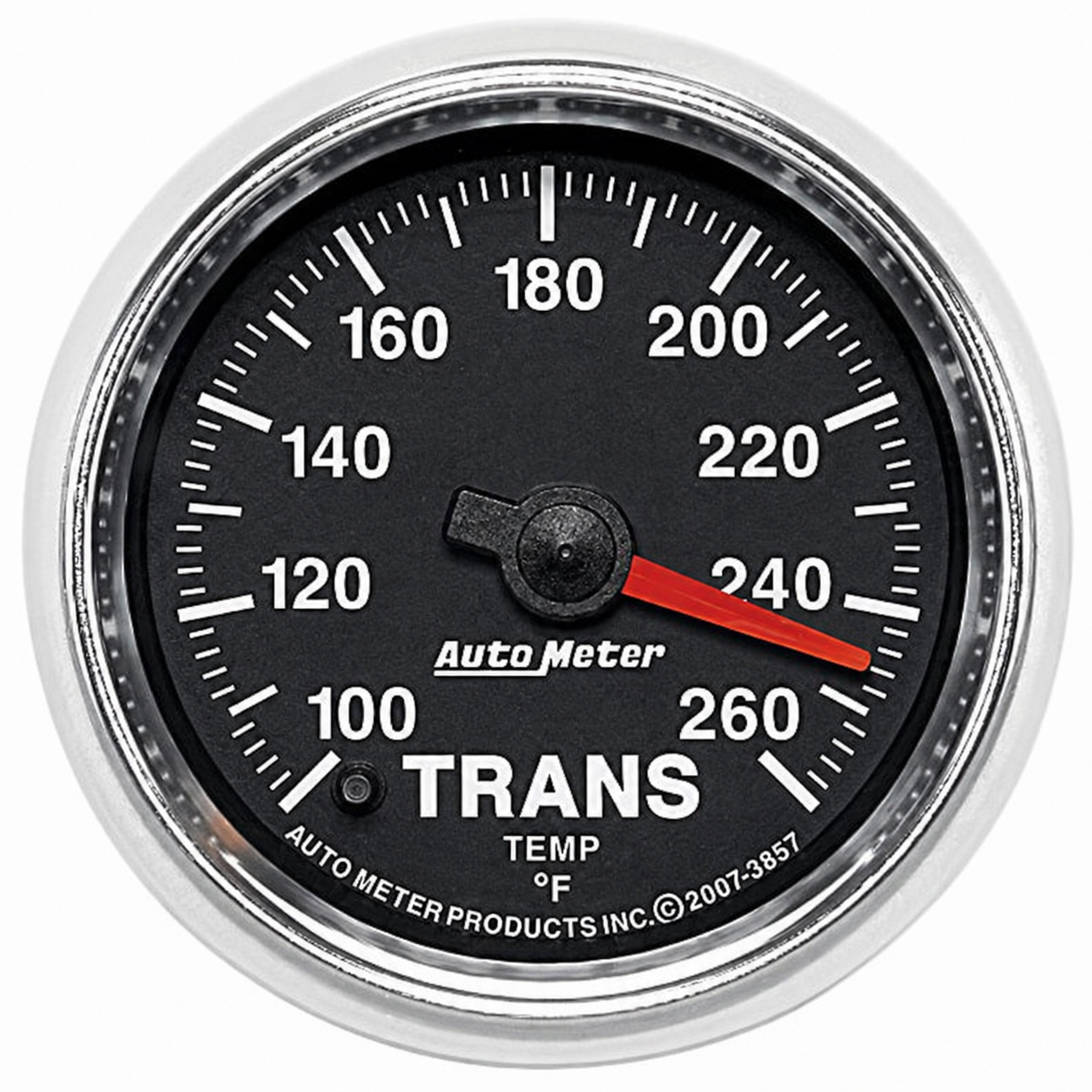
High Transmission Temps
Symptoms: Hot trans temps, slipping when warm, delayed shifts, flashing O/D light, burnt fluid smell, or limp mode under load.
Why it happens: Heat is the 4R100’s biggest enemy. Towing adds weight, converter load, airflow demand, and long heat cycles. The factory cooler was fine for stock use, but it does not leave much margin once the truck is older, modified, towing heavy, or working in summer heat.
The fix: Upgrade the transmission cooler. A larger cooler gives the fluid more capacity and more cooling surface area, which helps keep temps under control before the transmission starts cooking itself.
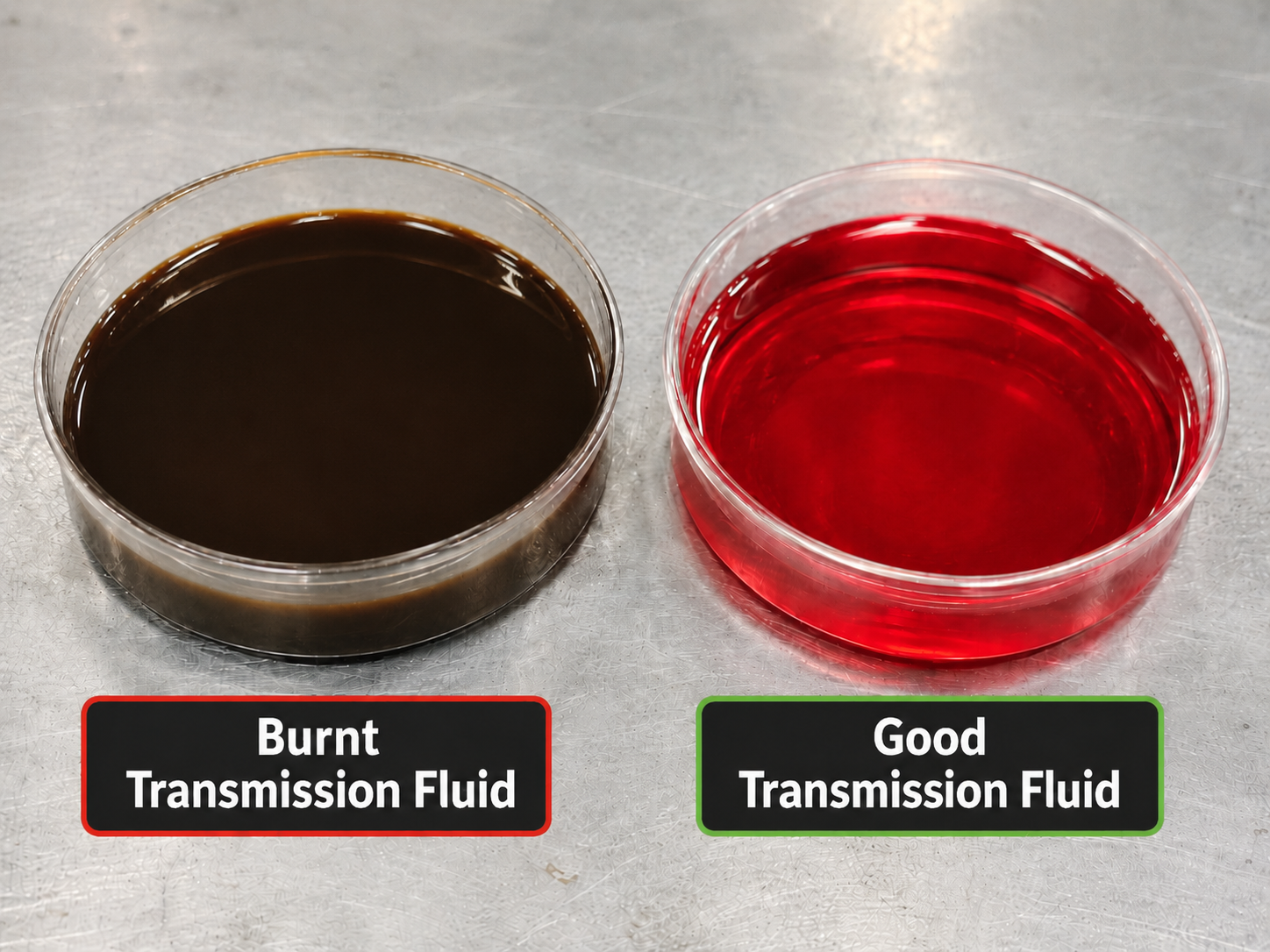
Old or Burnt Transmission Fluid
Symptoms: Dark fluid, burnt smell, delayed engagement, lazy shifts, flare between gears, converter shudder, or slipping under load.
Why it happens: Fluid is the lifeblood of the 4R100. Once it is overheated, contaminated, or worn out, clutch apply quality suffers. Towing with old fluid is like asking the transmission to go run a marathon after eating gas station nachos.
The fix: Hopefully, servicing the transmission before towing season will help. Drop the pan, inspect for debris, replace the filter, and refill with the correct fluid. However, if the fluid smells burnt or the pan is full of clutch material, a fluid change won't likely help as the trans is likely in need of a full rebuild.
Important note: Generally speaking if a transmission is older (exactly how old really depends on how it was used) and has never been serviced, doing a flush may create more problems. For older transmissions its recomended to only do a drain and refill, never a flush.
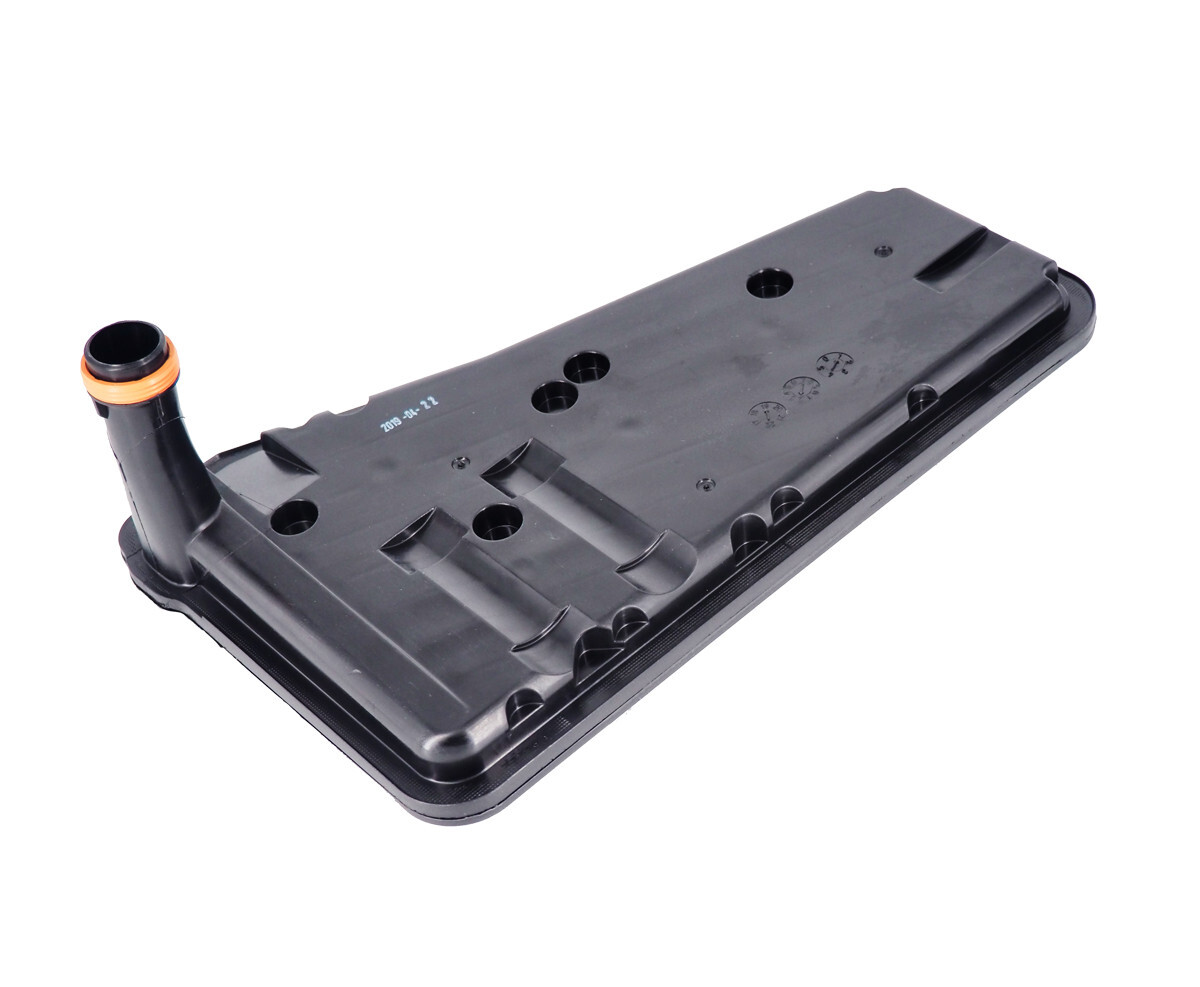
Plugged or Neglected Transmission Filter
Symptoms: Delayed engagement, pressure problems, slipping, shift flare, poor converter apply, or worse operation when hot.
Why it happens: The filter catches debris, and eventually it can restrict fluid flow. A restricted filter can make a healthy transmission act weak because the pump and valve body are not getting clean, steady fluid.
The fix: Replace the 4R100/E4OD transmission filter during service. Also make sure the old filter seal comes out with the old filter.
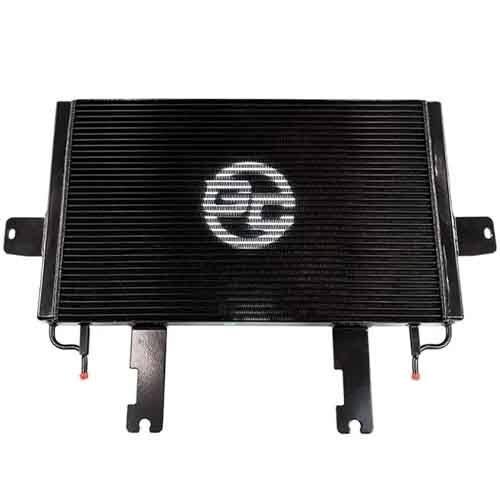
Weak Factory Cooler Setup
Symptoms: Temps climb fast while towing, especially in hills, heat, stop-and-go traffic, or with a loaded trailer.
Why it happens: The original cooler setup was not designed around 25-year-old trucks, bigger tires, tuning, heavier trailers, and modern “let’s tow everything at 80 mph” expectations.
The fix: Install a larger transmission cooler. For 1999–2003 Super Duty trucks, a drop-in 7.3 cooler upgrade is one of the smartest towing-season improvements you can make. OBS trucks can also benefit from larger cooler options, but mounting may require more work depending on the setup.
Problematic Cooler Bypass Tube
Symptoms: Higher than expected trans temps, cooler flow concerns, or heat issues even after service.
Why it happens: The OEM cooler bypass tube assembly can become a restriction or failure point in the cooler circuit. When cooler flow is not right, the transmission cannot shed heat like it should.
The fix: Use a bypass tube eliminator when servicing the cooler system, transmission, or filter setup. It is cheap preventative insurance while you already have the system apart.
Soft, Lazy, or Slipping Shifts
Symptoms: Mushy shifts, long shift duration, flare between gears, extra heat, clutch slip, or a truck that feels like it is thinking too long before changing gears.
Why it happens: Long, soft shifts create heat and wear. Towing makes it worse because the transmission is applying clutches under more load. Heat goes up, wear goes up, and eventually the “soft shift” becomes “why is this slipping?”
The fix: Assuming it's not a internal failure causing the concerns, a quality valve body upgrade can firm up shifts without making the truck obnoxious. The goal is crisp, controlled shift apply — not neck-snapping nonsense.
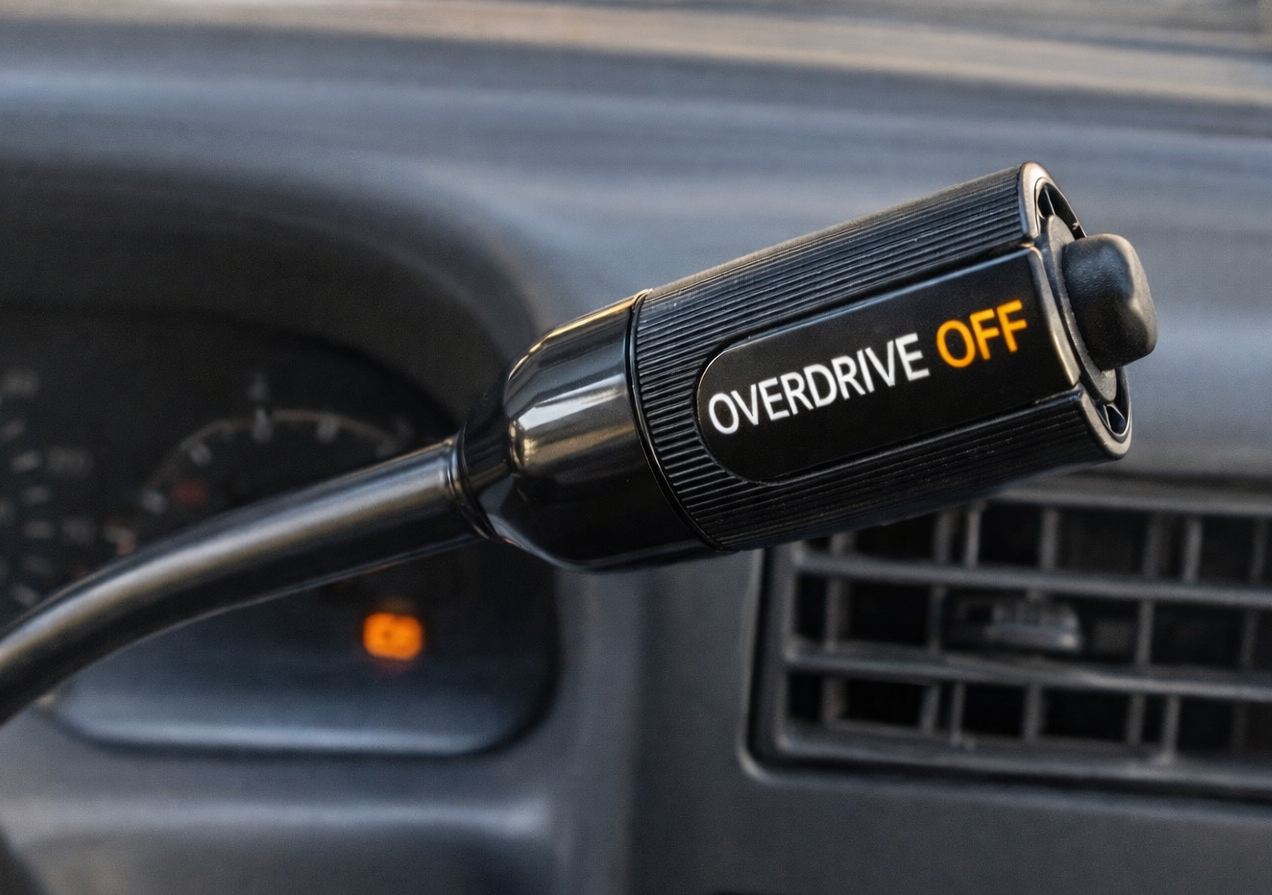
Flashing O/D Light
Symptoms: O/D light flashing, harsh shifting, limp mode, slipping, delayed shifts, or stored transmission codes.
Why it happens: A flashing O/D light is the 4R100’s way of saying something is wrong. It can be a sensor, wiring issue, solenoid problem, converter slip, or real internal wear.
The fix: Pull the codes with a scanner that can actually read transmission data. Common code areas include range sensor faults, speed sensor faults, turbine/output shaft sensor faults, temperature sensor faults, shift solenoid faults, EPC faults, and torque converter clutch slip. Check out this blog on OD light related issues: https://www.riffraffdiesel.com/blog/4r100-flashing-overdrive-light-causes-codes-fixes
Torque Converter Shudder or Slip
Symptoms: Shudder at lockup, RPM flare, slipping under load, heat buildup, flashing O/D light, or converter clutch codes.
Why it happens: The torque converter clutch takes a beating while towing, especially with heat, old fluid, extra power, oversized tires, or poor shift strategy. Converter slip makes more heat, and heat makes everything worse. Nice little circle of bad decisions.
The fix: Verify the symptom with scan data and codes. If the converter is slipping or shuddering, do not tow heavy and hope it gets better. Address fluid condition, cooler capacity, valve body health, and converter condition before it takes more parts with it.
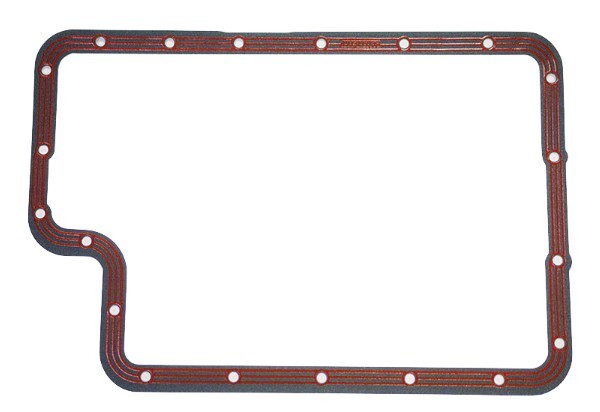
Leaking Pan, Weak Gasket, or Low Fluid
Symptoms: Fluid spots, wet pan, low fluid level, delayed engagement, slipping, burnt smell, or erratic shifts.
Why it happens: Low fluid can cause pressure problems quickly. A small leak around the pan may not look like much, but towing with low fluid is how small problems turn expensive.
The fix: Fix the leak before towing. Use a quality pan gasket, inspect the pan sealing surface, torque bolts properly, and consider a deep pan if you want more fluid capacity, better serviceability, and a temp sender port.
No Transmission Temp Monitoring
Symptoms: No real symptoms until it is too late. That is the problem.
Why it happens: You cannot manage what you cannot see. The factory gauge is not enough if you are towing heavy, driving in heat, or trying to protect an older transmission. By the time the truck clearly acts hot, the fluid may already be cooked and the clutches smoked.
The fix: Add real transmission temp monitoring. A dedicated gauge setup makes it much easier to see what the 4R100 is doing before it gets ugly.
Final Thoughts
A 7.3 will usually keep pulling long after the transmission is begging for help. The 4R100 can tow just fine when it is kept cool, clean, and properly controlled. Before towing season, handle the basics:
- Service the fluid and filter.
- Watch real transmission temperature.
- Upgrade the cooler.
- Fix leaks.
- Do not ignore the O/D light.
- Address soft shifts before they become slipping shifts.
- Take converter shudder seriously.
Disclaimer: The information provided on this blog is for informational purposes only. We share our knowledge and experience, but we are not liable for any damages, injuries, or losses that may occur as a result of using this information. Situations are rarely cut and dry in the automotive world. Your situation will likely be somewhat different than what we describe here. Use your best judgment and always consult a qualified professional for automotive repairs and modifications. Your safety is your responsibility.