
7.3L Powerstroke Fuel Tank Pickup Failure: Runs Out of Fuel at 1/4 Tank
Nov 6th 2026
Quick Answer
If your 7.3L runs normally with a full tank but starts starving for fuel around 1/4 tank, check the in-tank fuel pickup.
The factory plastic pickup foot can crack, break apart, or fall off. Once it's gone, the remaining pickup tube sits higher in the tank and starts sucking air before the tank is actually empty.
Add several gallons of fuel and the truck suddenly runs normally again? That's a pretty strong clue.
Now, let's dive deeper into the issue.
What Actually Fails?
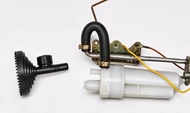
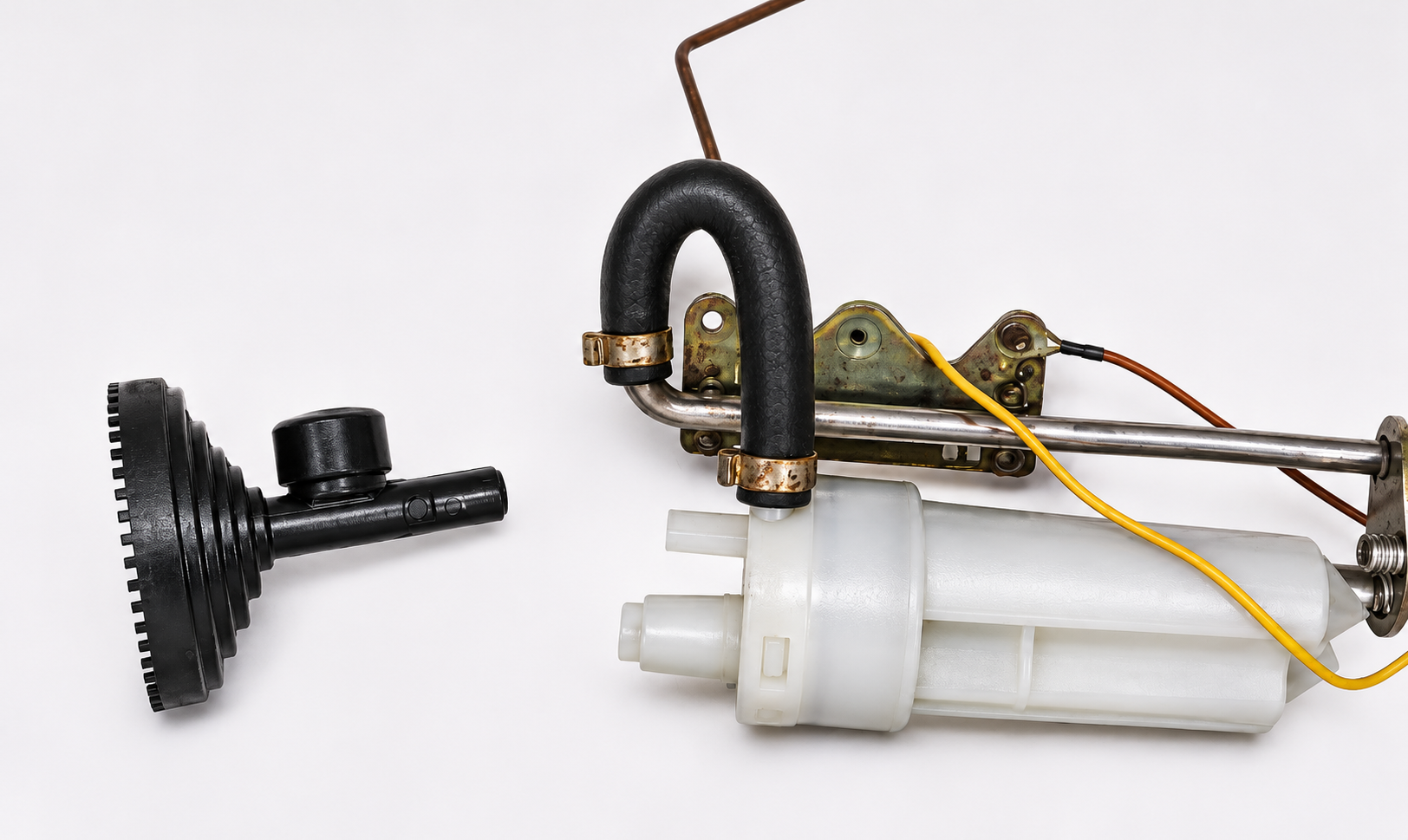
At the bottom of the factory sending unit is a plastic pickup foot and screen, often called the showerhead. Its job is to keep the fuel pickup near the bottom of the tank.
Unfortunately, that plastic spends decades submerged in diesel fuel. Eventually it can become brittle, crack, or completely break away. Once the foot is gone, the pickup point is now several inches higher.
Everything works normally with plenty of fuel in the tank. Get down around 1/4 tank and the pump starts drawing air instead of diesel.
Common Symptoms
Watch for:
- Engine dies around 1/4 tank
- Starts again after adding fuel
- Surging or bucking as the tank gets low
- Loss of power
- Low fuel pressure
- Fuel pressure drops under acceleration
- Truck runs normally with more fuel in the tank
- Problem gets worse on hills, turns, or uneven ground

What You'll Find in the Tank
Once the sending unit is removed, the problem is usually obvious.
You may find:
- Pickup foot completely missing (it'll be in the tank, just not attached to the pickup tube)
- Cracked plastic foot (letting air in instead of fuel)
- Pieces of the pickup lying in the tank
- Plugged pickup screens
- Dirt or debris around the pickup
- Damaged sending-unit components
Super Duty Pickup Screens
On 1999-2003 Super Duty trucks, the factory pickup assembly has another issue worth addressing.
The stock assembly uses small internal screens and passages that can collect debris and create restriction. This is one reason the old Hutch Mod became so popular on 7.3Ls. It removes the restrictive in-tank setup and changes how fuel is picked up and returned.
So if the tank is already coming apart, don't just look for a missing pickup foot. Inspect the rest of the assembly too.
OBS Trucks
The same pickup-foot problem can occur on 1994.5-1997 OBS 7.3’s. The difference is that OBS trucks may also have dual tanks and a fuel-tank selector valve.
If the problem only happens on one tank, inspect that tank's pickup first.
If both tanks have fuel-delivery problems, the selector valve, fuel lines, or mechanical fuel pump deserve a closer look before blaming both pickups.
Repair Option 1: Replace the Pickup Foot
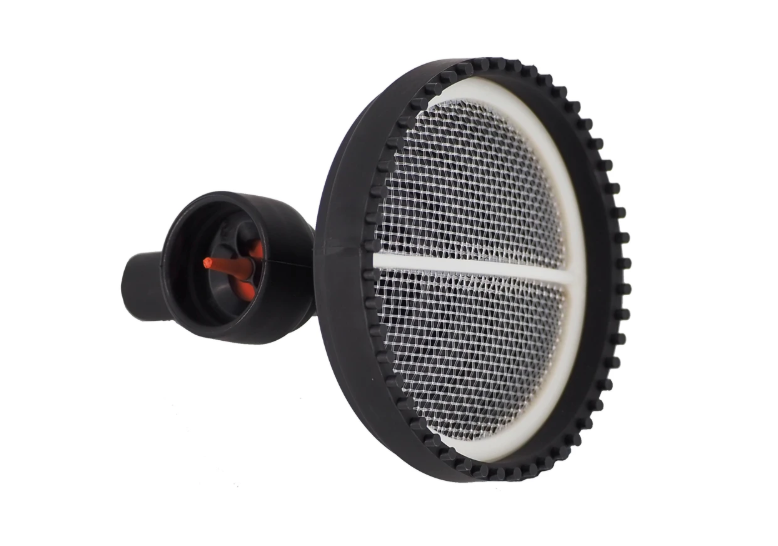
If the sending unit is otherwise in good shape, the simplest repair is replacing the broken factory pickup.
We carry the Ford Fuel Tank Pickup Foot and Screen 94-07, E5TZ-9J306-BA specifically for trucks that run out of fuel before the tank is actually empty.
Parts Link: https://www.riffraffdiesel.com/fuel-tank-pickup-foot-and-screen-94-07/
Repair Option 2: Upgrade the Entire Pickup
If the original sending unit is worn out, the screens are restricted, or you're upgrading the fuel system anyway, we'd look at replacing the whole thing.
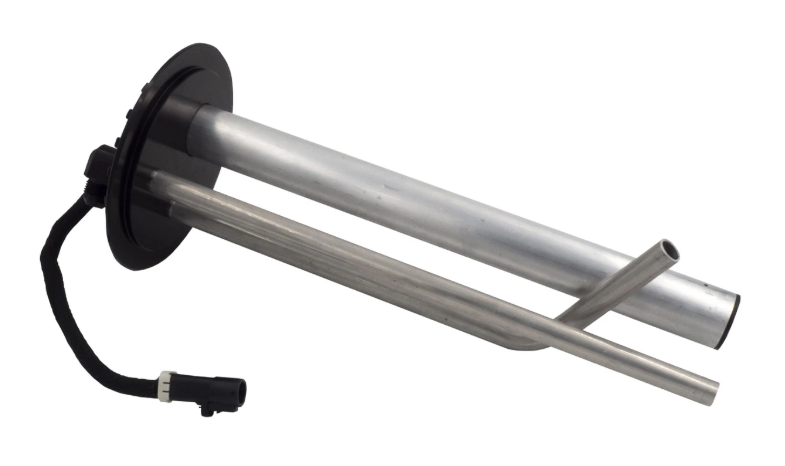
Our Riffraff Diesel High-Volume Fuel Pickup eliminates the factory plastic pickup foot and restrictive screens.
It uses integrated -8 AN feed and return fittings, includes a new fuel-level sending unit, and drops into the factory tank opening without cutting or drilling.
Parts Link: https://www.riffraffdiesel.com/riffraff-diesel-high-volume-fuel-pickup/
This also gives you a much better starting point if you're running larger injectors, an upgraded fuel pump, or larger fuel lines.
One note: our high-volume pickup is full-flow and doesn't use an in-tank screen, so we recommend a filter before the fuel pump.
Install Tips
Run the tank as low as practical before starting. A nearly empty tank is a lot easier to drop than one carrying 20 gallons of diesel.
Once the sending unit is out:
- Remove all broken pickup pieces
- Clean debris from the bottom of the tank
- Inspect the sending unit
- Check the float movement
- Inspect the supply and return connections
- Replace the tank seal if needed
And before reinstalling everything, make sure the fuel-level float moves freely. Nothing makes this job more of a pain than fixing the 1/4-tank problem and creating a fuel gauge problem at the same time.
Don't Confuse It With a Bad Fuel Gauge
A bad fuel-level sender can make the gauge say 1/4 tank when the tank is actually empty. A broken pickup does something different. The tank really does still contain usable fuel, but the engine can't reach it. If you're unsure, verify how much fuel is actually in the tank before pulling anything apart.
The Bottom Line
If your 7.3L consistently dies around 1/4 tank and comes back to life after adding fuel, check the in-tank pickup.
The factory plastic foot can break off, leaving the pickup tube too high to reach the remaining diesel.
Replace the foot if the rest of the sending unit is healthy.
If the factory assembly is tired, restricted, or you're upgrading the fuel system anyway, replace the whole setup with a better pickup and be done with it.
Related Articles
Fuel Pickups: Which One Is Right for You?: https://www.riffraffdiesel.com/blog/fuel-pickups-which-one-is-right-for-you/
Top 10 Fuel System Upgrades for the 7.3 Powerstroke: https://www.riffraffdiesel.com/blog/top-10-fuel-system-upgrades-for-the-73-powerstroke/
Common Hard Start Issues: 7.3 Powerstroke: https://www.riffraffdiesel.com/blog/common-hard-start-issues-73-powerstroke-/
Riffraff Diesel Hutch Mod Instructions: https://www.riffraffdiesel.com/content/RESOURCES/Riffraff%20Diesel%20Hutch%20Mod.pdf
***Disclaimer: The information provided on this blog is for informational purposes only. We share our knowledge and experience, but we are not liable for any damages, injuries, or losses that may occur as a result of using this information. Situations are rarely cut and dry in the automotive world. Your situation will likely be somewhat different than what we describe here. Use your best judgment and always consult a qualified professional for automotive repairs and modifications. Your safety is your responsibility.


