Top 10 Fuel System Upgrades for the 7.3 Powerstroke
May 4th 2026
The 7.3L Powerstroke is simple, reliable, and painfully honest. If fuel supply is weak, dirty, restricted, aerated, or leaking, the truck will let you know.
Fuel system upgrades are not just for big injector trucks. Even a mostly stock 7.3 can benefit from better fuel pressure control, cleaner delivery, fewer leaks, and less air getting forced through the injectors. Here are the top 10 fuel system upgrades worth doing.
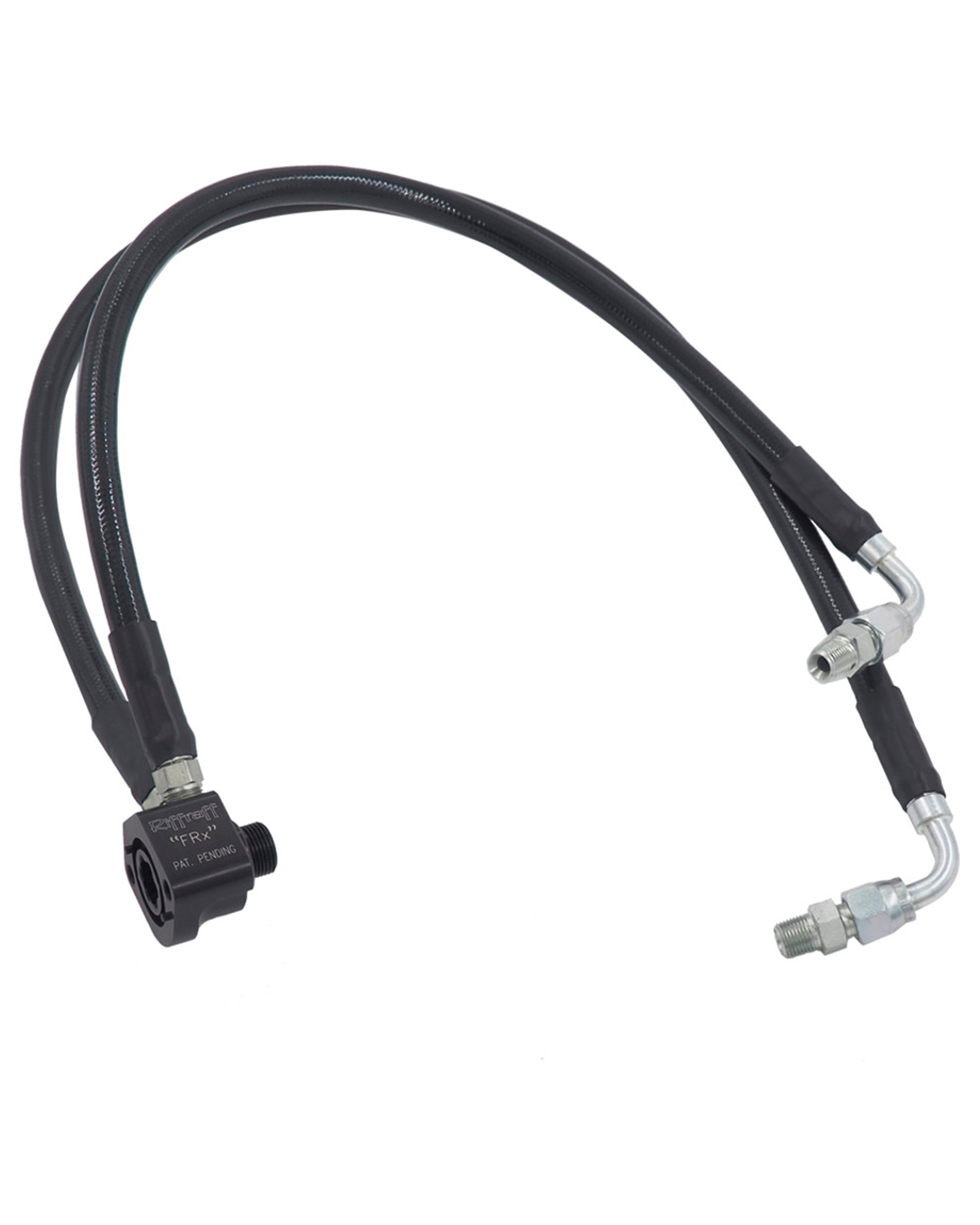
1. Fuel Rail Crossover — FRx
The FRx is one of the best drivability upgrades for a 1999–2003 7.3L. It connects the fuel rails and gives trapped air another path out instead of forcing it through the injectors. Riffraff’s FRx is designed as a bolt-on system that avoids cutting the return line or using compression fittings.
Why it matters:
The factory deadhead fuel system can trap air in the rails, causing rougher idle, injector noise, and inconsistent fuel delivery.
What you’ll notice:
Smoother idle, quieter injector operation, cleaner throttle response, and better overall drivability.
Quick install tip:
Loosen the fuel bowl mounting bolts for extra room when installing the regulator block. Moving the bowl slightly helps with clearance.
Related Link:
Fuel Rail Crossover™ (FRx): https://www.riffraffdiesel.com/fuel-rail-crossover-frx/
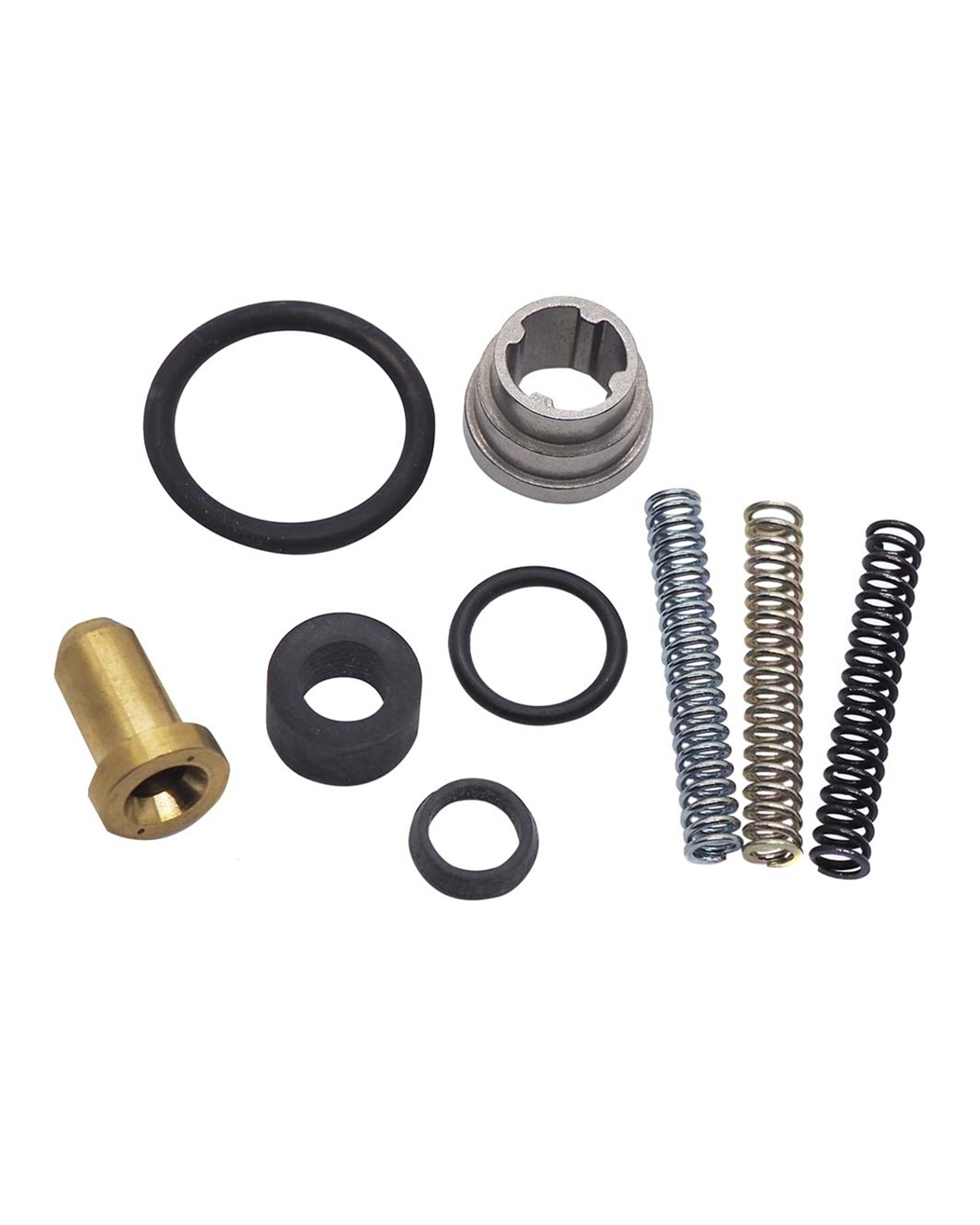
2. Fuel Bowl FPR Rebuild Kit
The fuel pressure regulator controls fuel pressure at the bowl. If it’s dirty, worn, or damaged, fuel pressure can drop off and cause bigger problems. A dirty or damaged FPR can cause fuel pressure issues that may lead to engine damage if ignored.
Why it matters:
Low or unstable fuel pressure is hard on injectors and can make the truck feel lazy.
Symptoms:
Hard starts, rough idle, low power, injector noise, fuel pressure drop, or poor throttle response.
What you’ll notice:
More stable fuel pressure, cleaner starts, better throttle response, and less injector clatter.
Quick install tip:
Use caution when removing the FPR housing. The spring is under pressure. Replace the poppet, sleeve, o-rings, and spring parts as a set.
Related Link:
Fuel Bowl FPR Complete Rebuild Kit 99-03 7.3L: https://www.riffraffdiesel.com/fuel-bowl-fpr-complete-rebuild-kit-99-03-7-3l/
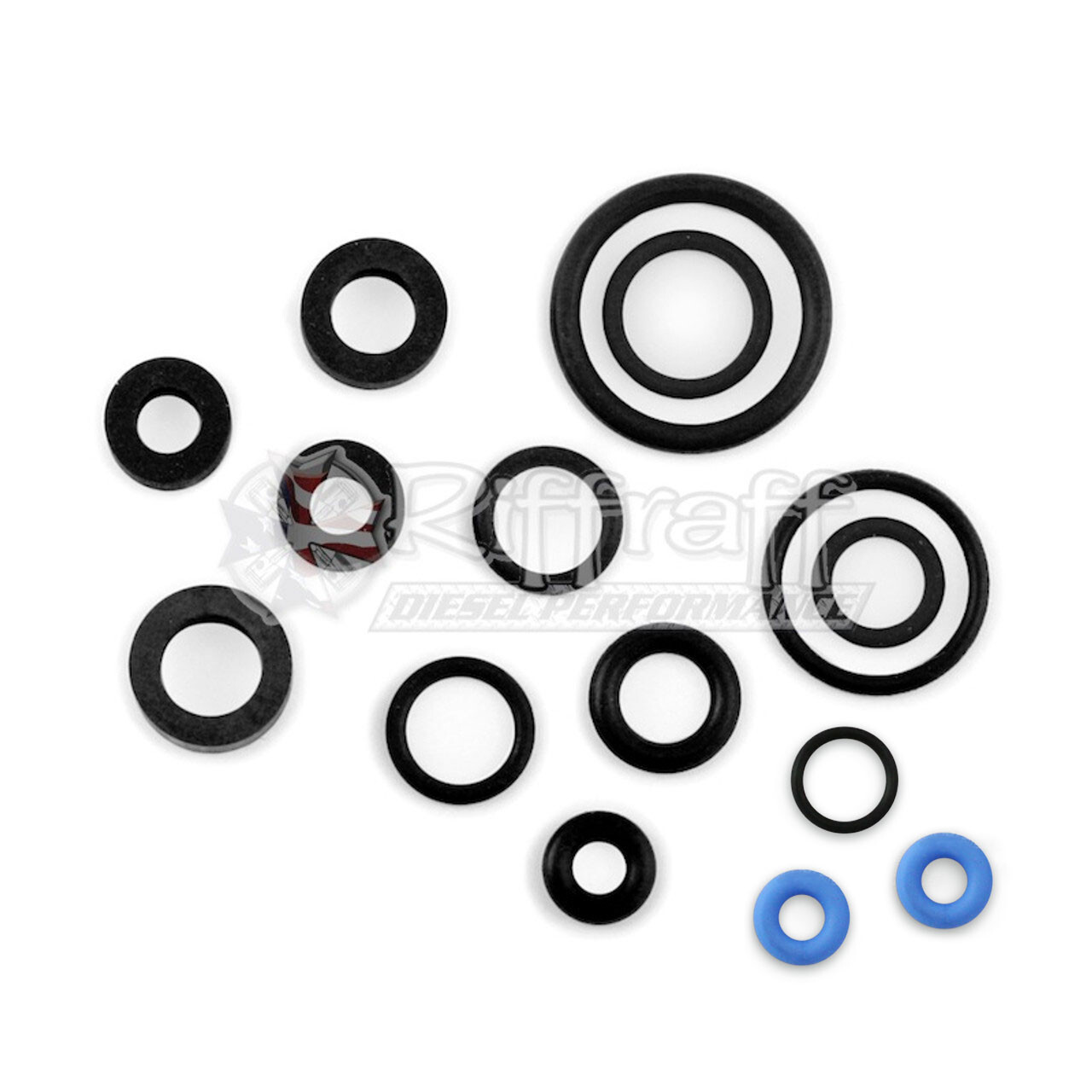
3. Complete Fuel Bowl Seal Kit
Fuel bowl leaks are one of the most common 7.3L fuel system headaches. A full seal kit refreshes the whole bowl instead of chasing one leak at a time. Riffraff’s complete fuel bowl seal kit uses Viton o-rings, Parker fuel sleeves, and fluorosilicone drain valve o-rings.
Why it matters:
Fuel leaks create mess, smell, air intrusion, fire risk, and hard-to-diagnose drivability issues.
Symptoms:
Diesel smell, wet valley, fuel dripping down the back of the engine, long crank, or random fuel pressure issues.
What you’ll notice:
A cleaner engine valley, fewer leaks, better sealing, and a more reliable fuel bowl.
Quick install tip:
Do the regulator rebuild at the same time if the bowl is already apart. It saves labor and prevents doing the job twice.
Related Links:
Complete Fuel Bowl Seal Kit w/ Fluorosilicone Drain O-rings 99-03: https://www.riffraffdiesel.com/complete-fuel-bowl-seal-kit-w-fluorosilicone-drain-orings-99-03/
Complete OBS Fuel Bowl Reseal Kit w/ Fluorosilicone Drain O-rings: https://www.riffraffdiesel.com/complete-obs-fuel-bowl-reseal-kit-w-fluorosilicone-drain-orings/
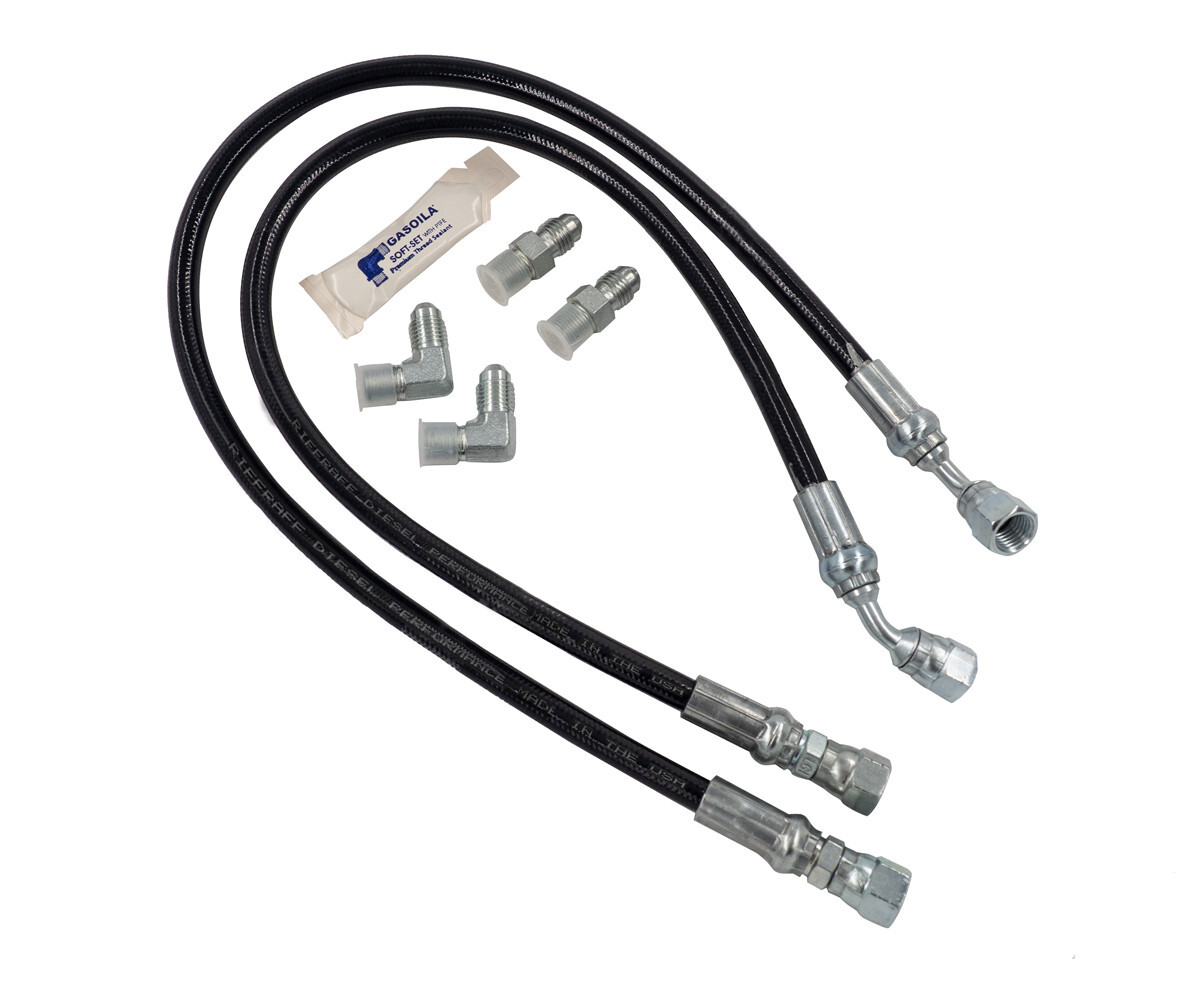
4. Stainless Braided Fuel Feed Line Kit
The factory hard lines from the fuel bowl to the heads can leak, restrict, or interfere with upgraded turbo setups. Riffraff’s stainless braided fuel feed line kit replaces the OEM hard lines with Eaton Aeroquip 304 stainless braided hose with HYTREL coating and JIC adapter connections.
Why it matters:
Better lines mean better serviceability, fewer leak-prone connections, and improved routing.
Symptoms:
Fuel seepage, cracked or damaged hard lines, pedestal interference, or fuel smell around the engine.
What you’ll notice:
Cleaner routing, easier service, better leak resistance, and more room around turbo/pedestal setups.
Quick install tip:
Do not over-tighten the 90-degree elbow going into the fuel bowl. It is a tapered thread and can crack the bowl if over-tightened.
Related Link:
Fuel Feed Line SS Braided Hose Kit - 7.3L 99-03: https://www.riffraffdiesel.com/fuel-feed-line-ss-braided-hose-kit-7-3l-99-03/
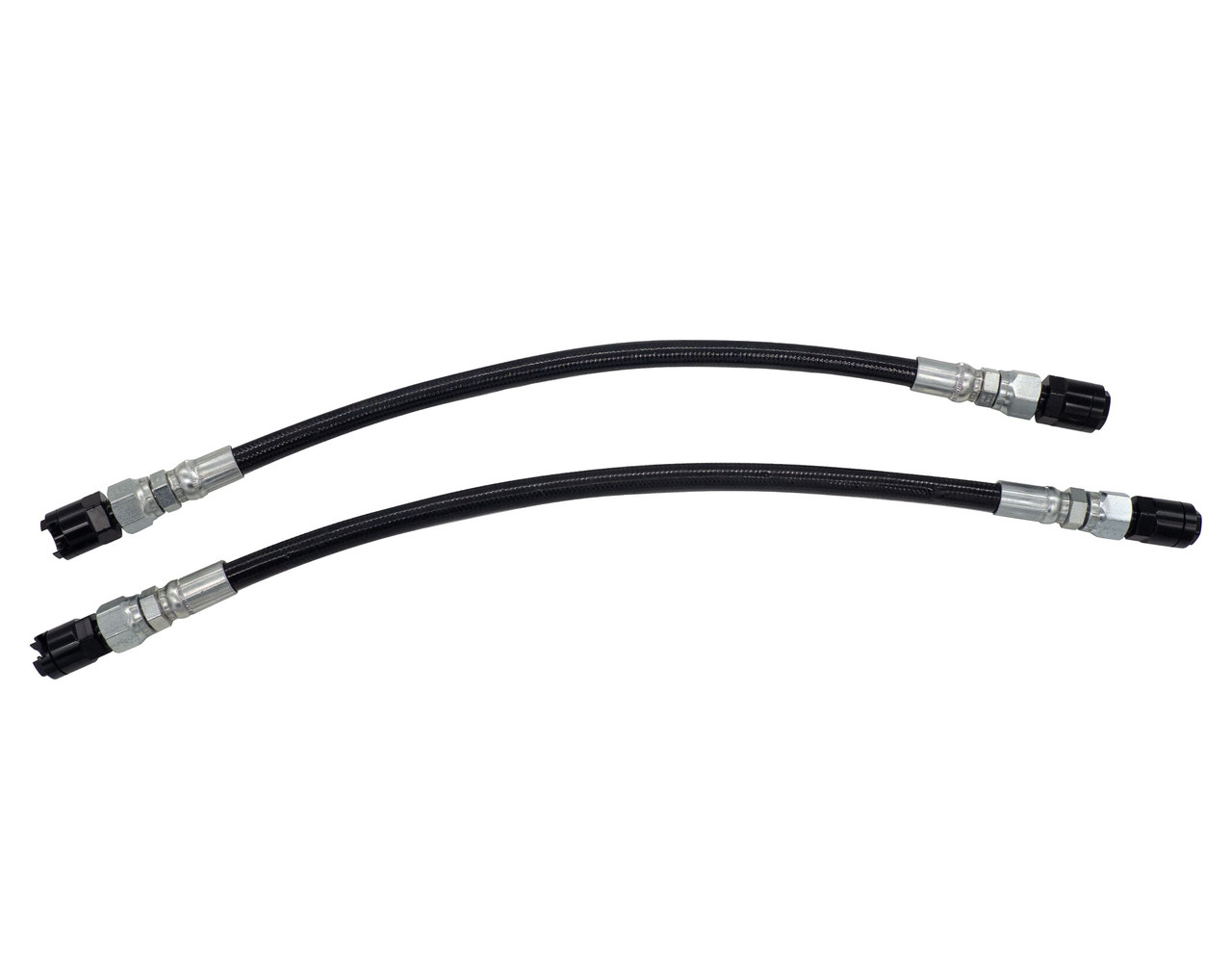
5. Pump-to-Bowl Feed/Return Line Upgrade
The pump-to-bowl lines are easy to overlook until they start leaking or restricting flow. Riffraff’s pump-to-bowl feed/return stainless assembly replaces the worn factory lines with Eaton Aeroquip stainless braided lines and JIC fittings.
Why it matters:
Old factory lines can leak, corrode, or become a weak link in an otherwise healthy fuel system.
Symptoms:
Fuel smell, wet fittings, fuel in the valley, hard starts, fuel pressure issues, or visible line damage.
What you’ll notice:
Better long-term sealing, easier replacement, and improved confidence in the supply side of the system.
Quick install tip:
Inspect the fuel pump fittings while you’re there. If the pump or outlet fitting is tired, this is the time to handle it.
Related Link:
Fuel Line Feed/Return Stainless Braided Assembly (Pump to Bowl) 99-03: https://www.riffraffdiesel.com/fuel-line-feed-return-stainless-braided-assembly-pump-to-bowl-99-03/
6. High-Volume Fuel Pickup
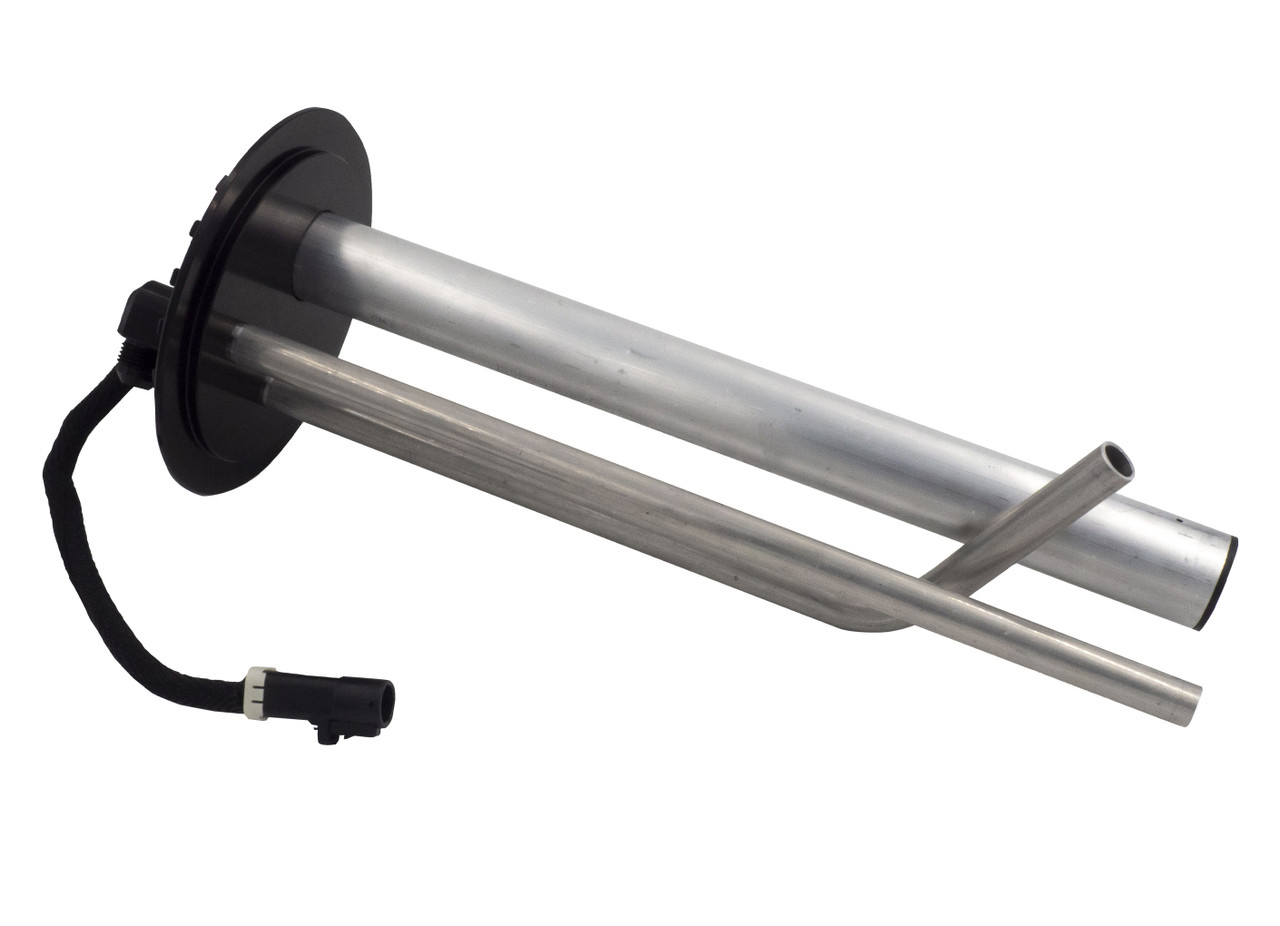
The fuel pickup is where the system starts. Riffraff’s high-volume fuel pickup is a drop-in replacement with oversized -8 AN feed and return fittings, while still working with the factory fuel level gauge.
Why it matters:
More supply capacity helps prevent restriction before the pump, especially on trucks with bigger injectors, upgraded turbos, healthy tunes, or heavy towing demands.
Symptoms:
Fuel starvation under load, pressure drop, low power, or a truck that runs fine empty but struggles when pushed.
What you’ll notice:
More consistent fuel supply and better support for higher-demand injector/turbo combinations.
Quick install tip:
Plan for tank access. Run the tank low before the job unless you enjoy wrestling a fuel tank full of diesel.
Related Link:
Riffraff Diesel High-Volume Fuel Pickup: https://www.riffraffdiesel.com/riffraff-diesel-high-volume-fuel-pickup/
7. Hutch Mod
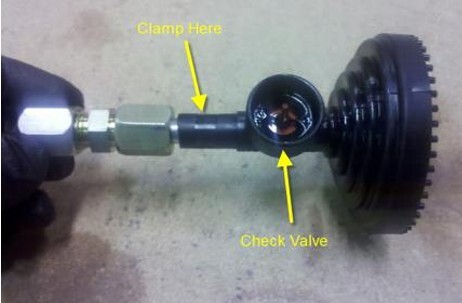
This is a true OG mod. One that hasn't been talked about much for some time, but still very much worth doing. The Hutch Mod replaces the restrictive factory in-tank pickup setup with hard lines and an external filter. The Hutch Mod is a common fix for restrictive factory pickup tubes. It's often paired with the "Harpoon Mod" which involves cutting the fill tube to allow for more complete fill ups (7.3 Hutch and Harpoon Mod).
Why it matters:
It reduces restriction, helps remove air from the fuel system, and improves fuel pickup reliability.
Symptoms:
Quarter-tank issues, fuel starvation, air intrusion, pressure drop, or slow/annoying fill-ups.
What you’ll notice:
More reliable fuel pickup, better supply consistency, and easier fuel tank filling.
Quick install tip:
Make sure the float moves freely before reinstalling the tank assembly. Nothing ruins a good fuel mod like a fuel gauge that lies.
Related Link:
Hutch and Harpoon Mod Instructions: https://www.riffraffdiesel.com/content/RESOURCES/Riffraff%20Diesel%20Hutch%20Mod.pdf
8. High-Flow Banjo Bolt Set
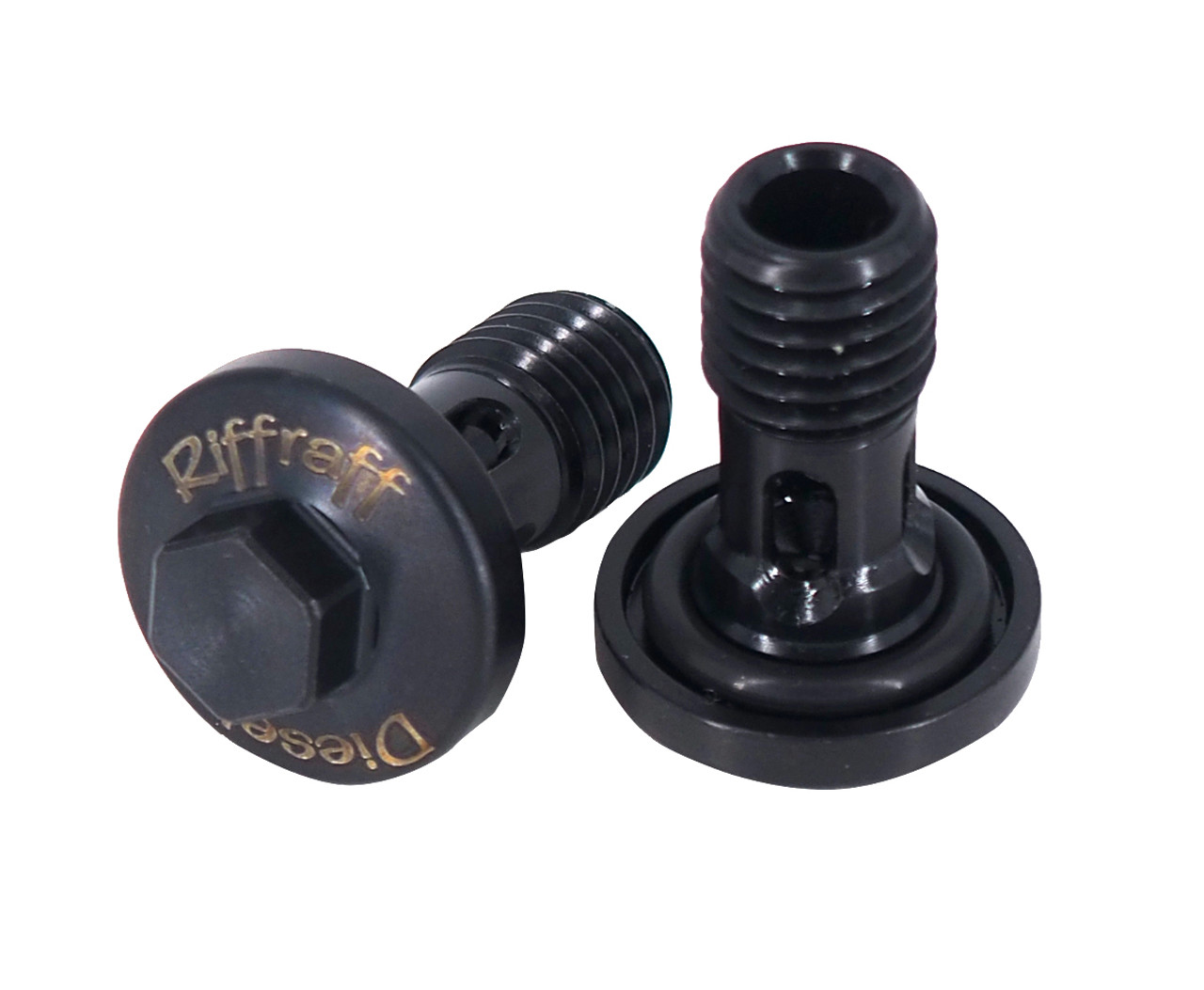
The factory banjo bolts can become a restriction point. Riffraff’s high-flow banjo bolts are made from StressProof steel and are designed to reduce turbulence, increase flow, and improve bolt strength.
Why it matters:
Improved flow into the heads helps support cleaner fuel delivery, especially on modified trucks.
Symptoms:
Fuel pressure drop, weak power under load, injector noise, or supply-side restriction concerns.
What you’ll notice:
Better fuel delivery potential and less restriction at the head feed points.
Quick install tip:
Clean around the bolt before removal so debris doesn’t enter the fuel system.
Related Link:
Riffraff Diesel High Flow Banjo Bolt Set - 7.3L: https://www.riffraffdiesel.com/riffraff-diesel-high-flow-banjo-bolt-set-7-3l/
9. Max-Flow 4-Line Fuel Feed Kit
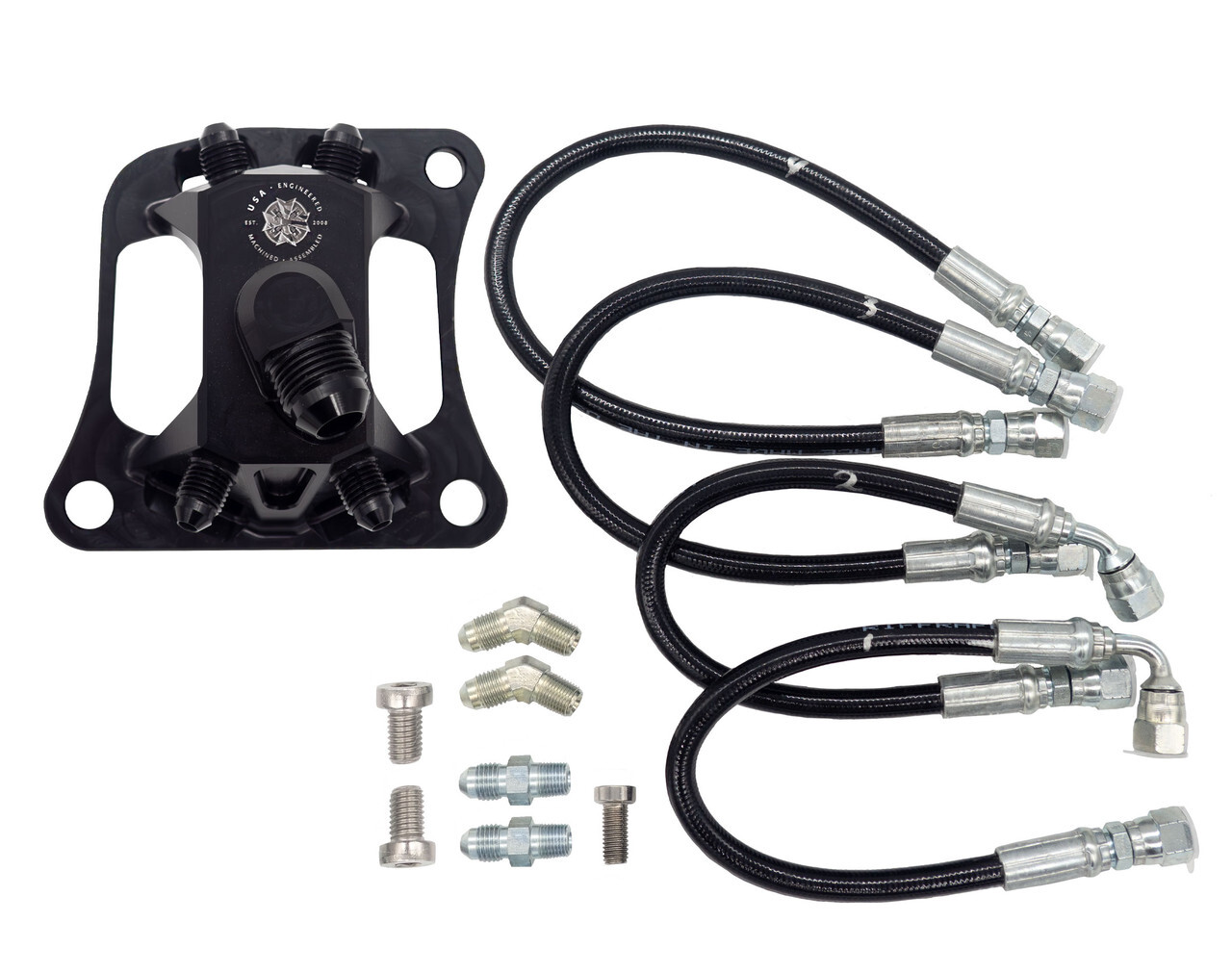
The Max-Flow 4-Line Fuel Feed Kit shines most on trucks that have outgrown the factory-style fuel bowl setup. It deletes the factory fuel bowl and pressure regulator so fuel can be delivered directly to the injector rails. Riffraff’s kit uses a USA-machined 6061 aluminum fuel block, stainless braided lines, and valley mounting hardware.
Why it matters:
Big injector and turbo setups need fuel volume. The factory bowl can become the bottleneck.
Symptoms:
Fuel pressure drop under load, lack of fuel supply for larger injectors, or max-effort setups outgrowing the stock system.
What you’ll notice:
More fuel delivery capacity, cleaner routing, and a simpler high-flow feed system.
Quick install tip:
This is not the first upgrade for a stock truck. It makes the most sense when paired with the right pump, regulator, filtration, and injector setup.
Related Link:
Riffraff Diesel Max-Flow® 4-Line Fuel Feed Kit 94-03 7.3L: https://www.riffraffdiesel.com/riffraff-diesel-max-flow-4-line-fuel-feed-kit-94-03-7-3l/
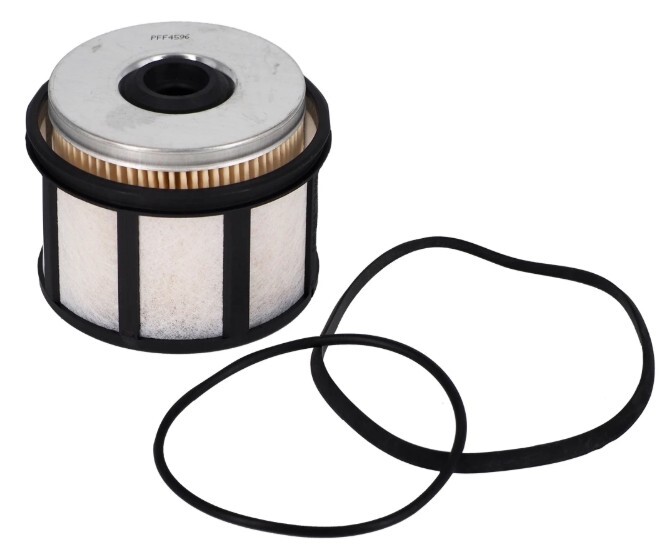
10. Quality Fuel Filters and Filter Service
This is not flashy, but it matters. The 7.3L HEUI injectors depend on clean fuel. Dirty fuel, neglected filters, and leaking fuel bowl seals can contribute to injector wear, hesitation, rough running, and power loss.
Why it matters:
A great fuel system still needs clean fuel. Filters are cheap. Injectors are not.
Symptoms:
Rough idle, hesitation, low power, long crank, injector noise, or poor fuel pressure.
What you’ll notice:
Cleaner running, better fuel pressure stability, and longer injector life.
Quick install tip:
Service the filter regularly, drain the bowl properly, and inspect the cap, drain valve, heater, and bowl seals while you’re in there.
Related Link:
OEM Fuel Filter 99-03: https://www.riffraffdiesel.com/oem-fuel-filter-99-03/
Final Thoughts
The best 7.3L fuel system upgrades depend on the truck. A stock daily driver may only need clean filters, a rebuilt fuel bowl, an FPR refresh, and an FRx. A towing truck may benefit from better lines, better pickup, and stronger fuel pressure control. A big-injector truck needs volume, filtration, and proper regulation.
Start with the basics. Stop the leaks. Stabilize pressure. Remove restriction. Keep air out of the rails.
The 7.3L does not need a complicated fuel system. It needs a clean, consistent one.
Disclaimer: The information provided on this blog is for informational purposes only. We share our knowledge and experience, but we are not liable for any damages, injuries, or losses that may occur as a result of using this information. Situations are rarely cut and dry in the automotive world. Your situation will likely be somewhat different than what we describe here. Use your best judgment and always consult a qualified professional for automotive repairs and modifications. Your safety is your responsibility.