
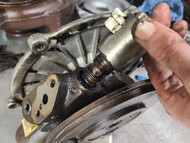
6.0 Powerstroke P0299 and P0234: Underboost, Overboost, VGT, or Boost Leak?
Jul 3rd 2026
A 6.0L Powerstroke with P0299 underboost or P0234 overboost is telling you the turbo system is not matching what the PCM commanded. That does not automatically mean the turbo is bad. Before replacing the turbo, diagnose the system. These codes can come from a boost leak, sticky VGT vanes, a bad VGT solenoid, MAP or EBP sensor issues, exhaust leaks, EGR problems, or engine performance issues that keep the turbo from responding correctly.
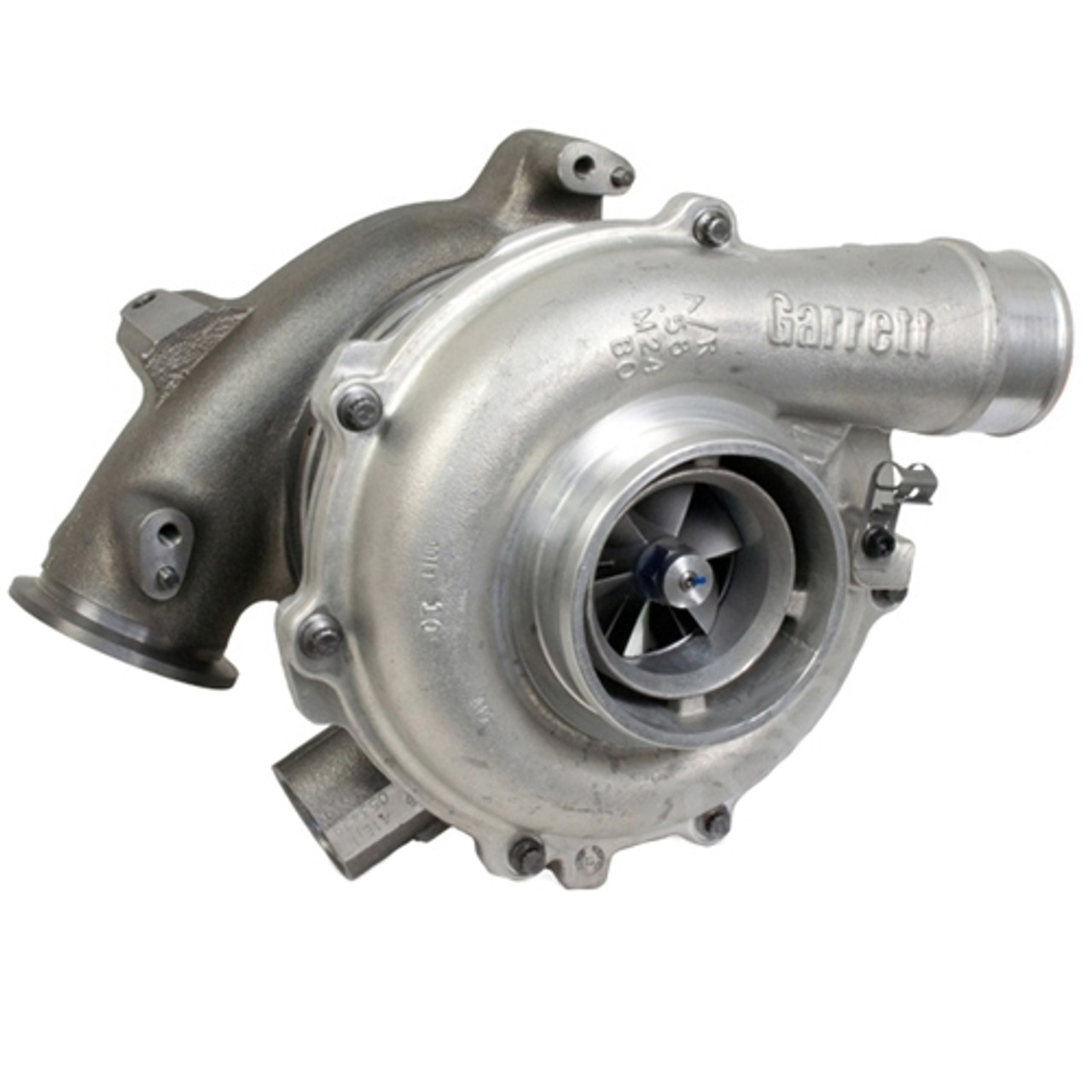
What P0299 Means on a 6.0 Powerstroke
P0299 = Turbo/Supercharger Underboost
The PCM expected more boost than the engine produced. Underboost means the truck is not making enough boost. It does not tell you why.
Common symptoms include:
- Low power
- Slow spool-up
- Black smoke under throttle
- High EGTs
- Poor towing performance
- Wrench light or check engine light
- Limp mode
Common causes include:
- Leaking CAC boots
- Loose intercooler boot clamps
- Cracked intercooler pipe
- Exhaust leak before the turbo
- Sticky VGT vanes
- Bad VGT solenoid
- Faulty MAP sensor or hose
- Faulty EBP sensor or clogged EBP tube
- EGR valve stuck open
- Low fuel pressure, weak FICM voltage, or low ICP
What P0234 Means on a 6.0 Powerstroke
P0234 = Turbo/Supercharger Overboost
The PCM saw more boost than expected. Overboost usually means the vanes are staying closed too long, the turbo is not responding fast enough, or the PCM is getting bad sensor information.
Common symptoms include:
- Boost spikes
- Sudden limp mode
- Turbo bark
- Surging
- Defueling
- Wrench light or check engine light
- Power comes in hard, then gets pulled back
Common causes include:
- Sticky VGT vanes
- Binding unison ring
- Bad VGT solenoid
- Incorrect MAP or EBP sensor data
- Restricted EBP tube
- Tuning-related boost control issues
A Big Note: The 6.0 Turbo Is Not Vacuum-Controlled
The 6.0L Powerstroke VGT turbo is controlled by the PCM through the VGT solenoid, which uses oil pressure to move the turbo vanes. Vacuum problems on a 6.0 usually affect the auto hubs or HVAC controls. They do not control turbo boost. If you have P0299 or P0234, look at the VGT system, boost plumbing, exhaust leaks, MAP/EBP data, EGR operation, fuel pressure, FICM voltage, and ICP.
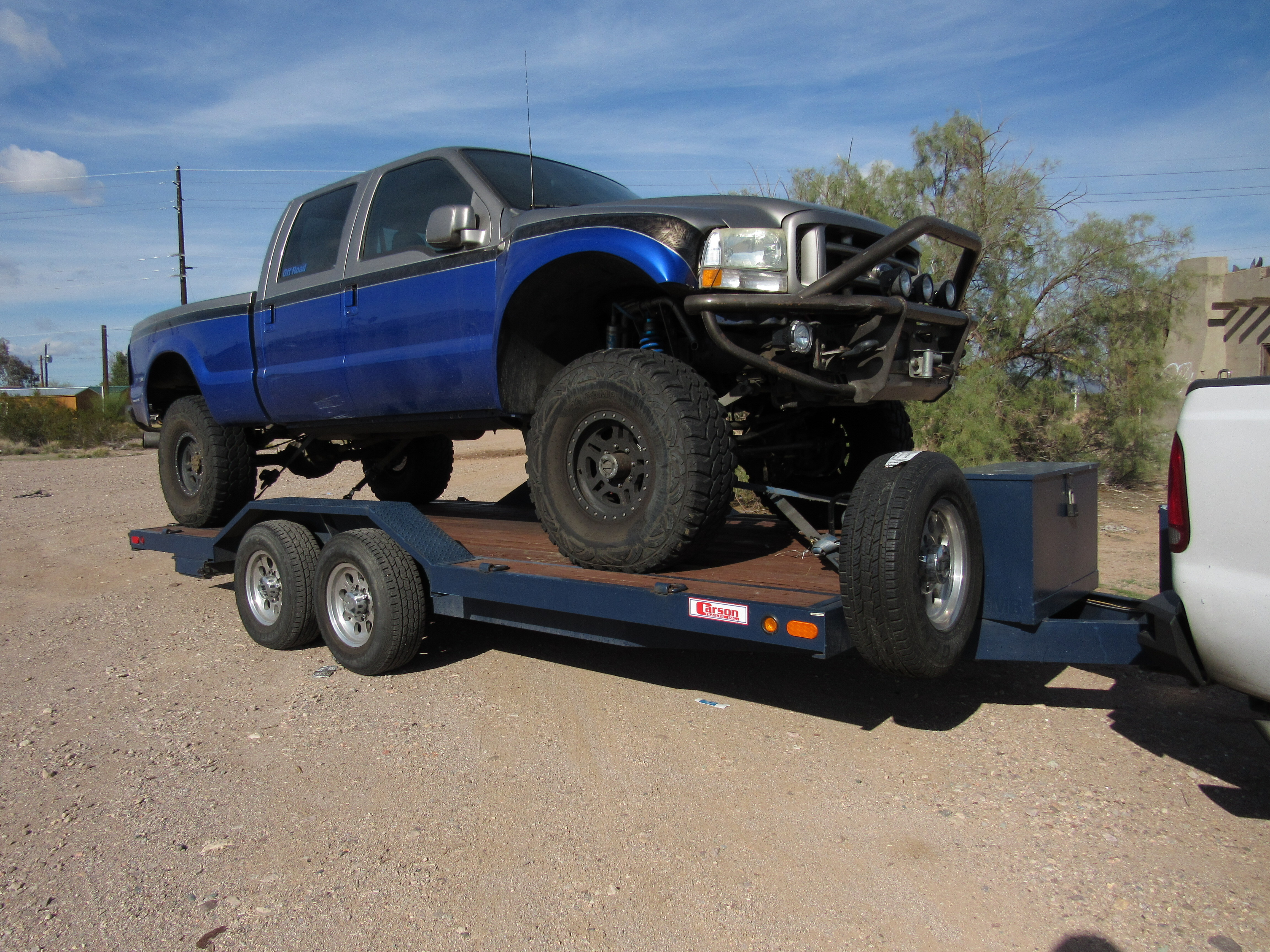
6.0 Powerstroke P0299/P0234 Diagnostic Checklist
Pull codes and freeze frame data.
Do not clear the codes first.
Check for:
- P0299 or P0234
- MAP sensor codes
- EBP sensor codes
- EGR codes
- ICP/IPR codes
- FICM voltage codes
- Fuel delivery codes
Also look at when the code set. A P0299 while towing uphill is different from a P0234 during a quick unloaded throttle hit.
Compare MAP, BARO, and EBP KOEO (Key On Engine Off).
With the key on and engine off, MAP, BARO, and EBP should read close to each other, because the truck is not making boost or exhaust pressure yet. If one reading is way off, check that circuit first. Bad sensor data can create fake underboost or overboost problems.
Inspect:
- MAP sensor
- MAP hose
- MAP pigtail
- EBP sensor
- EBP tube
- EBP pigtail
- BARO reading
Inspect the CAC Boots and Charge-Air System
For P0299 underboost**, start with the simple stuff. A boost leak usually causes low power, smoke, high EGTs, and slow spool. Pressure test the charge-air system if the leak is not obvious. Fix the boots, clamps, tubes, or intercooler leaks before blaming the turbo.
Check for:
- Split CAC boots
- Oil-soaked boots
- Loose clamps
- Blown boots
- Cracked intercooler pipe
- Loose intake elbow
- Intercooler leaks
Check for Exhaust Leaks Before the Turbo
The turbo needs exhaust drive pressure to spool. A leak before the turbo can cause P0299, slow spool, smoke, and poor towing power. If exhaust energy is escaping before the turbo, the turbo may be fine. It is just not being fed.
Look for:
- Soot around up-pipes
- Soot at exhaust manifolds
- Leaking bellows
- Loose exhaust connections
- Ticking noise when cold
- Exhaust smell under the hood
Watch VGT Duty Cycle and Boost Response
A good scan tool is important here. You want to see whether the PCM is commanding the turbo and whether boost responds correctly. The goal is to separate a turbo control problem from an air leak, exhaust leak, or sensor issue.
Common patterns:
- High VGT command with low boost: Check boost leaks, exhaust leaks, sticky-open vanes, weak VGT control, bad sensor data, low ICP, or low fuel pressure.
- Boost spikes followed by limp mode: Check sticky VGT vanes, binding unison ring, VGT solenoid, MAP data, and EBP data.
- VGT command changes but boost is lazy: Check for dirty vanes, unison ring drag, turbo wear, oil control issues, or exhaust/boost leaks.
Test the VGT Solenoid and Wiring
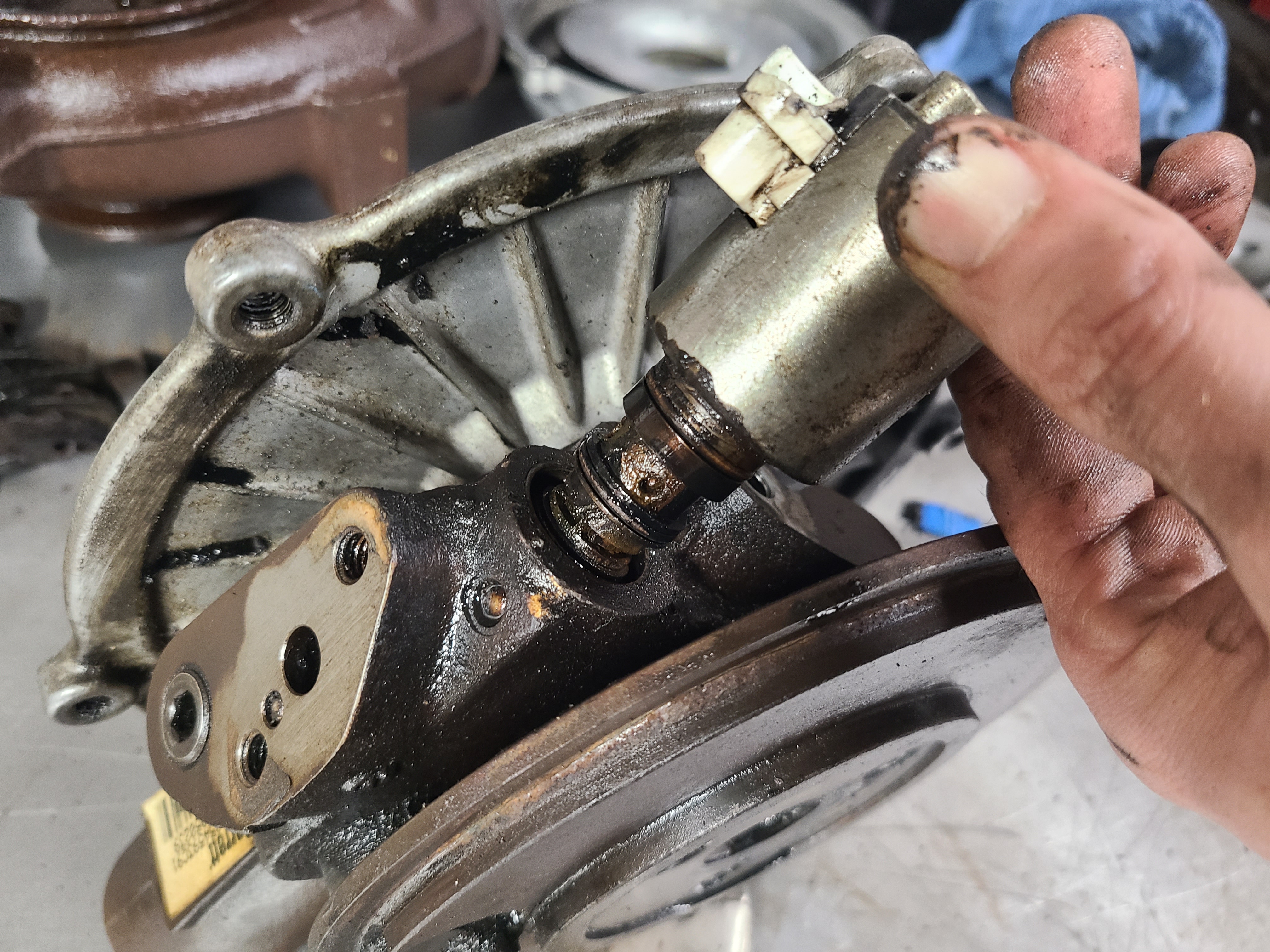
The VGT solenoid controls oil flow to the turbo actuator. If it sticks, fails, or has a wiring issue, the turbo vanes may not move correctly. Inspect the connector, pigtail, and wiring. A bad VGT solenoid can make a good turbo look bad.
Symptoms can include:
- P0299
- P0234
- Low power
- Slow spool
- Boost spikes
- Limp mode
- Erratic turbo response
Check for Sticky VGT Vanes or a Binding Unison Ring
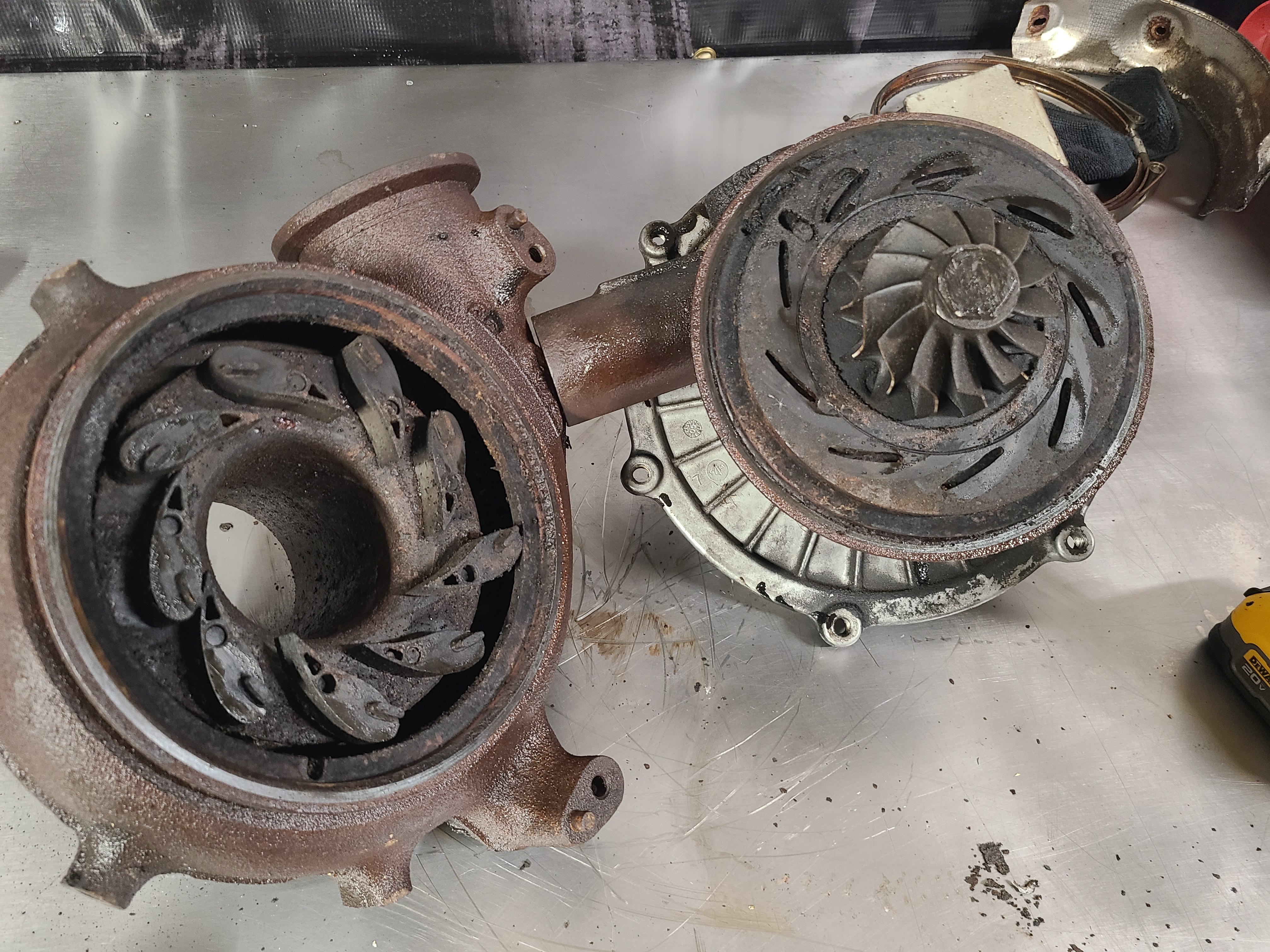
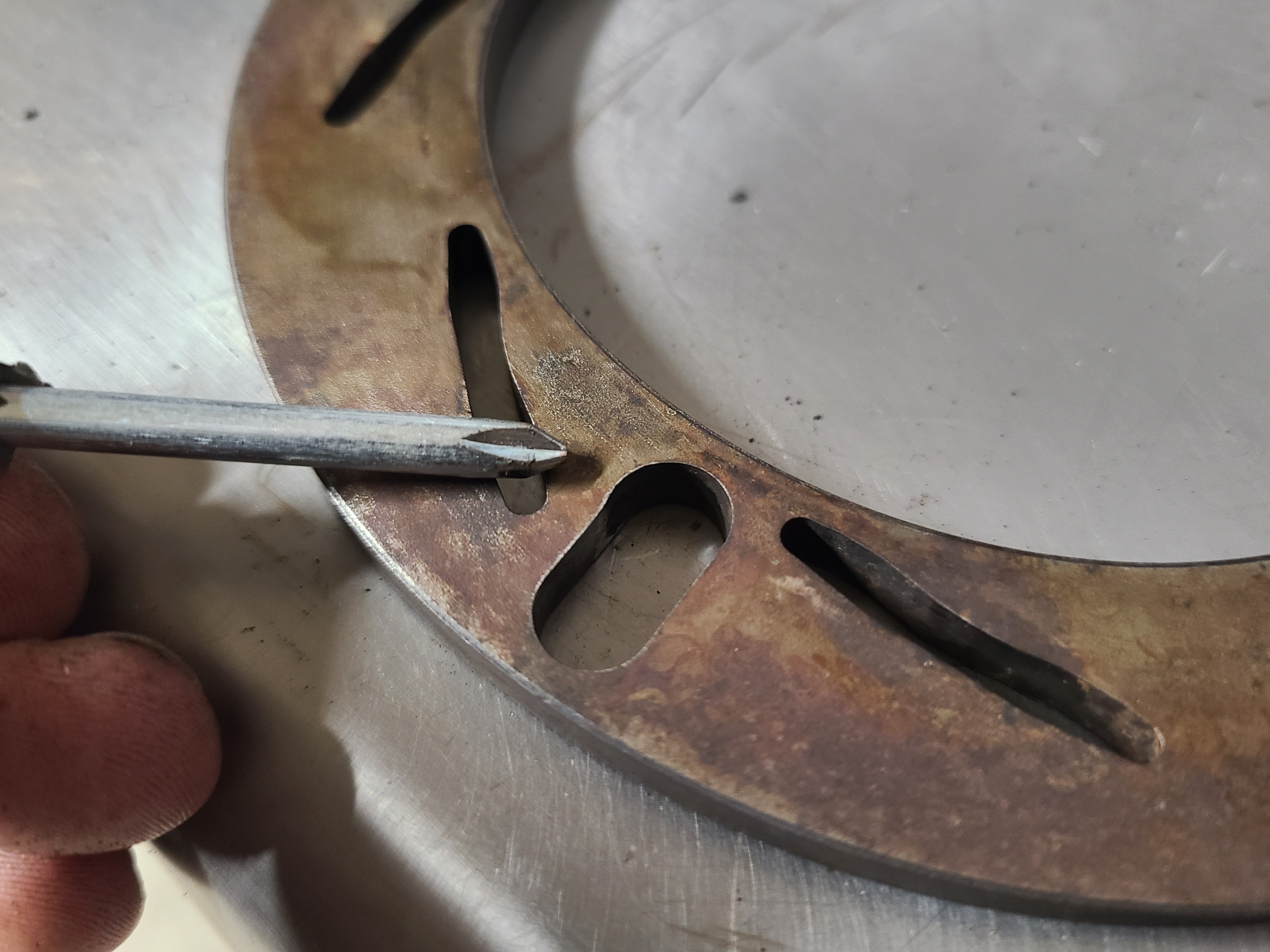
Sticky vanes are one of the most common 6.0 turbo issues. Soot, rust, moisture, short-trip driving, idling, and age can cause the unison ring and vanes to stick. When the vanes stick open, you can get P0299 underboost. When they stick closed, you can get P0234 overboost. The fix is to remove, inspect, clean, and service the turbo. If the vanes, unison ring, or turbo housing are worn or damaged, cleaning may not be enough.
Common signs include:
- Slow spool
- Boost spikes
- Turbo bark
- Surging
- Power that comes and goes
- Better behavior after hard driving, then worse later
- Poor response after long idle or short trips
Check the EBP Sensor and Tube
The EBP sensor helps the PCM manage VGT operation. If the EBP tube is clogged with soot or the sensor is biased, the PCM may command the turbo incorrectly. Clean or replace the EBP tube if restricted. Replace the sensor or pigtail only after confirming the data is bad.
Symptoms can include:
- Low power
- Poor turbo response
- P0299
- P0234
- Incorrect VGT behavior
- Strange EBP readings
- Cold drivability issues
Check the MAP Sensor and Hose
The MAP sensor tells the PCM how much boost the engine is actually making. If the MAP hose is cracked, plugged, loose, or oil-soaked, the PCM may see incorrect boost pressure. Inspect the MAP hose, fittings, sensor, and pigtail before replacing larger parts.
Symptoms can include:
- P0299
- P0234
- Limp mode
- Weird boost readings
- Low power
- Boost gauge and scan data not matching
Do Not Ignore EGR, Fuel, FICM, or ICP Problems
Not every low-boost code is a turbo problem. The turbo needs exhaust energy. If the engine is not fueling correctly, not building ICP, or bleeding air through an EGR problem, boost response can suffer. A weak-running engine can set P0299 because it is not producing enough exhaust energy to drive the turbo.
Check for:
- EGR valve stuck open
- Low fuel pressure
- Clogged fuel filters
- Weak FICM voltage
- Low ICP
- High IPR duty cycle
- Injector contribution problems
Quick Pattern Guide
P0299 With Black Smoke
Most likely:
- CAC boot leak
- Cracked intercooler pipe
- Loose clamps
- Exhaust leak before turbo
- Sticky-open VGT vanes
- Bad MAP/EBP data
Start with the charge-air system and exhaust leaks.
P0299 With No Smoke and Low Power
Most likely:
- Low fuel pressure
- Weak FICM voltage
- Low ICP
- EGR valve stuck open
- Bad sensor data
- VGT not responding
The turbo may not be the cause. The engine may not be making enough power to spool it.
P0234 With Boost Spike and Limp Mode
Most likely:
- Sticky VGT vanes
- Binding unison ring
- Bad VGT solenoid
- Bad MAP or EBP data
- Tuning-related boost control issue
Start with VGT operation and sensor readings.
P0299 and P0234 Together
Most likely:
- Sticky VGT system
- Erratic VGT solenoid
- Bad sensor data
- Intermittent wiring issue
A turbo that sticks in different positions at different times can cause both underboost and overboost codes.
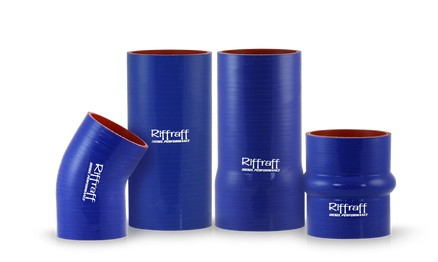
Common Riffraff Diesel Parts for 6.0 P0299 and P0234 Diagnosis
Depending on what testing shows, common parts involved include:
- 6.0L CAC boots
- Intercooler boot clamp kit
- Driver-side intercooler pipe
- MAP sensor
- MAP hose
- MAP sensor pigtail
- ICP/EBP pigtail
- EBP sensor
- EBP tube
- VGT solenoid
- VGT solenoid pigtail
- Turbo mounting hardware
- Up-pipe parts
- EGR valve
- Fuel filters
- Ford Blue Spring fuel pressure regulator kit
- FICM replacement or repair parts
Final Thoughts
P0299 and P0234 are boost-control codes, not automatic turbo-replacement codes. Both can be caused by VGT problems, boost leaks, exhaust leaks, sensor issues, EGR problems, fuel pressure issues, weak FICM voltage, or low ICP.
Start simple:
- Check the boots.
- Check the clamps.
- Check the MAP hose.
- Check EBP data.
- Check for exhaust leaks.
- Watch VGT command and boost response.
Then pull the turbo if the data points there.