1999-2003 7.3L Powerstroke Fuel Bowl Leaks: Diagnosis and Repair
Oct 7th 2026
Cold weather tends to make diesel fuel leaks appear more often. Fuel is more dense in the cold, and the seals don't like cold either. Now diesel fuel in the valley, or down lower on the engine of a 1999-2003 7.3L Powerstroke usually puts the fuel bowl high on our list of things to check first. The bowl has a pile of seals, fittings, and connections that have now spent more than 20 years dealing with heat, vibration and diesel fuel. Each is suspect, but some fall higher on the list than others. Fortunately, the aluminum bowl itself usually isn't the problem. Let's go over the most likely culprits.
Common Symptoms
- Diesel smell under the hood
- Fuel around the bowl
- Diesel collecting in the valley
- Fuel running down the back of the engine
- Drips near the bellhousing
- Low fuel pressure if the leak is significant
Drain Valve
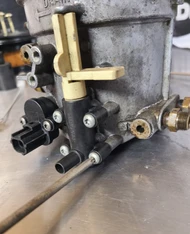
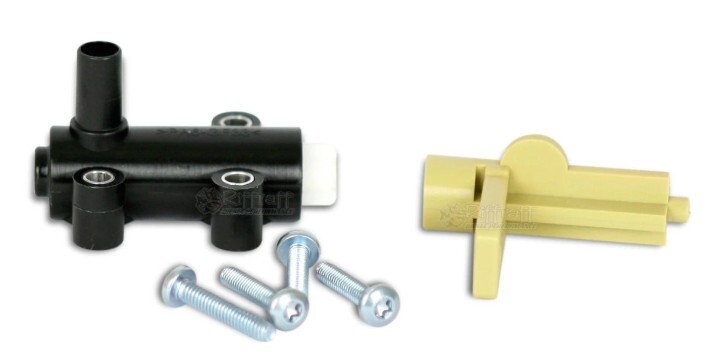
This is one of the first places we'd check. The yellow drain valve uses a stem seal and two seals between the valve and bowl. As they harden, fuel starts leaking down the side of the housing. Or if it's leaking internally, you'll see fuel leaking from under the engine, from the drain hose attached to the valve.
Our Complete Fuel Bowl Seal Kit 99-03 includes all three drain-valve seals, including Fluorosilicone seals for the valve core. If the valve itself is damaged, we also carry the complete replacement assembly.
Filter Cap
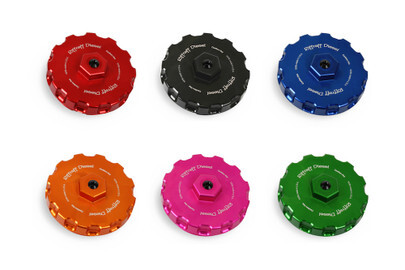
Fuel around the top of the bowl normally points toward the filter-cap O-ring or cap itself.
Check for:
- Flattened or hardened O-ring
- Pinched seal
- Cracked cap
- Damaged sealing surface
Don't keep tightening the cap to stop a bad seal. That rarely works and can cause more problems in the process. Often, replacing the gasket/O-ring will fix this. If it doesn't, try a new cap.
Fuel-Line Sleeves
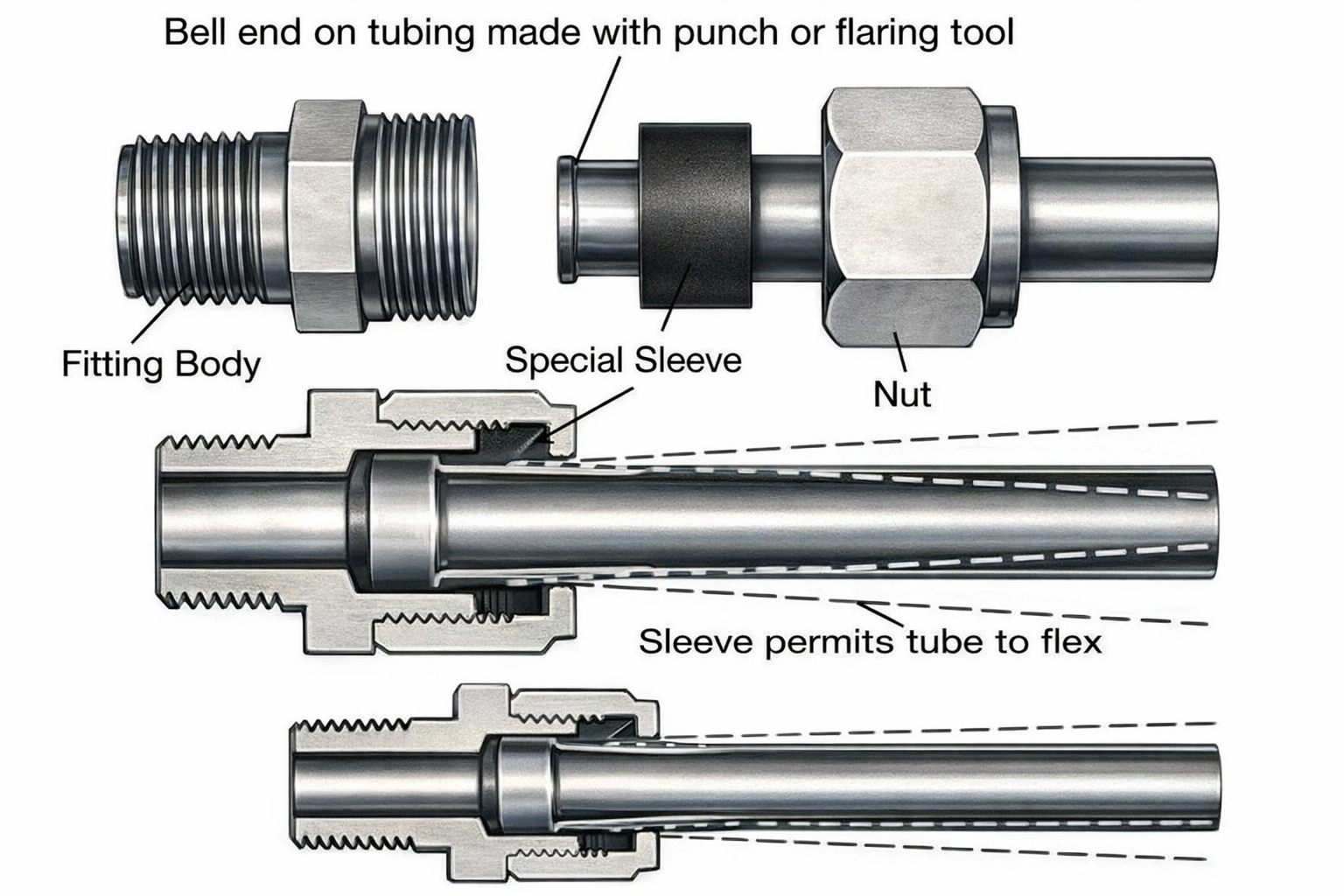
The factory lines seal to the bowl with small sleeves:
- Two 1/4-inch head-feed lines
- One 5/16-inch return line
- One 3/8-inch supply line
Those sleeves harden with age and can leak even when the fitting is tight. All four bowl-end sleeves are included in our complete Super Duty reseal kit. If you disconnect the feed lines at the cylinder heads, replace those sleeves separately. The bowl kit only supplies the bowl-end seals. Also inspect the hard lines themselves for rubbing, cracking, or damage.
Fuel Pressure Regulator
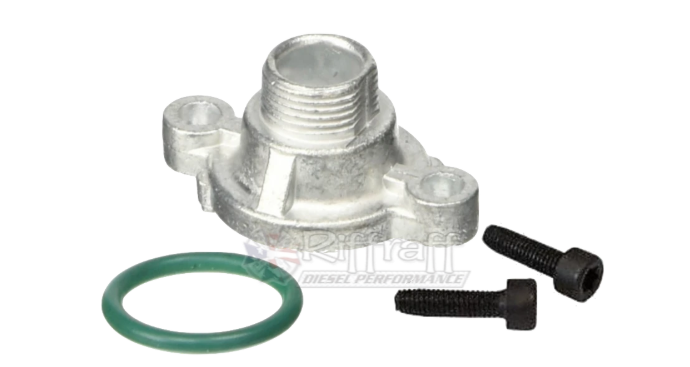
Fuel on the driver's side of the bowl can come from the FPR housing seal or related regulator seals. If fuel pressure is also low or unstable, inspect the regulator internals. Our Fuel Bowl FPR Complete Rebuild Kit 99-03 replaces the housing seal, poppet components, return sleeve, and spring components.
Less Obvious Bowl Leaks
The bowl also has seals around the:
- Water-in-fuel sensor
- Fuel heater
- Back-check piston assembly
- Bowl plugs
They're less obvious than a leaking drain valve, but they're all included in our complete bowl reseal kit.
Fastest Way to Find the Leak
Clean the bowl and valley completely.
Then cycle the key. The frame-mounted electric fuel pump will pressurize the bowl without starting the engine.
Use a flashlight and inspection mirror and look for the first fresh fuel around:
- Filter cap
- Drain valve
- Fuel-line fittings
- FPR
- Sensors and bowl plugs
A paper towel pushed against a questionable fitting works surprisingly well. If it’s wet, you found your issue.
If the Bowl Comes Out, Reseal It
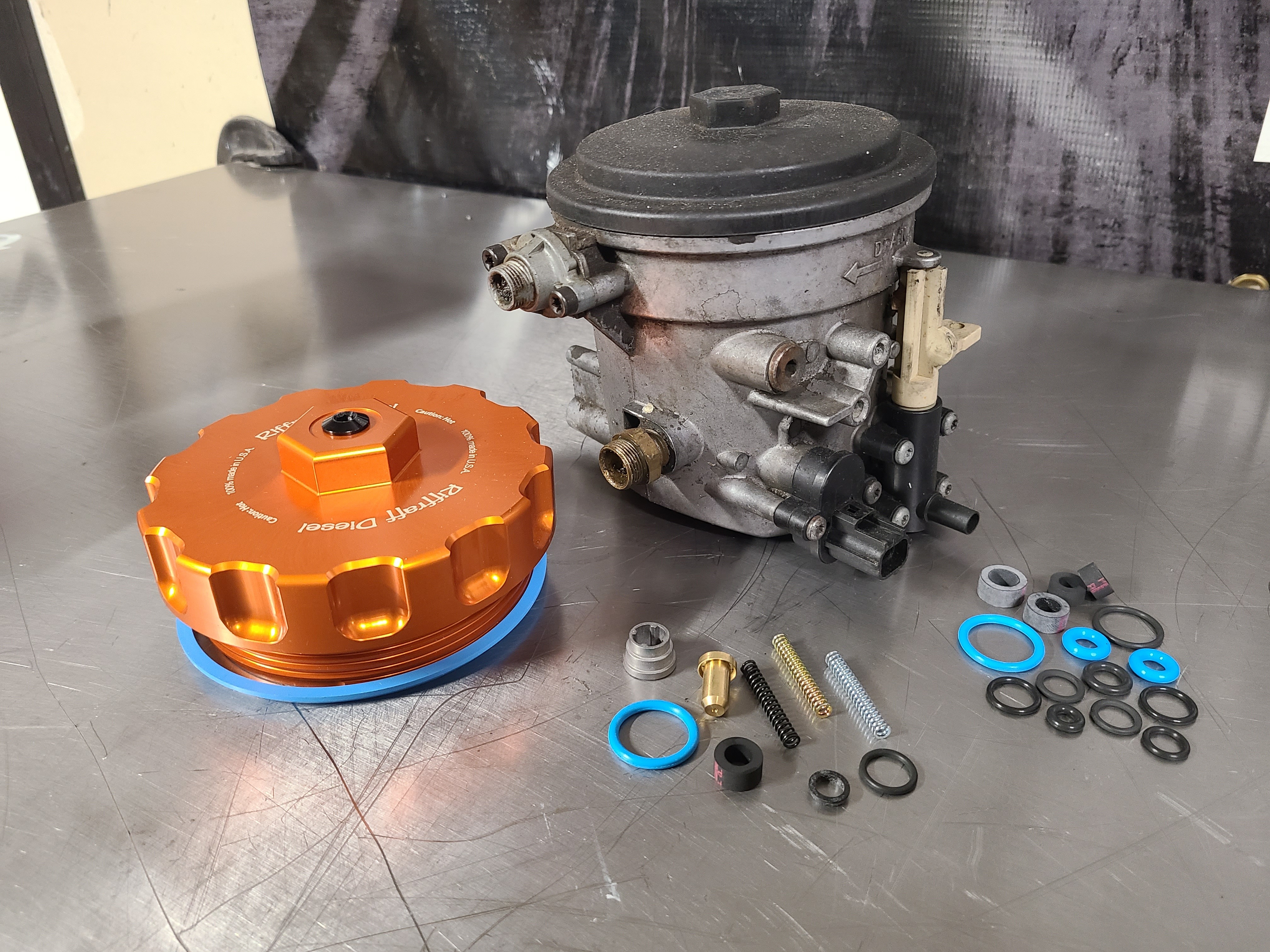
If one original bowl seal has failed, we normally replace the other seals while it's apart. Our Complete Fuel Bowl Seal Kit 99-03 contains 11 Viton O-rings, four Parker fuel sleeves, and the Fluorosilicone drain-valve seals needed to reseal the bowl.
Clean every sealing surface and lubricate the new O-rings before assembly. Don't install them dry or use extra torque, especially to try and stop a leak.
A full step by step fuel bowl reseal article can be found here: https://www.riffraffdiesel.com/blog/73-powerstroke-fuel-bowl-rebuild-full-step-by-step-how-to/
The Bottom Line
For fuel in the valley of a 1999-2003 7.3L, we'd start with the drain valve, filter cap, fuel-line sleeves, and FPR. Clean the area, key the pump on, and find the first fresh wet spot. Almost every time, you don't need another fuel bowl. You need to reseal the one you already have.
Disclaimer: The information provided on this blog is for informational purposes only. We share our knowledge and experience, but we are not liable for any damages, injuries, or losses that may occur as a result of using this information. Situations are rarely cut and dry in the automotive world. Your situation will likely be somewhat different than what we describe here. Use your best judgment and always consult a qualified professional for automotive repairs and modifications. Your safety is your responsibility.