Why the Blue Spring Upgrade Matters on a 6.0L Powerstroke
Mar 18th 2026
The blue spring upgrade exists because the 6.0L Powerstroke has a fuel pressure problem that usually starts small, stays hidden, and eventually gets expensive. From the factory, the regulator in the filter housing is supposed to keep fuel pressure in the proper range (45-55 psi). The problem is that the original spring can weaken over time, and when it does, fuel pressure can drop right when the injectors need it most.
That is a big deal because the injectors do not just use fuel for combustion. They also rely on proper fuel supply for lubrication and cooling. When pressure drops, injector wear goes up. Let it go long enough and what starts as a fuel pressure issue can turn into rough running, poor performance under load, and eventually a costly injector problem.
This is why the blue spring upgrade has become one of the most common reliability mods for these trucks. The updated spring is stiffer than the factory piece and helps raise and stabilize fuel pressure. It is not a flashy mod, and it is not the kind of upgrade that is going give you gobs of horsepower. What it does do is give the fuel system more capacity, which helps protect the injectors and makes the truck happier when towing, accelerating, or working hard.
Benefits of the Blue Spring Upgrade
The biggest benefit is better fuel pressure margin. It keeps pressure where it needs to be during demand spikes (assuming the injectors are stock size). It also helps support longer injector life, which is reason enough for most 6.0 owners. On trucks with a tired stock spring, you may also notice smoother running, more consistent throttle response, and better behavior under load. More than anything, the blue spring upgrade is about fixing a known weak point before it turns into an expensive one.
Now that the “why” is covered, the next step is getting into the install itself: what tools you need, where the regulator is located, and how to swap the updated spring without turning a quick job into a headache.
Parts Link: https://www.riffraffdiesel.com/fuel-pressure-regulator-blue-spring-kit/
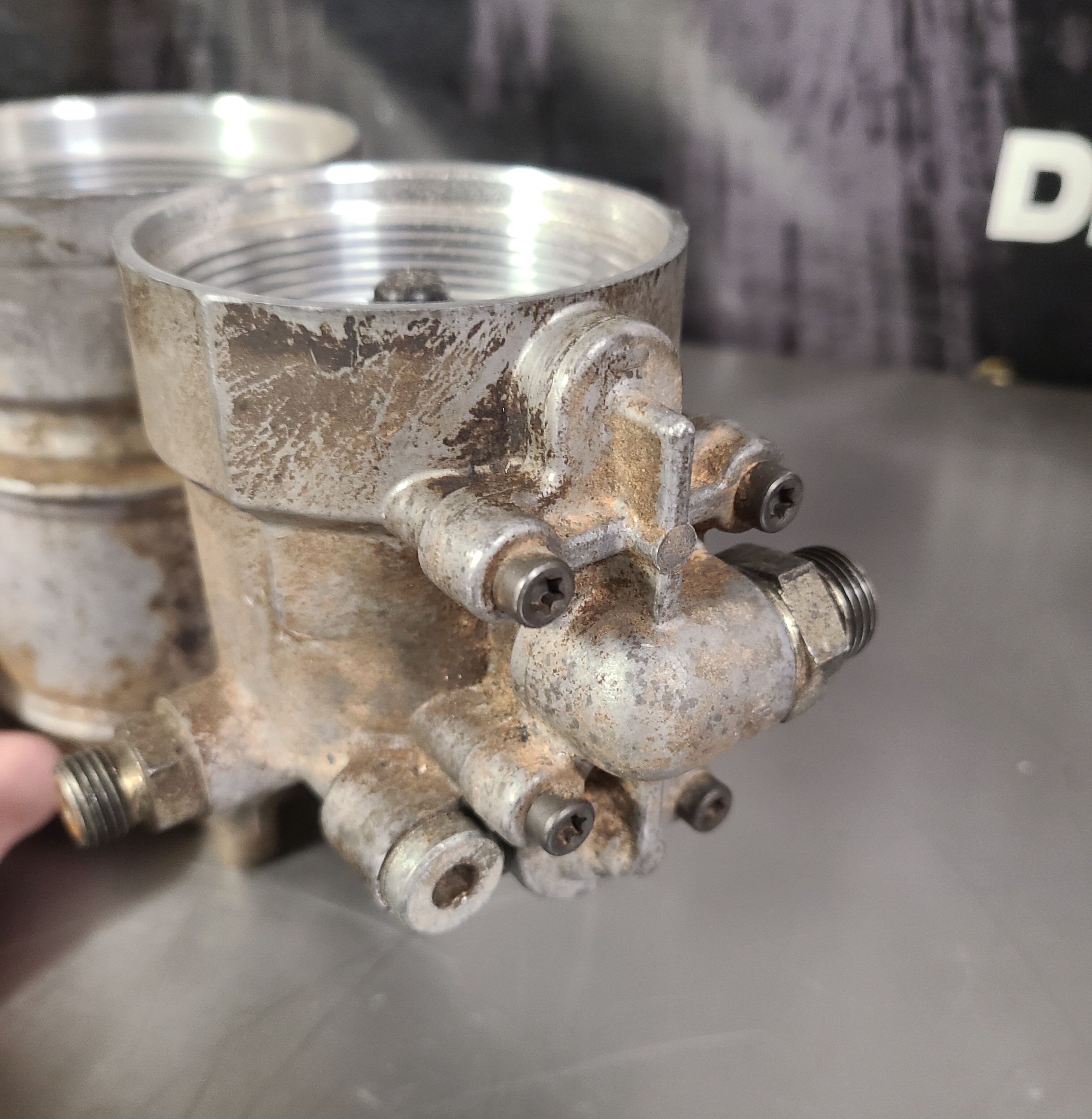
1. The first step is gaining access to the fuel pressure regulator portion of the filter housing. We won’t go in depth here, but that can be done by removing the air filter housing, intake tube and cold side intercooler pipe.
Note: To show the process better, we’ll be doing this with a spare part, on the bench. The process from this point on will be the same even with the housing in the vehicle.
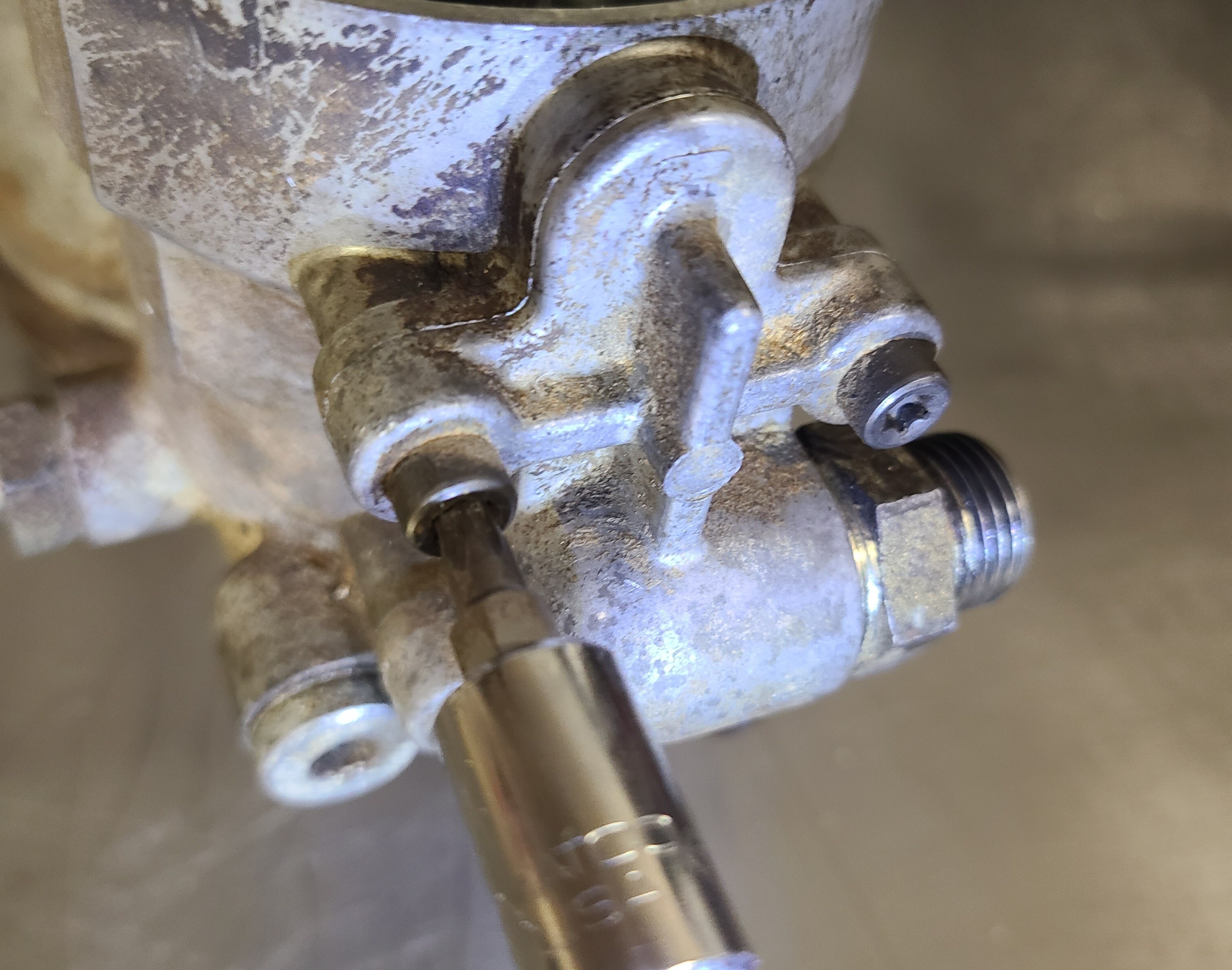
2. Using a T25 Torx bit, we'll remove the four Fuel Pressure Regulator (FPR) housing retaining bolts.
3. Remove the FPR housing but be careful as the existing spring has pressure. Make sure not to lose any of the parts (the spring and two seals are all that WON'T be reused).
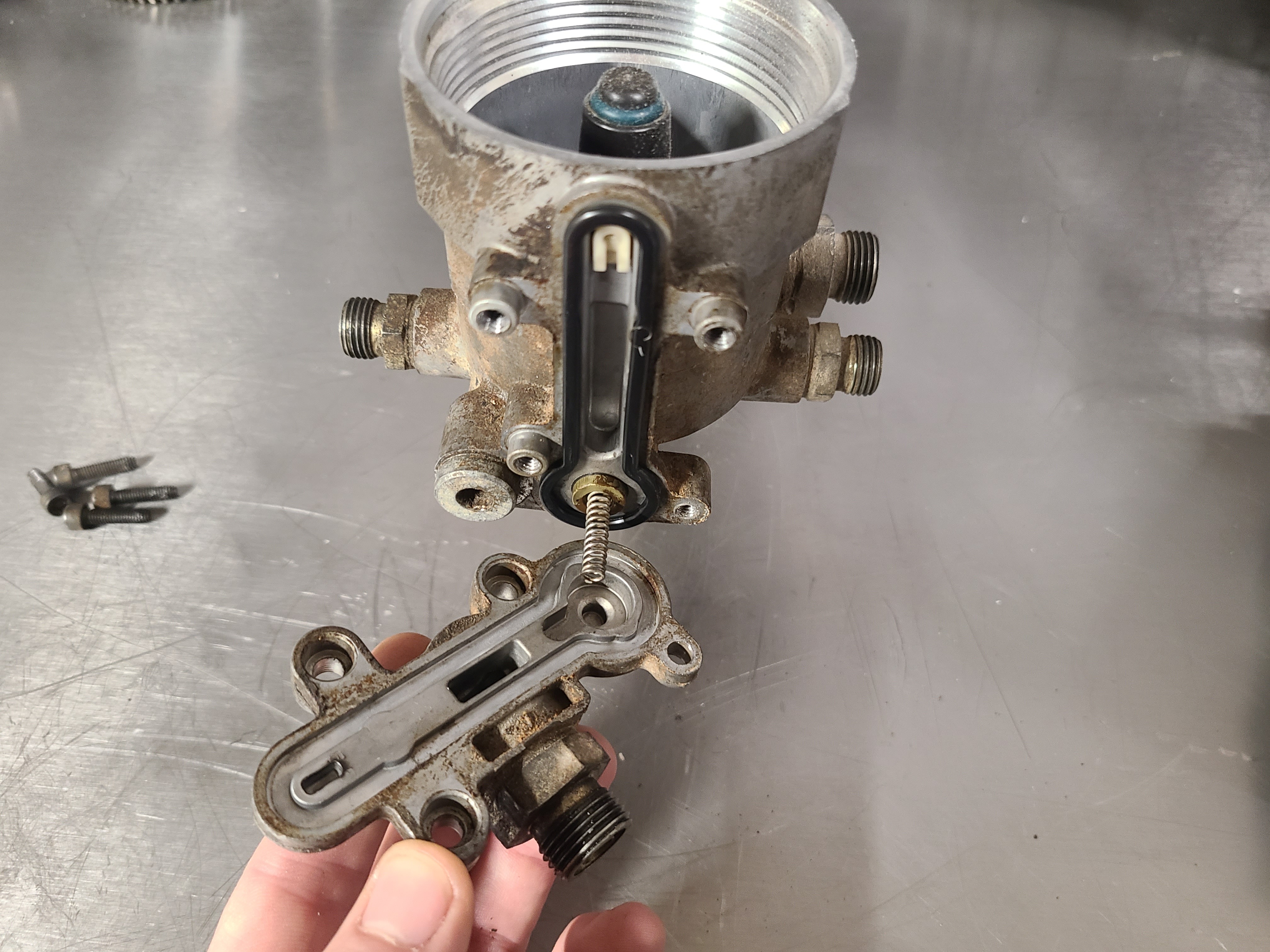
4. Next remove the factory spring.
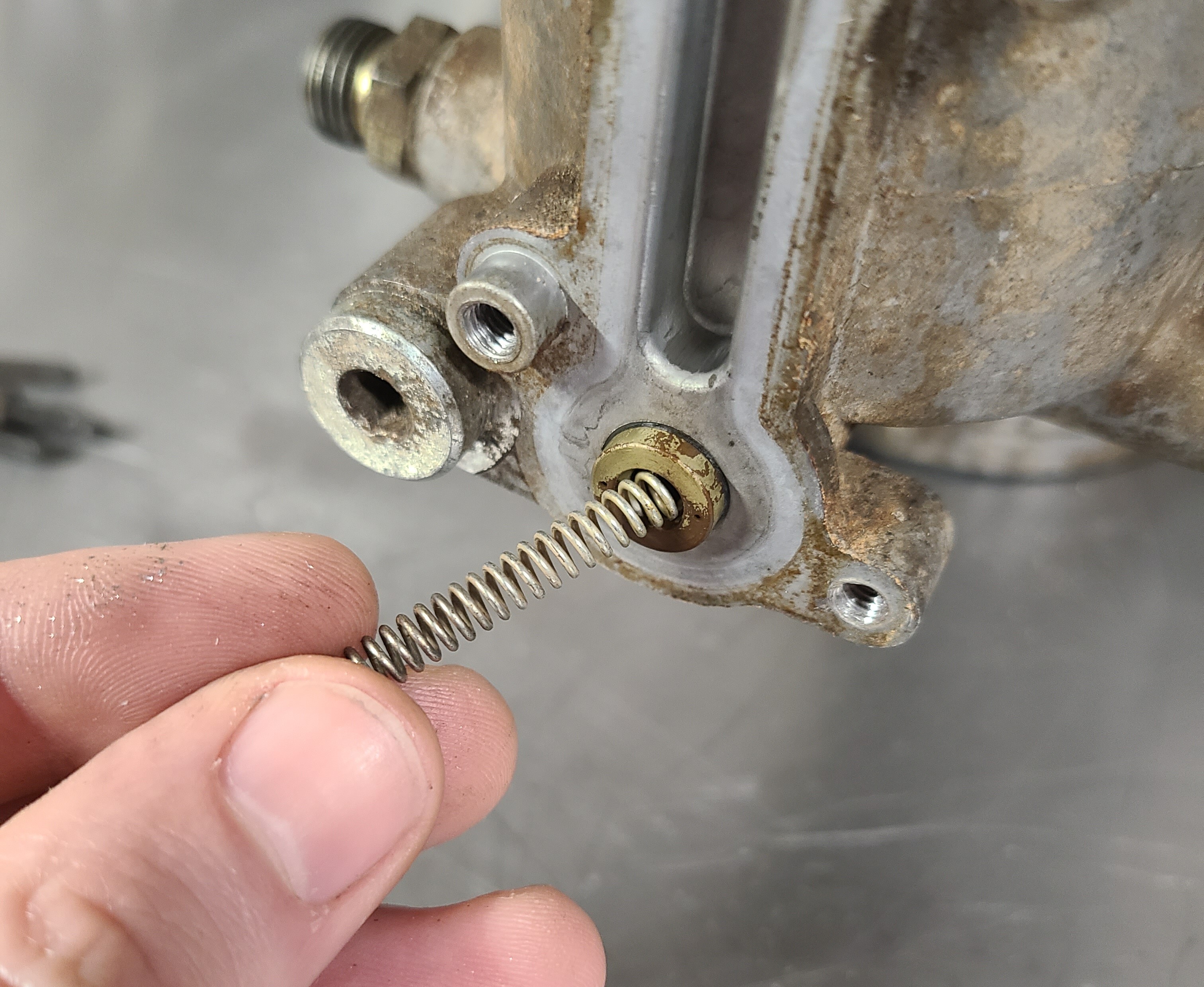
5. And the spring seat.
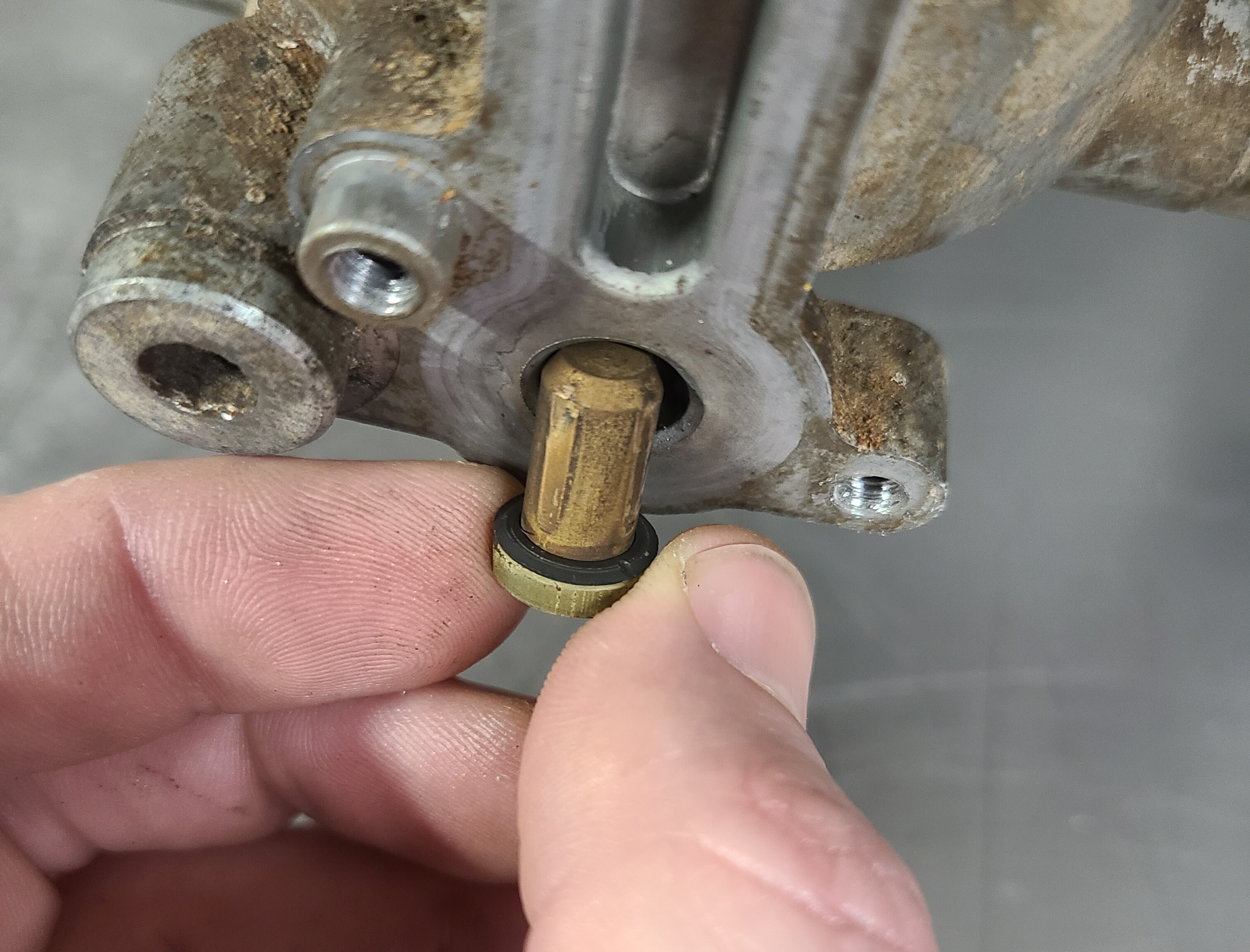
6. After a thorough cleaning of all related parts, remove the old seal from the spring seat and replace it with the supplied new seal. Make sure the taper is towards the flange, or the fat end. This image is to better show it's orientation. The seal's narrow tapered side will seat within the flange when installed correctly. Slide it all the way down.
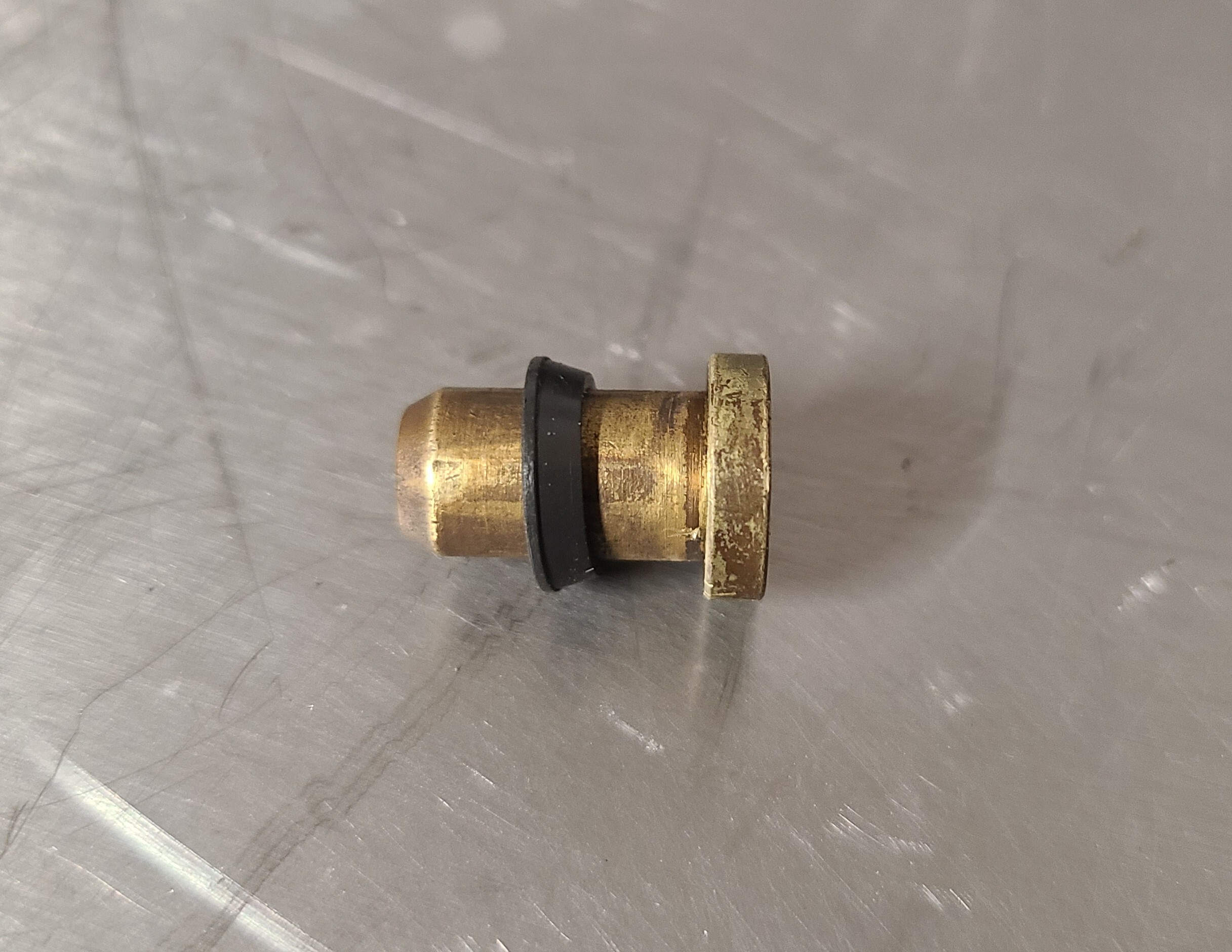
7. The seat with new seal can now be reinstalled, followed by the blue spring.
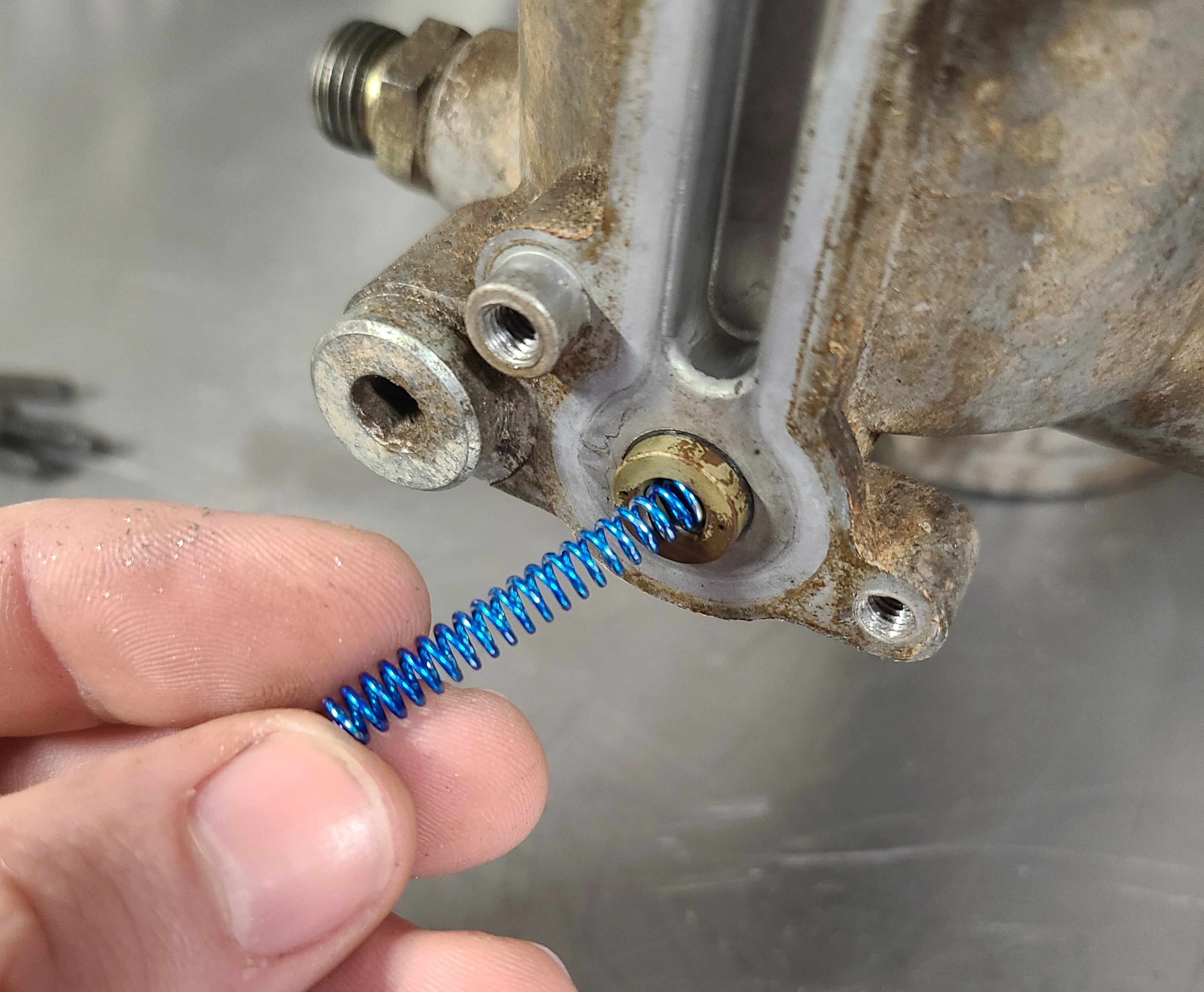
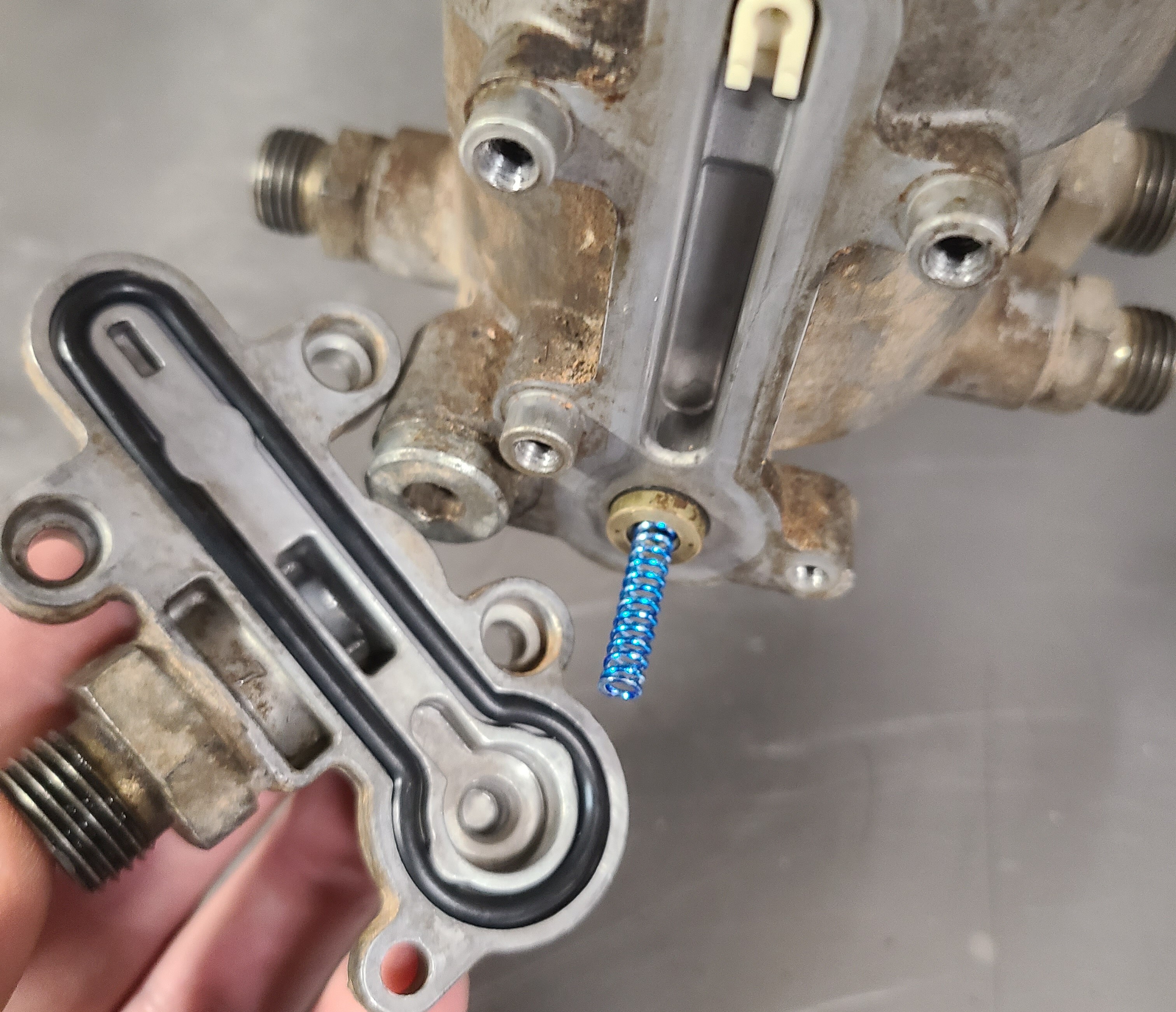
8. Place the supplied O-ring seal on the housing cover and then it too, can be reinstalled onto the housing. Keep in mind it will be under some pressure from the spring. It's easiest to hold the housing where it needs to be, then hand thread all the retaining bolts in place before torqueing them down to 25-30 in-lbs.
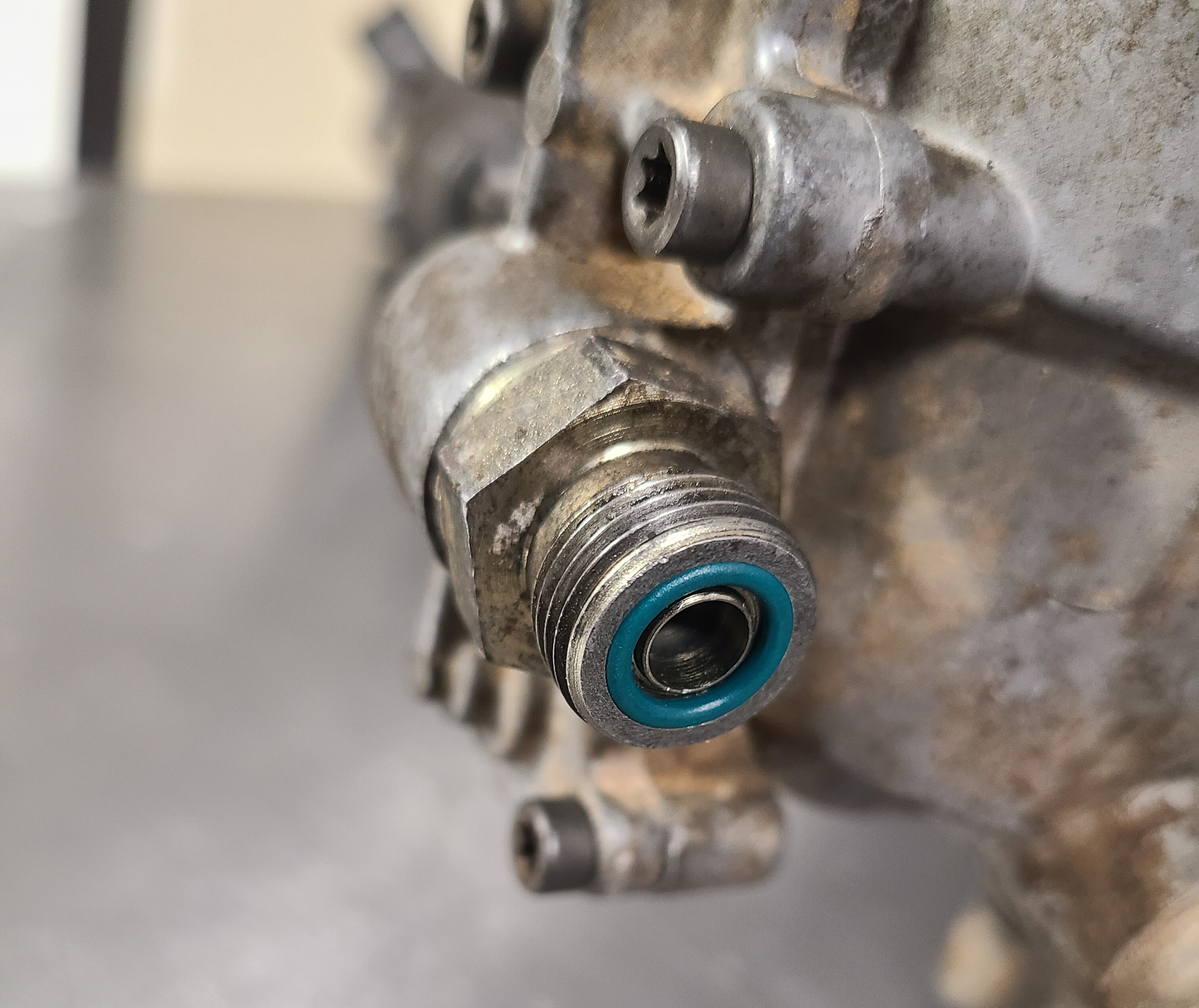
9. Replace the return side fuel line O-ring (included in the Riffraff kit) and reinstall everything that previously came off. Fire up the truck, check for leaks, and you're done.
Disclaimer: The information provided on this blog is for informational purposes only. We share our knowledge and experience, but we are not liable for any damages, injuries, or losses that may occur as a result of using this information. Situations are rarely cut and dry in the automotive world. Your situation will likely be somewhat different than what we describe here. Use your best judgment and always consult a qualified professional for automotive repairs and modifications. Your safety is your responsibility.