Why Powerstroke Owners Upgrade to Head Studs
Posted by Adam Blattenberg on May 7th 2026
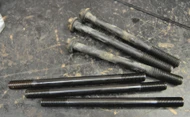
ARP head studs are one of the most common reliability upgrades for Ford Powerstroke diesel engines because they increase cylinder head clamping force. More clamping force helps keep the head gasket sealed when boost, cylinder pressure, towing heat, or performance tuning start pushing beyond what the factory head bolts were designed to handle.
The basic problem is head lift. When cylinder pressure gets high enough, the cylinder head can move slightly against the gasket. Once that happens, combustion pressure can enter the cooling system, coolant can push out of the degas bottle, and head gasket failure can follow.
Studs do not add horsepower by themselves. They help the engine survive the horsepower, boost, and workload you are asking it to handle.
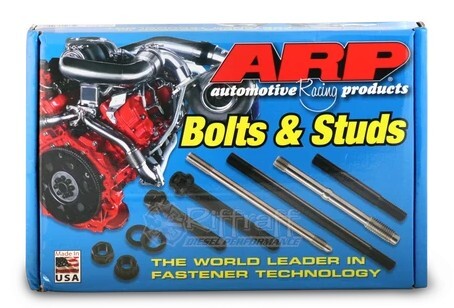
Parts Links:
7.3 ARP Head Stud Kit: https://www.riffraffdiesel.com/arp-7-3l-headstud-kit/
6.0L ARP Head Stud Kit: https://www.riffraffdiesel.com/arp-headstud-kit-03-07-6-0l/
Factory Head Fastener Differences: 7.3 vs. 6.0 vs. 6.4 Powerstroke
Not all Powerstroke engines clamp the cylinder heads the same way. That is why head studs are considered nearly mandatory on some engines and more of a smart “while you’re in there” upgrade on others.
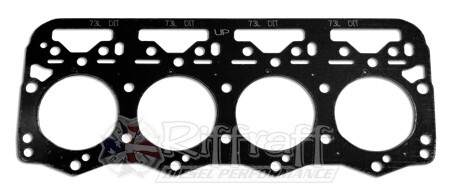
7.3L Powerstroke:
- M12 main bolts
- 36 bolts/studs total
- 6 per cylinder
Smaller bolts, but more clamping points. This is one reason the 7.3L is less prone to head gasket issues.
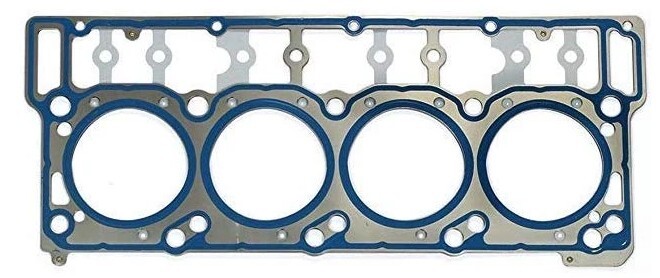
6.0L Powerstroke:
- M14 main bolts
- 20 main bolts/studs total
- 4 per cylinder
Larger bolt than a 7.3L, but fewer clamping points. This is why 6.0L head lift is so common.
6.4L Powerstroke:
- M16 main bolts
- 20 main bolts/studs total
- 4 per cylinder
Larger fasteners than the 6.0L, but still only 4 per cylinder. High cylinder pressure can still stretch factory bolts.
All In: The 6.0L uses ten M14 main head bolts per bank, plus smaller M8 top/inner-row bolts. The 7.3L uses 18 head bolts per side, or 36 total per engine. The 6.4L increased main fastener size to M16 to combat the 6.0's issues, but still uses the same basic four-fastener-per-cylinder clamping layout.
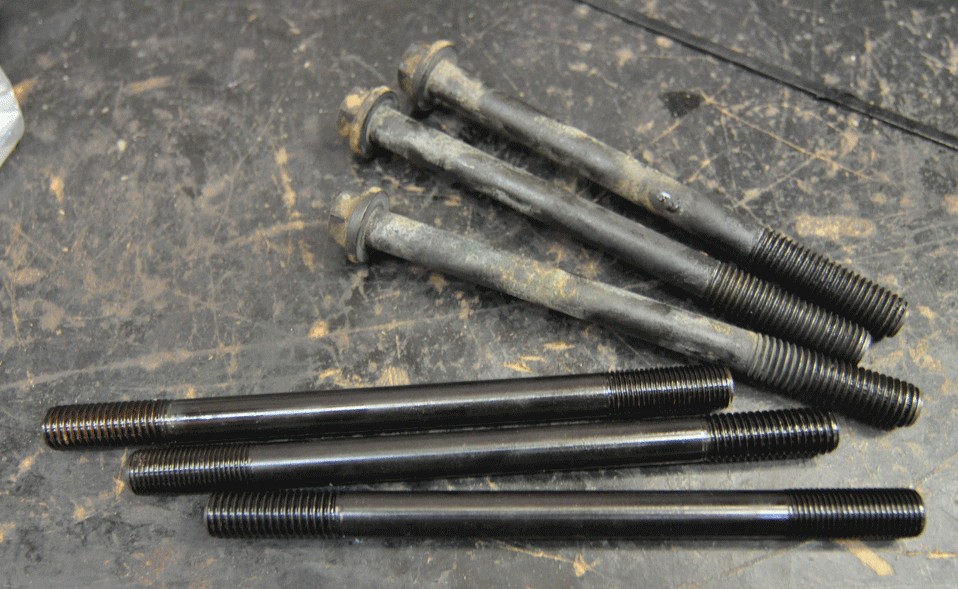
7.3L Powerstroke: Not Always Required, But Smart on Builds
The 7.3L Powerstroke does not have the same head gasket reputation as the 6.0L. Even though the factory head bolts are smaller at 12mm, the 7.3L uses more of them. With 18 fasteners per head and six clamping points per cylinder, the 7.3L has a stronger factory clamping layout than the 6.0L or 6.4L.
That is why head studs are not mandatory on every stock 7.3L.
They become a smart upgrade when the truck has larger injectors, an upgraded turbo, higher boost, aggressive tuning, heavy towing use, or the engine is already apart for a rebuild. If the heads are off, ARP studs are one of the best “do it once” upgrades.
Best use case: Performance builds, heavy towing setups, high-boost trucks, or fresh engine builds.
6.0L Powerstroke: The Most Common Stud Upgrade
The 6.0L Powerstroke is the engine most associated with head studs. The factory M14 torque-to-yield head bolts are not tiny, but the issue is the number of clamping points. With only four main fasteners per cylinder, tuned trucks, tow rigs, and higher-cylinder-pressure setups can lift the heads and compromise the gasket.
Common signs of 6.0L head gasket or head lift problems include:
- Coolant puking from the degas bottle
- Excess cooling system pressure
- Unexplained coolant loss
- White smoke or steam
- Hard upper radiator hose after sitting
- Repeat EGR cooler or coolant system issues
For most 6.0L Powerstroke trucks, ARP2000 head studs are the go-to upgrade. For higher-horsepower builds, larger injectors, bigger turbos, or hard-use tow rigs, ARP Custom Age 625+ studs are the stronger premium option.
Best use case: If the heads are coming off a 6.0L, studs should be part of the repair.
6.4L Powerstroke: Bigger Bolts, Still High Risk
The 6.4L Powerstroke improved on the 6.0L by moving to larger M16 main head bolts. That helps, but it does not remove the problem completely. The 6.4L still uses four main fasteners per cylinder, and the engine is known for high cylinder pressure, mainly from factory compound turbos, and big power gains from tuning.
That combination can stretch factory bolts and compromise head gasket sealing, especially on tuned, deleted, worked, or heavily towed trucks.
Like the 6.0L, the 6.4L benefits heavily from ARP studs when the heads are off. If the engine is already apart, this is not the place to save money.
Best use case: Tuned 6.4L trucks, head gasket repairs, performance builds, or any engine being pushed beyond stock use.
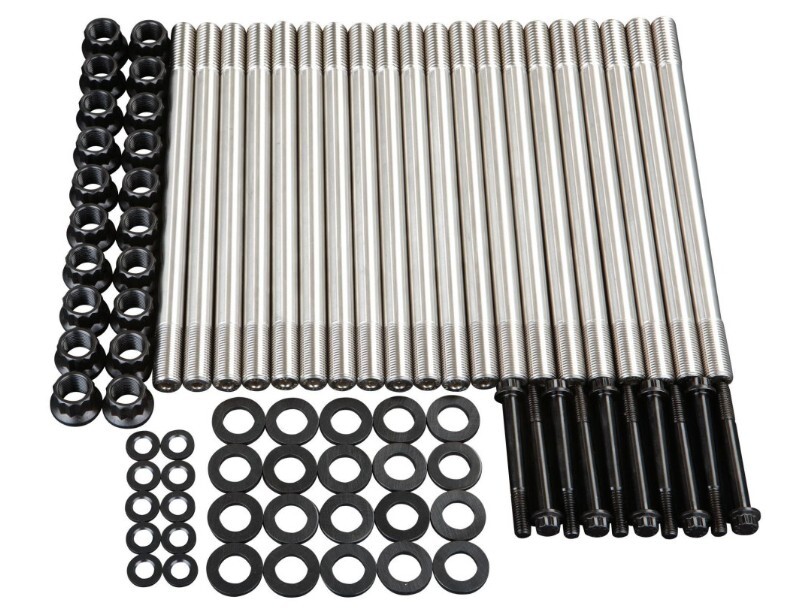
Quick ARP Head Stud Install Tips
Head studs are only as good as the job around them. Take your time and do it right.
- Have the heads inspected and resurfaced if needed
- Check for cracks, warpage, or damaged deck surfaces
- Clean the block threads thoroughly
- Use the supplied ARP lubricant
- Follow the correct ARP torque sequence
- Use quality head gaskets
- Do not mix torque specs or lubricants
- Do not ignore inner-row fasteners on 6.0L and 6.4L engines
What to Expect After Installing Studs
After installing head studs, the main result is improved reliability. The truck should have stronger head gasket sealing, better resistance to head lift, and more confidence under boost, towing load, or performance tuning.
- Less risk of coolant puking
- Better head gasket sealing
- More confidence when towing
- More reliable performance under higher boost
- A stronger foundation for future upgrades
Studs will not fix warped heads, damaged gaskets, cracked castings, or poor machine work. But when installed correctly, they are one of the best ways to keep a Powerstroke head gasket repair from becoming a repeat job.
Final Word
For the 7.3L Powerstroke, studs are not required for every stock truck. The factory 12mm bolts are smaller, but the 7.3L uses six fasteners per cylinder, which gives it a better clamping layout from the start.
For the 6.0L Powerstroke, head studs are nearly mandatory any time the heads come off. The factory M14 bolts are not the main problem—the limited four-fastener-per-cylinder layout is.
For the 6.4L Powerstroke, head studs are strongly recommended on tuned, worked, or repaired engines. The factory M16 bolts are larger than the 6.0L bolts, but the engine still sees high cylinder pressure and still uses four main fasteners per cylinder.
The simple answer: if cylinder pressure is going up, factory head bolts become the weak link. Studs give your Powerstroke the clamping force it needs to stay sealed, stay reliable, and keep working.
Disclaimer: The information provided on this blog is for informational purposes only. We share our knowledge and experience, but we are not liable for any damages, injuries, or losses that may occur as a result of using this information. Situations are rarely cut and dry in the automotive world. Your situation will likely be somewhat different than what we describe here. Use your best judgment and always consult a qualified professional for automotive repairs and modifications. Your safety is your responsibility.