Top 10 6.0 Powerstroke Scan Tool Readings Every Owner Should Know
May 27th 2026
The 6.0L Powerstroke is not the engine you diagnose with hopes, guesses, and a Facebook comment that starts with “my buddy’s did that.”
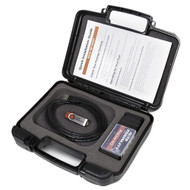
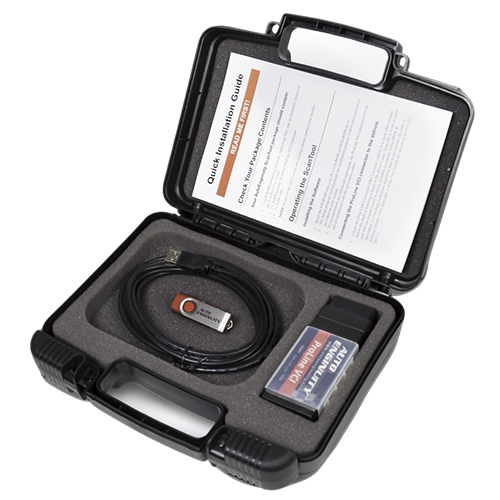
A good scan tool is mandatory. Not just for codes, but for live data. Collect codes, data log, and watch items like ICP, IPR duty cycle, and turbo vane position before throwing parts at the truck. Keep in mind that basic parts-store scanners often won’t read everything a 6.0 owner actually needs. We personally use and recommend AutoEnginuity (found HERE).
Here are the 10 scan tool readings every 6.0 owner should know.
1. FICM Main Power
Why it matters:
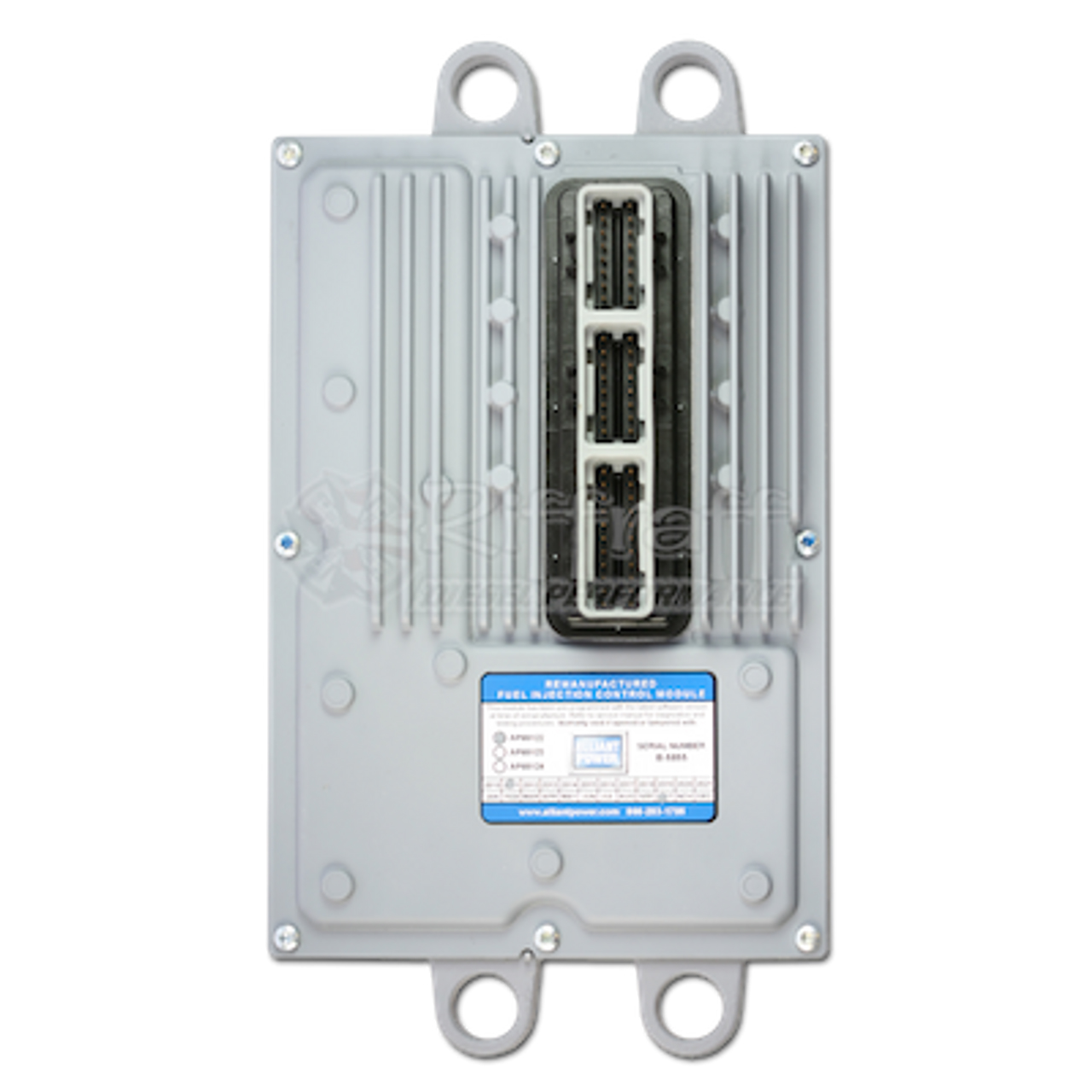
The FICM controls injector operation. If voltage is weak, the truck can hard start, misfire, run rough when cold, smoke, or act like it has bad injectors.
What to watch:
FICM main power should be 45 volts or higher. If FICM power is significantly below 45 volts, suspect a FICM module issue.
What bad readings mean:
Low FICM voltage can mimic injector stiction, especially cold. Don’t buy injectors until you know the FICM is doing its job.
2. FICM Logic / Vehicle Power
Why it matters:
The FICM still needs good truck-side voltage. Weak batteries, bad cables, poor grounds, or a dragging starter can make a good FICM look bad.
What to watch:
FICM L power and V power need to stay above 11.5 volts. If they drop below that, Oregon recommends load-testing the batteries.
What bad readings mean:
Low voltage can create hard starts, false diagnostics, and electronic weirdness. Fix the battery/cable/starter problem first or the rest of your data is dirty.
3. ICP Pressure While Cranking
Why it matters:
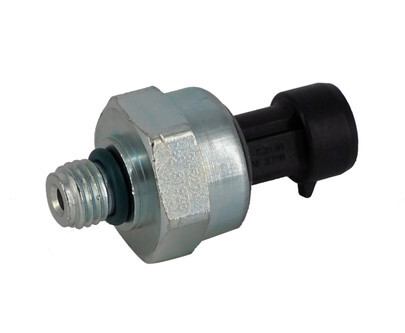
The 6.0 uses high-pressure oil to fire the injectors. No ICP, no start. It really is that simple.
What to watch:
ICP needs to exceed 500 PSI during cranking for the engine to start. Cranking ICP under 500 PSI is a sign that more high-pressure oil system diagnosis is needed.
What bad readings mean:
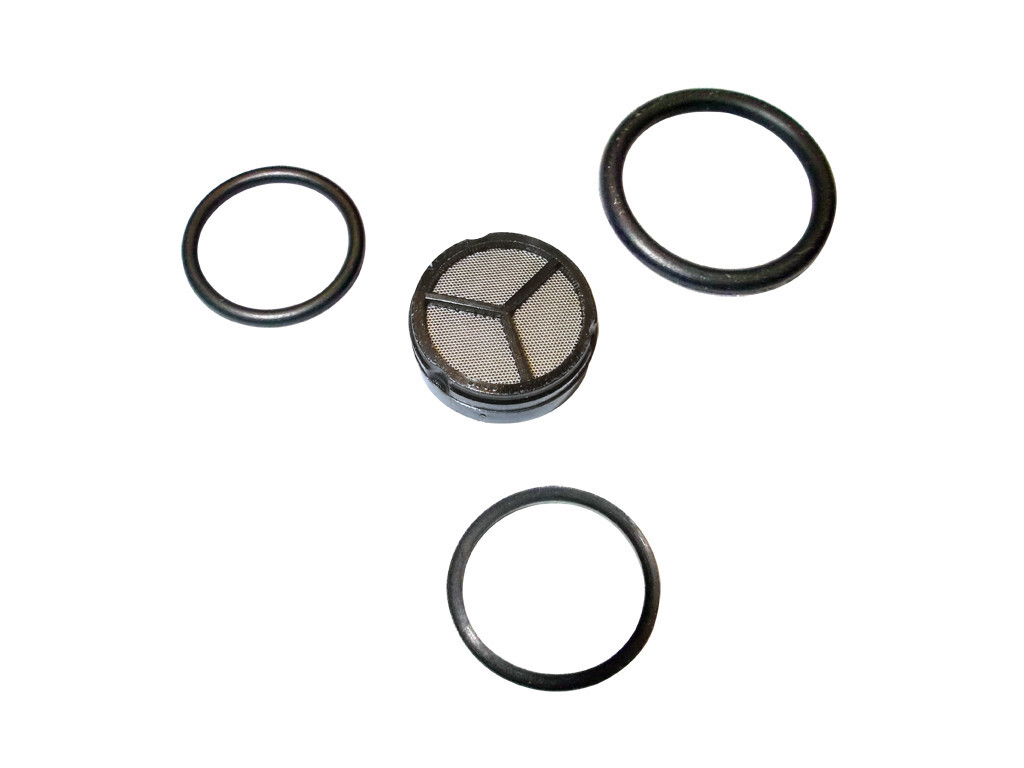
Low ICP during crank can point to an HPOP issue, IPR problem, failed ICP sensor, low oil, oil aeration, STC fitting, dummy plugs, standpipes, rail plugs, or injector O-ring leaks. In other words, don’t guess. Watch the number.
4. IPR Duty Cycle
Why it matters:
ICP tells you pressure. IPR duty cycle tells you how hard the PCM is working to make that pressure happen.
What to watch:
IPR should not reach and maintain 85%. If ICP does not match desired ICP and IPR is at 85%, the high-pressure oil system needs to be tested.
What bad readings mean:
High IPR with low ICP usually means the system is trying, but pressure is leaking or not being controlled. Think stuck IPR, HPO leak, standpipes, dummy plugs, STC fitting, rail plugs, injector seals, or pump output.
5. ICP Voltage
Why it matters:
ICP pressure is only useful if the sensor is telling the truth. A bad ICP sensor or oil-soaked pigtail can send you on a very expensive parts chase.
What to watch:
ICP sensor voltage should be about 0.16–0.28 volts KOEO after the engine has been off for at least two minutes at normal operating temperature. Bullet Proof Diesel also lists roughly 0.2–0.25 volts KOEO and says ICP voltage should rise to at least 0.8 volts while cranking.
What bad readings mean:
Erratic ICP can point to a bad sensor, bad pigtail, high-pressure oil leak, sticky IPR, or debris in the oil rails. Oil in the ICP connector is a big clue.
6. FICM Sync / Cam-Crank Sync
Why it matters:
The PCM and FICM need to know where the engine is in its rotation. No sync means no start, no matter how many parts you threaten it with.
What to watch:
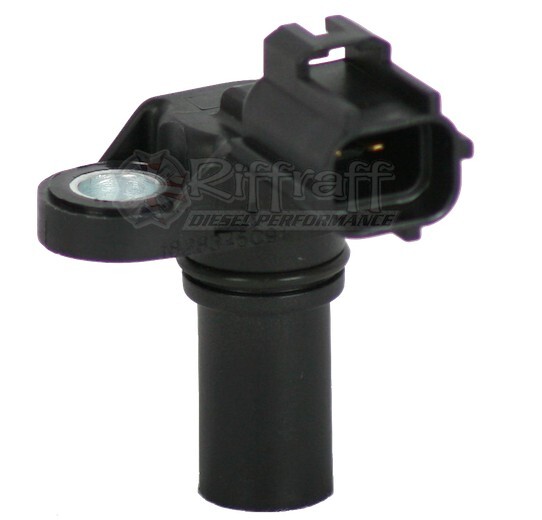
Monitor FICM sync and crank/cam sync with a scanner, because no sync equals no start. Also note that if FICM sync always says no, there is a loss of camshaft or crankshaft position signal.
What bad readings mean:
No sync points toward CMP/CKP sensor issues, wiring, connector problems, or PCM/FICM communication issues.
7. Cranking RPM
Why it matters:
The 6.0 needs enough cranking speed to build oil pressure, sync, and fire the injectors. Slow cranking can look like a high-pressure oil problem when it’s really electrical or starter-related.
What to watch:
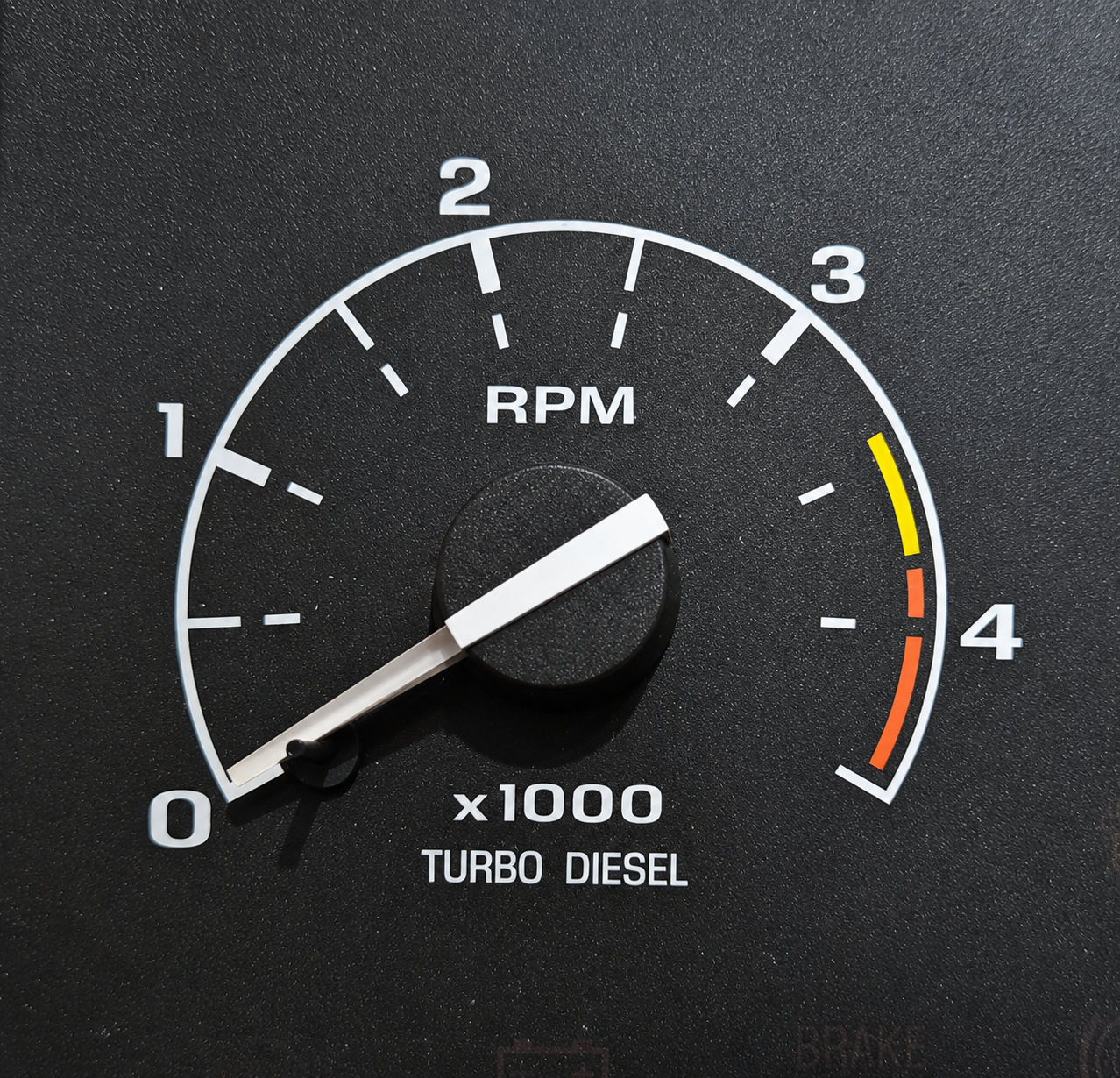
Standard cranking speed should be around 175 RPM cold and 215 RPM warm.
What bad readings mean:
Low cranking RPM means check batteries, cables, grounds, starter draw, oil viscosity, and mechanical drag before blaming the HPOP.
8. EOT vs. ECT Delta
Why it matters:
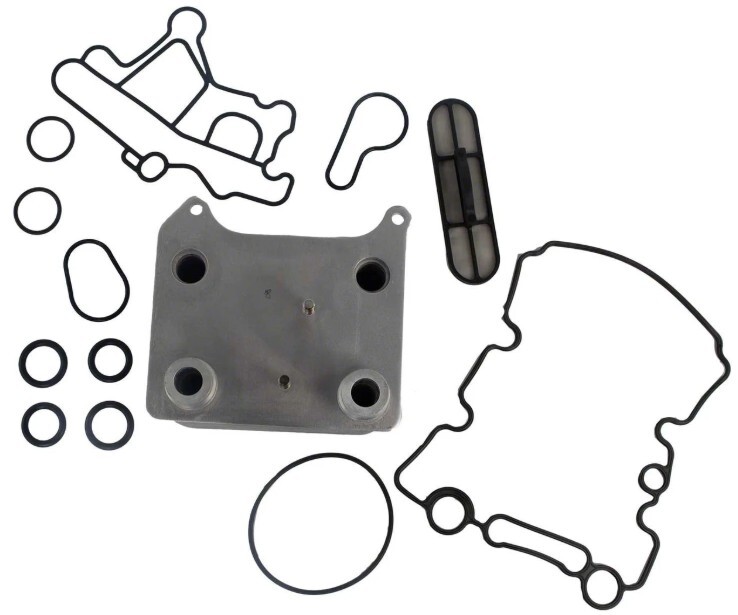
This is one of the biggest 6.0 readings. Engine oil temperature versus engine coolant temperature tells you a lot about oil cooler health.
What to watch:
Oil and coolant temps should be less than 15°F apart at highway speeds. High oil temperature can lead to early EGR cooler and head gasket failures.
What bad readings mean:
A wide EOT/ECT split usually means the oil cooler is restricted. Ignore it long enough and the EGR cooler may get invited to the failure party.
9. MAP / Boost
Why it matters:
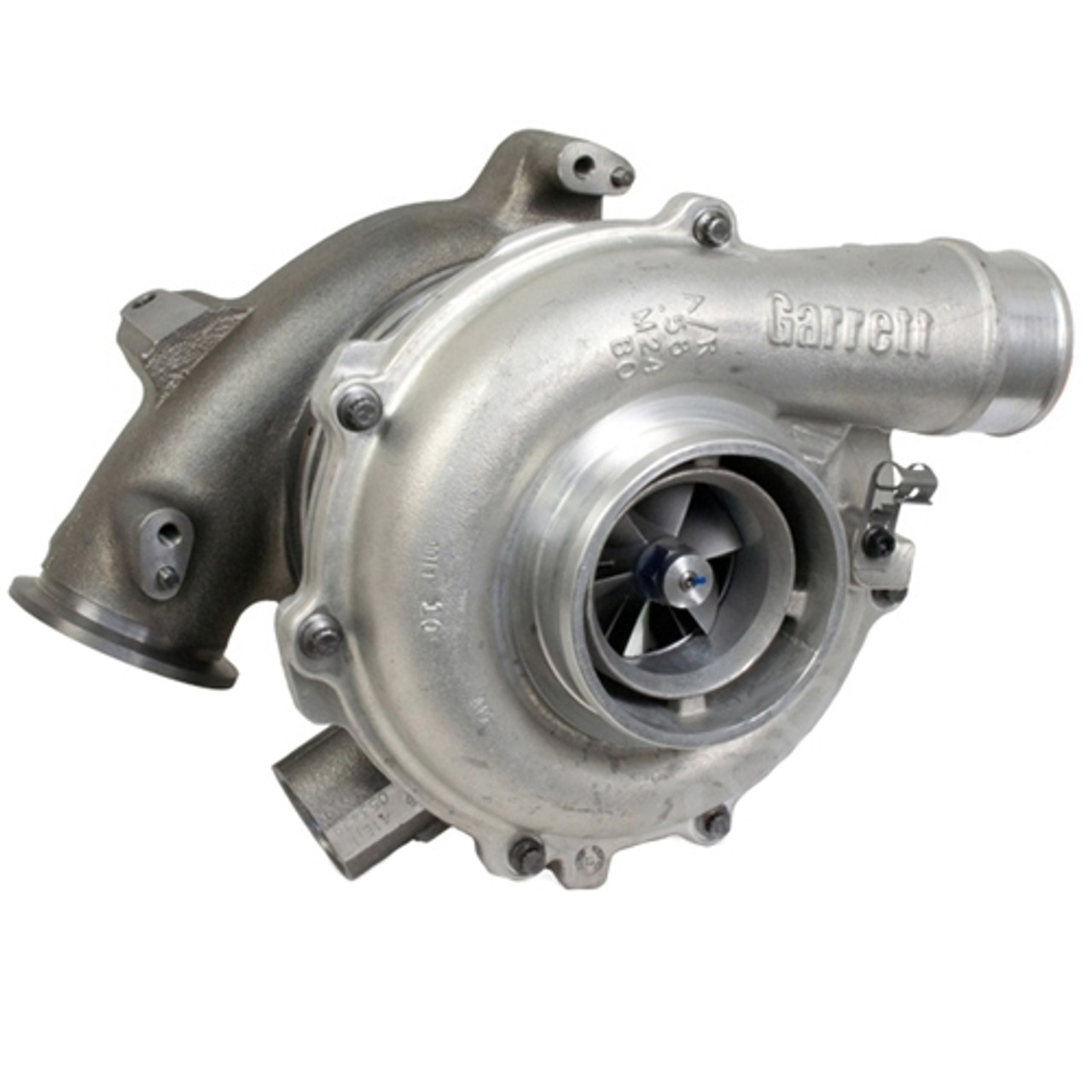
Low power, smoke, high EGT, and lazy throttle response are often boost problems, not automatically injector problems.
What to watch:
Normal 6.0 boost should be around 22–25 PSI in 3rd gear at WOT per Ford. Boost leaks, dirty air filters, faulty MAP sensors, low ICP, fuel aeration, and low FICM voltage are common low-power contributors.
What bad readings mean:
Low boost can come from torn CAC boots, cracked charge tubes, intercooler leaks, exhaust leaks, stuck VGT vanes, EGR problems, or bad sensor data. Don’t blame the turbo until the plumbing is proven.
10. VGT Duty Cycle / Turbo Vane Operation
Why it matters:
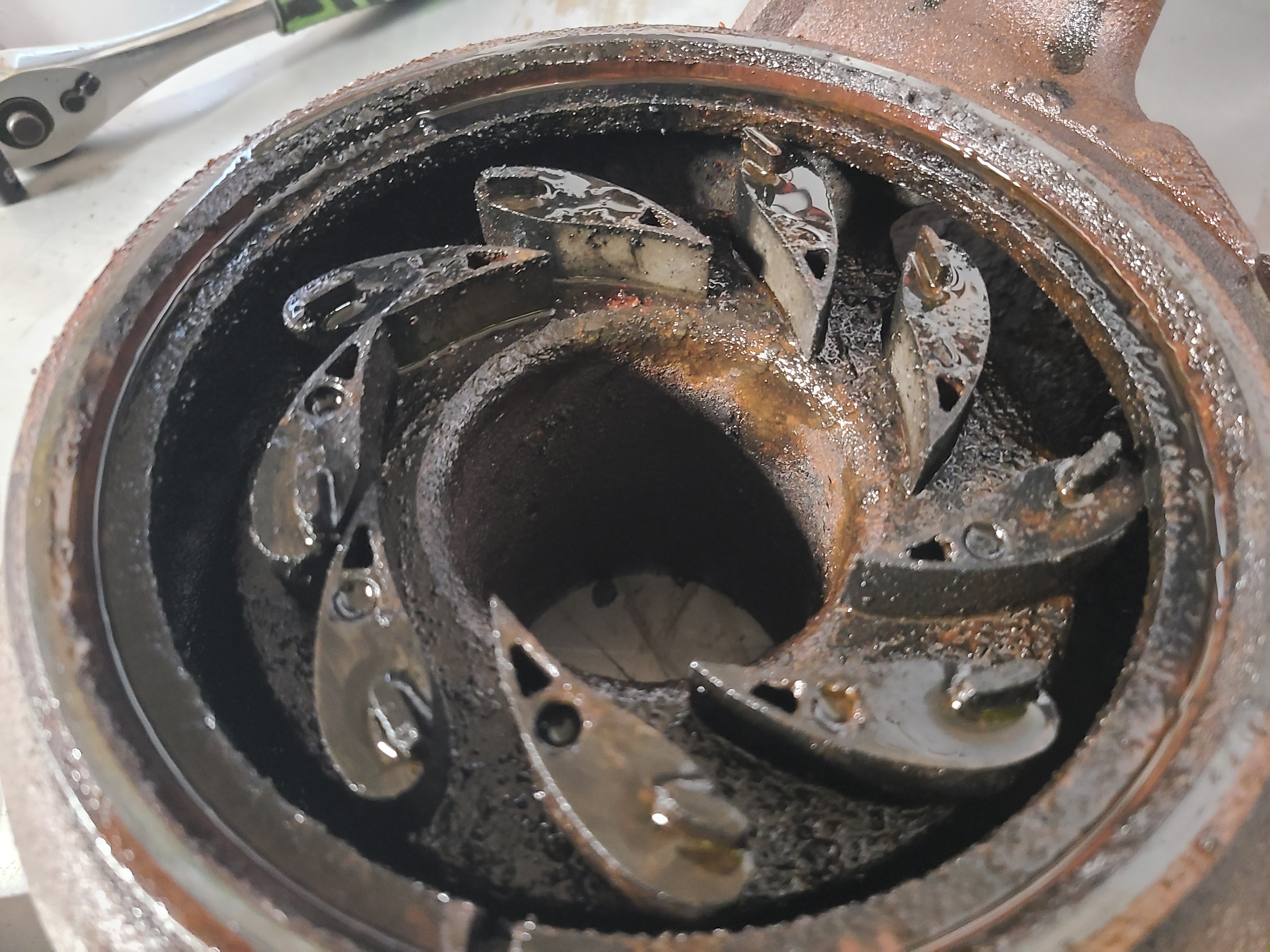
The 6.0’s variable geometry turbo is great when it works and annoying when it doesn’t. Sticking vanes can cause low power, turbo bark, chuffing, slow spool, overboost, underboost, and EGR-related codes.
What to watch:
Lack of power and boost is common on 6.0 trucks and is often caused by sticking turbo vanes. Recommend running the KOER (Key On Engine Running) EGR and VGT test multiple times to check for erratic operation or sticking.
What bad readings mean:
If commanded vane movement and boost response don’t line up, suspect sticky vanes, unison ring issues, exhaust leaks, EGR issues, plugged turbo oil feed, or a sensor/control problem.
Bonus Reading: Fuel Pressure
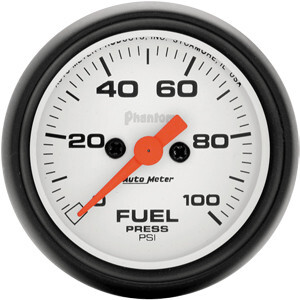
Fuel pressure is not a scan-tool reading on a 6.0. Riffraff specifically says fuel pressure cannot be checked with a scanner on a 7.3 or 6.0 and must be checked with a mechanical or digital gauge. Normal 6.0 fuel pressure is listed at 45–60 PSI, and low fuel pressure can damage injectors.
So yes, scan the truck. But put a gauge on it too. A 6.0 with perfect-looking scan data and low fuel pressure is still a truck quietly eating injectors.
Final Thoughts
A 6.0 owner with a good scan tool is already ahead of the parts cannon crowd. The 6.0 will usually tell you what’s wrong. You just need the right scanner, the right readings, and enough patience.
- Watch FICM voltage.
- Watch sync.
- Watch cranking RPM.
- Watch ICP and IPR together.
- Watch EOT versus ECT.
- Watch boost and VGT behavior.
Then verify fuel pressure with a gauge.
Disclaimer: The information provided on this blog is for informational purposes only. We share our knowledge and experience, but we are not liable for any damages, injuries, or losses that may occur as a result of using this information. Situations are rarely cut and dry in the automotive world. Your situation will likely be somewhat different than what we describe here. Use your best judgment and always consult a qualified professional for automotive repairs and modifications. Your safety is your responsibility.