Top 10 6.0 Powerstroke Problems That Look Like Bad Injectors But Aren’t
May 27th 2026
The 6.0L Powerstroke gets accused of having bad injectors every time it coughs, smokes, cranks too long, idles rough, or wakes up angry in the cold.
Sometimes, yes, it really is injectors. The 6.0 is famous for killing them. But a lot of “bad injector” symptoms are caused by fuel pressure, FICM voltage, high-pressure oil leaks, bad sensor data, weak batteries, boost leaks, or glow plug problems.
Before you start pricing injectors, check these first.
1. Weak FICM Voltage
Why it looks like injectors:
Hard starts, rough idle, misfires, white smoke, loping cold idle, and weak injector buzz can all make the truck feel like it has dead injectors.
What it usually is:
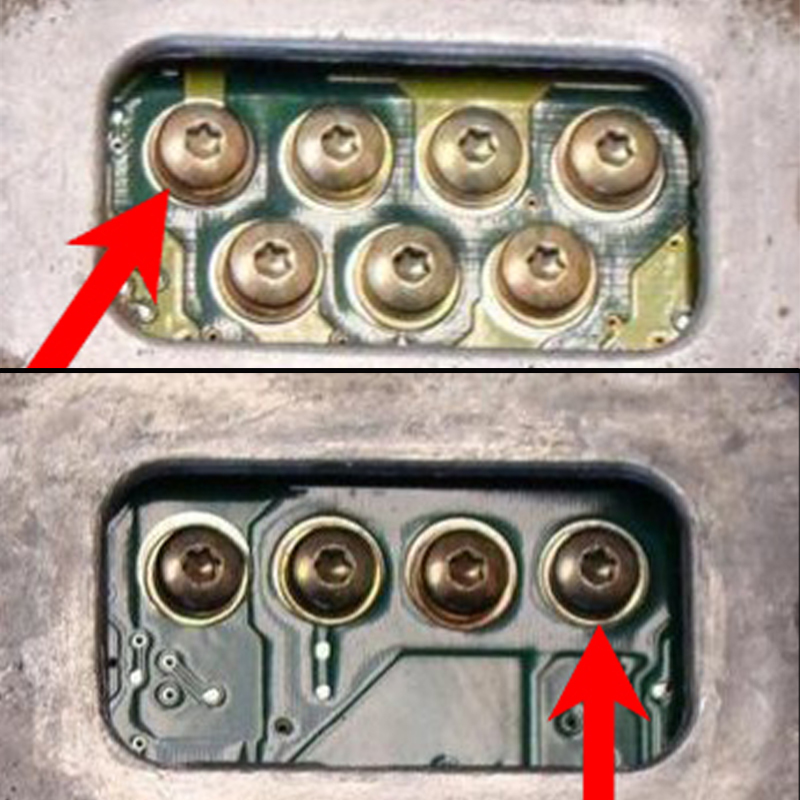
The FICM controls the electrical side of injector operation. Riffraff notes that FICM issues commonly cause long crank, rough early idle, misfires, white smoke, and cold running problems. Good voltage is around 48 volts, while 45 volts or lower is weak.
The fix:
Test FICM voltage, verify battery and charging health, then repair or replace the FICM if voltage is low.
What you should notice:
Cleaner cold starts, smoother idle, and fewer misfires.
Tips:
FICM Testing How To HERE
2. Low Fuel Pressure
Why it looks like injectors:
Rough running, low power, long crank, injector noise, and poor throttle response can all feel like fuel injectors giving up.
What it usually is:
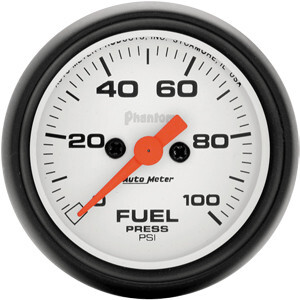
The injectors may not be getting enough fuel. Check fuel delivery issues like clogged filters, weak pumps, air in the lines, and leaking check valves. Fuel pressure should be checked at the test port and should be over 45 psi while cranking.
The fix:
Start with fresh 6.0L fuel filters, verify fuel pressure with a gauge, and consider the Ford Blue Spring upgrade. Riffraff notes the Blue Spring kit typically raises fuel pressure 8–10 psi and helps keep the injectors from outflowing the stock pump.
What you should notice:
Better throttle response, quieter idle, stronger fuel delivery, and fewer symptoms that falsely point at injectors.
3. Clogged Fuel Filters
Why it looks like injectors:
The truck may start hard, run rough, fall flat under load, or feel like it has one or more weak cylinders.
What it usually is:
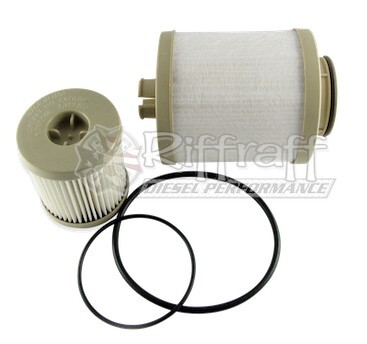
A plugged filter can starve the injectors, even if the injectors themselves are fine. The 6.0 uses both primary and secondary fuel filters, and Riffraff’s fuel filter set includes both elements for 2003–2007 trucks.
The fix:
Replace both fuel filters with quality filters before diagnosing expensive fuel system parts.
What you should notice:
Cleaner starts, better power, smoother running, and less injector abuse from poor fuel supply.
4. High-Pressure Oil Leaks
Why it looks like injectors:
Long crank, hot no-start, rough running, weak power, and low ICP can make the truck act like the injectors are not firing correctly.
What it usually is:
The 6.0 uses high-pressure oil to operate the injectors. If that system leaks, the injectors may be fine but still won’t fire properly. Riffraff lists common 6.0 high-pressure oil failures as STC fitting leaks, dummy plug and standpipe O-ring leaks, injector O-ring leaks, HPOP issues, and IPR problems.
The fix:
Watch ICP and IPR data, air test the high-pressure oil system, then repair the actual leak point.
What you should notice:
Faster starts, better hot restart behavior, and a truck that quits acting like every start is a negotiation.
Tips:
Common 6.0L Fluid Leaks List HERE
5. Bad Standpipes or Dummy Plugs
Why it looks like injectors:
Hot no-starts and long crank times often get blamed on injectors because the truck cranks but will not fire cleanly.
What it usually is:
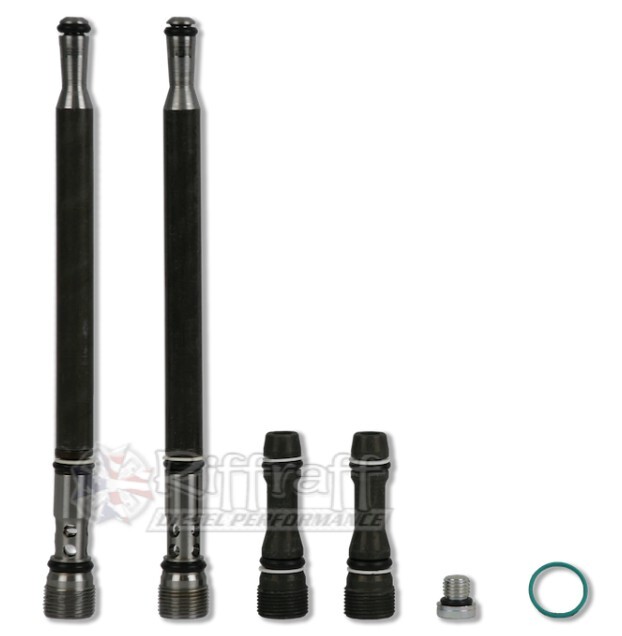
On later 6.0 trucks, standpipes and dummy plugs can leak internally and bleed off high-pressure oil. Our Standpipe & Dummy Plug Kit uses an improved design with integrated check valves to help retain oil at the top of the engine and build pressure faster at start-up.
The fix:
Replace worn standpipes and dummy plugs when high-pressure oil testing points that direction.
What you should notice:
Shorter crank time, better hot starts, and more consistent ICP build.
6. Sticking or Leaking IPR Valve
Why it looks like injectors:
A bad IPR can cause hard starts, rough idle, low ICP, stalling, surging, and weak power. That makes it very easy to blame injectors.
What it usually is:
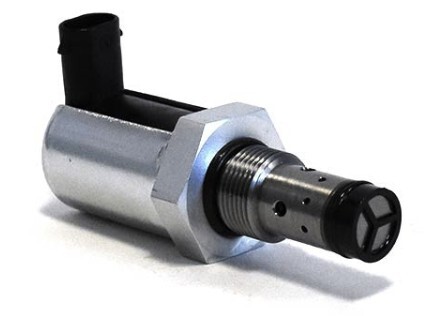
The IPR controls high-pressure oil. If it sticks, leaks, or gets contaminated, the oil system can’t properly control injector actuation. Dirty, stuck, or faulty IPR valves are common 6.0 hard-start causes.
The fix:
Inspect, clean, reseal, or replace the IPR as needed. Don’t skip the screen and O-rings.
What you should notice:
More stable ICP, smoother idle, cleaner starts, and less random high-pressure oil weirdness.
7. Faulty ICP Sensor or Pigtail
Why it looks like injectors:
Bad ICP data can cause rough running, hard starts, surging, stalling, or low-power complaints that feel like injector failure.
What it usually is:
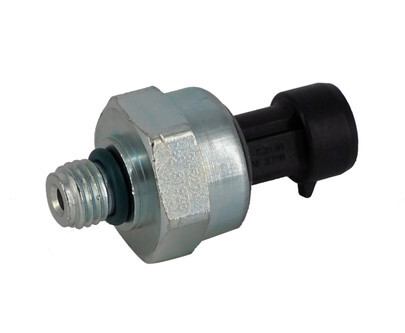
The PCM is making decisions based on bad pressure information. Our HPOP guide notes that if a 6.0 cranks but won’t build ICP, the issue may be IPR, oil leaks, STC fitting, rail seals, standpipes, dummy plugs, branch tube seals, or sensor-related diagnosis — not automatically injectors.
The fix:
Check ICP readings, inspect the connector for oil contamination or damaged wiring, and replace the sensor or pigtail only after confirming the data is bad.
What you should notice:
Cleaner pressure control, fewer false codes, and diagnostics that stop chasing their own tail.
 8. Glow Plug or GPCM Problems
Why it looks like injectors:
Cold hard starts, white smoke, rough cold idle, and poor running until warm can look exactly like injector stiction or weak injectors.
What it usually is:
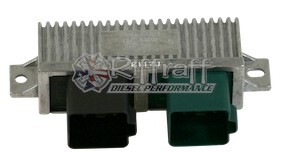
The glow plug system may not be preheating the cylinders correctly. Failed glow plugs, GPCM failure, and harness issues are common cold-start problems, with symptoms including very hard cold starts and excessive white smoke.
The fix:
Test glow plugs, inspect harness connections, and diagnose the GPCM before blaming injectors.
What you should notice:
Easier cold starts, less white smoke, and a smoother cold idle.
9. Weak Batteries or Slow Cranking
Why it looks like injectors:
Slow crank, long crank, no-start, rough start, and electrical weirdness can all make the injection system look guilty.
What it usually is:
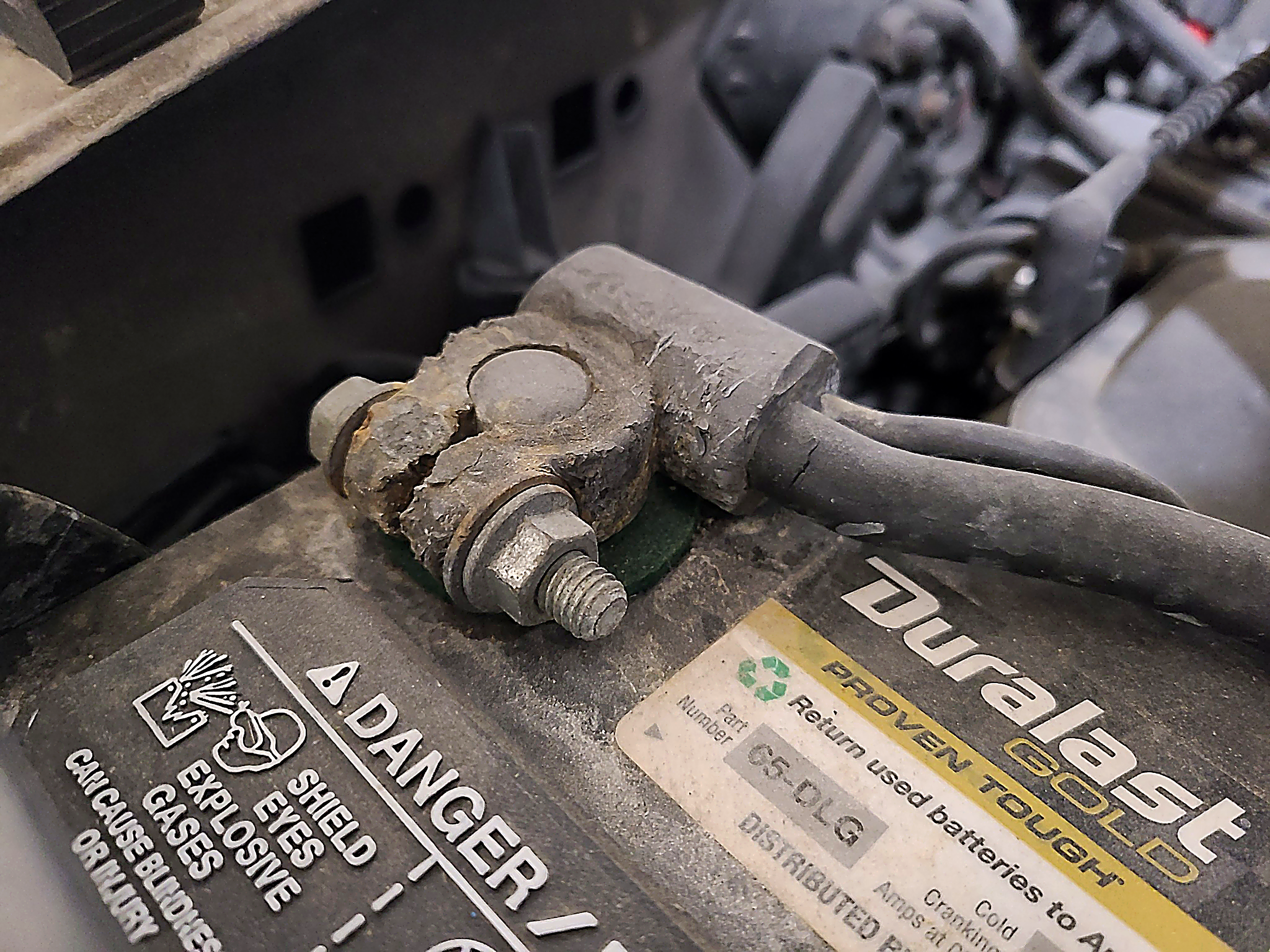
The 6.0 is voltage-sensitive. Low battery voltage or weak starter issues can cause odd problems, and if cranking RPM won’t go above 100 RPM, the PCM will not fire the injectors.
The fix:
Load test both batteries, inspect cables and grounds, check starter draw, and verify charging system health.
What you should notice:
Faster cranking, cleaner starts, fewer false electronic problems, and a truck that stops acting haunted.
10. Boost Leaks, Turbo Issues or CAC Boot Problems
Why it looks like injectors:
Low power, black smoke, lazy throttle response, high EGTs, and poor towing performance can make owners assume fuel or injector problems.
What it usually is:
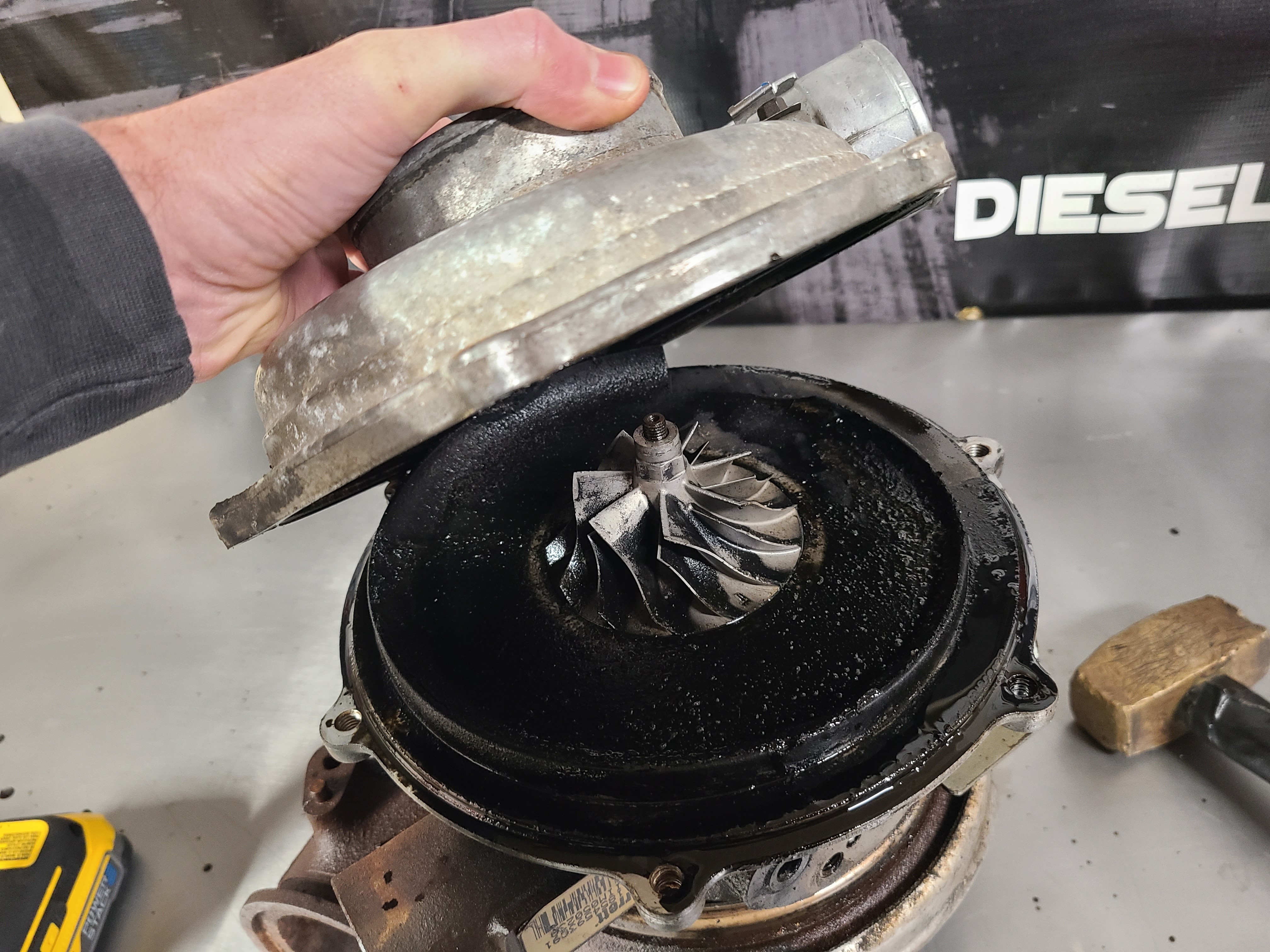
The truck may be losing boost through tired intercooler boots, clamps, or charge-air plumbing. Focuses on replacing leaking boots, or failed turbos, and note that tightening up the CAC system helps keep towing power consistent and prevents EGTs from climbing because boost is escaping.
The fix:
Inspect the boots, clamps, plastic driver-side CAC tube, intercooler connections, and turbo outlet boot. Upgrade the leaking parts instead of blaming injectors for an air problem.
What you should notice:
Better boost response, less smoke, stronger pull under load, and fewer roadside boot-clamp wrestling matches.
Final Thoughts
Bad injectors happen. It’s a 6.0. Nobody is pretending they’re perfect. But a lot of 6.0 injector “failures” are really fuel pressure problems, weak FICM voltage, high-pressure oil leaks, bad sensor data, glow plug issues, slow cranking, or boost leaks.
Start with data:
- Check fuel pressure.
- Watch ICP and IPR.
- Test FICM voltage.
- Verify sync and cranking RPM.
- Inspect wiring, filters, boots, and basic electrical health.
Then blame the injectors.
Disclaimer: The information provided on this blog is for informational purposes only. We share our knowledge and experience, but we are not liable for any damages, injuries, or losses that may occur as a result of using this information. Situations are rarely cut and dry in the automotive world. Your situation will likely be somewhat different than what we describe here. Use your best judgment and always consult a qualified professional for automotive repairs and modifications. Your safety is your responsibility.