
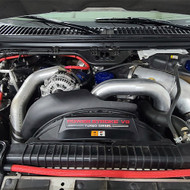
Top 10 6.0 Powerstroke EOT/ECT Delta Questions Answered
Posted by Adam Blattenberg on Jun 2nd 2026
The 6.0L Powerstroke has a lot of famous problems, but the EOT/ECT delta is one of the easiest ways to catch trouble before it gets expensive. Bad numbers here can lead to failures across the board. Turbo failures, injectors, lifters, EGR, you name it, this info impacts them all.
A few quick definitions:
- EOT is engine oil temperature.
- ECT is engine coolant temperature.
- The delta is the difference between the two.
Here are the top 10 most common EOT/ECT delta questions 6.0 owners ask, with simple explanations that matter.
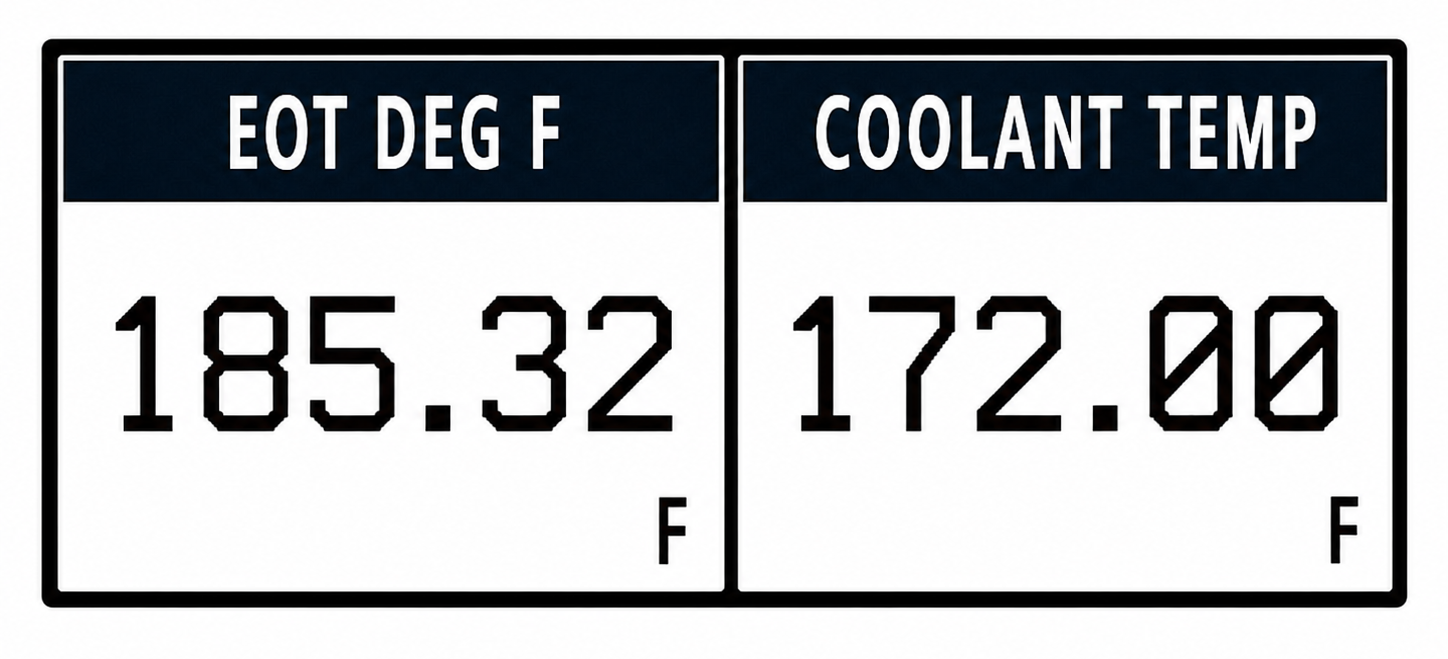
What is EOT/ECT delta?
Answer: EOT/ECT delta is the temperature difference between engine oil temp and engine coolant temp.
Why it matters: On the 6.0L Powerstroke, the oil cooler uses coolant to control oil temperature. When the oil cooler starts plugging up, coolant can’t pull heat out of the oil efficiently, so oil temp starts climbing away from coolant temp. A restricted oil cooler can lead to high oil temps, injector issues, turbo problems, EGR cooler failure, drivability issues under load, bearing issues and more.
What to do: Watch both temps together. One number alone doesn’t tell the whole story.
What is a good EOT/ECT delta on a 6.0?
Answer: A healthy 6.0 should generally keep oil and coolant temps within about 15°F of each other at highway speed.
What it means: If your coolant is 190°F and oil is 200°F, that’s not panic time. If coolant is 190°F and oil is 220°F or higher during steady highway driving, now you have something worth paying attention to.
What to do: Test it correctly before calling the oil cooler bad.
When should I check the delta?
Answer: Check it when the truck is fully warmed up, at steady highway speed, preferably on a flat road without towing or heavy throttle swings.
Why it matters: Idle data can lie. Short trips can lie. Stop-and-go traffic can lie. Towing up a grade will make everything hotter. Towing creates more engine heat, which makes a restricted cooler show itself faster.
What to do: Get the truck warm, cruise steady, and watch the spread between EOT and ECT.
Is a 15°F delta always bad?
Answer: Not always. It depends on when and how you measured it.
Why it matters: A brief spike during hard acceleration, towing, or climbing a grade is different than a steady 15°F-plus spread during normal highway cruising.
What to do: Look for a pattern. A bad oil cooler usually shows a consistent spread that gets worse with heat and load.
What causes a high EOT/ECT delta?
Answer: Most commonly, a restricted oil cooler.
Why it happens: The 6.0 oil cooler has small coolant passages. Dirty coolant, casting sand, old additives, and debris can plug those passages. Dirty coolant is part of life with a 6.0 and that keeping contaminants out of the coolant helps keep the oil cooler clear.
What to do: If the delta is high, don’t just clear codes and keep driving. Start planning oil cooler diagnosis and coolant system cleanup.
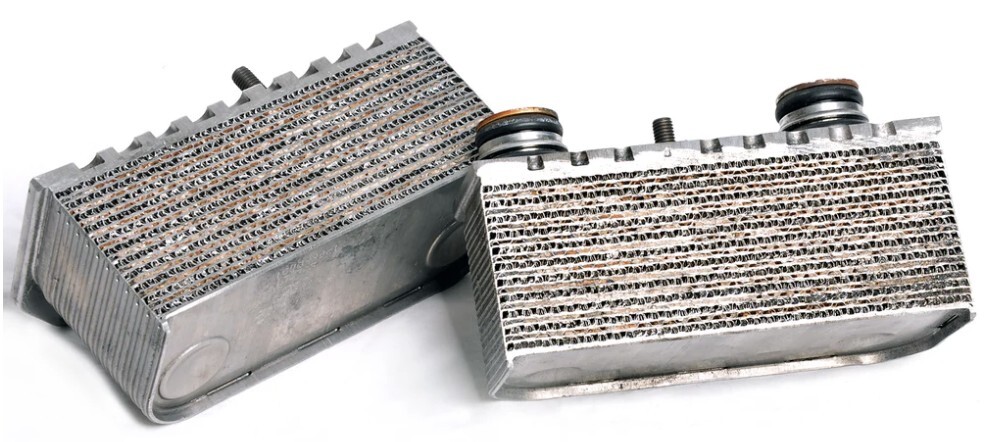
Can a bad oil cooler kill the EGR cooler?
Answer: Yes, it can absolutely help take it out.
Why it matters: The EGR cooler depends on coolant flow. If the oil cooler is restricted, coolant flow to the EGR cooler can suffer, heat climbs, and the EGR cooler becomes the next victim. EGR cooler failure is especially common when the oil cooler is restricted, and symptoms can include white smoke, coolant loss, degas bottle bubbling, coolant puking, excess pressure, or coolant smell from the exhaust.
What to do: If you replace an EGR cooler without addressing a restricted oil cooler, don’t act surprised when the new cooler fails shortly after.
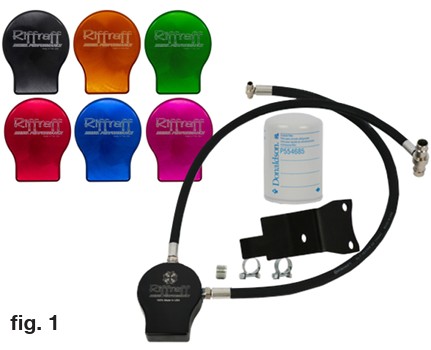
Can coolant filtration help my delta?
Answer: It can help protect the system, but it is not magic.
Why it matters: Our coolant filtration system filters a small amount of coolant with each pass and removes solid particles using a Donaldson spin-on filter. We recommend using three filters in the first nine months, then changing once a year after the initial cleanup period.
The honest part: A coolant filter can help keep debris out of a good oil cooler. It will not magically unplug a cooler that is already packed full of casting sand and coolant additive gunk.
What to do: Install coolant filtration as prevention or after oil cooler replacement to help keep the new cooler alive longer.
Will flushing the cooling system fix a high delta?
Answer: Sometimes it helps. Sometimes it just makes you feel productive.
Why it matters: If the oil cooler is mildly restricted, cleaning the cooling system may improve the situation. If the cooler is already badly plugged, the fix is usually replacing the oil cooler. The oil cooler is one of the big 6.0 problem areas.
What to do: Flush correctly, use quality coolant, monitor delta again, and don’t pretend a severely plugged cooler is “probably fine” because the hose water came out clean.
What symptoms come with a bad EOT/ECT delta?
Answer: High oil temp is the big one, but the truck may give you other clues.
Common signs: High EOT/ECT delta, rising temps on grades, rough running hot, drivability issues under load, overheating, low coolant, and EGR cooler failure can all be tied to oil cooler restriction.
What to do: Don’t treat delta as a random number. Treat it as an early warning system.
What should I replace if my delta is bad?
Answer: Start with diagnosis, then replace what the data proves is failing.
Typical path: If the delta is consistently high, the oil cooler is usually the main suspect. While you’re in there, it makes sense to think about the whole cooling system: coolant filtration, coolant condition, degas cap, thermostat operation, EGR cooler condition, and any signs of pressure or coolant loss.
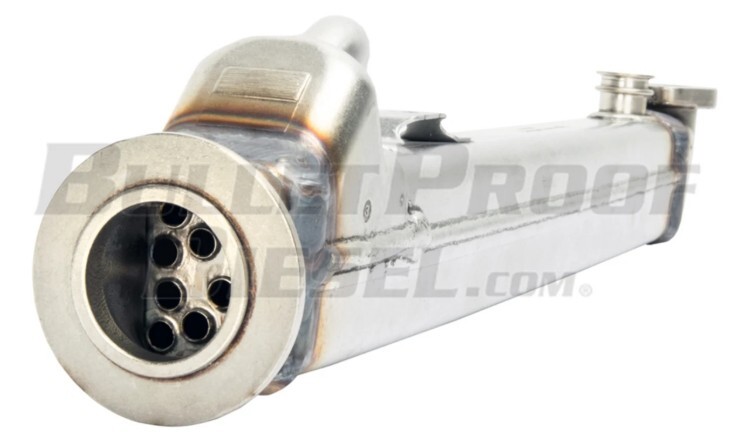
We carry the Ford 6.0L oil cooler kit, coolant filtration system, and upgraded Bullet Proof Diesel EGR coolers. The Bullet Proof Diesel EGR cooler uses thicker cooling tubes (vs the OE stack plate design), all-welded construction, and holds more than twice as much coolant compared to the factory-style cooler.
What you should notice after the fix(s): Oil temps should stay closer to coolant temps, towing temps should be more controlled, and the truck should be less likely to cook the EGR cooler every time it sees a hill and a trailer.
Final Thoughts
The EOT/ECT delta is one of the best health checks you can run on a 6.0L Powerstroke. Watch it at highway speed. Watch it under load. Watch for trends. And don’t ignore a growing spread between oil and coolant temp. A bad delta is the warning light before the expensive part. On a 6.0, the oil cooler doesn’t usually fail alone. It likes to bring the EGR cooler, injectors, turbo, lifters and more into the conversation.
Disclaimer: The information provided on this blog is for informational purposes only. We share our knowledge and experience, but we are not liable for any damages, injuries, or losses that may occur as a result of using this information. Situations are rarely cut and dry in the automotive world. Your situation will likely be somewhat different than what we describe here. Use your best judgment and always consult a qualified professional for automotive repairs and modifications. Your safety is your responsibility.