
Shocks 101: Why Your Shocks May Be Bad and You Don't Know It
Nov 16th 2026
Quick Answer
Shocks usually wear out slowly, which is why most people don't realize how bad theirs have gotten.
If your truck bounces after bumps, feels floaty, dives hard under braking, leans excessively, or wears tires unevenly, the shocks deserve a closer look.
And no, they don't have to be leaking to be bad.
What Shocks Actually Do
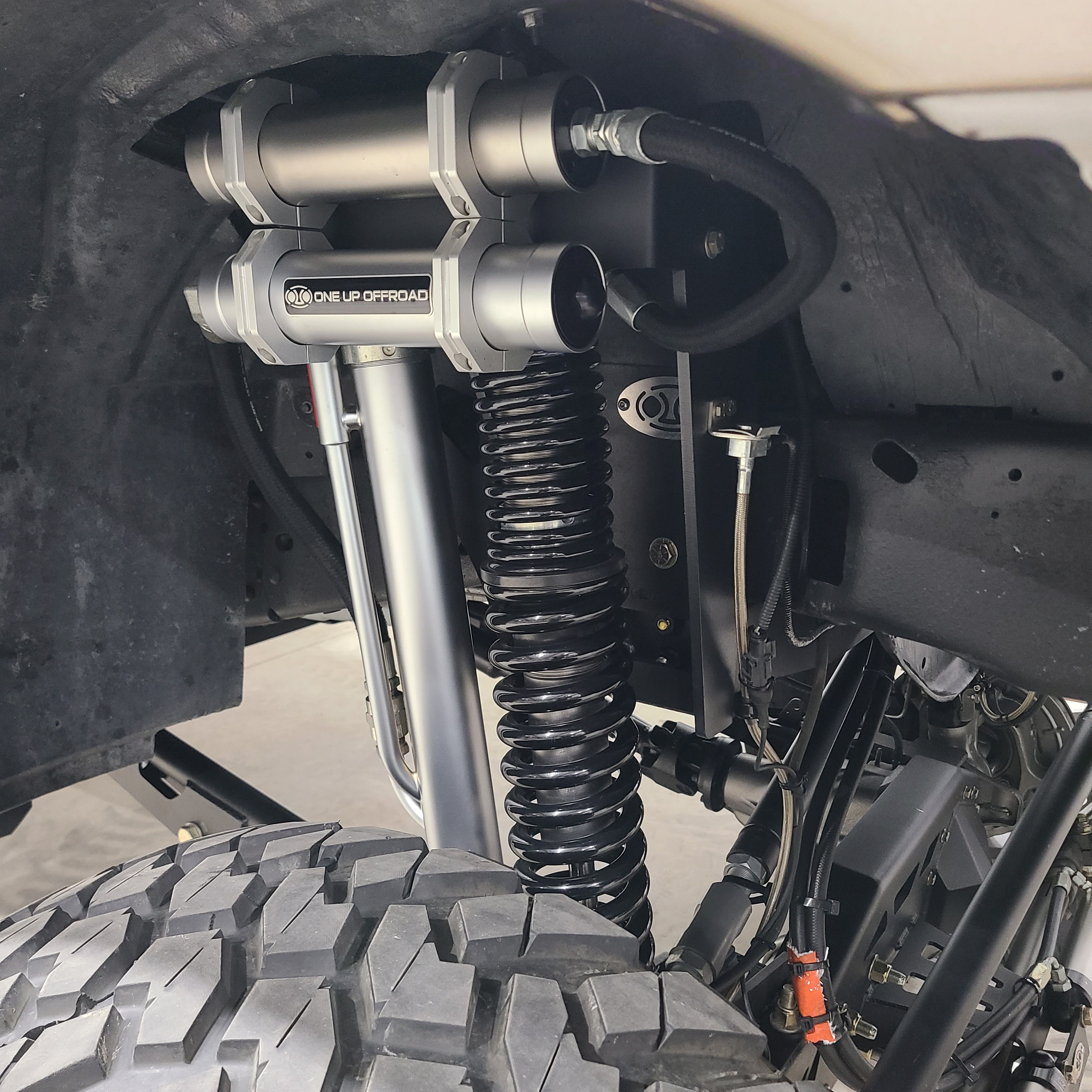
The spring supports the truck and absorbs the initial bump. The shock controls what happens afterward.
Inside the shock, hydraulic oil is forced through valving that slows suspension movement, which keeps the truck from continuing to bounce after the suspension moves.
In simple terms, shocks help keep the tires planted and the body under control.
Why Worn Shocks Go Unnoticed
Shocks usually don't fail overnight. They gradually lose damping force, and the truck gets a little worse over time.
You start making more steering corrections. It takes longer for the truck to settle after a bump. It leans more in corners. Towing feels less planted.
Because it happens slowly, most people just get used to it. That "old truck ride" may not actually be normal. It may just be worn shocks.
Common Signs of Bad Shocks
Excessive Bounce or Float: If the truck hits a bump and keeps moving afterward, the shocks aren't controlling the springs well enough. The same applies to a loose or floaty highway feel, especially in crosswinds or during lane changes.
Brake Dive and Body Roll: Some movement is normal. Too much isn't. Worn shocks allow the front end to dive harder under braking and the body to lean more in corners or rock side to side over uneven pavement.
Cupped or Scalloped Tires: A worn shock can allow the tire to bounce against the pavement instead of staying planted. That can contribute to cupped or scalloped tread wear. However, alignment, tire pressure, and worn suspension parts can cause similar wear, so don't blame the shocks without checking the rest of the front end.
Leaks, Damage, or Worn Bushing: Inspect the shocks for,
- Significant oil leakage
- Bent shafts
- Damaged bodies
- Cracked bushings
- Loose mounts
- Rust or physical damage
A light film of oil doesn't always mean the shock is bad, and a dry shock doesn't mean it's good. Internal wear can reduce damping without any visible leak.
How to Check Them
Start with a visual inspection, then drive the truck. Pay attention to how quickly it settles after:
- Bumps
- Lane changes
- Braking
- Uneven pavement
A good shock should bring the suspension back under control quickly. If the truck continues to bounce, float, rock, or needs repeated steering corrections, the shocks may be worn.
Try the old driveway bounce test: Bounce the truck with your body weight, and stop. The vehicle should come to a rest within a bounce or two, max. While this can catch an extremely worn shock, shocks wear in varying ways/rates. Road behavior tells you much more.
What New Shocks Won't Fix
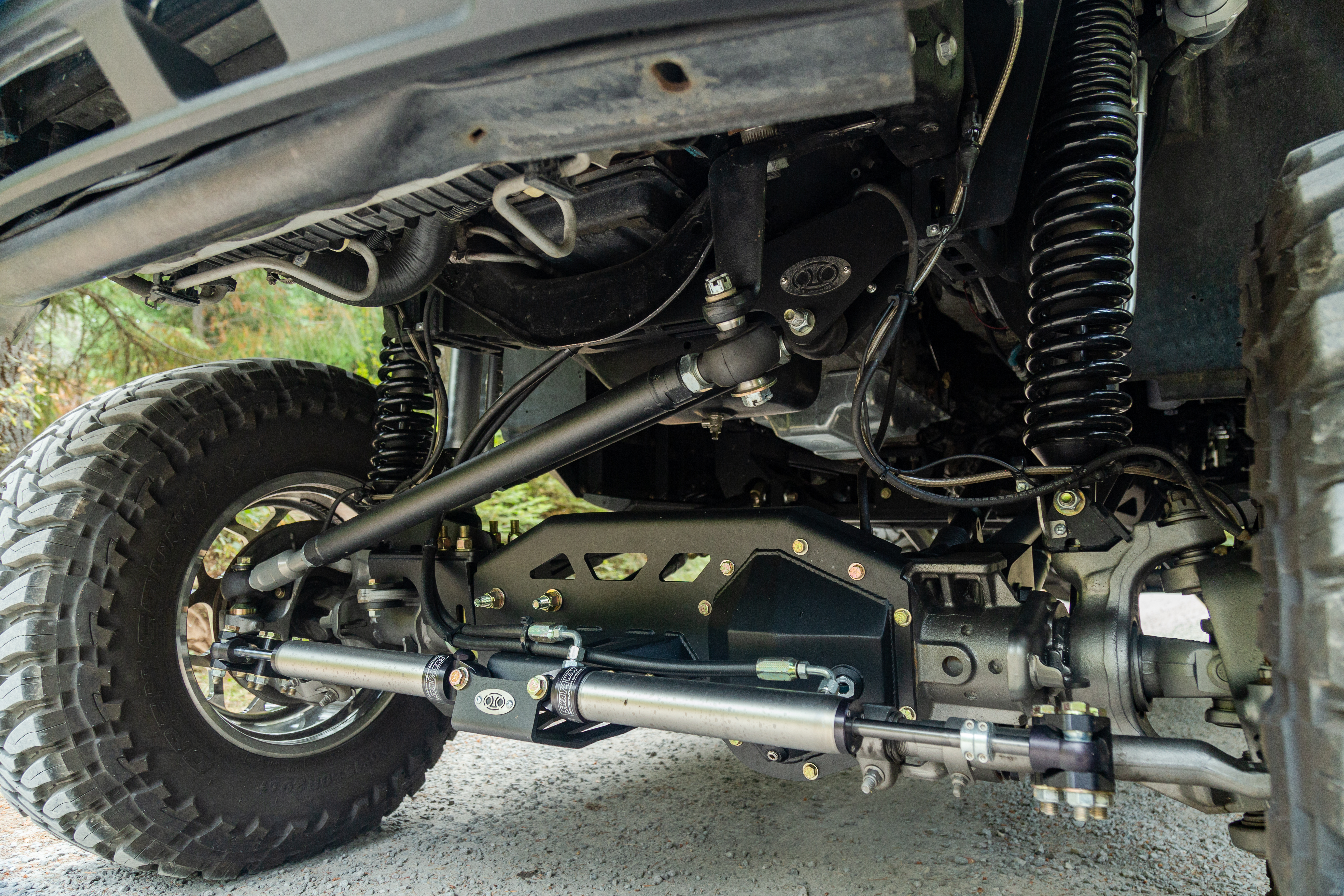
Don't expect shocks to repair other worn suspension parts. They won't fix:
- Ball joints
- Tie-rod ends
- Track-bar wear
- Wheel bearings
- Sagging springs
- Alignment problems
- Incorrect tire pressure
If the truck wanders, clunks, or wears tires badly, inspect the whole suspension and steering system.
How Long Do Shocks Last?
There isn't one replacement mileage that fits every truck. Towing, heavy payloads, rough roads, oversized tires, lift kits, and general use all affect shock life.
The bigger point is this: if the shocks have a lot of miles on them, or you bought the truck used and have no idea how old they are, inspect them based on how the truck drives, not just how they look.
Replace Them in Pairs
If one front shock is bad, replace both fronts. Same with the rear. You want similar damping side to side. Mixing one fresh shock with one heavily worn shock can create inconsistent handling.
The Bottom Line
Bad shocks usually don't announce themselves with a dramatic failure.
They just slowly stop controlling the truck.
More bounce. More body roll. More brake dive. More steering correction. Less stability.
And because it happens gradually, you adapt to it.
If your Powerstroke feels loose, floaty, or unsettled, don't assume that's just how an old truck rides.
Take a closer look at the shocks.
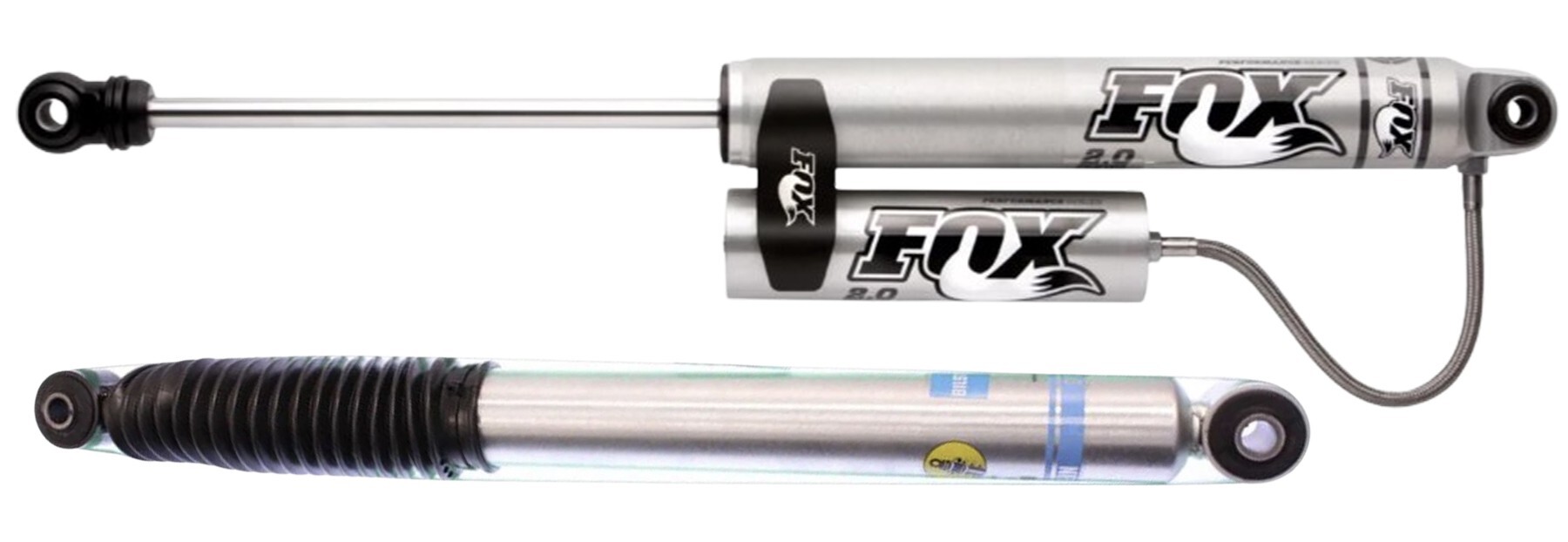
Product Recomendations:
Bilstein Shocks: https://www.riffraffdiesel.com/brands/Bilstein.html
Fox Shocks: https://www.riffraffdiesel.com/brands/Fox-Shocks.html
***Disclaimer: The information provided on this blog is for informational purposes only. We share our knowledge and experience, but we are not liable for any damages, injuries, or losses that may occur as a result of using this information. Situations are rarely cut and dry in the automotive world. Your situation will likely be somewhat different than what we describe here. Use your best judgment and always consult a qualified professional for automotive repairs and modifications. Your safety is your responsibility.


