
Injector Sizing 101: 7.3 Powerstroke Edition
Posted by Adam Blattenberg on Jan 15th 2026
Injectors are not all built the same, especially for the 7.3. Sizing varies year by year, and for a few, based on the location sold, too. Split shots, single shots, hybrids, AB, AD, 238/80, there's so many different types it can be confusing. So let's break it all down. This guide will be one you'll want to bookmark. Having quick access to this will definitely help you when it comes time to buy your next set of injectors.
Split Shot vs Single Shot
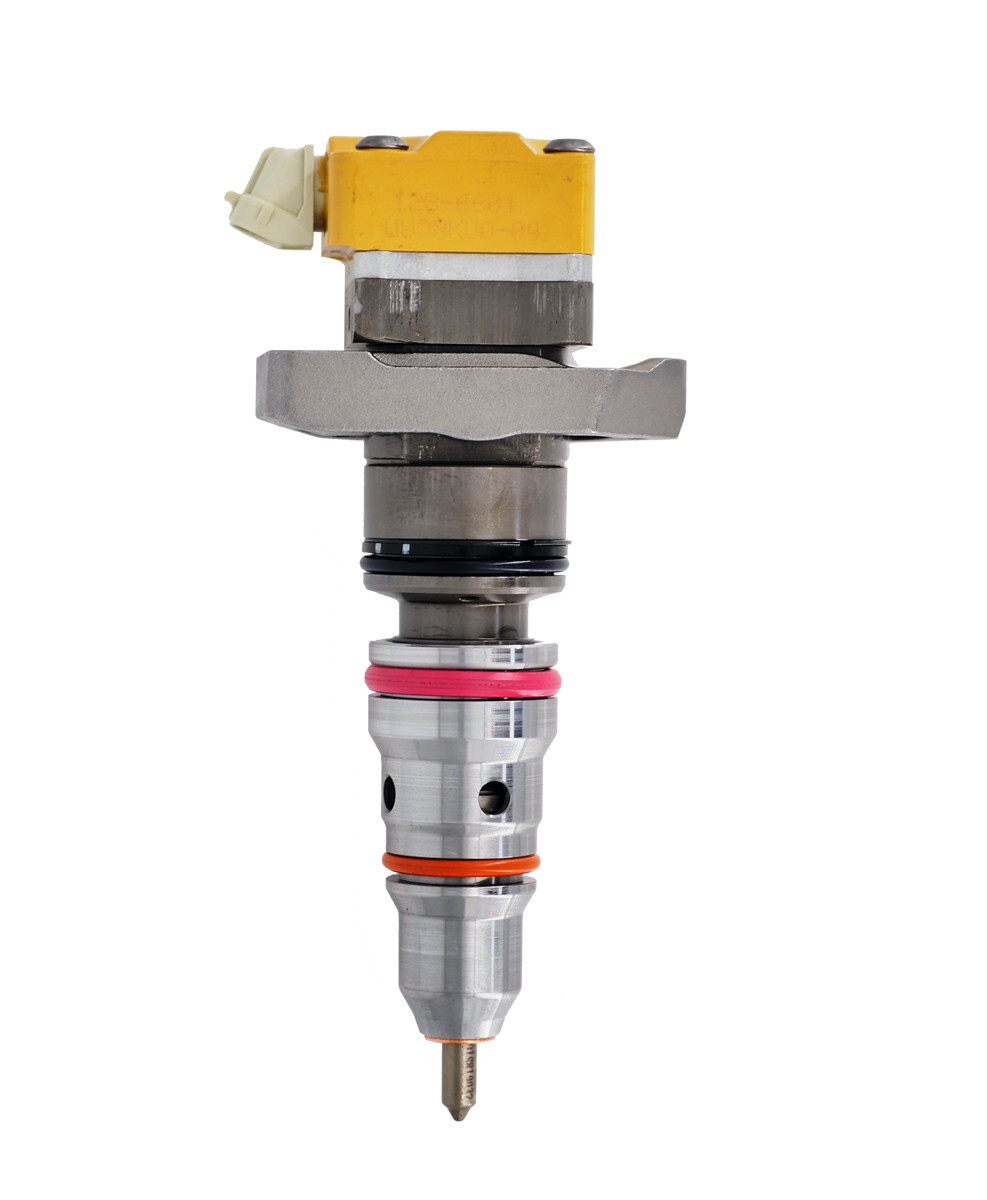
First and foremost, let's talk different shot styles as they will apply from here on out. Split shots were generally introduced in 1997 in CA-only models and became standard equipment for all Ford used light-duty trucks thereafter.
Single Shot injectors deliver one main injection event per cycle. These are also the ones you’ll most commonly find in performance applications.
Split Shot injectors deliver a small pilot and then the main shot. The pilot shot was used to start the combustion event prior to the main shot. This style was designed to help improve noise and emissions. The idea is that the pilot shot helps better burn all the fuel from the main shot, starting a small fire earlier so that when the larger main shot comes in, the cylinder is already nice and hot.
7.3 AA vs AE, and More
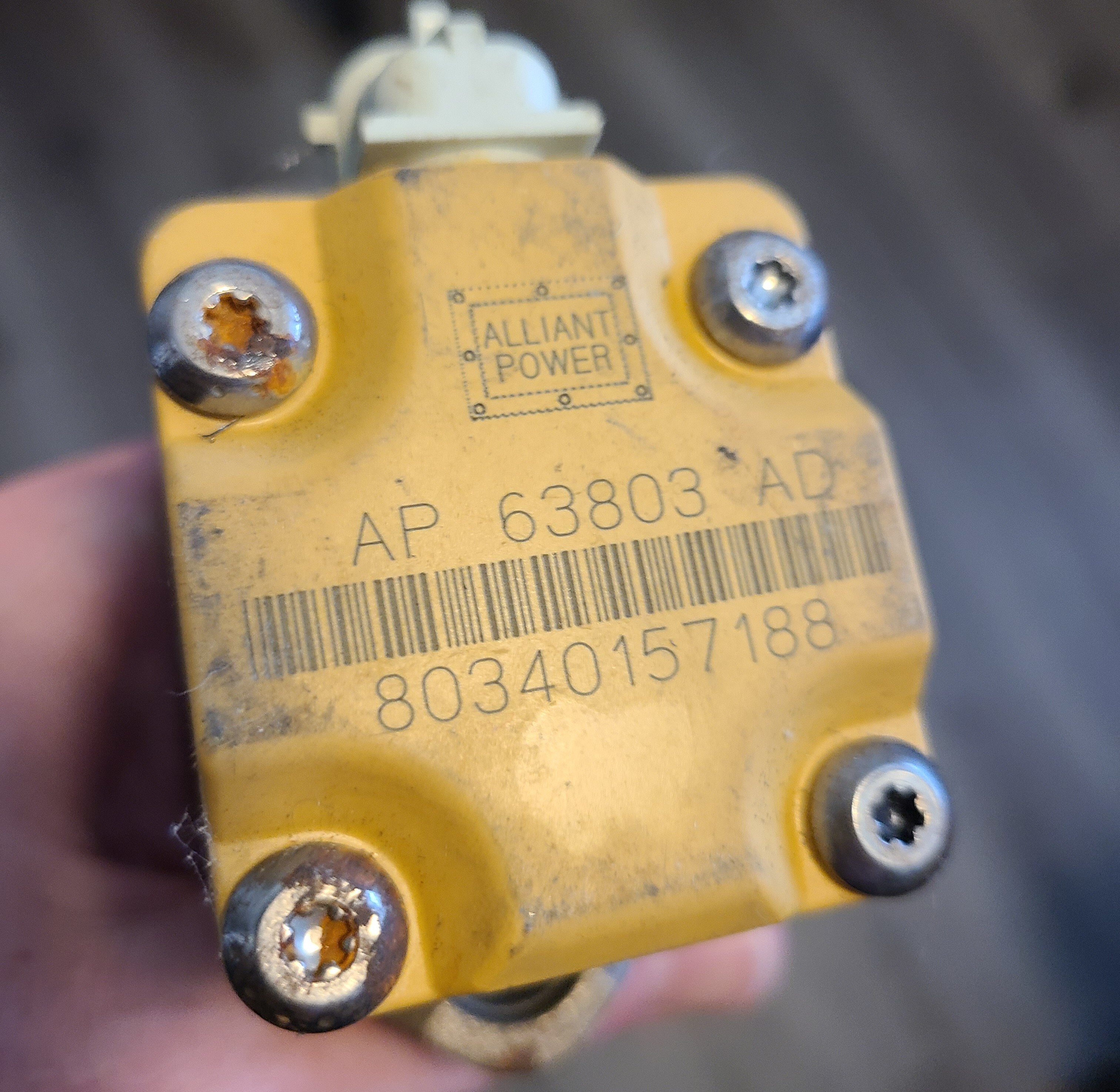
From the factory, there are several injector designations or codes as they’re more often called, each tells us flow as well as how that fuel is applied.
AA: Typically used in 1994-1997 non-CA trucks. Flows 90cc’s. Single Shot design. You can find these injectors here.
AB: Typically used in 1997 CA trucks, and early 1999 nationwide. Flows 130cc’s. Split Shot design. You can find these injectors here.
AD: Typically used in late 1999-2003 nationwide trucks. Flows 135-140cc’s. Split Shot design. You can find these injectors here.
AE: “Long Lead” design (“LL”). Same characteristics as the AD but was designed to fight the common “cackle” or “knocking” complaint and released later as a TSB (Technical Service Bulletin) from Ford. This injector was only installed in the #8 cylinder in the same years the AD was used. The #8 cylinder sees more entrained air in the fuel, as well as heat than the other seven, which caused timing issues for the #8 cylinder alone. The “LL” injector was designed to combat this issue. You can find these injectors here.
AC: Typically found in high torque T444E International applications and not in Ford light-duty pickups. Flows 160cc’s. Single Shot design. You can find these injectors here.
Injector Sizing (such as 238/80) - What's it mean?
Only used in sizing for aftermarket injectors, this is fuel flow amount over nozzle size (as a percentage increase over stock). For example, a super popular aftermarket injector, a 238/80, is an injector that flows 238cc’s (measured over 1000 injection cycles), with an 80% larger than factory nozzle. So, for a stock AB injector as another example, technically, it could be rated as a 130/0 injector. 130cc’s (over 1000 injections), with a 0% larger nozzle (or factory size nozzle). Obviously, the more cc’s of fuel, the more potential it has for making power. The nozzle, however, larger does not always mean better as the larger you go, the less efficiently it will atomize fuel. But small nozzles don’t have the ability to flow massive amounts of fuel. So there’s always a give and take with nozzle sizes.
Hybrid Injectors
A hybrid injector is an aftermarket creation. Simply put, a hybrid uses technology from multiple types of 7.3 style HEUI injectors. Each aftermarket injector manufacturer does things a little differently, so we can’t go into depth here. Just know that these injectors typically keep some aspects of whichever injector they chose to start with and modify the rest for increased flow.
Aftermarket Note
When it comes to aftermarket performance injectors, like we said previously, each manufacturer does things a little differently. It's part of applying knowledge in the best way possible, and like anything, we all have our preferred methods. In the end whoever built the injector knows how they'll perform better than anyone else. Listen to the injector builder's advice. Just because one company rates a 238/80 one way, doesn't mean another will have the same rating. There are tons of moving parts in our injectors and the pros know how to manipulate them to get the results you’re after.