
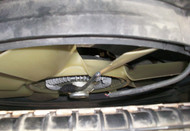
How to Test a 6.0L Powerstroke Electronic Fan Clutch
Jul 31st 2026
A weak fan clutch can make a healthy 6.0L Powerstroke look like it has a major cooling-system problem. The truck may stay cool unloaded, then heat up while towing, climbing a grade, idling, or running the A/C at low speed. Because the 6.0L uses an electronically controlled viscous fan clutch, spinning the fan by hand is not a reliable test. The quickest accurate check requires a bidirectional scan tool.
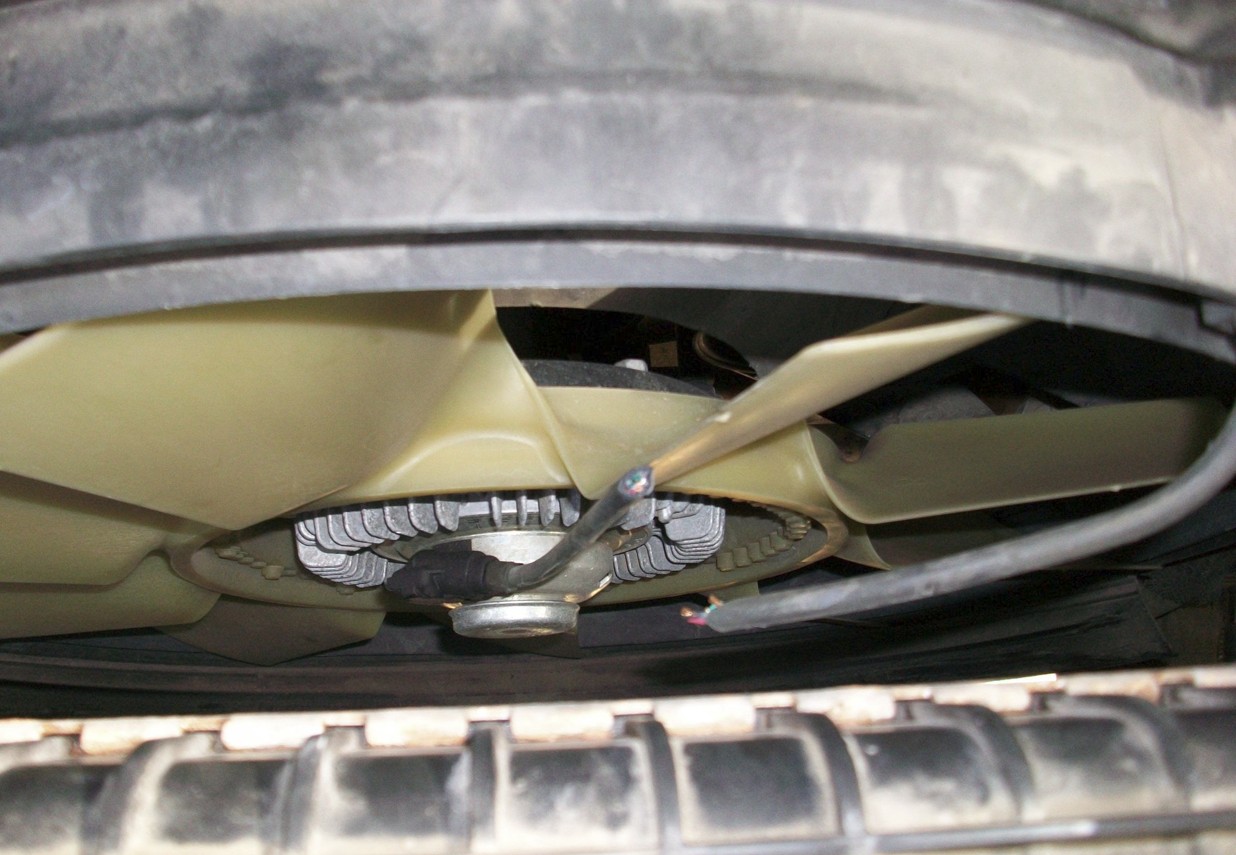
Note: Before getting out the scan tool, check the fan clutch wiring. It's very common for the fan to contact it and rip it apart.
Related Parts:
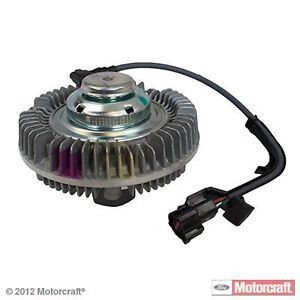
Motorcraft Fan Clutch: https://www.riffraffdiesel.com/fan-clutch-hd-snow-plow-package-03-07/
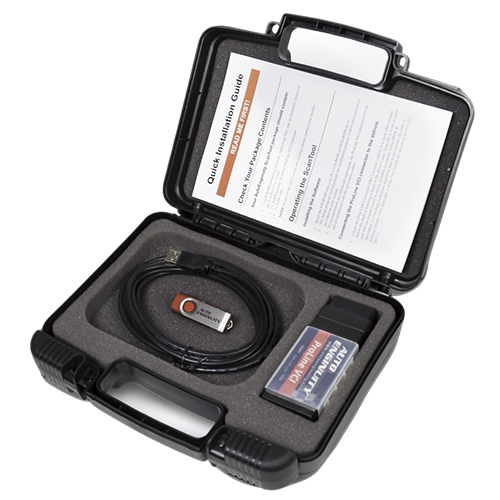
AutoEnginuity Professional Scan Tools: https://www.riffraffdiesel.com/brands/AutoEnginuity.html
Bullet Proof Diesel Billet Water Pump: https://www.riffraffdiesel.com/bullet-proof-diesel-billet-water-pump-03-07/
Common Signs of a Bad Fan Clutch
- Rising coolant temperature under load
- Weak A/C performance at idle
- No fan roar when engine temperature climbs
- Fan running loudly when the engine is cold
- Fan speed codes such as P0480, P0528, or P0529
- Fan speed that does not respond to scan-tool commands
- Damaged or oil-soaked wiring near the clutch connector
Note: Before blaming the clutch, inspect the coolant level, radiator, condenser, thermostat, water pump, serpentine belt, and tensioner.
Why the Fan Clutch Fails
Internal Clutch Wear: The viscous fluid or internal control mechanism wears out, preventing the fan from reaching the commanded speed.
Failed Actuator Solenoid: The actuator inside the clutch controls engagement. Resistance should measure roughly 6–10 ohms. A reading outside that range points to an internal electrical failure.
Wiring Damage: Heat, vibration, oil contamination, and contact with nearby components can damage the harness or connector.
Failed Fan-Speed Sensor: The fan may engage physically while the PCM receives no usable speed signal.
The Fastest Test
Get a professional scan tool, cheap universal units won’t generally allow for these tests. We like AutoEnginuity. Use a scan tool that can display the following items.
- Engine RPM
- Fan-speed RPM, usually listed as FANSS
- Fan clutch command or duty cycle
1. Warm the Engine
Bring the engine to normal operating temperature.
2. Hold Engine Speed at 2,500 RPM
Monitor engine RPM, fan speed, and fan command.
3. Command the Fan Low
Command the clutch to its low or disengaged position and allow fan speed to settle below roughly 600 rpm. The clutch may take several seconds to release.
4. Command the Fan High
Command full engagement while holding the engine near 2,500 rpm. The fan should produce a noticeable roar and climb above approximately 2,800 rpm. If it stays below 2,800 rpm, the clutch has failed the performance test.
How to Read the Results
Fan Reaches More Than 2,800 RPM: The clutch is working. Look elsewhere for the cooling problem, including restricted airflow, a plugged radiator, thermostat issues, weak coolant circulation, or inaccurate temperature readings.
Fan Engages but Shows No Speed Reading: Inspect the speed-sensor circuit and wiring. The internal sensor may have failed.
Fan Speed Does Not Change: Check the connector, wiring, and actuator resistance. If the circuit is good and the clutch receives the proper command, replace the clutch.
Fan Runs Hard All the Time: The clutch may be seized, the control circuit may be faulty, or the PCM may be operating it in fail-safe mode.
Quick Electrical Check
With the key off, disconnect the fan clutch connector and inspect for:
- Bent or pushed-back terminals
- Corrosion
- Oil contamination
- Broken insulation
- Harness contact with the fan, belt, or shroud
Also, measure resistance through the actuator-solenoid circuit. A normal reading is approximately 6–10 ohms. An open circuit, near-zero resistance, or out-of-range reading indicates a failed clutch assembly.
Can You Test It Without a Scan Tool?
No, not accurately. You can listen for fan engagement under heavy load, but the PCM bases fan command on several inputs, including coolant temperature, transmission temperature, A/C usage, engine load, and vehicle speed. The commanded-speed test is the most reliable method.
The Bottom Line
Hold the engine near 2,500 rpm, command the fan low, then command full engagement. The fan should climb from below roughly 600 rpm to more than 2,800 rpm and produce a clear fan roar. If it does not, inspect the wiring and connector. If the circuit checks out, you may need to replace the fan clutch.
Here's a good link to wiring diagrams and other helpful info from Ford-Trucks.com: https://www.ford-trucks.com/forums/1391863-fan-clutch-speed.html
Disclaimer: The information provided on this blog is for informational purposes only. We share our knowledge and experience, but we are not liable for any damages, injuries, or losses that may occur as a result of using this information. Situations are rarely cut and dry in the automotive world. Your situation will likely be somewhat different than what we describe here. Use your best judgment and always consult a qualified professional for automotive repairs and modifications. Your safety is your responsibility.