
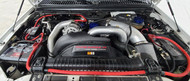
Electrical Sensor 101 – The 6.0 Powerstroke’s Sensors and How They Work
Posted by Adam Blattenberg on Apr 8th 2026
A big part of diagnosing issues with any engine is knowing how each system works. Electrical can freak people out because you can’t see it doing its thing. That’s usually the whole problem. So let’s make one part of it less mysterious: sensors.
Compared to the old 7.3, the 6.0L Powerstroke uses more inputs because it’s doing a lot more with turbo control, EGR control, fueling strategy, cold-start strategy, and diagnostics. Still, the basic sensor types are not black magic. They’re just a handful of different ways the PCM/ECM keeps tabs on pressure, temperature, speed, and position. On the 6.0, the main families are magnetic pickup sensors, pressure sensors, temperature sensors, pedal position sensors, and the position sensors built into the EGR valve. Depending on year and platform, you may also run into a few chassis-related variations. For this article we'll be sticking to engine sensors on the 6.0L only.
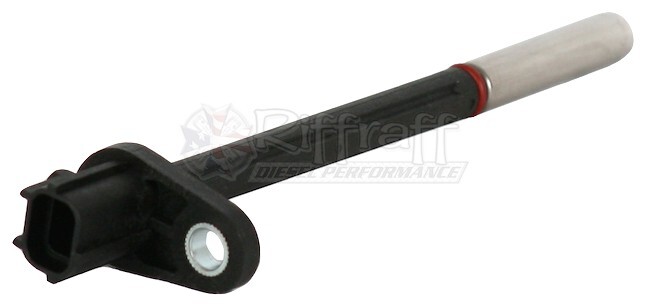
1. Magnetic pickup sensors
Used in these sensors:
- Crankshaft Position Sensor / CKP
- Camshaft Position Sensor / CMP
How it works:
Think of these like a magnet watching metal teeth or a metal trigger pass by. Inside the sensor is a permanent magnet and coil. As a tone wheel tooth or trigger peg moves past the tip, it disturbs the magnetic field and creates an Alternating Current (AC) pulse. The PCM/ECM reads those pulses to figure out engine speed and position. On the 6.0, the CKP watches a 60-tooth wheel with two missing teeth, while the CMP watches a peg on the camshaft. Together, those two signals tell the computer where the engine is in its cycle so it knows when to command injection and how fast the engine is spinning.
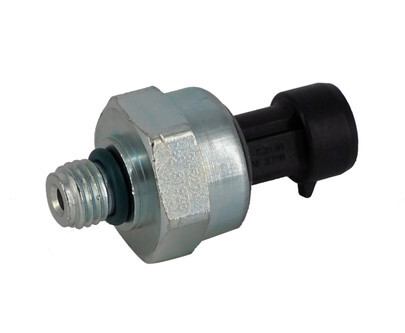
2. Variable-capacitance pressure sensors
Used in these sensors:
- ICP = injection control pressure
- EBP = exhaust back pressure
- MAP/Boost = intake manifold pressure
- BAP/BARO = outside air pressure / altitude correction
How it works:
Think of this type like a tiny pressure drum. Pressure pushes on the sensing element inside the sensor, which changes its electrical characteristics. The sensor then sends back an analog voltage signal that the PCM/ECM compares against known values. On the 6.0, that matters a lot. The ICP sensor tells the computer what’s happening in the high-pressure oil system so it can control the IPR. The EBP sensor helps with VGT control and EGR calculations. The MAP sensor tells the computer what boost or manifold pressure it’s actually seeing. The BAP/BARO sensor helps the strategy adjust for altitude and air density.
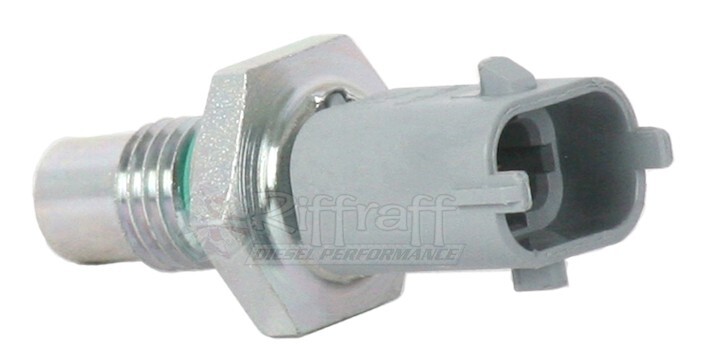
3. Thermistor temperature sensors
Used in these sensors:
- ECT = engine coolant temperature
- EOT = engine oil temperature
- IAT = intake air temperature
- MAT = manifold air temperature
How it works:
Think of a thermistor as a temperature-sensitive resistor. As temperature changes, resistance changes. The PCM/ECM sends a reference voltage through the circuit, watches how the return voltage changes, and turns that into a temperature reading. On the 6.0, those readings are used for things like glow plug timing, cold-start fueling, EGR control, VGT strategy, and general engine protection. ECT watches coolant temp, EOT watches oil temp, IAT watches incoming air temp, and MAT watches the air after it’s in the intake tract/manifold.
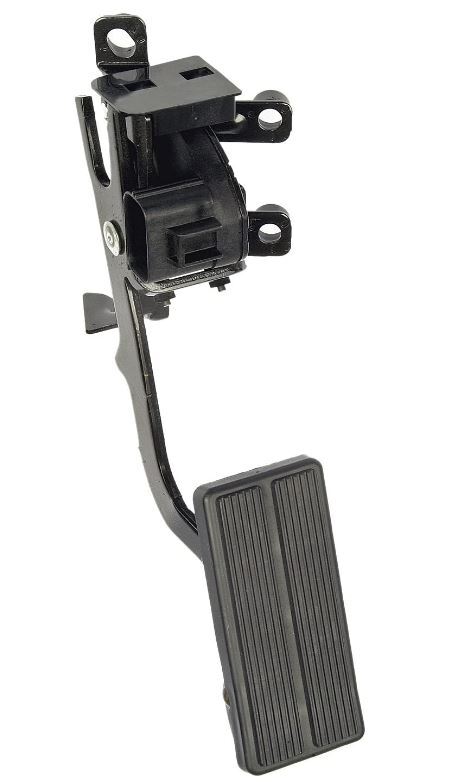
4. Potentiometer position sensor
Used in this sensor:
- Accelerator Pedal Position Sensor / APP / APS
How it works:
Think of it like a dimmer switch or volume knob. The PCM sends it a reference voltage, and as you move the pedal, a wiper moves across a resistive track and changes the return voltage. More pedal travel equals a different voltage, and that tells the PCM how much power you want. On the 6.0, that signal feeds into fuel quantity and related control strategy.
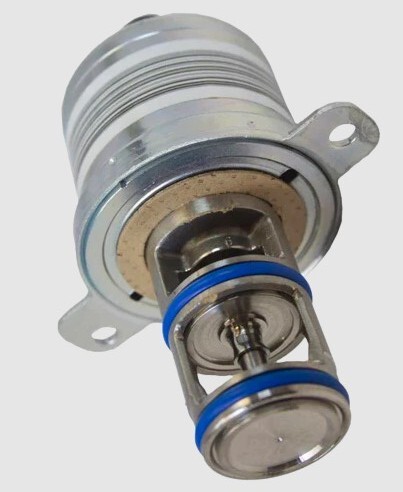
5. Hall-effect position sensors
Used in this sensor assembly:
- EGR valve position sensors (inside the EGR valve assembly)
How it works:
This is the sensor style most people expect to hear about first, but on the 6.0 it’s not the cam sensor doing this job. Instead, the EGR valve assembly uses internal Hall-effect position sensors. Think of them like non-contact electronic position watchers. As the valve moves, the internal electronics track that movement and send position feedback so the EGR system can run closed loop. In plain English, the truck doesn’t just command the EGR valve to move and hope for the best. It checks where the valve actually is.
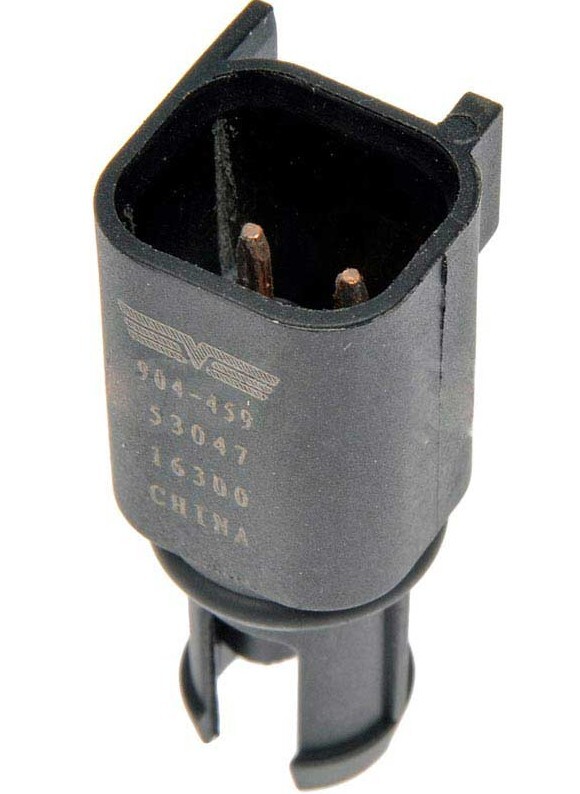
6. Conductivity-style water-in-fuel sensing
Used in this system:
- Water In Fuel / WIF warning system in the HFCM/FCM
How it works:
Think of this one like a simple “can electricity pass through here?” test. Diesel fuel is a poor conductor compared with water. A WIF sensor uses that difference. When enough water collects where the sensor is looking, it completes the path and triggers the warning.

Super quick cheat sheet
- Magnetic pickup = moving teeth or a peg disturb a magnetic field and create pulses
- Pressure sensor = pressure changes the sensing element and the PCM reads voltage
- Thermistor = temperature changes resistance and the PCM reads voltage
- Potentiometer = movement changes voltage like a knob or slider
- Hall effect = electronics track position without direct contact
- WIF sensor = water conducts better than diesel, so the warning system sees the difference
One important 6.0L takeaway: the truck leans heavily on sensors agreeing with eachother. The PCM/ECM is constantly comparing things like CKP/CMP, ICP desired vs. actual, and EGR/VGT-related pressure and temperature inputs. That’s why a bad sensor, bad pigtail, skewed reading, or wiring issue can make a 6.0 act like it has a major mechanical problem when the real issue is electrical feedback the computers just don’t understand.
Disclaimer: The information provided on this blog is for informational purposes only. We share our knowledge and experience, but we are not liable for any damages, injuries, or losses that may occur as a result of using this information. Situations are rarely cut and dry in the automotive world. Your situation will likely be somewhat different than what we describe here. Use your best judgment and always consult a qualified professional for automotive repairs and modifications. Your safety is your responsibility.