
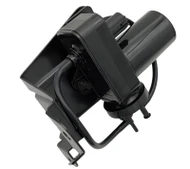
Common 6.0L Vacuum-Related Issues: Symptoms, Codes, Why They Happen, and How to Fix
Jun 10th 2026
The 6.0L Powerstroke gets blamed for a lot of things, but vacuum issues are usually not engine-performance problems. They’re usually 4x4 hub problems, HVAC mode problems, or electrical/vacuum control problems that make the truck act up in odd ways.
Important note bcause it comes up often: the 6.0L VGT turbo is not vacuum-controlled. The VGT solenoid is PCM-controlled and relies on oil pressure to move the turbo’s unison ring. So if you have boost codes like P0234 or P0299, don’t go chasing vacuum lines like it’s a 7.3 wastegate’d truck. Those codes are generally tied to sticky vanes, VGT solenoid issues, exhaust leaks, boost leaks, or MAP/EBP sensor issues.
Also, the 6.0L Powerstroke vacuum system usually does not throw codes when something starts failing. If codes do show up, they’re usually related to the transfer case/ESOF (electronic shift) electrical side — not the actual vacuum leak. Unless we note codes below, assume that no codes generally pop up with that specific issue.
Now, for the vacuum stuff that actually matters.
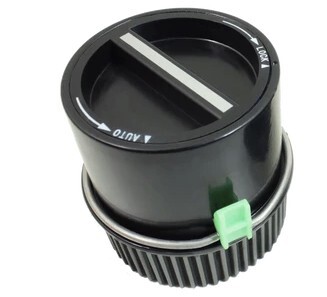
Auto 4x4 Hubs Won’t Lock
Symptoms: You switch to 4H or 4L, the dash light comes on, the transfer case shifts, but the front wheels don’t pull. Usually no codes. If codes appear, they’re more likely ESOF or transfer-case related.
Why it happens: The vacuum system can’t hold enough vacuum to lock the hubs. Common causes include leaking axle vacuum seals, cracked vacuum lines, bad hub seals, worn hubs, or a failed hub solenoid.
How to fix it: Test vacuum at the hub lines with a hand vacuum pump. If it won’t hold, inspect the hub seals, axle outer vacuum seals, vacuum lines, and hub assemblies. Replace the leaking seal or failed hub parts, then retest before blaming the transfer case. Note: This system is so problematic most replace the auto hubs with manual hubs, like these: https://www.riffraffdiesel.com/warn-premium-hub-set/
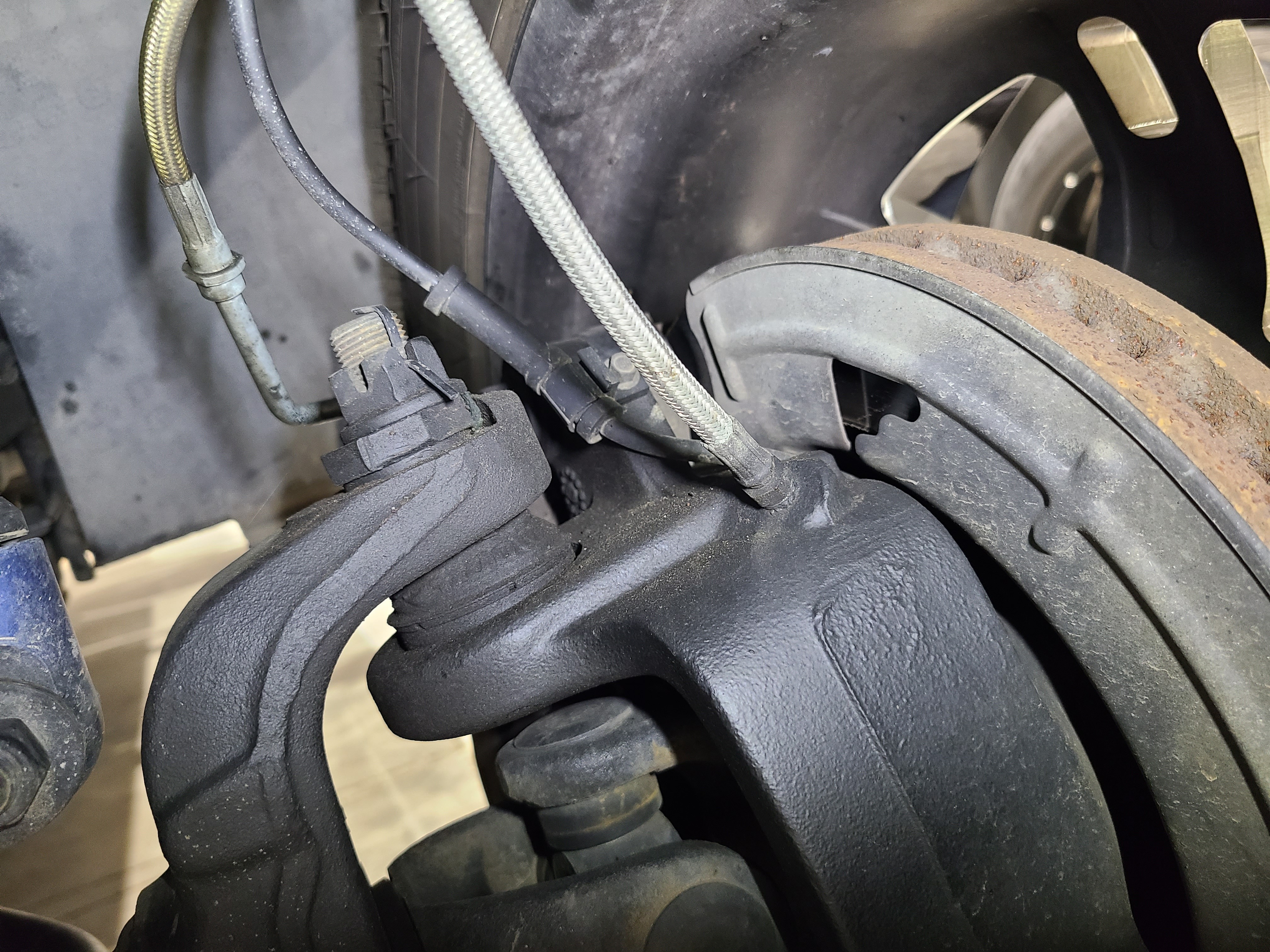
Grinding or Ratcheting From the Front Hubs
Symptoms: Grinding, clicking, ratcheting, or growling from the front hubs, especially when shifting into 4x4 or when the hubs partially engage.
Why it happens: The hubs may be partially locking because vacuum is weak, leaking, or bleeding off. Partial engagement is hard on the hub teeth and can turn a small vacuum issue into a wheel-end repair.
How to fix it: Stop driving it while it’s grinding. Check vacuum supply, hub seals, hub assemblies, and vent lines. If the hub teeth are already damaged, the hub may need replacement, not just a seal.
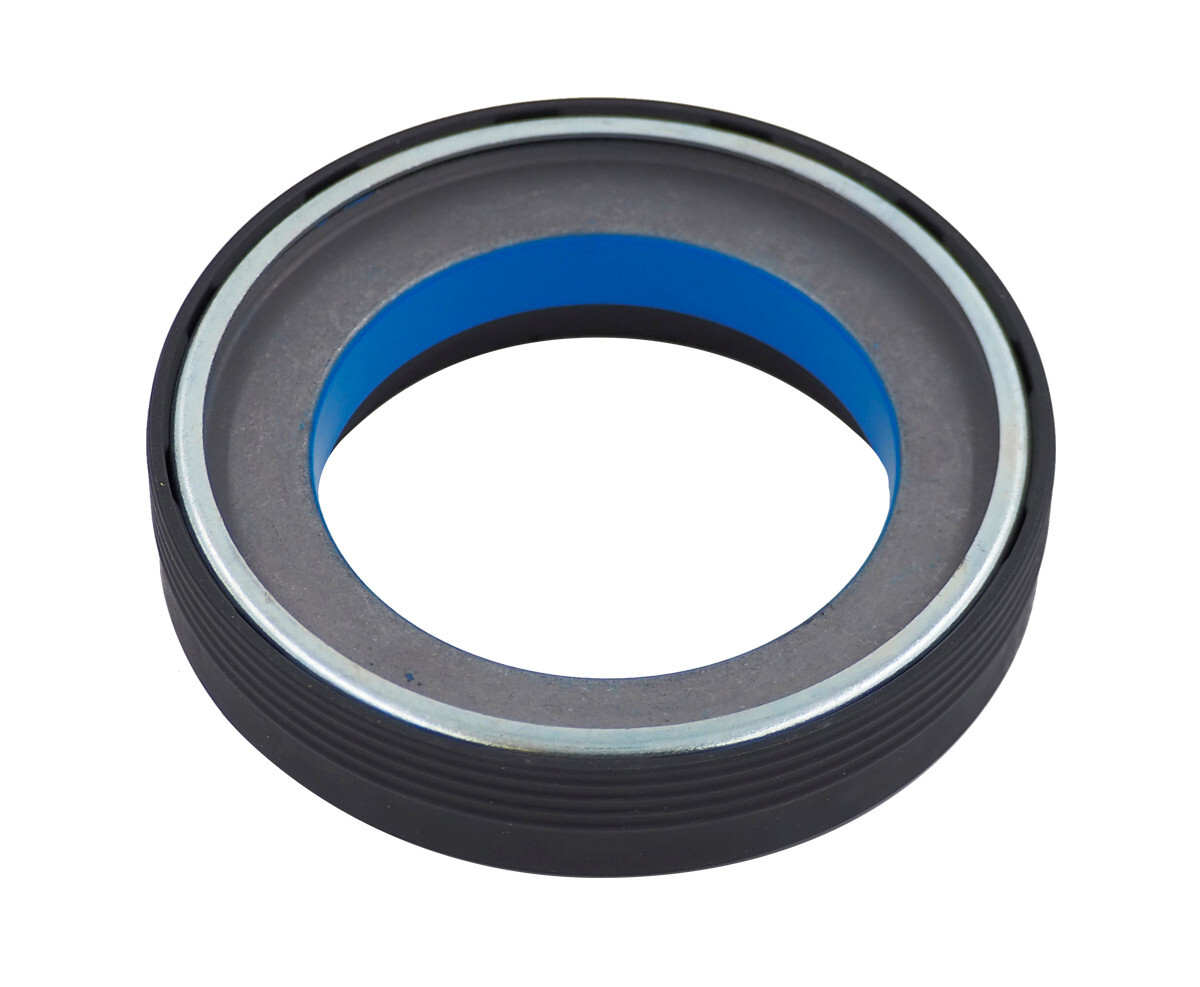
Bad Axle Outer Vacuum Seals
Symptoms: Auto hubs don’t lock, only work manually, work intermittently, or the vacuum pump runs longer than normal.
Why it happens: The outer axle vacuum seal lets the wheel-end system hold vacuum. Once it leaks, the pump and solenoid can work perfectly and the hubs still won’t stay locked.
How to fix it: Replace the failed axle outer vacuum seal and retest the system. This is one of the most common places to start when the transfer case works but the hubs don’t.
Cracked or Brittle Vacuum Lines
Symptoms: Intermittent 4x4 operation, hubs that only lock manually, HVAC stuck on defrost, or a vacuum pump that cycles too often. Usually no codes.
Why it happens: Old vacuum lines get brittle from heat, oil, dirt, and age. A small crack can bleed off enough vacuum to make the hub system and HVAC controls act dead.
How to fix it: Inspect the lines from the vacuum pump to the reservoir, solenoid, and front hubs. Replace cracked plastic lines, rubber elbows, broken tees, and loose connections.
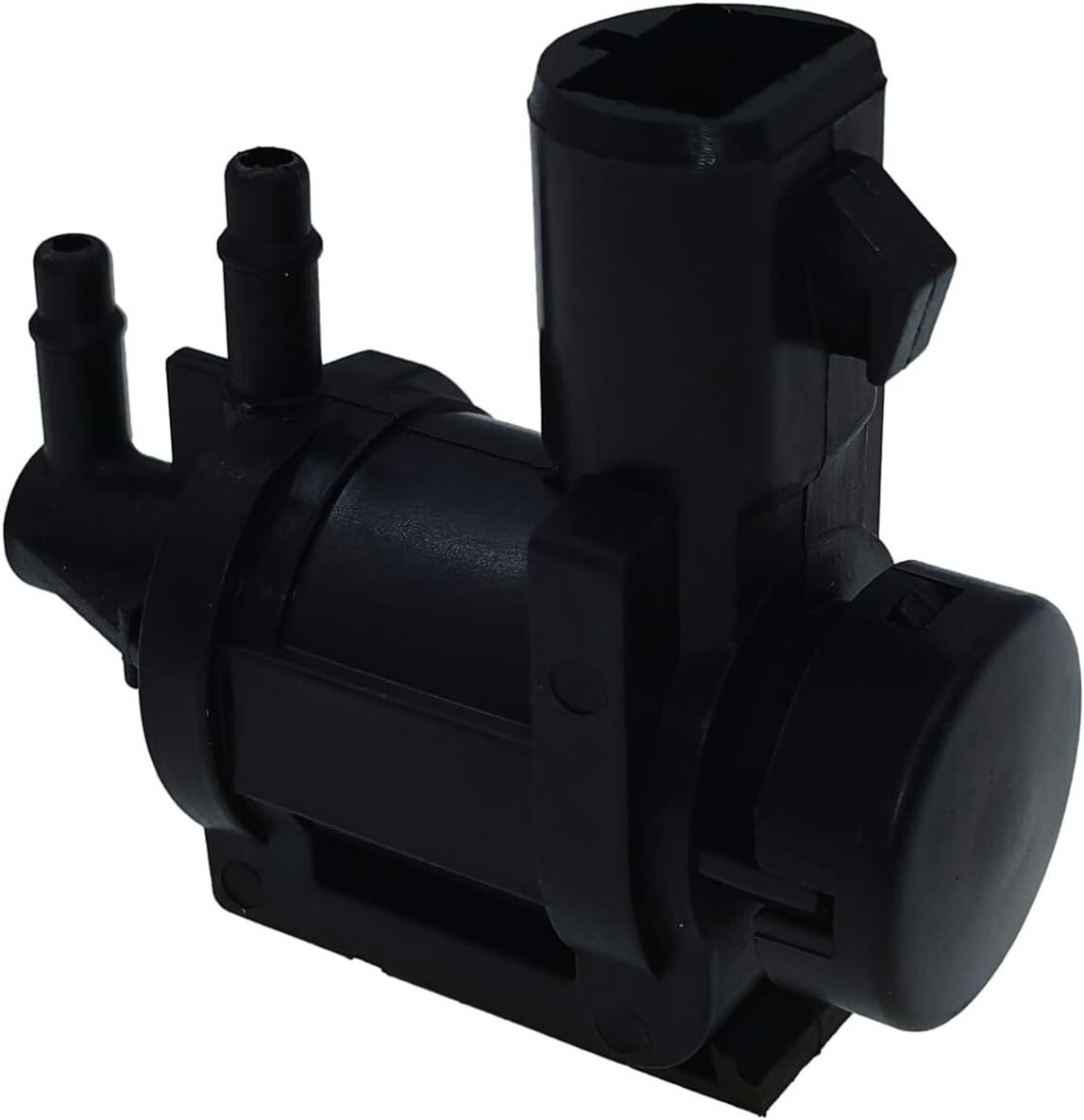
Failed Vacuum Hub Solenoid
Symptoms: The dash switch works, the transfer case shifts, but vacuum never reaches the hubs. The hubs may work when manually locked. Codes are unlikely unless the electrical side of the ESOF system has an issue.
Why it happens: The solenoid routes vacuum to the hubs. If it sticks, cracks, corrodes, or fails electrically, the hubs won’t receive vacuum.
How to fix it: Check vacuum supply into the solenoid, vacuum output from the solenoid, and electrical command when 4x4 is selected. Replace the solenoid if it has supply and command but no proper output.
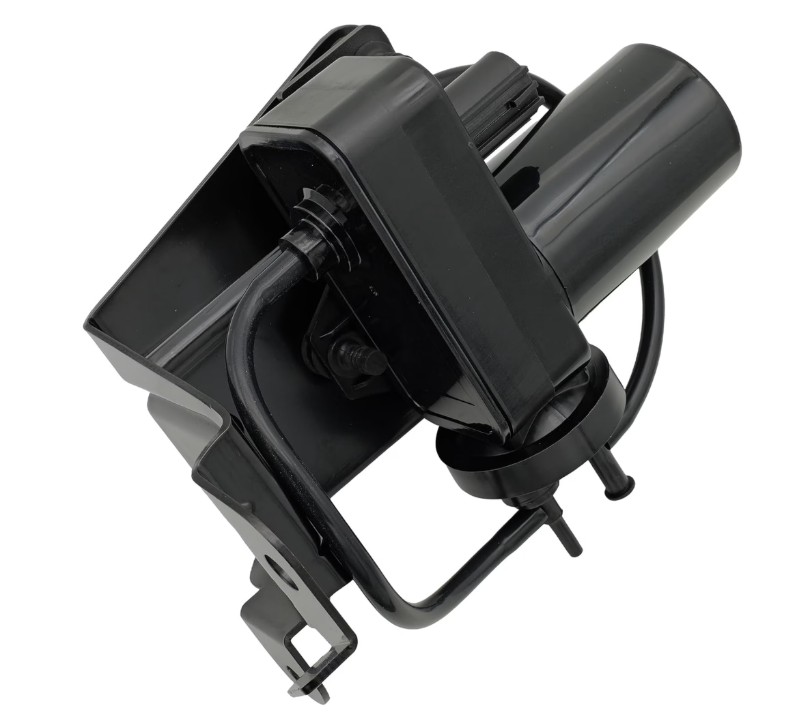
Weak or Constant-Running Vacuum Pump
Symptoms: Vacuum pump runs constantly, runs too often, sounds weak, or won’t build enough vacuum. Auto hubs may not work and HVAC modes may act strange.
Why it happens: The pump may be weak, but a leak is more common. A good pump will still run constantly if the system can’t hold vacuum.
How to fix it: Test pump output first, then cap sections of the system to isolate the leak. Don’t replace the pump until you know the lines, hub seals, reservoir, and check valve can hold vacuum.
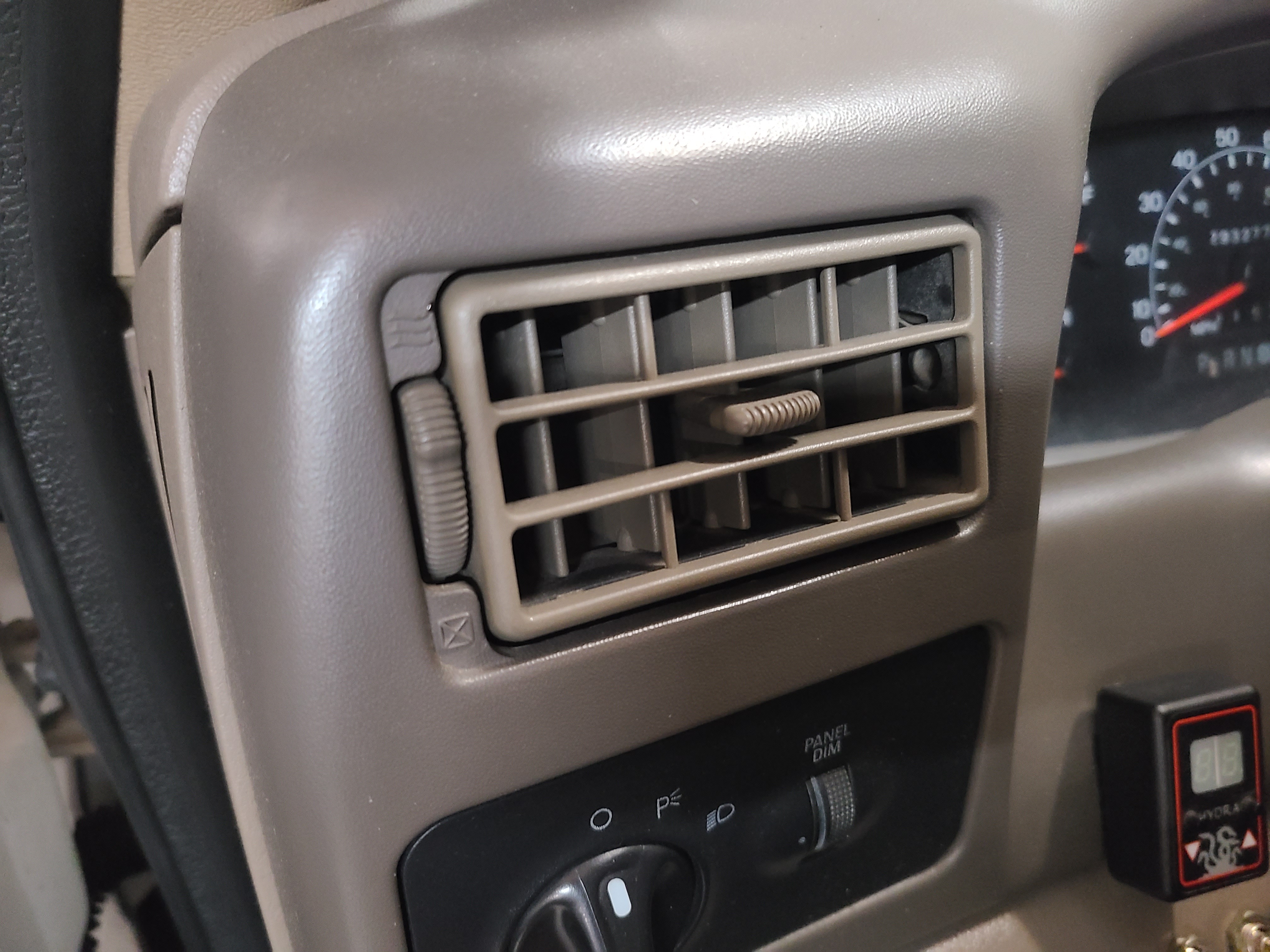
HVAC Stuck on Defrost
Symptoms: Air only blows from the defrost vents, switches to defrost randomly, or changes modes during acceleration or 4x4 use. Usually no codes.
Why it happens: The HVAC mode doors use vacuum. When vacuum is lost, many Ford trucks default to defrost. Annoying, but at least you can still see where you’re sliding.
How to fix it: Check the main vacuum supply, reservoir, check valve, firewall vacuum line, and HVAC vacuum harness. If the issue gets worse when using 4x4, isolate the hub vacuum system first because a front hub leak can rob vacuum from the HVAC system.
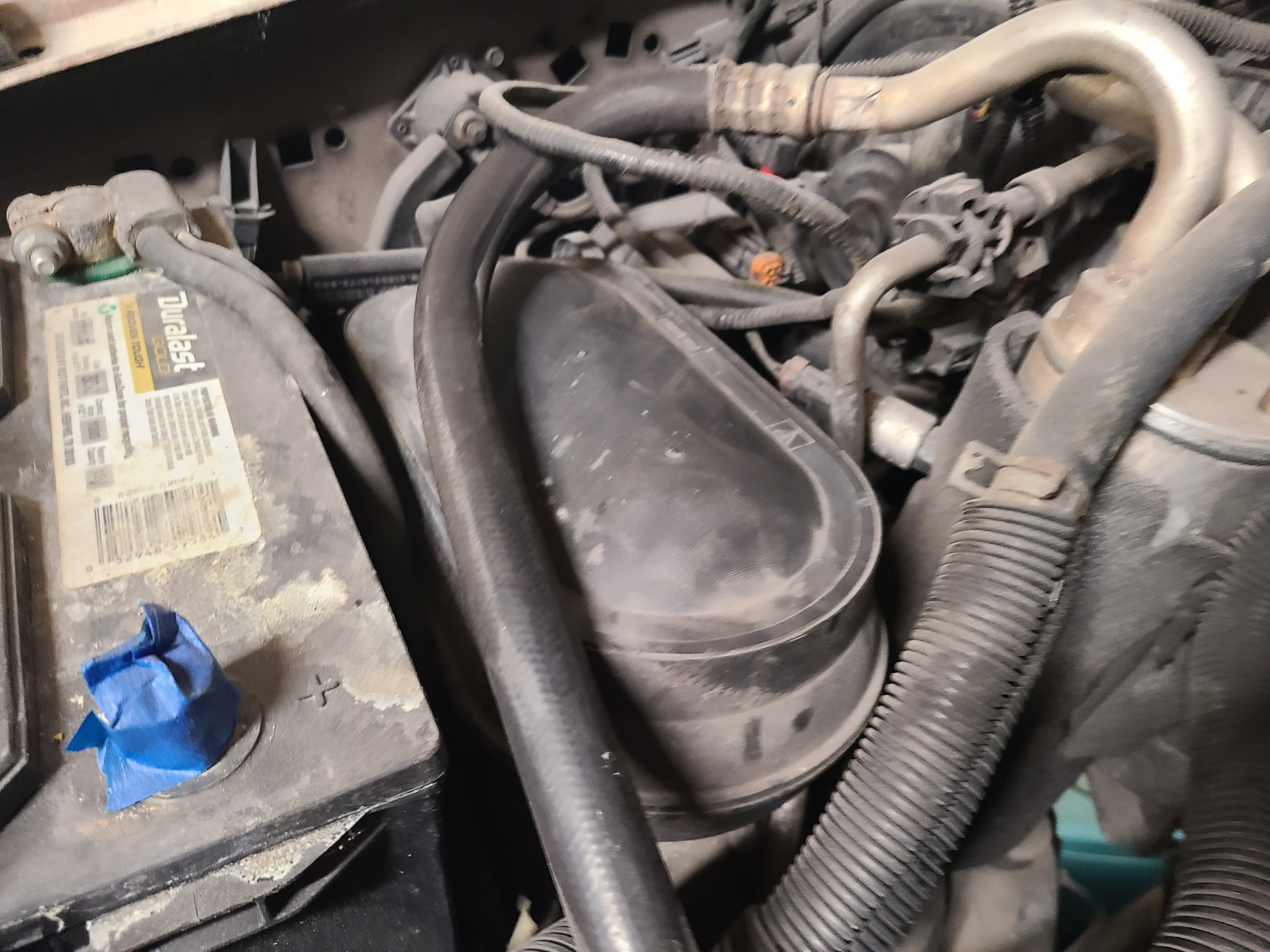
Leaking Vacuum Reservoir or Check Valve
Symptoms: HVAC modes change under throttle, hubs work inconsistently, or vacuum disappears shortly after shutdown. Usually no codes.
Why it happens: The reservoir stores vacuum and the check valve keeps it from bleeding away. If either leaks, the system may work briefly and then fall on its face.
How to fix it: Use a hand vacuum pump to test the reservoir and check valve. Replace whichever part won’t hold vacuum, then retest the full system.
Moisture or Blocked Hub Vent Lines
Symptoms: Hubs stick, grind, lock inconsistently, or act worse after snow, mud, water crossings, or pressure washing. Usually no codes.
Why it happens: The hub vent system needs to stay clear and dry. Moisture contamination can damage the hub actuator area and make the hubs unreliable.
How to fix it: Inspect vent lines for blockage, kinks, missing sections, or poor routing. Repair the vent system and replace damaged hubs or seals if moisture has already gotten inside.
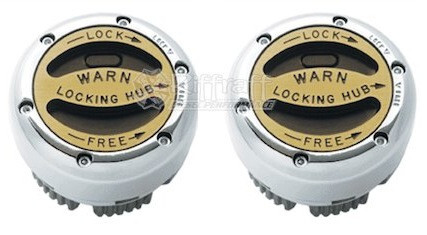
Manual Hub Use or Conversion
Symptoms: The vacuum system keeps failing, auto hubs are unreliable, or 4x4 only works when the hubs are manually locked. Usually no codes unless the transfer-case electrical side has a separate issue.
Why it happens: The vacuum hub system is convenient when everything is new. Once the truck has old lines, old seals, worn hubs, and weather exposure, manual hubs can become the simpler answer.
How to fix it: Repair the vacuum system correctly or switch to manual hub operation. Manual hubs remove the vacuum-locking side of the problem. You may have to get out and turn them, but at least you know they’re locked.
Final Thoughts
Most 6.0L vacuum problems are usually:
- Vacuum leaks.
- Hub seals.
- Cracked lines.
- Bad solenoids.
- Weak pump output.
- HVAC vacuum leaks.
- Worn hubs.
- Moisture in the wheel-end system.
Big Tip: Get yourself a hand vacuum pump for testing. It and a little patience will save you from throwing parts darts.
Disclaimer: The information provided on this blog is for informational purposes only. We share our knowledge and experience, but we are not liable for any damages, injuries, or losses that may occur as a result of using this information. Situations are rarely cut and dry in the automotive world. Your situation will likely be somewhat different than what we describe here. Use your best judgment and always consult a qualified professional for automotive repairs and modifications. Your safety is your responsibility.