
7.3L Powerstroke ICP Sensor: How It Works, Failure Symptoms, Codes, and Diagnosis
Posted by Adam Blattenberg on Aug 26th 2026
The ICP sensor is one of the more important sensors on a 7.3L Powerstroke, and also one of the easier ones to diagnose.
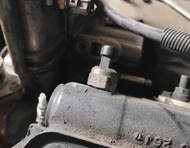
ICP stands for Injection Control Pressure. The sensor is threaded into the high-pressure oil gallery at the front of the driver-side cylinder head. Its job is to tell the PCM how much high-pressure oil pressure the HEUI injection system actually has. The PCM compares that reading to the pressure it wants, then adjusts the IPR valve to compensate. A poor ICP signal leads to poor fuel injection decisions by the PCM. Which can make a perfectly good HPOP or set of injectors, act like something is seriously wrong.
Common ICP Sensor Symptoms
- Rough or hunting idle
- Surging
- Hard starting
- Hot or cold starting problems
- Stalling
- Hesitation
- Poor throttle response
- Loss of power
- Check-engine light
- Intermittent problems that disappear when the ICP is unplugged
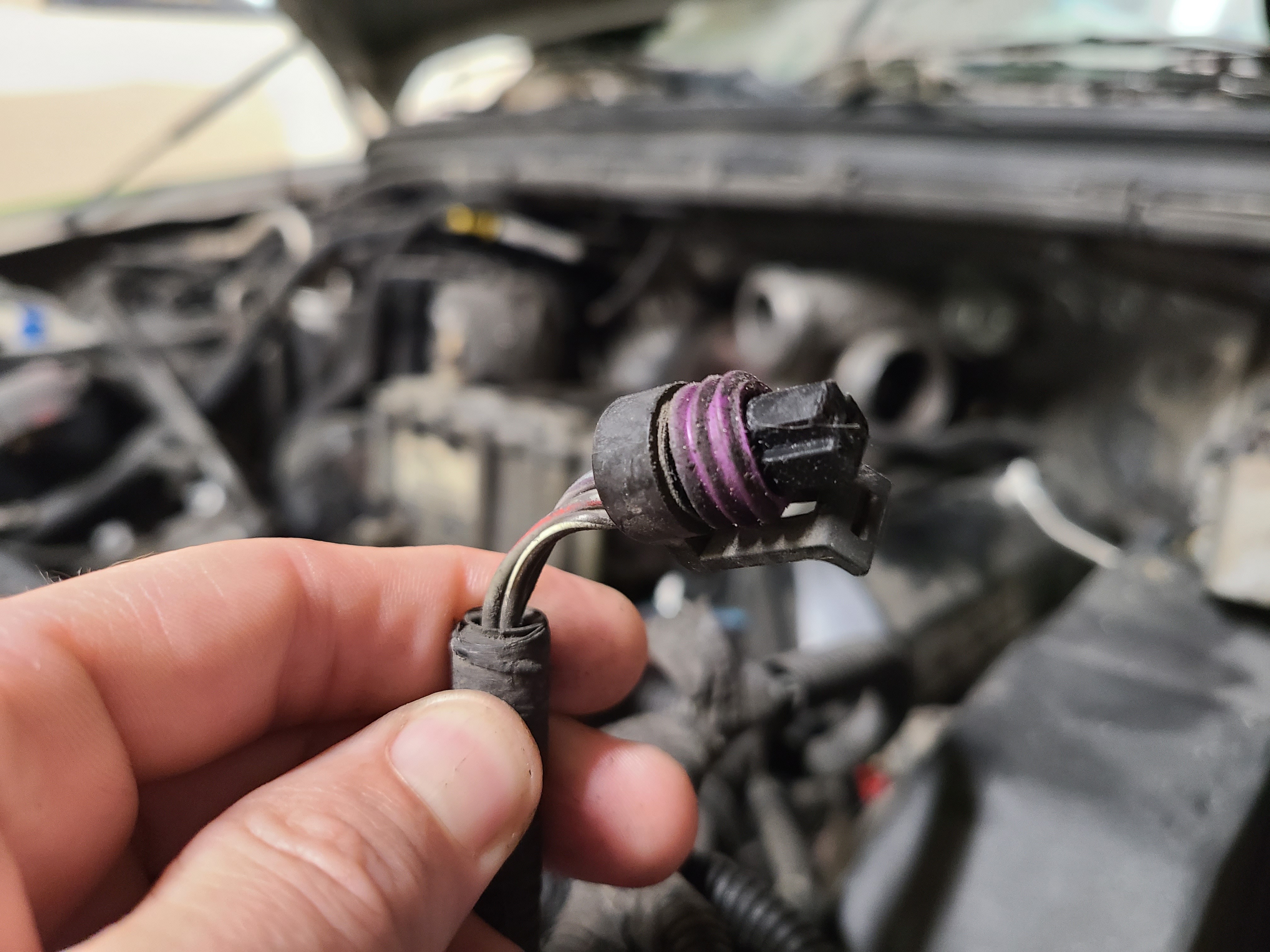
One of the biggest ICP problem signs is engine oil inside the electrical connector. The sensor can leak internally and push oil through the electrical side of the sensor. We've seen this countless times: oil in the connector, rough starts or idle problems, and P1280 codes that disappear after replacing the sensor.
Also, you unplug the ICP and the truck suddenly starts or runs noticeably better, the sensor or its wiring moves way up the suspect list. But use that as a quick test, not as absolute proof that the sensor is bad.
ICP Sensor vs. IPR Valve
These two get confused constantly so it's worth saying it again: The ICP sensor measures pressure. The IPR valve controls pressure.
The HPOP creates high-pressure oil flow, the IPR controls how much pressure the system builds, and the ICP tells the PCM what pressure actually resulted.
Codes Related to the ICP System
P1280: ICP Circuit Low
Ford sets P1280 when ICP sensor voltage falls below its expected electrical range. This points more toward the sensor, connector, or wiring than an actual low-pressure condition. If you have P1280, check for oil in the connector first.
P1281: ICP Circuit High
P1281 means the ICP signal voltage is above its expected range. Again, this is primarily an electrical circuit fault. Check the sensor, 5-volt reference to it, wiring, and the connector.
P1211: ICP Higher or Lower Than Desired
This one gets misdiagnosed all the time. P1211 does not necessarily mean the sensor is bad. Ford sets it when actual injection control pressure differs substantially from commanded pressure while the engine is running. The ICP sensor could be lying, but the PCM may also be asking for oil pressure that the system physically cannot produce.
Possible causes include:
- Weak HPOP
- Sticking or failing IPR
- Injector O-ring leaks
- High-pressure oil leaks
- Bad ICP sensor
- ICP wiring problem
Under a loaded WOT test, technician's generally start getting suspicious when IPR duty cycle climbs beyond roughly 65% while ICP remains below about 2,000 psi. At that point the PCM is working hard to build pressure but isn't getting the result it wants.
P1209 / P1210 / P1282
These are less common, but they're also part of the Injection-Control-Pressure system. These generally require looking at the entire high-pressure oil system rather than automatically replacing the sensor.
- P1209: ICP system fault
- P1210: ICP above expected level
- P1282: Excessive ICP pressure
The Fastest Way to Diagnose an ICP Sensor
Look at the Connector
Before grabbing a scan tool, unplug the sensor. If there is engine oil inside the electrical connector, replace the sensor. If the pigtail is oil-soaked, brittle, cracked, or has loose terminals, we'd replace that too. We carry the Motorcraft ICP/EBP Pigtail Harness for this reason.
Try It Unplugged
If the truck has a rough idle, surge, hard start, or intermittent stall, unplug the ICP and try it again. If the problem improves significantly, suspect the sensor or its circuit. Don't leave it unplugged and call the truck fixed. It's simply a diagnostic shortcut. Fix the issue.
Watch ICP and IPR Together
A capable scan tool tells you much more than ICP alone. The important part is comparing what pressure the system is producing to how hard the PCM is commanding the IPR to work.
We normally watch:
- ICP pressure
- ICP voltage
- IPR duty cycle
- Engine RPM
- Engine oil temperature
Low ICP with high IPR duty cycle points toward a pressure-production or leak problem.
An ICP reading that jumps around unrealistically while IPR command remains relatively stable, points more toward the sensor or wiring.
Always Check the Wiring Before Buying Parts
The ICP uses a three-wire circuit. Don't overlook the connector just because the sensor looks bad. These trucks have been on the road for more than two decades. Wiring issues are just part of life now.
Check for:
- Oil contamination
- Loose terminals
- Damaged insulation
- Broken wires near the connector
- Corrosion
- Previous poorly done repairs
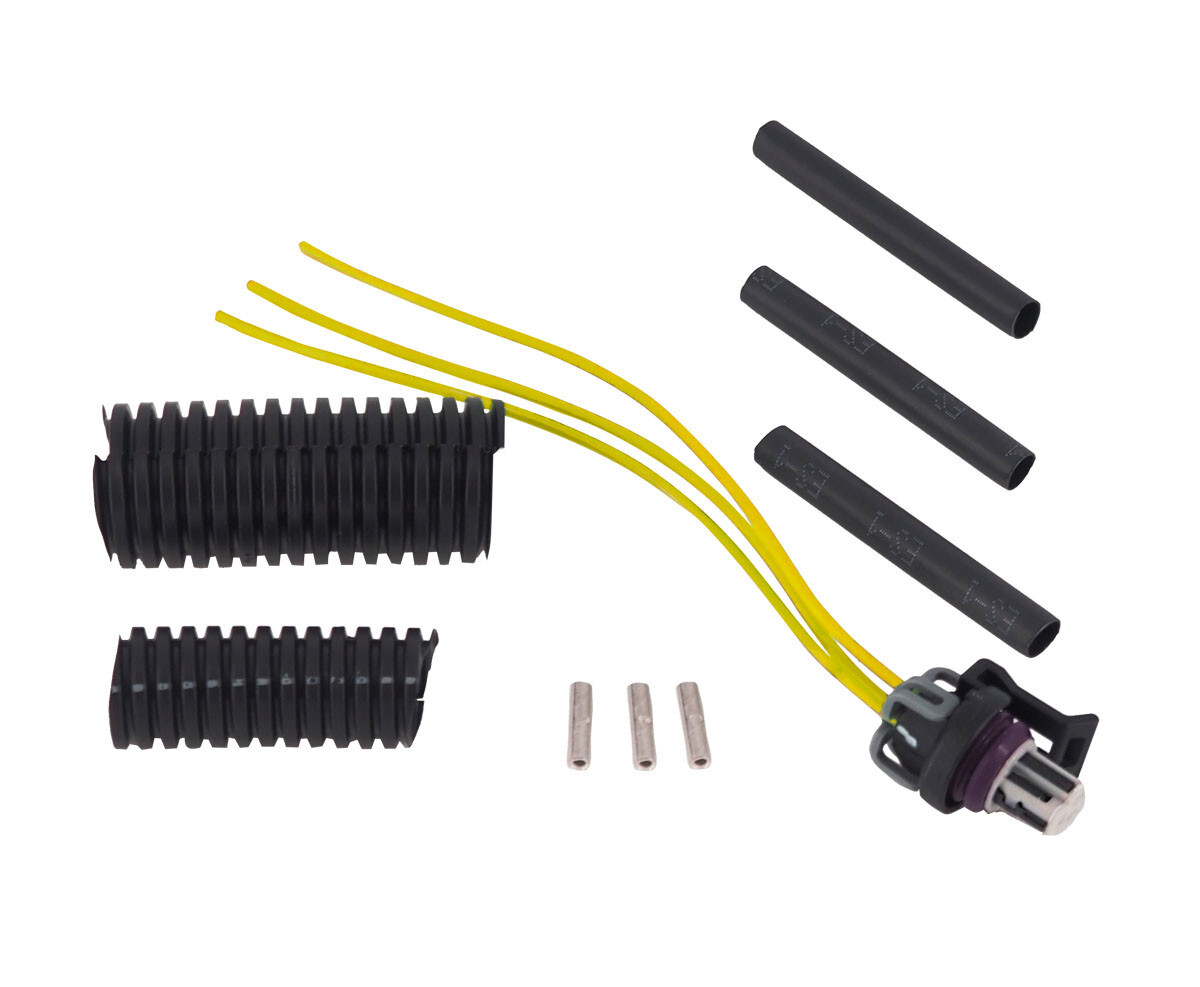
NOTE: If you're replacing the pigtail, splice the wires one at a time, matching their pin placement to what was removed. The Motorcraft replacement pigtail uses wires that can be difficult to identify once they're all cut loose and wiring color won't always match. Taking an extra minute here saves a lot of trouble.
Replacing the ICP Sensor
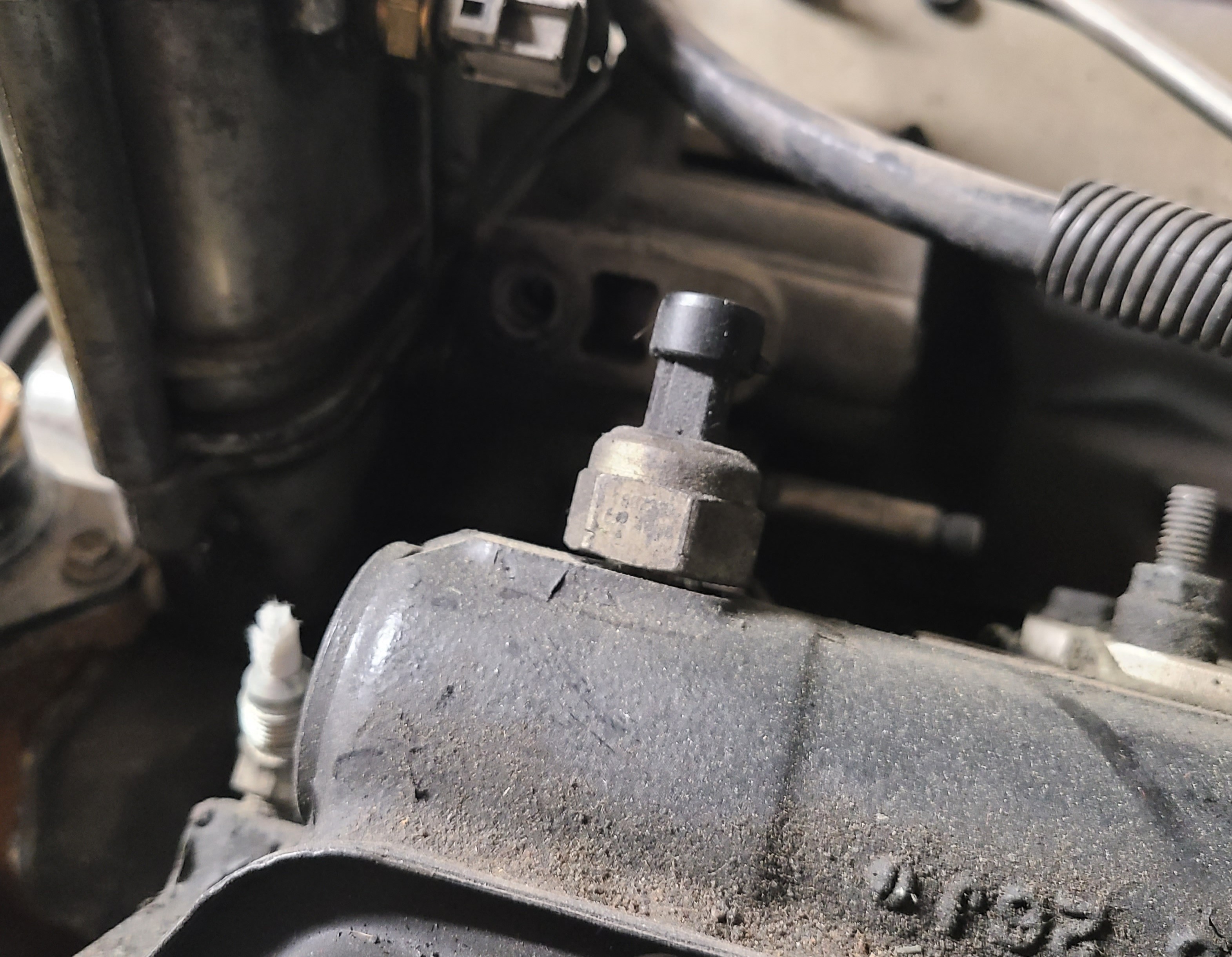
The sensor is located toward the front of the driver-side cylinder head near the HPOP reservoir.
Clean around it before removal. Once the sensor is out, that opening goes directly into the high-pressure oil gallery. You don't want dirt falling into it.
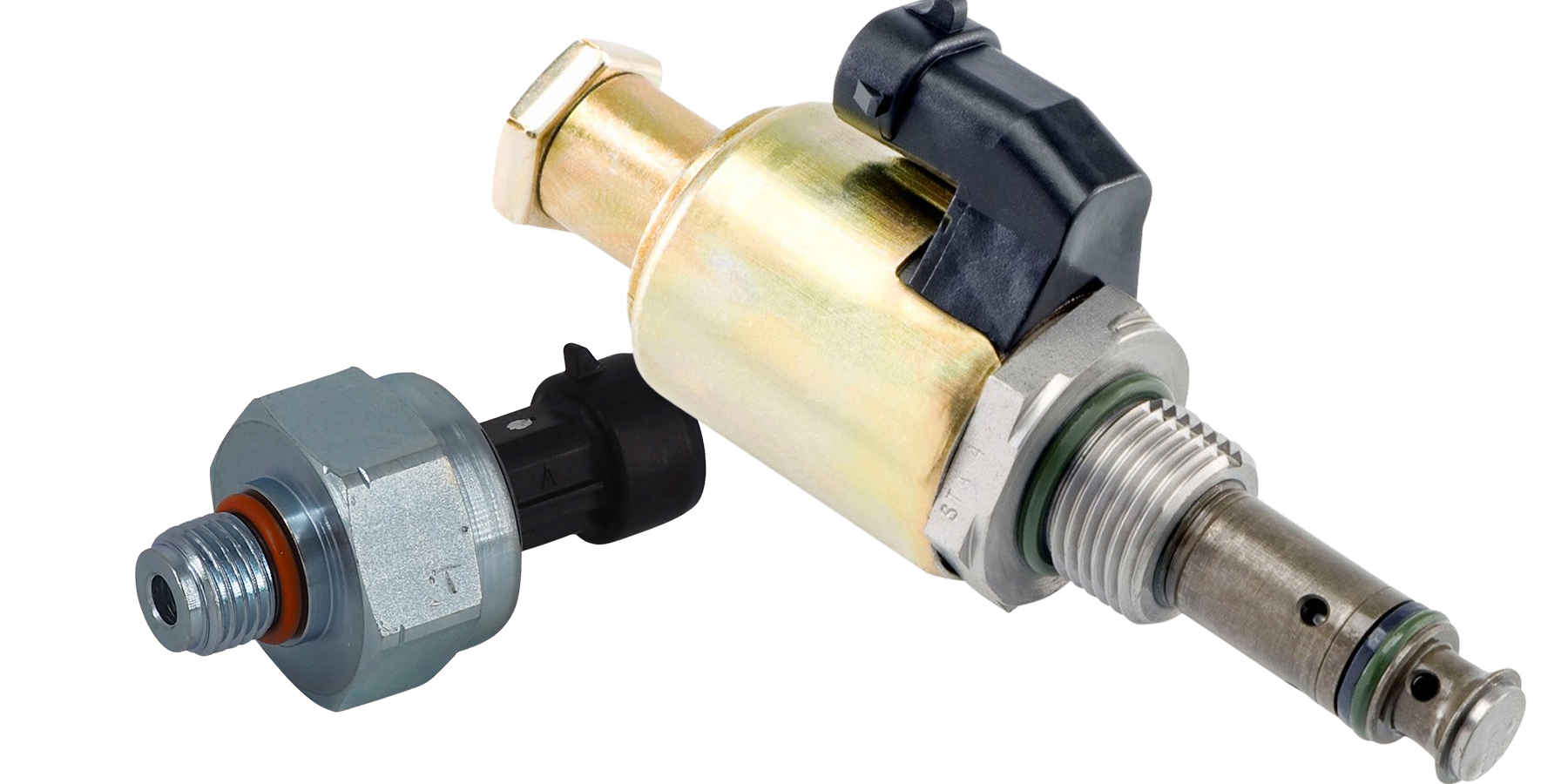
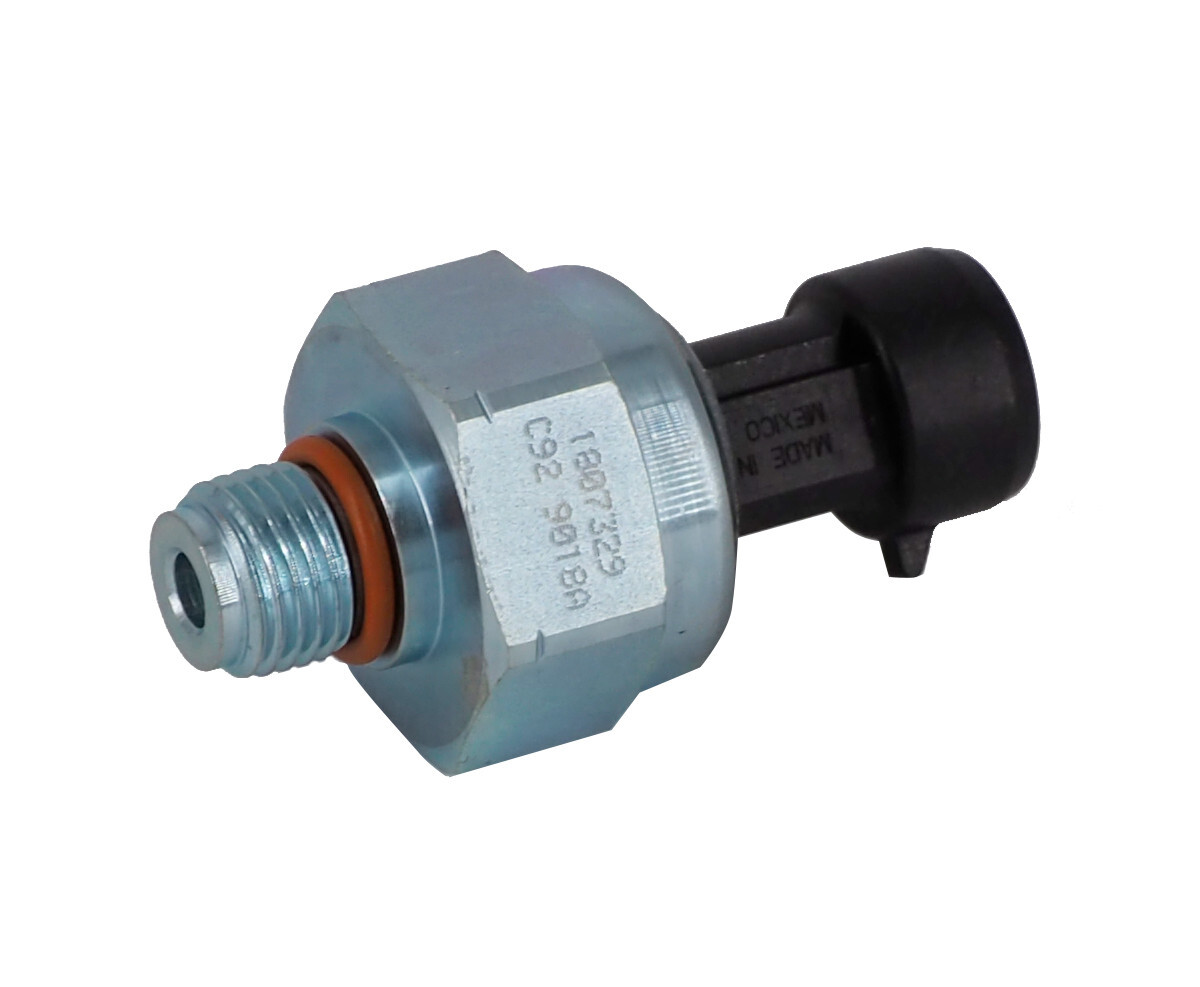
Early-style sensors may use a smaller integral hex, while later Ford replacement sensors use a larger hex body. Lubricate the new O-ring with clean engine oil, thread the sensor in carefully, and don't overtighten it. Failed O-rings are usually due to contamination and/or over-torquing.
We carry two genuine Ford applications. Make sure you're ordering by production date, not just the model year. The two are often not the same:
1994.5–1996 ICP Sensor — PU7Z-9F838-A
1997–2003 ICP Sensor — YC3Z-9F838-A
Final Note: Don't Blame the ICP for Every High-Pressure Oil Problem
P1280 or P1281? Start with the ICP sensor and circuit.
Oil in the ICP connector? The sensor is most likely bad.
Truck runs dramatically better with the ICP unplugged? Sensor or wiring is likely.
P1211 with high IPR duty cycle and low ICP under load? Start looking deeper into the IPR, HPOP, injector O-rings, and high-pressure oil system.
Disclaimer: The information provided on this blog is for informational purposes only. We share our knowledge and experience, but we are not liable for any damages, injuries, or losses that may occur as a result of using this information. Situations are rarely cut and dry in the automotive world. Your situation will likely be somewhat different than what we describe here. Use your best judgment and always consult a qualified professional for automotive repairs and modifications. Your safety is your responsibility.