
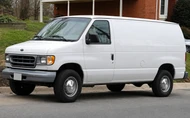
7.3L Powerstroke E-Series vs. F-Series: What’s Actually Different?
Aug 21st 2026
At a glance, a 7.3L Powerstroke in an Econoline looks like the same engine found in an F-250 or F-350. For the most part, it is. The problem starts with everything Ford had to change to stuff that engine under the doghouse of an E-Series van. Oil system parts, turbo hardware, intake plumbing, exhaust and several chassis-side components are different. If you’re working on a 1994.5-2003 7.3L Powerstroke Econoline, assuming a truck part will fit can get expensive pretty quickly.
Quick note: Always verify the part you're ordering will fit your specific E-Van. Never assume. And while we've covered the basics, we've done just that, the basics. Don't take this list as your 100% how to tell if it fits guide. Always double check.
That said, here are the main differences.
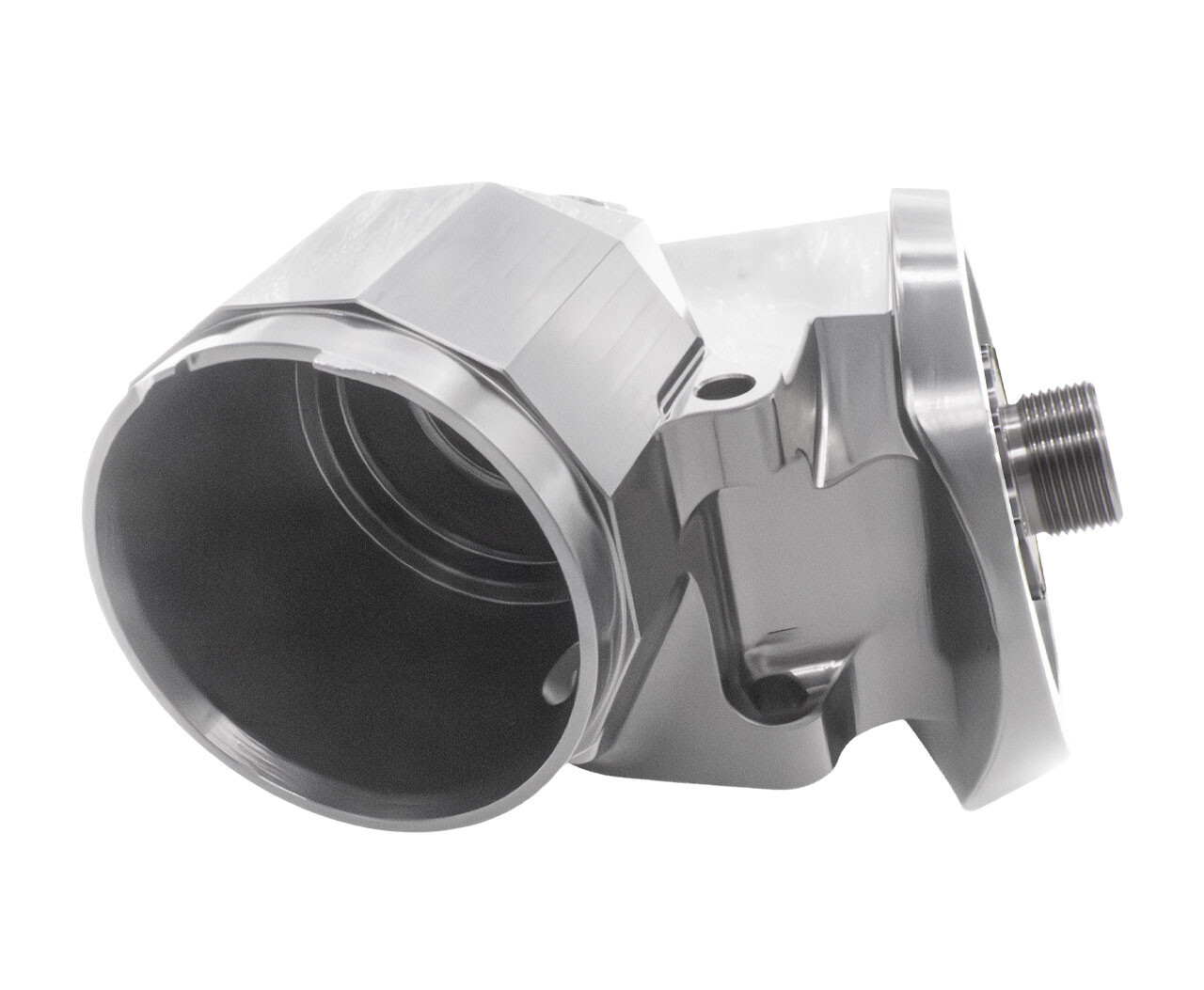
Oil Cooler and Oil Filter Housing
This is one of the biggest differences.
The oil cooler core is shared, but the front header and rear oil cooler/filter housing are E-Series specific. The rear housing also changes the oil filter location to clear the van chassis. Because these parts are different, the oil flow through an E-Series is handled differently. When diagnosing/repairing, you need to think differently than with a truck. This is a very common diagnostic headache many not experienced with vans deal with.
Major differences include:
- Front oil cooler header
- Rear oil cooler/filter housing
- Oil filter mounting position
- Related hardware
Note: If you're swapping in a truck engine, keep the van oil cooler housings, or upgrade to our billet versions.
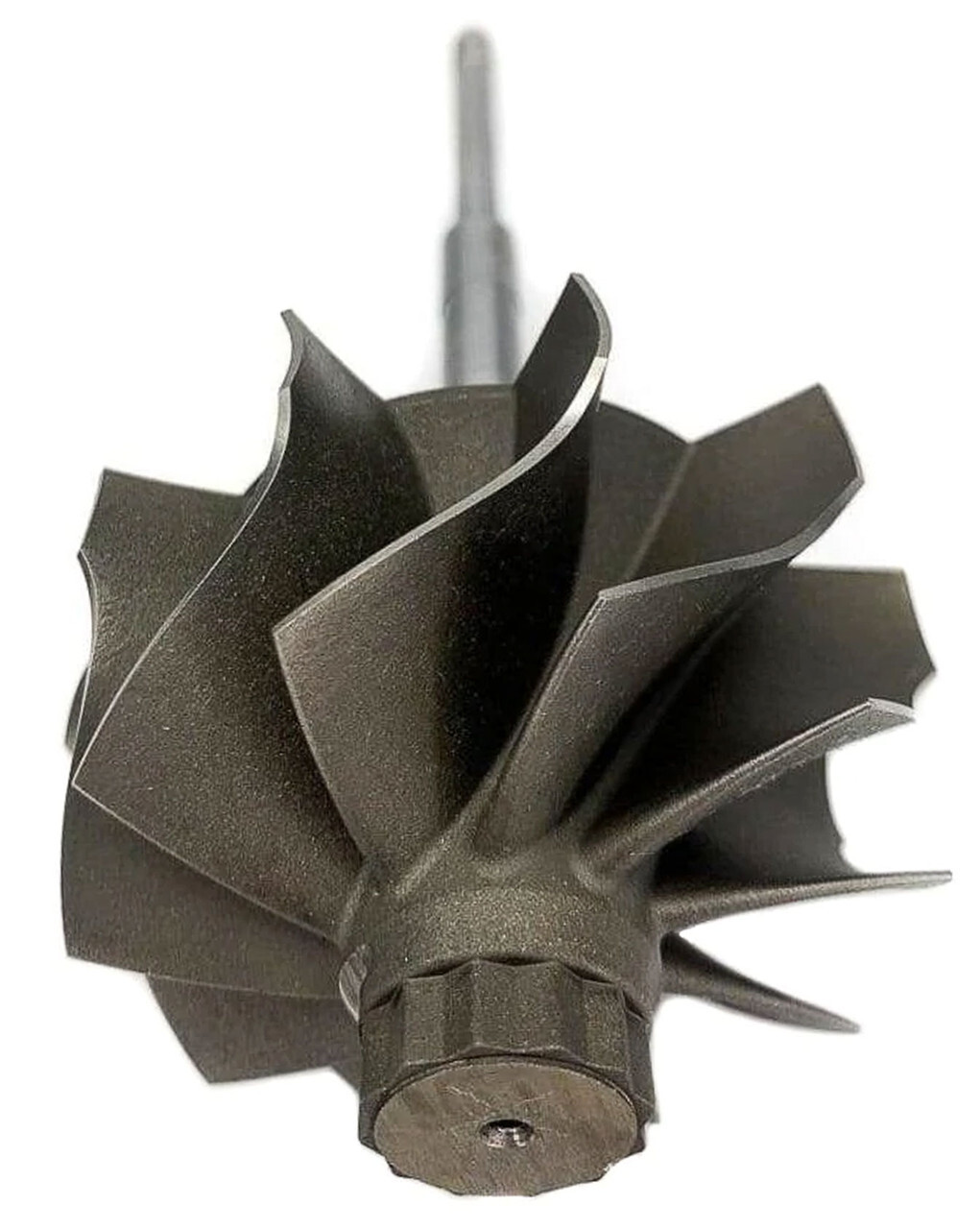
Turbocharger System
The E-Series turbo setup has several packaging-specific differences. Some truck turbo parts will physically look similar but lack the provisions needed for the E-Series installation.
Depending on year, these can include (more turbo parts next, below):
- Turbine wheel
- Turbine housing
- Turbo outlet
- Pedestal
- EBPV hardware
- Heat shields and mounts
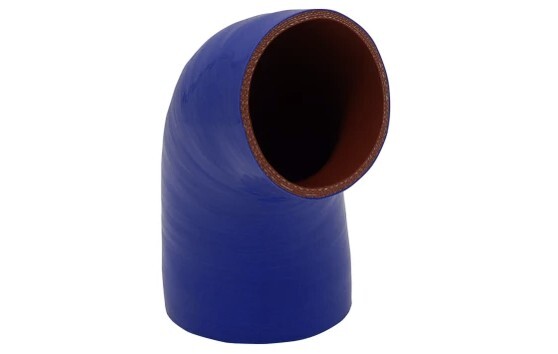
Turbo Inlet and Intake Plumbing
The van uses its own turbo inlet and intake routing because of the limited space under the doghouse.
Common differences include:
- Turbo inlet hose
- Intake ducting
- CCV plumbing
- Air cleaner plumbing
- Boots and brackets
Exhaust System
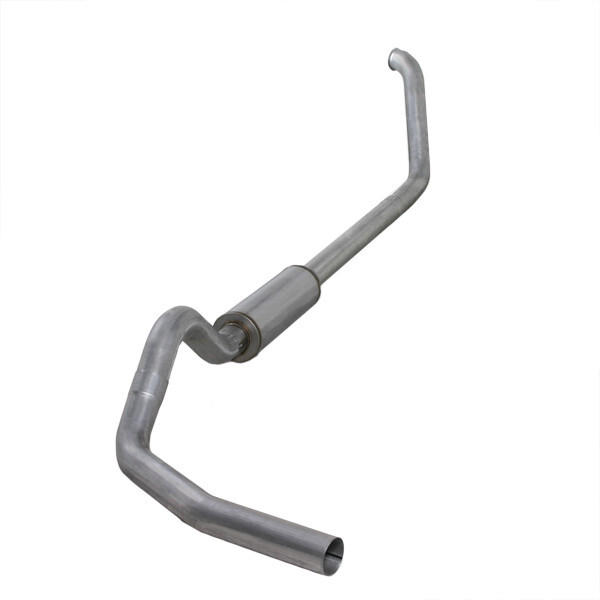
The E-Series exhaust has to follow a completely different path under the body. An extremely common question is regarding up pipes. Most all up-pipe kits fit both trucks and vans (our Riffraff Bellowed Up Pipes do fit both), so the entire exhaust system is not necessarily unique. Most of the differences start at the turbo outlet and work rearward.
Differences can include:
- Turbo outlet
- Downpipe
- Downpipe clamp
- Exhaust tubing
- Hangers
- Heat shields
Cooling and Front Accessory Drive
Radiator and fan placement are different in the van chassis, so several front-of-engine parts should be checked by application. Not every part is different every year, but truck interchange should never be assumed here.
These can include:
- Fan
- Fan clutch
- Fan shroud
- Radiator hoses
- Heater hoses
- Accessory brackets
- Belt routing and tensioner hardware
Transmission Plumbing and External Parts
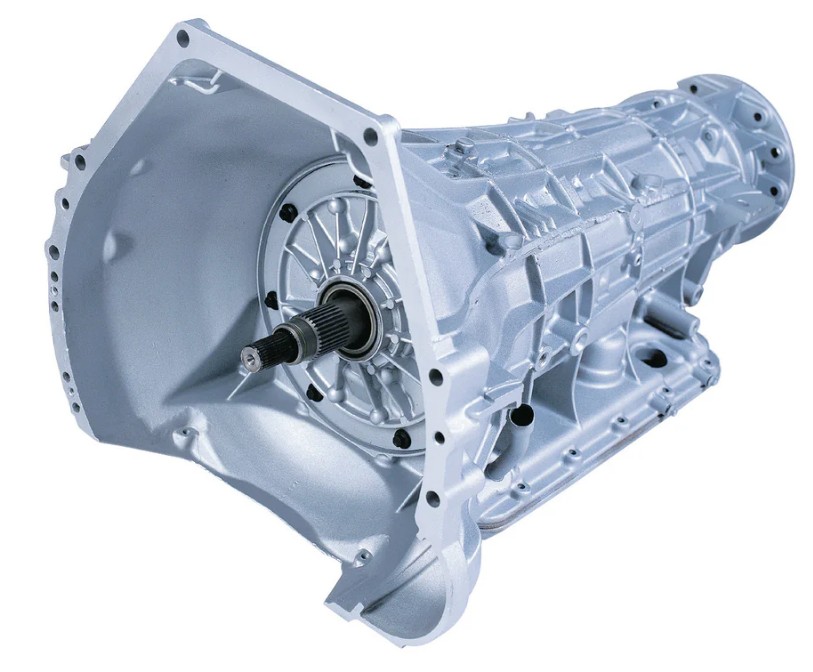
The E4OD and 4R100 share many internal parts between applications, but the parts around the transmission can differ. The dipstick tube is a good example of a part that looks simple but has to follow a completely different path in the van.
Common examples include:
- Dipstick tube
- Cooler lines
- Cooler routing
- Brackets
- Crossmember and mounting hardware
Engine Mounts and Chassis Hardware
The E-Series uses its own chassis, so the mounting hardware around the engine is different. When installing an F-Series donor engine, these are usually parts you want to transfer from the original van engine.
This can include:
- Engine mounts
- Engine mount brackets
- Transmission mounts
- Crossmembers
- Heat shields
- Chassis brackets
Fuel System Plumbing
Most of the engine-mounted HEUI fuel system is similar, but the plumbing leading to and from it can differ. The engine-side components may interchange while the chassis-side plumbing does not.
Check:
- Supply lines
- Return lines
- Hard-line routing
- Hose routing
- Tank connections
- Mounting brackets
Wiring and Harness Routing
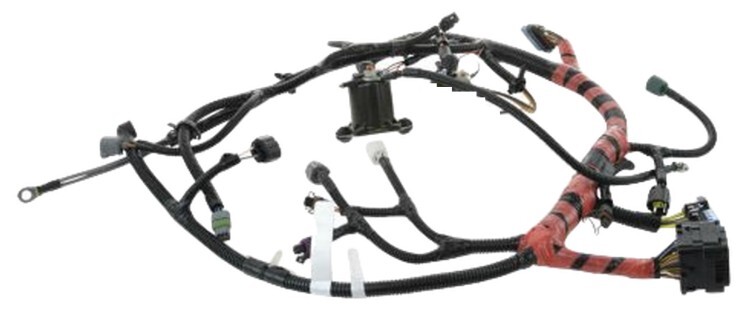
Many sensors are shared, but the harness layout can be different. For engine swaps, keeping the E-Series harness and chassis wiring usually avoids unnecessary problems.
Differences can include:
- Main engine harness routing
- Branch lengths
- Grounds
- Connector locations
- Mounting brackets
- PCM calibration
What Is Usually Shared?
Not everything on a van engine is unique.
Oil Pan: The oil pan is generally shared between F-Series and E-Series 7.3L applications. There can be production changes, but it should not be considered a blanket van-specific part.
Front Cover: The front cover also varies more by engine production date than by truck-versus-van chassis. Verify the casting and year rather than assuming an E-Series uses its own cover.
Long Block: The block, crankshaft, pistons, cylinder heads, and most internal engine components are shared.
Summary: The Main E-Series Differences
If you're comparing a 7.3L Econoline to an F-Series truck, focus most on these areas:
- Oil cooler and oil filter housings
- Turbocharger hardware
- Turbo inlet and intake plumbing
- Downpipe and exhaust
- Cooling and accessory drive
- Transmission plumbing
- Engine mounts and chassis hardware
- Fuel-system routing
- Wiring and harness routing
The easiest rule: the farther you move away from the long block, the more likely the part is to be E-Series specific.
An F-Series 7.3L can make a good donor engine, but the van-specific external parts should stay with the van.
Some parts on our site that are specific to the E-Series only:
Oil System
Riffraff Diesel Billet Oil Cooler Front Mount 94-03 E-Series 7.3L
https://www.riffraffdiesel.com/riffraff-diesel-billet-oil-cooler-front-mount-94-03-e-series-7-3l/
Riffraff Diesel Billet Oil Cooler/Filter Rear Assembly E-Series 94-03 7.3L
Turbo / Intake System
Riffraff Diesel Turbo Inlet Hose Econoline – 94-98
https://www.riffraffdiesel.com/riffraff-diesel-turbo-inlet-hose-econoline-94-98/
Riffraff Diesel Turbo Inlet Hose Econoline – 99-03
https://www.riffraffdiesel.com/riffraff-diesel-turbo-inlet-hose-econoline-99-03/
KC S300 Drop-In Van/Econoline Turbine Wheel 94-03.
https://www.riffraffdiesel.com/kc-s300-drop-in-van-turbine-wheel-94-03/
Exhaust System
Diamond Eye 4" Aluminized Turbo Back – E Series
https://www.riffraffdiesel.com/diamond-eye-4-aluminized-turbo-back-e-series/
Diamond Eye 4" Aluminized Turbo Back With Muffler Delete – E Series
https://www.riffraffdiesel.com/diamond-eye-4-aluminized-turbo-back-w-muffler-delete-e-series/
Lead Image Source: https://en.wikipedia.org/wiki/Ford_E-Series
Disclaimer: The information provided on this blog is for informational purposes only. We share our knowledge and experience, but we are not liable for any damages, injuries, or losses that may occur as a result of using this information. Situations are rarely cut and dry in the automotive world. Your situation will likely be somewhat different than what we describe here. Use your best judgment and always consult a qualified professional for automotive repairs and modifications. Your safety is your responsibility.