
7.3 Powerstroke Injector Cup Replacement: Tips and Tricks
Posted by Adam Blattenberg on Aug 21st 2025
The legendary Ford 7.3L Powerstroke diesel is famous for being a reliable workhorse, but like any engine, it has its weak spots. One very common issue is leaking or damaged injector cups, which can lead to coolant getting into your combustion chambers (causing hard starts, missfires, or smoke in the exhaust) or fuel mixing with coolant (causing rising coolant levels and visible coolant contamination). While these issues may just seem like a nuisance that can be put off for a later time, heavy, prolonged contamination can lead to failed parts such as the bearings from oil dilution and hoses from fuel contamination.
Replacing these cups is a detailed process that demands careful attention. This guide will give you symptoms as well as some pro tips to make the job as smooth as possible.
A full step-by-step guide to injector cup replacement can be found here: https://www.riffraffdiesel.com/content/RESOURCES/Riffraff_Diesel_Injector_Cup_Replacement.pdf
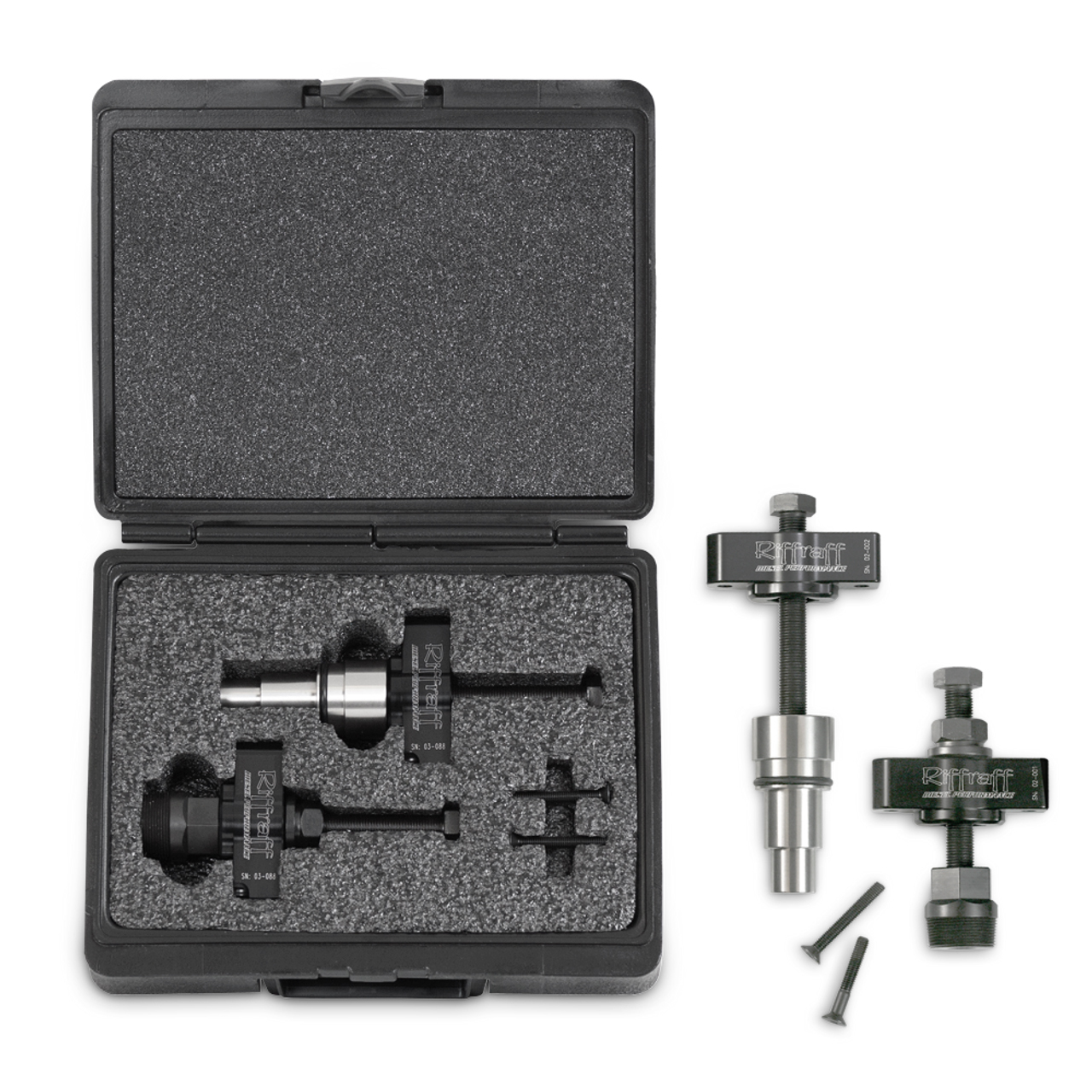
Our specialty injector cup tool can be found here: https://www.riffraffdiesel.com/riffraff-diesel-7-3l-injector-cup-sleeve-tool-set/
Our upgraded Stainless Steel Injector Cups/Sleeves and Cup Tool Rental Option can be found here: https://www.riffraffdiesel.com/injector-cup-billet-stainless-steel-sleeve-set-7-3l-94-03/
What Are Injector Cups?
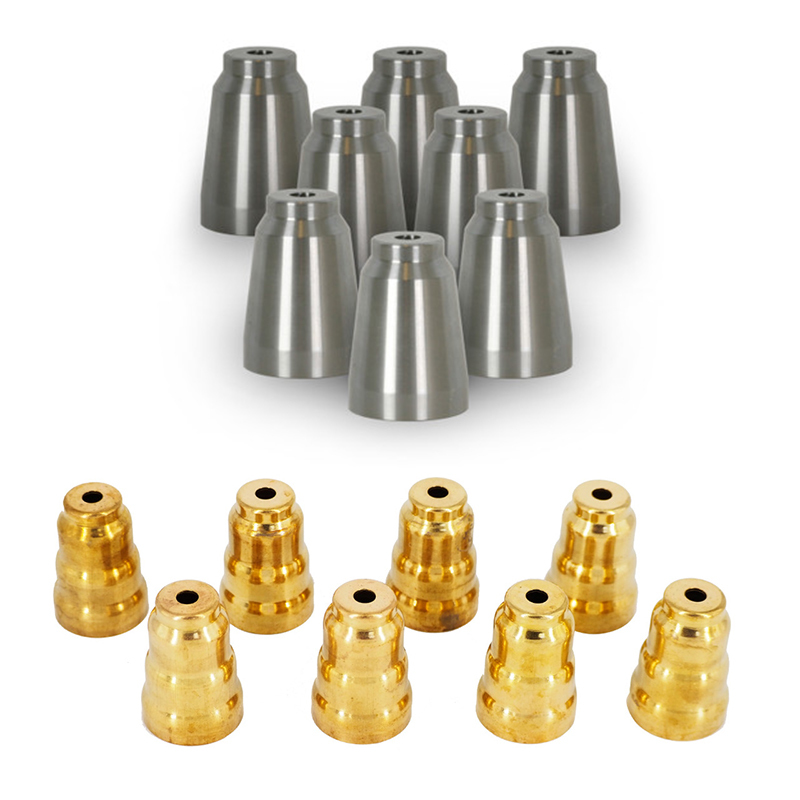
Think of injector cups (or sleeves) as a barrier. These brass or upgraded stainless steel components are pressed into the cylinder head and keep the fuel injector separate from the engine's coolant and fuel. When they crack or get damaged, the barrier fails, allowing fuel and coolant to mix where they shouldn't.
Stainless or Brass Cups/Sleeves?
We hands down prefer stainless due to its superior corrosion resistance and strength over brass. Our Stainless Steel Injector Cups/Sleeves are 100% USA made. They're machined from one piece of billet stainless steel for perfect fitment and the utmost in corrosion resistance. Plus they're specifically designed to improve upon the brass versions, with thicker areas built in, where the brass commonly fails.
What happens when they leak?
• Fuel in Coolant: A strong diesel smell from the degas bottle and the appearance of fuel in the coolant are the most common indicators. Growing coolant levels will also be likely.
• White Exhaust Smoke: As coolant enters the cylinders, it can be burned and create excessive white smoke from the exhaust, especially when starting the engine.
• Bubbling in the Degas Bottle: Air from the combustion chamber can enter the cooling system, causing bubbles in the degas bottle.
• Engine Performance Issues: A loss of fuel pressure from the leak can result in hard starting, rough idling, and engine misfires. Coolant in the combustion chamber can also create hard starts or missfires
• Coolant Loss: You may notice your coolant level dropping without any visible external leaks, as the coolant is being pushed into the cylinders.
Tips for replacement:
• Don't Skimp on Tools: A good, specialized tool kit for this job will save you a lot of headaches and prevent costly mistakes. Our patented Injector Cup/Sleeve Tool reduces contamination in the cylinder due to it's thread design (no brass shavings here). It reduces installation time as the rockers are not required to be removed. And with the press-in design, installation can be done more methodically and in the end, more correctly with less potential of damage (slide hammers and manual hammer style tools are primitive in comparison).
• Use the Right Sealant: High-temperature sealant is non-negotiable. Using the wrong product can lead to leaks and more problems down the road. We recommend Loctite 620.
• Work Clean: Contamination is your enemy. Keep your work area and all parts as clean as possible to ensure a perfect seal. Be sure to clean the bores before and after thoroughly. Also make sure the cylinder isn't full of coolant or other contaminants before closing everything up. A penny in the bore over the injector hole while cleaning will help keep contaminants from entering the cylinder.
• Replace O-Rings: Always, always install new O-rings on your injectors. It's a cheap part that prevents future fuel leaks.
• Inspect Everything: Before installing the new cups, check the bore for any damage. If you see severe pitting or corrosion, the head may need professional machine shop work.
• Take Your Time: This isn't a race. Rushing can lead to a crooked cup and/or a poor seal. Double-check your work at every step.
• Do one cylinder at a time: to reduce the chance of dropping debris in the wrong spot.
• Inspect injectors while they’re out: If you see cracked tips, worn O-rings, or coking, now’s the time to service or replace them.
• Change oil after: Any coolant or debris that slipped by could be in the pan.
• Pressure test cooling system: once done to confirm no leaks at the cups.
***Disclaimer: The information provided on this blog is for informational purposes only. We share our knowledge and experience, but we are not liable for any damages, injuries, or losses that may occur as a result of using this information. Situations are rarely cut and dry in the automotive world. Your situation will likely be somewhat different than what we describe here. Use your best judgment and always consult a qualified professional for automotive repairs and modifications. Your safety is your responsibility.