7.3 Powerstroke Billet Thermostat Housing for 1999–2003: Fixing Corrosion and Coolant Leaks
Feb 2nd 2026
A 7.3 Powerstroke thermostat housing leak often starts small—coolant smell, dried residue near the upper hose, or a slow drip that usually only shows up after a heat cycle. On 1999–2003 7.3L trucks, a major cause is premature OEM thermostat housing failure from corrosion, which damages sealing surfaces and turns a “simple seep” into a repeat issue.
Why OEM 7.3 thermostat housings fail
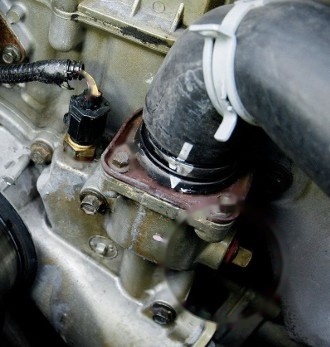
Over time, the factory-style housing can corrode at the hose neck and sealing areas. Once corrosion starts, the housing becomes harder to reseal—especially after routine service that involves removing the hose or opening the cooling system. This is why leaks commonly return even after clamps and hoses are replaced.
The Fix: Riffraff Diesel 7.3L Billet Thermostat Housing
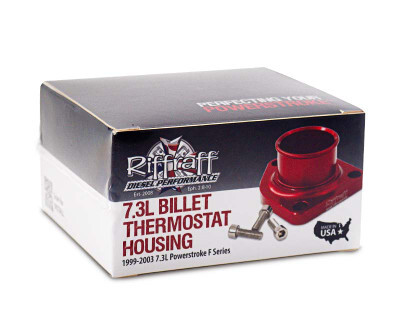
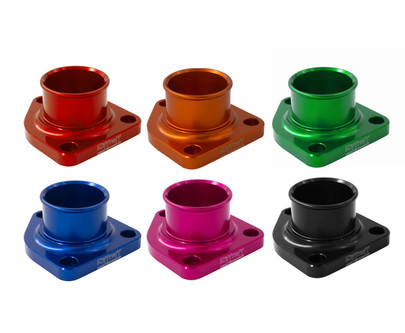
The Riffraff Diesel 7.3L Billet Thermostat Housing (part number: RDPTSTATH) is designed as a direct replacement for 1999–2003 7.3 Powerstroke applications. It replaces the corroded OEM-style housing with a billet aluminum housing intended to improve durability and reduce leak recurrence.
Key benefits
- Billet construction: more consistent sealing surfaces than corroded cast/stamped OEM housings.
- Corrosion resistance: helps prevent the common rust/corrosion issues that lead to leaks.
- Stainless hardware included: reduces the chance of future fastener-related headaches.
Installation notes that help prevent repeat leaks
- Ensure mating surfaces are clean and flat (old gasket material, corrosion scale, or burrs can cause immediate seepage).
- Tighten hardware evenly and avoid over-torquing—small bolts and aluminum don’t reward brute force.
- If a leak persists after replacement, inspect surrounding components (hose condition, clamp alignment, and sealing surfaces) before assuming the new housing is at fault.
Recommended related parts
For best results, many owners treat this as a “while you’re in there” cooling-system refresh:
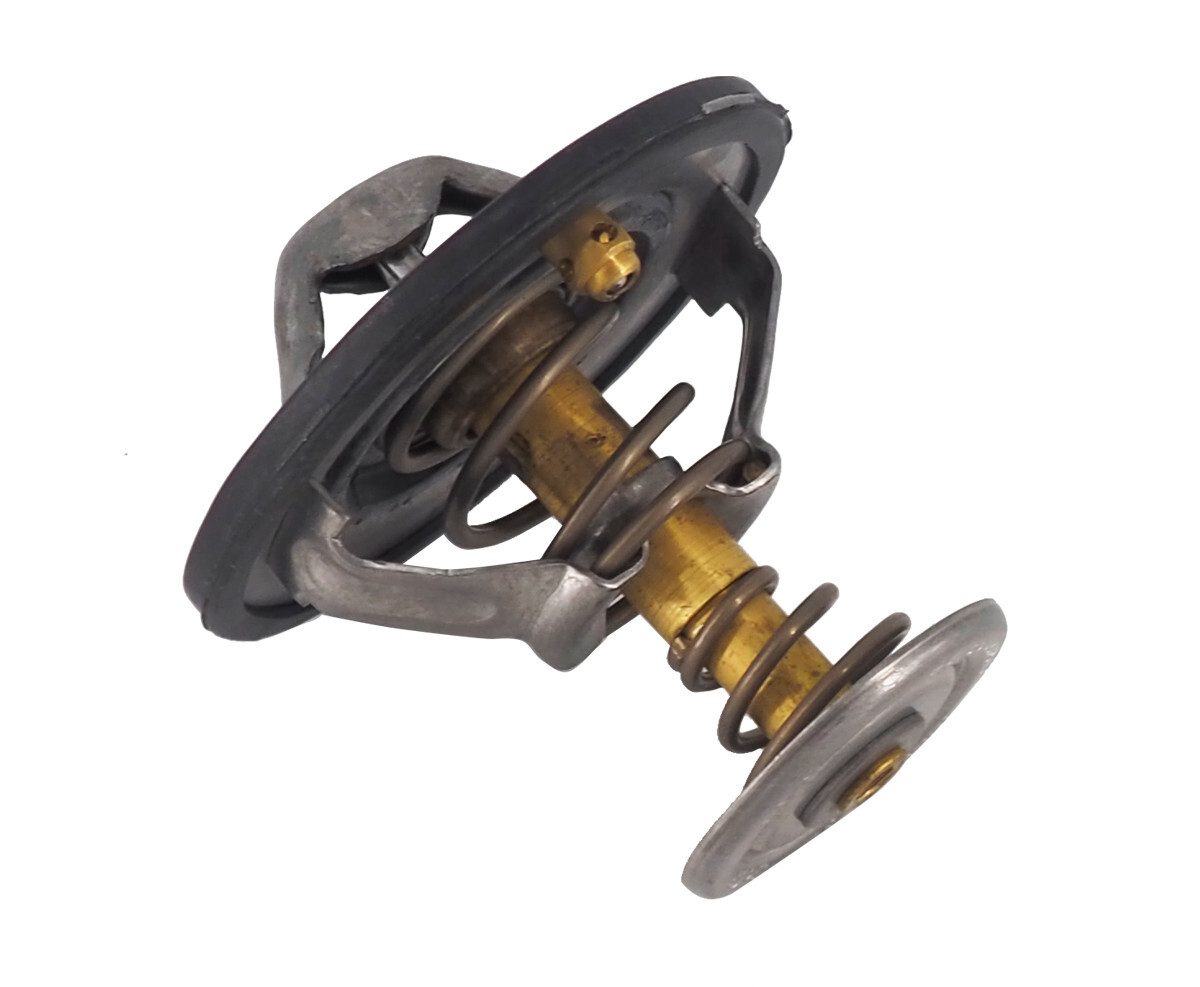
- Motorcraft thermostat assembly for 7.3 (if the existing thermostat is old or has already failed)
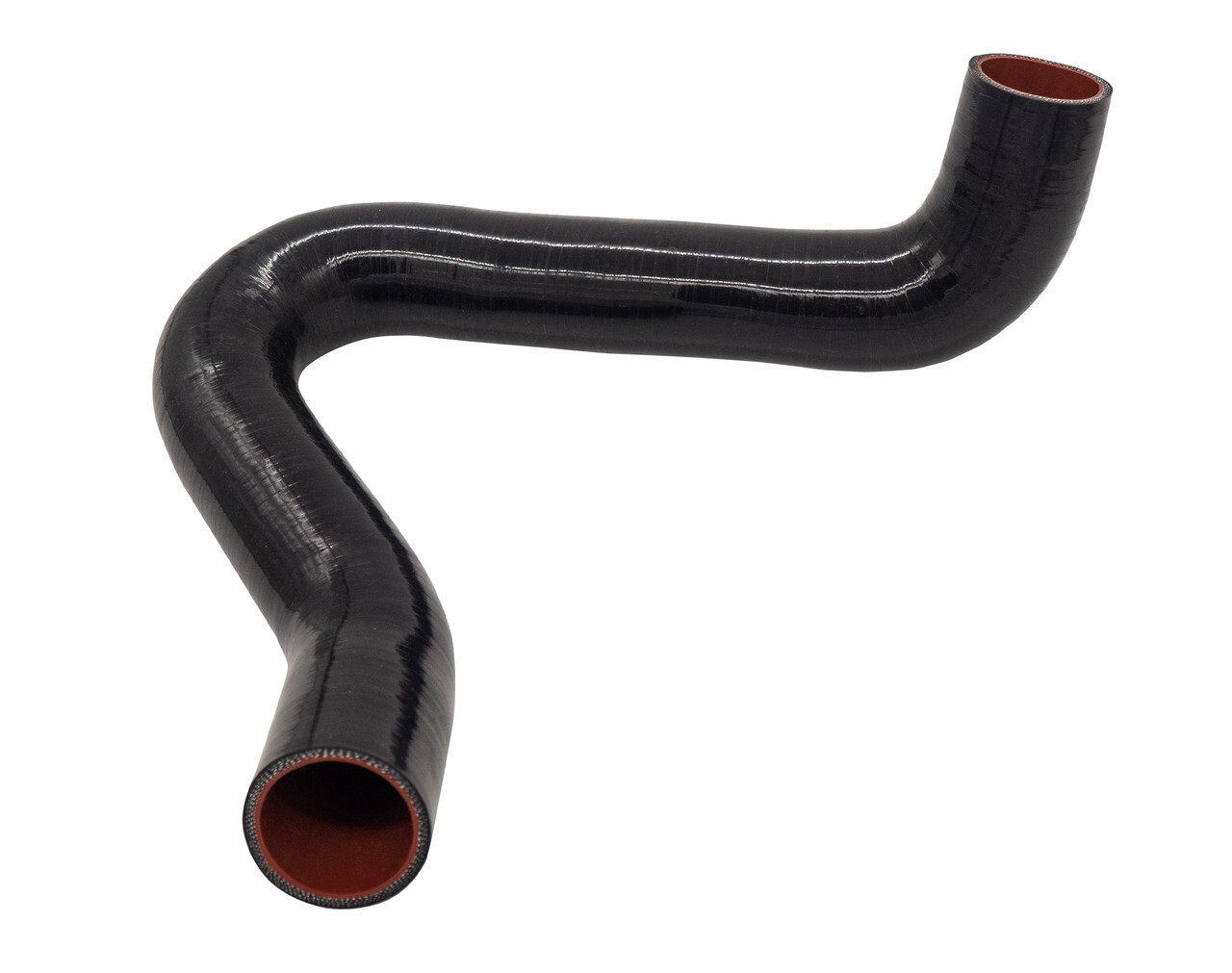
- 7.3 upper radiator hose (especially if the hose is swollen, stiff, or oil-soaked)
FAQ: 7.3 thermostat housing leak
Q: What are the symptoms of a leaking 7.3 thermostat housing?
A: Coolant smell, residue near the upper hose/housing, or slow drips usually after warm-up.
Q: Why does the OEM housing leak early?
A: Corrosion damages the sealing surfaces and hose neck, making leaks more likely and harder to fix permanently.
Q: What years does Riffraff Diesel 7.3 Billet Thermostat fit?
A: It was designed for 1999–2003 7.3 Powerstroke F-Series applications.