
7.3 Injector O-Rings vs. Injector Cups: How to Tell Which One Failed
Jul 24th 2026
A 7.3L Powerstroke can make a simple leak look like a much bigger problem. Fuel in the coolant? Oil in the fuel bowl? White smoke? Hard start? Miss? Coolant puking? Random rough running after injector work? Two common suspects are injector O-rings and injector cups. Now, they are related because they live in the same neighborhood, but they do not fail the same way. If you guess wrong, you can waste a lot of time and still have the same problem when you put it back together. Here’s how to tell the difference.
Quick and dirty explanation:
Injector O-rings usually cause oil/fuel/running issues.
Injector cups usually cause fuel/coolant contamination.
What Injector O-Rings Do
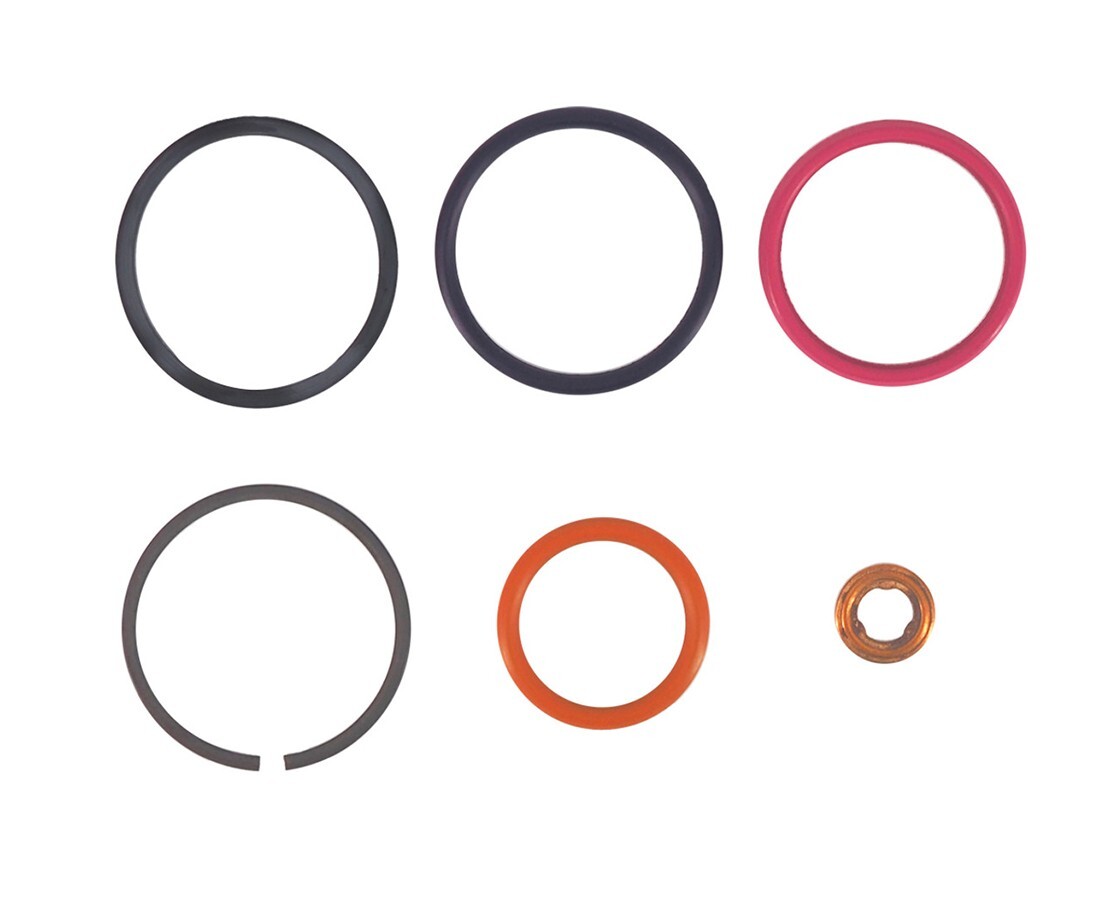
Injector O-rings seal oil and fuel around the injector body. When they fail, oil and fuel can cross paths. That can cause hard starts, rough running, smoke, oil consumption, black fuel, or fuel/oil contamination.
What Injector Cups Do
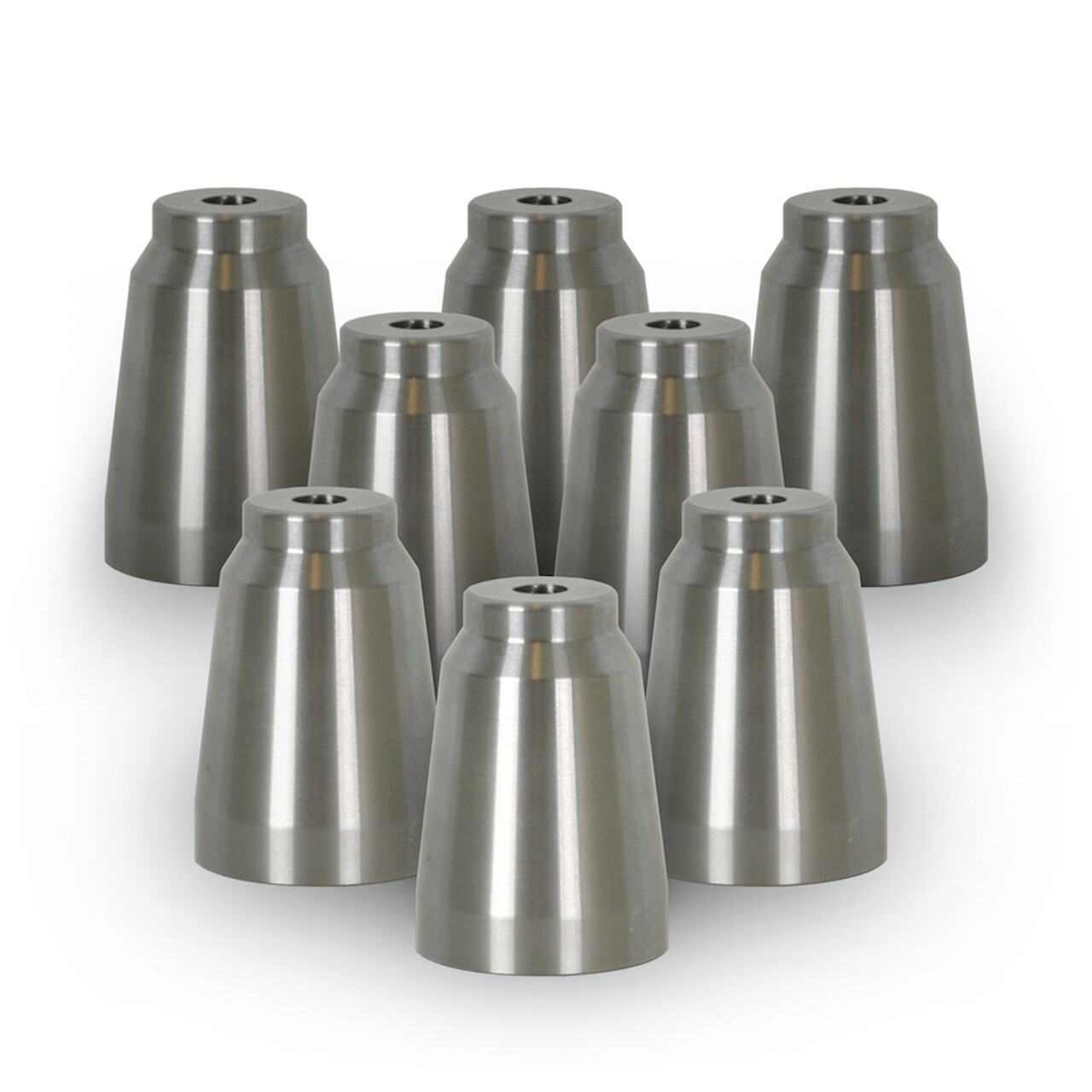
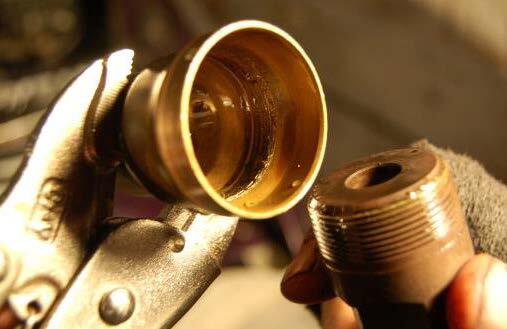
Injector cups, also called injector sleeves, sit in the cylinder head. The injector sits inside the cup, and the cup separates the injector bore from the coolant jacket. When a cup cracks or loses seal, fuel and coolant can mix.
Quick Difference Guide
More Likely Injector O-Rings
Look here if you have:
- Oil in the fuel bowl
- Black or dark fuel
- Fuel smell in the oil
- Hard start
- Long crank
- Rough idle
- Miss
- Smoke
- Oil consumption
- Symptoms after injector replacement
- External oil/fuel seepage near injector area
If the problem started after injectors were removed, start with the O-rings, copper washers, and injector seating.
More Likely Injector Cups
Look here if you have:
- Fuel in the coolant
- Diesel smell in the degas bottle
- Fuel sheen in the coolant
- Rising coolant level
- Coolant puking
- Cooling system pressure
- White smoke or steam
- Coolant loss with no external leak
- Contamination that returns after flushing
Fuel in the coolant is the big clue. If the degas bottle smells like diesel, injector cups move to the top of the list.
More On The Most Common Issues
Oil in the Fuel Bowl
Most likely: Injector O-rings.
Fuel in the filter bowl should not look black, oily, or dirty right after service. If it keeps turning dark after cleaning the bowl and replacing the filter, suspect failed injector O-rings.
Fix: Replace the injector O-rings, clean the injector bores, and inspect the cups while the injectors are out.
Fuel in the Coolant
Most likely: Injector cups.
Diesel smell in the degas bottle, fuel sheen in the coolant, or coolant contamination that keeps coming back, usually points toward a cracked or leaking injector cup.
Fix: Replace the injector cups. Flushing the cooling system will not fix a leaking cup.
Hard Start or Long Crank
Could be either — or neither. Also check ICP, IPR, glow plugs, fuel pressure, batteries, cranking RPM, CPS signal, and HPOP reservoir level before blaming either one.
O-ring clues:
- Black fuel
- Oil/fuel contamination
- Rough running
- Recent injector work
Cup clues:
- Coolant loss
- White smoke
- Diesel smell in coolant
- Coolant contamination
White Smoke
White smoke means something is not burning cleanly. Do not diagnose white smoke by itself. Check the fuel bowl, coolant, scan data, and when the smoke happens.
Cup clues:
- White smoke with coolant loss
- Sweet smell
- Fuel/coolant contamination
- Steam after warm-up
O-ring clues:
- White smoke with rough running
- Oil/fuel contamination
- Symptoms after injector service
Rough Idle or Miss After Injector Work
Most likely: Injector O-rings or installation issue.
Common causes:
- Cut O-ring
- Rolled O-ring
- Missing copper washer
- Old copper washer stuck in the cup
- Injector not fully seated
- Dirty injector bore
- Damaged cup
- Fluid left in the cylinder
Fix: Pull the suspect injector and inspect the O-rings, copper washer, bore, and cup.
Coolant Puking or Cooling-System Pressure
Could be: Injector cups, head gaskets, combustion pressure, or another cooling-system issue.
Cup clues:
- Diesel smell in coolant
- Fuel sheen
- Repeated coolant contamination
- White smoke
- Coolant loss
Head gasket clues:
- Hard upper hose after sitting
- Combustion gas in coolant
- Pressure builds fast from cold start
- Coolant pukes under load with no diesel smell
Test the system before tearing into it.
Basic Diagnostic Path
Step 1: Check the Fuel Bowl
- Black or oily fuel: Think injector O-rings.
- Clean fuel: Keep testing.
Step 2: Check the Degas Bottle
- Diesel smell or fuel in the coolant: Think injector cups.
- No fuel smell: Keep testing.
Step 3: Check for Coolant Loss
- Coolant loss plus white smoke: Cups become more likely.
- No coolant loss: O-rings, fuel, oil, ICP, glow plug, or injector issues may be more likely.
Step 4: Look at When It Started
- After injector replacement: Check O-rings, copper washers, injector seating, and cup damage.
- After overheating or coolant contamination: Check cups.
- After sitting a long time: Check O-rings, cups, fuel quality, injector condition, and corrosion.
Step 5: Pull and Inspect
If the symptoms point under the valve covers, inspect everything while you’re there:
- Injector O-rings
- Copper washers
- Injector tips (inspect, unless you’re skilled at injector rebuilding, don’t disassemble)
- Injector bores
- Cup sealing surfaces
- Cup cracks
- Coolant/fuel residue
- Debris in the bore
- Old copper washers
Fixing the problem parts:
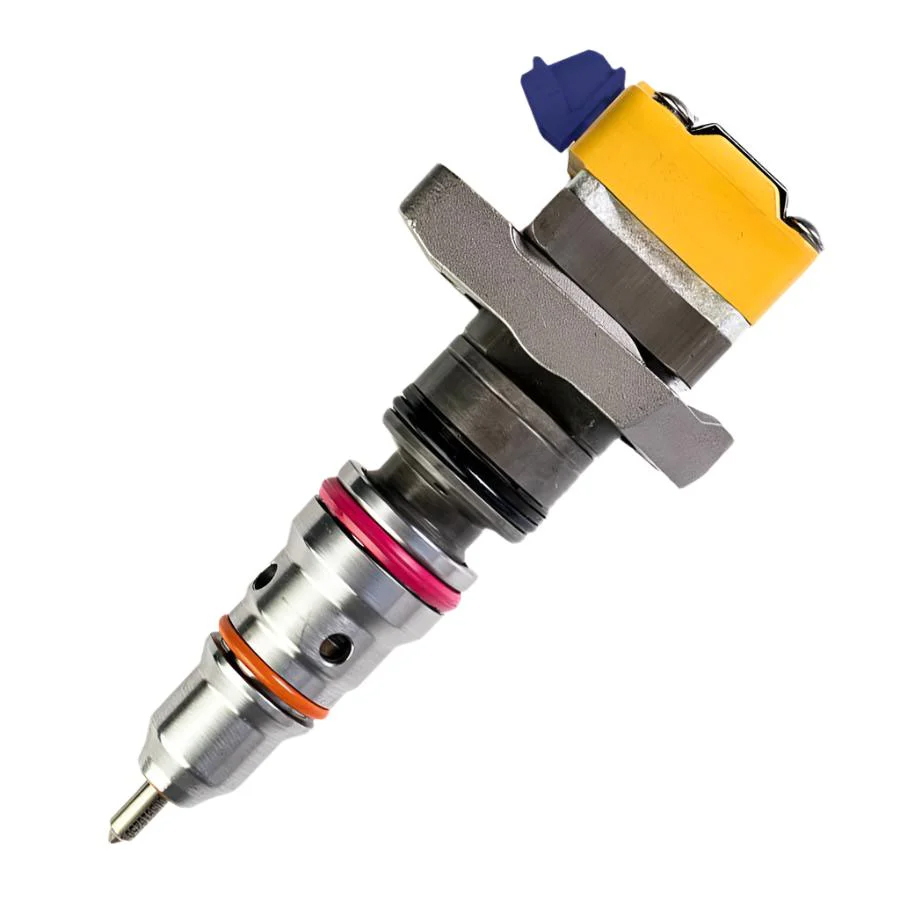
Injector O-Rings: Replace the injector O-rings with quality O-rings.
While the injectors are out:
- Clean the bores
- Remove old copper washers
- Inspect the cups
- Lube O-rings before install
- Seat injectors correctly
- Remove glow plugs before cranking after injector work
- Clear oil or fuel from the cylinders before startup
Injector Cups: Replace the injector cups with the correct tools.
Do it cleanly:
- Drain coolant below head level
- Pull injectors carefully
- Keep debris out of the cylinders
- Clean the cup bores
- Inspect for corrosion or pitting
- Use the correct sealant
- Install cups squarely
- Allow proper cure time
- Install new injector O-rings
- Flush contaminated coolant
Note: If the bore is damaged or badly pitted, the head may need more than cups.
Common Questions
Q: Should You Replace O-Rings When Doing Cups?
A: Yes. If the injectors are out for cup replacement, install new injector O-rings. It’s cheap insurance.
Q: Should You Replace Cups When Doing O-Rings?
A: Not automatically. If the cups are clean, tight, undamaged, and there are no fuel-in-coolant symptoms, inspect them and move on. Replace cups if you find cracks, pitting, damaged sealing surfaces, coolant contamination, or signs of leakage.
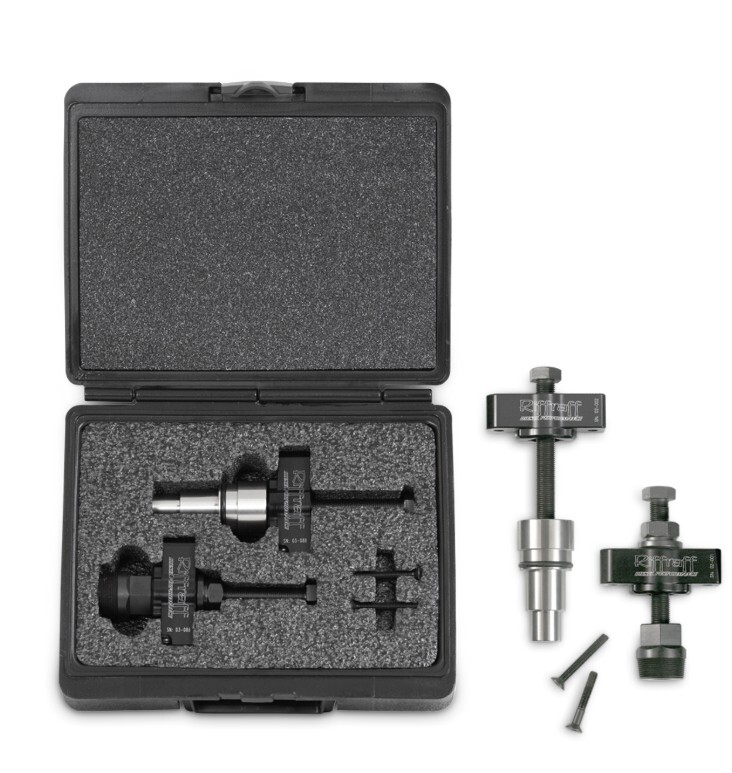
Common Riffraff Diesel Parts and Tools for This Job
Depending on diagnosis, common parts include:
- Alliant 7.3L Injector O-Rings
- Riffraff Diesel Billet Stainless Steel Injector Cup Set
- Riffraff Diesel 7.3L Injector Cup/Sleeve Tool Set
- Riffraff Diesel 7.3L Injector Cup/Sleeve Tool Rental
- Injector Cup Bore Brush
- Injector Cup Retaining Compound
Final Thoughts
Injector O-rings and injector cups both live around the 7.3 injectors, but they fail differently.
Black fuel in the bowl? Think injector O-rings.
Diesel smell in the coolant? Think injector cups.
Hard start, smoke, or rough running? Gather more clues before guessing.
Disclaimer: The information provided on this blog is for informational purposes only. We share our knowledge and experience, but we are not liable for any damages, injuries, or losses that may occur as a result of using this information. Situations are rarely cut and dry in the automotive world. Your situation will likely be somewhat different than what we describe here. Use your best judgment and always consult a qualified professional for automotive repairs and modifications. Your safety is your responsibility.