6.0L Powerstroke Lifter and Camshaft Damage: Symptoms, Diagnosis, and Repair
Sep 25th 2026
Lifter failure is one of the 6.0L Powerstroke problems we'd rather catch early, before it completely destroys the engine.
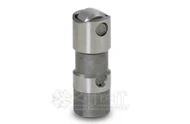
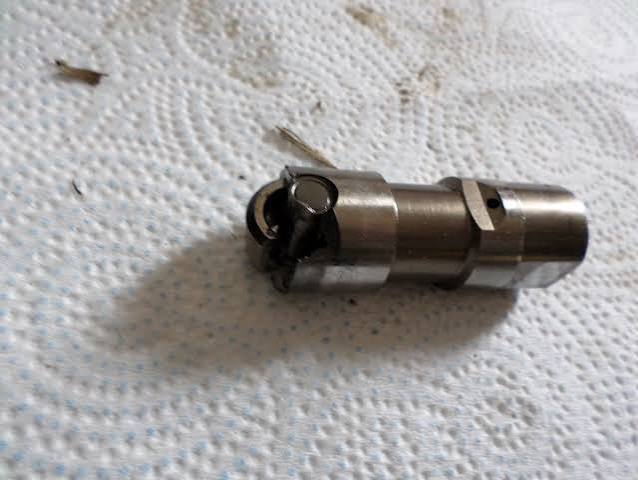
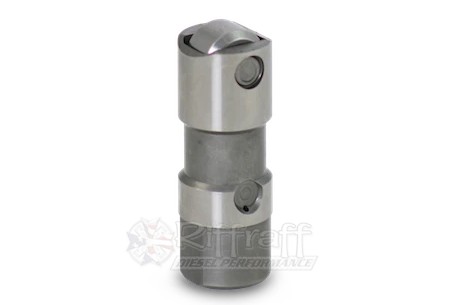
The 6.0 uses hydraulic roller lifters between the camshaft and pushrods. Normally, the roller spins smoothly across the cam lobe. Once the roller bearing starts failing, the roller can get rough, develop play, collapse, and/or eventually stop turning. At that point it starts grinding across the cam instead of rolling. Camshaft damage and oil contamination comes next. For any engine thats bad, but for one that uses oil for injector operation, it's even worse. More often than not, when this happens, the engine is coming out.
Common Symptoms
Lifter or cam damage can cause:
- Ticking or clacking from the engine
- Rhythmic chirping or squeaking
- Popping through the intake
- Rough idle
- Constant miss on one cylinder
- Low power
- Cylinder contribution code
- Low compression on the affected cylinder
- Bent pushrod or damaged rocker
- Metal in the oil filter
Note: There is no specific "bad lifter" trouble code. Most trucks initially look like they have an injector problem.
Why 6.0L Lifters Fail
Oil Quality and Maintenance
The lifter roller and cam lobe depend heavily on a good supply of clean engine oil. Extended oil-change intervals, contaminated oil, incorrect filters, excessive oil temperature, or poor-quality oil can all reduce the protection available to the valvetrain. The 6.0 is especially hard on its oil because the same engine oil also operates the HEUI injection system. This is one reason we're pretty serious about proper oil changes and using the correct filter on a 6.0.
Roller Bearing Failure
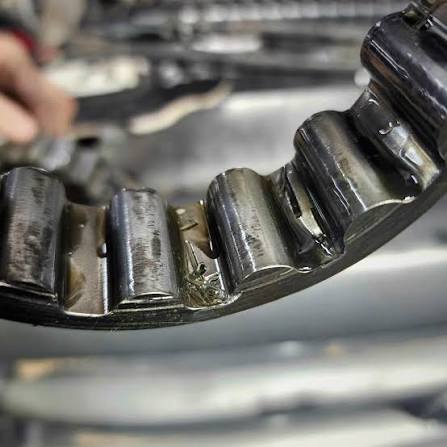
Inside each roller lifter are small needle bearings. If those bearings fail in any way, the roller can develop play or stop rotating. Once it starts sliding across the cam lobe, the hardened surface of the lobe gets damaged very quickly.
Failed 6.0 lifters commonly release needle-bearing debris into the lubrication system, damaging the low-pressure oil pump and front cover in the process. That's why we'd never ignore metal in the filter on one of these.
Valvetrain Problems
A bent pushrod, broken rocker, valve problem, or incorrectly seated pushrod after engine work can also put abnormal loads into the valvetrain. If you find a bent pushrod, don't just install another one and send it. Figure out why it bent.
Diagnostic Tips
Cylinder Contribution Codes
This is one of the big warning signs for lifter failure. A damaged cam or lifter can reduce valve lift enough that one cylinder stops contributing normally. Now, these codes do not mean "bad injector." They only tell you which cylinder isn't producing the expected amount of power. Additional testing is required to determine whether the problem is fuel, electrical, or mechanical.
You may see:
- P0263: Cylinder 1 contribution/balance
- P0266: Cylinder 2
- P0269: Cylinder 3
- P0272: Cylinder 4
- P0275: Cylinder 5
- P0278: Cylinder 6
- P0281: Cylinder 7
- P0284: Cylinder 8
The Injector Trap
This is probably the biggest diagnostic mistake. A truck develops a contribution code and rough idle, so an injector gets installed. And nothing changes.
Before throwing another injector at it, run a power balance test and relative compression test. If the same cylinder stays weak even though the injector electrically checks out, start thinking mechanical.
Check Relative Compression
Done with a scan tool, Ford's relative compression test compares crankshaft speed during each cylinder's compression stroke. A weak cylinder will show up differently from the others. But relative compression is a screening test, not the final answer. An actual compression test should be done next, on the suspect cylinder and a known-good cylinder.
Pull the Valve Cover
Once you've isolated the weak cylinder, watch the valvetrain. Compare rocker movement on the suspect cylinder with the cylinders next to it.
Look for:
- Reduced valve movement
- Loose rocker
- Bent pushrod
- Broken rocker
- Damaged valve bridge
- Excessive valvetrain clearance
A wiped cam lobe or collapsed lifter means the valve simply isn't opening as far as it should. This can also create the telltale popping through the intake that sometimes gets mistaken for an intake, turbo, or injector problem. Ford diesel technicians have documented failed lifters and cam lobes causing exactly this type of cylinder-specific mechanical problem.
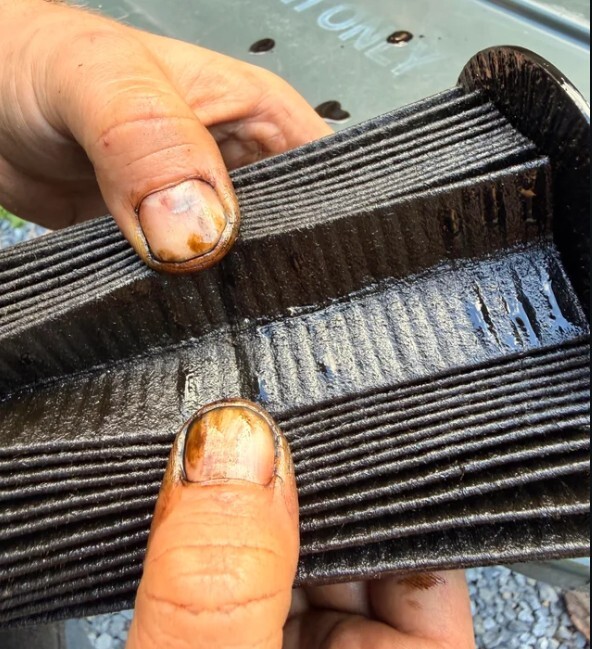
Inspect the Oil Filter
If we seriously suspect lifter damage, we're checking the oil filter.
Look for:
- Fine metallic glitter
- Small steel fragments
- Needle-bearing debris is a major red flag.
Don't Replace Just the Lifter Without Inspecting the Cam
Once a roller starts failing, inspect the cam lobe carefully. A new lifter running on a damaged cam isn't much of a repair.
Look for:
- Grooves
- Pitting
- Flattened areas
- Scuffing
- Discoloration
- Loss of the hardened surface
How Big Is the Repair?
Unfortunately, it's a big one. The lifters sit down in the block, so cylinder-head removal is required to access them. The 6.0 also uses a rear geartrain, making camshaft replacement a substantial teardown that commonly involves removing the engine. Plus, contamination is a real issue. Just replacing the lifters and cam will potentially leave metal in galleries that will later cause other issues (assuming the lifter came apart).
Once you're that far in, inspect:
- All lifters
- Every cam lobe
- Pushrods
- Rockers
- Valve bridges
- Low-pressure oil pump
- Front cover
- Oil filter and housing
- Bearings and oil system for metal contamination
Can You Prevent It?
Nothing makes a 20-year-old roller bearing immortal, but good oil maintenance gives it the best chance.
We recommend:
- Correct diesel-rated engine oil
- Frequent oil changes
- Quality OEM-style oil filter
- Correct oil filter cap
- Fix overheating and oil-temperature problems
- Investigate metal in the filter immediately
- Don't ignore a new valvetrain tick or chirp
The 6.0 oil filter design also matters. An incorrect filter or cap can prevent the filter housing from operating correctly and compromise filtration.
The Bottom Line
A constant miss on a 6.0L isn't always an injector. If the same cylinder keeps failing a contribution test, check relative compression and start looking at the valvetrain.
And if you hear a new rhythmic tick or chirp, find metal in the filter, or discover a bent pushrod, don't keep driving it, hoping it'll sort itself out.
A bad lifter is expensive. A bad lifter that wipes out the cam, low-pressure oil pump, and the rest of the lubrication system is a whole lot more expensive.
Related Parts:
Intake/Exhaust Valve Lifter - https://www.riffraffdiesel.com/intake-exhaust-valve-lifter/
Mahle Engine Gasket Kit w/o Headgasket 2003-2007 6.0L – https://www.riffraffdiesel.com/engine-gasket-kit-w-o-headgasket-2003-2007-6-0l/
Head Gasket Only - 18mm 6.0L 03-05 – https://www.riffraffdiesel.com/head-gasket-only-18mm-6-0l-03-05/
Head Gasket Only - 20mm 6.0L 06-07 – https://www.riffraffdiesel.com/head-gasket-only-20mm-6-0l-06-07/
Low Pressure Oil Pump LPOP 03-07 6.0L – https://www.riffraffdiesel.com/low-pressure-oil-pump-lpop-03-07-6-0l/
Disclaimer: The information provided on this blog is for informational purposes only. We share our knowledge and experience, but we are not liable for any damages, injuries, or losses that may occur as a result of using this information. Situations are rarely cut and dry in the automotive world. Your situation will likely be somewhat different than what we describe here. Use your best judgment and always consult a qualified professional for automotive repairs and modifications. Your safety is your responsibility.