
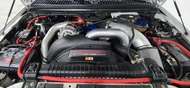
6.0L Powerstroke IPR Problems: Symptoms, Codes, and Diagnosis
Sep 11th 2026
The IPR is one of the main players in the 6.0L Powerstroke high-pressure oil system, and even though they're very commonly replaced, they're actually very robust parts. Proper diag is often skipped when replacing IPRs. Contamination is a common killer, but where that contamination came from shoul dbe high on the diag list.
Note: Proper diagnostic ability and tools are very important with the 6.0L IPR. Don’t attempt anything you’re not comfortable with here. You can cause bigger issues if some of these processes aren’t done correctly.
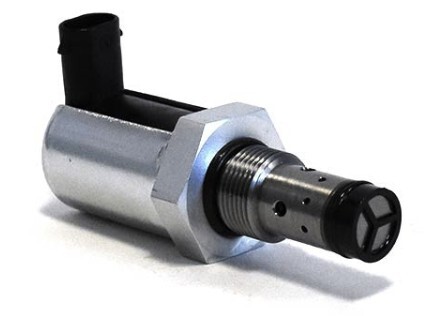
What's an IPR?
IPR stands for Injection Pressure Regulator. The HPOP supplies high-pressure oil, the IPR controls how much of that pressure is allowed to bleed off back to the pan, and the ICP sensor tells the PCM what pressure actually exists.
As IPR duty cycle increases, the valve restricts the drain path and ICP rises. With the IPR disconnected, the valve defaults open and the engine normally cannot build enough pressure to start.
Common IPR Symptoms
A failing, sticking, or contaminated IPR can cause:
- Long crank
- Hot no-start
- Crank/no-start
- Rough or unstable idle
- Surging
- Stalling
- Low power
- Low or unstable ICP
- P2623
- P2290 or P2291
Note: An internal high-pressure oil leak can produce almost the exact same symptoms. Don't diagnose an IPR from symptoms alone.
Understanding IPR Duty Cycle
This is probably the most useful part of diagnosing.
The IPR operates from roughly 15% to 85% duty cycle. .
- Around 15% is essentially the open, pressure-bleed position.
- Increasing duty cycle closes the drain path and raises ICP.
- Around 85% is the upper end of PCM command.
A warm, healthy engine will typically have IPR somewhere in the mid-20% range at idle, with roughly 600 to 800 PSI ICP.
Don't Panic When You See 85% While Cranking
This is important. Seeing the IPR jump toward 80 to 85% during cranking can be normal. The PCM may command roughly 80 to 84% within a few seconds while trying to build starting pressure. What matters is what ICP does next.
- If IPR reaches 85% and ICP builds quickly, that's normal starting strategy.
- If IPR reaches 85% and ICP stays low, you have a high-pressure oil system problem to find.
The 500 PSI Number
The 6.0L needs approximately 500 PSI ICP before the injectors are even enabled. So if you're cranking at 200 or 300 PSI, it's not going to start, period.
Possible causes of low ICP include:
- IPR not sealing
- Weak or damaged HPOP
- Internal high-pressure oil leak
- ICP sensor giving a false reading (bad ICP)
- Low base oil supply
But, don't replace the IPR just because ICP is low.
IPR Screen Problems
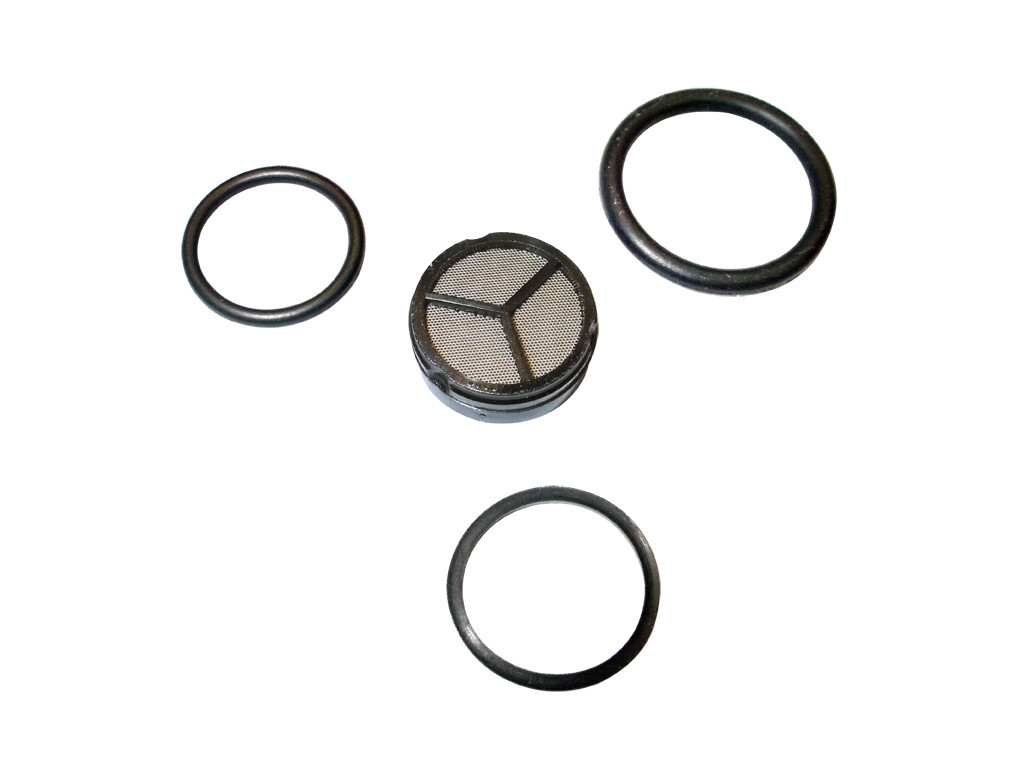
The screen on the end of the IPR is the first thing we'd inspect once the valve is removed.
Look for:
- Torn screen
- Collapsed screen
- Debris
- Damaged seals
- Pieces of gasket or seal material (Debris can prevent the IPR from sealing or moving correctly)
Contamination is so common, Ford even mentions it in their diag trees, TSBs, etc. They specifically mention green oil cooler cover seal material. If the screen is full of junk, don't just install another IPR. Find out where the junk came from first. That info could uncover your real issue.
IPR Seal Failure
The IPR uses several seals to contain high-pressure oil. A bad seal can allow pressure to escape and cause:
- Long crank
- Hot no-start
- Low ICP
- High IPR command
A failed seal can be especially noticeable hot because thinner hot oil escapes through a marginal leak more easily. Problems that start when hot, are often because of this.
The screen and external IPR seals are serviceable if the valve itself is still in good condition.
Sticking IPR
Debris or wear inside the valve can keep it from responding correctly.
If it hangs open, ICP may not build. If it moves slowly or inconsistently, you may see:
- Surging
- Unstable idle
- ICP that won't follow desired ICP
- Intermittent starting problems
A sticking valve can sometimes be confused with a high-pressure oil leak, which is why actual ICP, desired ICP, and IPR duty cycle need to be watched together.
P2623: The IPR Code
P2623 (Injector Control Pressure Regulator Circuit/Open) points most directly toward the IPR circuit. An open IPR circuit results in minimal oil pressure and can cause a no-start.
Possible causes include:
- Open IPR circuit
- Circuit shorted to ground
- Failed IPR solenoid
- Stuck IPR
- Loose electrical connection
If you have P2623, we'd check the connector and wiring before replacing the valve.
P2290 and P2291
P2290: ICP Too Low. The PCM isn't getting the injection pressure it expects. The IPR may be responsible, but so can a high-pressure oil leak or weak HPOP.
P2291: ICP Too Low During Cranking. This is common on a crank/no-start.
Don't confuse P2291's code-setting criteria with the 500 PSI injector-enable number. Ford's early 6.0 diagnostic information lists P2291 when cranking ICP remains below approximately 725 PSI, while the engine requires roughly 500 PSI minimum for injector enable.
Either way, the code tells you to diagnose the high-pressure oil system. It does not tell you to replace the IPR.
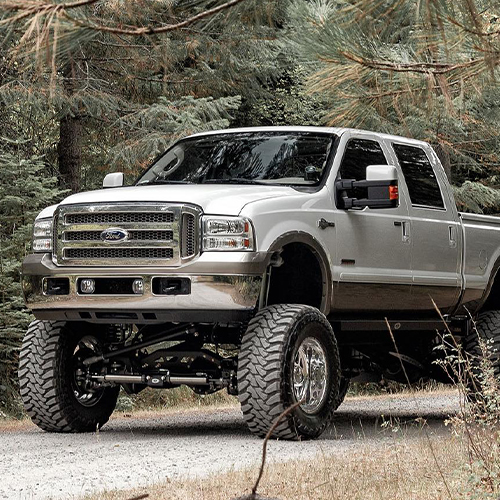
Know Which 6.0 You're Working On
The high-pressure oil system changed during 6.0L production. Problems common to one aren't necessarily applicable to the rest.
2003 to Early 2004 - These engines use the early-style HPOP and high-pressure oil system. A weak early HPOP itself is commonly responsible for low ICP.
Late 2004 - The later oil-rail design introduced standpipes and dummy plugs that can become high-pressure leak points.
2005 to 2007 - These engines add another very common failure point, the STC fitting at the HPOP outlet. A leaking STC fitting can cause a long hot restart and eventually a complete no-start.
Fastest Diagnostic Process
Watch these four PIDs while cranking:
- ICP actual
- ICP desired
- ICP voltage
- IPR duty cycle
ICP Builds Above 500 PSI:
The system has reached the basic pressure needed for injector firing.
If it still doesn't start, move on to FICM power, SYNC, FICM SYNC, cranking RPM, fuel pressure, and the rest of the starting requirements.
IPR Goes to 80 to 85% and ICP Stays Low
The PCM is trying to build pressure and can't. Possible causes are the IPR, pump, or an internal oil leak. This is where we'd move to a high-pressure oil system air test.
IPR Stays Around 15% While Cranking
That's not normal if the engine has a valid crank signal.
Check the IPR connector, wiring, solenoid, and related codes. An unplugged IPR defaults to its open position and won't allow normal pressure buildup.
IPR Is High at Hot Idle
If IPR duty cycle keeps climbing as the engine warms while ICP struggles to stay where the PCM wants it, suspect a high-pressure oil leak.
Air Test It
If ICP stays low with high IPR command, air-testing the high-pressure oil system is one of the fastest ways to separate an IPR problem from an internal leak.
Note: This is a higher skill test. Do not attempt if you do not feel comfortable doing so.
- Use the proper high-pressure oil system test equipment and command the IPR closed with a capable scan tool or appropriate service tool.
- Listen for air around the oil rails, injector seals, standpipes, dummy plugs, HPOP connections, and other applicable leak points.
The Bottom Line
The biggest mistake with 6.0L IPR diagnosis is seeing 85% IPR and immediately replacing the IPR. That number only tells you the PCM is asking for a lot of pressure.
Watch what ICP does.
If IPR climbs toward 85% and ICP still won't build, air-test the high-pressure oil system and find out where the pressure is going. If the IPR screen is damaged, the valve sticks, the seals are compromised, or you have P2623 with a confirmed good circuit, then the IPR becomes a much stronger suspect.
Parts Links:
Motorcraft IPR Injection Pressure Regulator 03-07 6.0L, PU7Z-9C968-A.
IPR Pigtail Repair Kit, AP0068
IPR Seal Kit 03-07, 3CZ-9H529-A
Disclaimer: The information provided on this blog is for informational purposes only. We share our knowledge and experience, but we are not liable for any damages, injuries, or losses that may occur as a result of using this information. Situations are rarely cut and dry in the automotive world. Your situation will likely be somewhat different than what we describe here. Use your best judgment and always consult a qualified professional for automotive repairs and modifications. Your safety is your responsibility.