5R110 TorqShift, Common Problems: Symptoms, Causes, and Diagnostic Tips
Aug 7th 2026
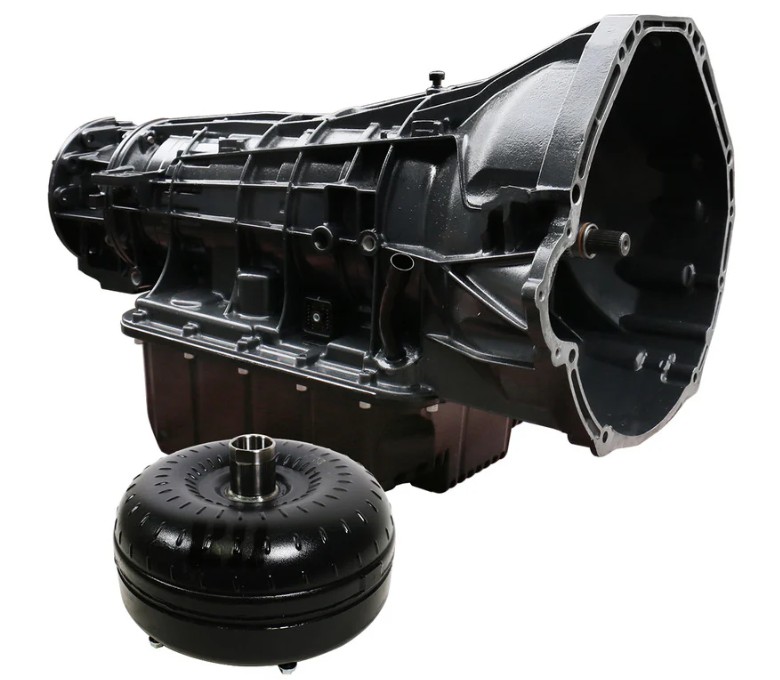
The 5R110 TorqShift used behind the 6.0L and 6.4L Power Stroke is a strong transmission, but just like anything else, it's not bullet proof and will need repair from time to time. Fluid, electrical, hydraulic, and internal failures can produce similar symptoms so it's important to diagnose correctly before throwing a bunch of money at it. Here we'll do a quick and dirty breakdown of the common issues, symptoms and some causes. Proper diagnostic skill is very necessary when working on transmissions. They are tricky machines, this should help to get you pointed in the right direction.
Harsh or Erratic Shifts
Common Symptoms:
- Hard engagement into Drive or Reverse
- Abrupt upshifts or downshifts
- Shifts that change as the transmission warms
- Inconsistent shift quality
Common Causes
Keep in mind that the 5R110 uses adaptive learning to adjust clutch timing and pressure. Firm shifts may temporarily appear after battery disconnection, tuning changes, transmission repairs, or cleared adaptive memory. It's not always a failed part, the transmission may just need some time to learn.
Persistent harsh shifting can be also caused by:
- Incorrect fluid level
- Sticking solenoids
- Valve-body wear
- Restricted filters
- Incorrect tuning
- Electronic pressure-control faults
More Diagnostic Tips
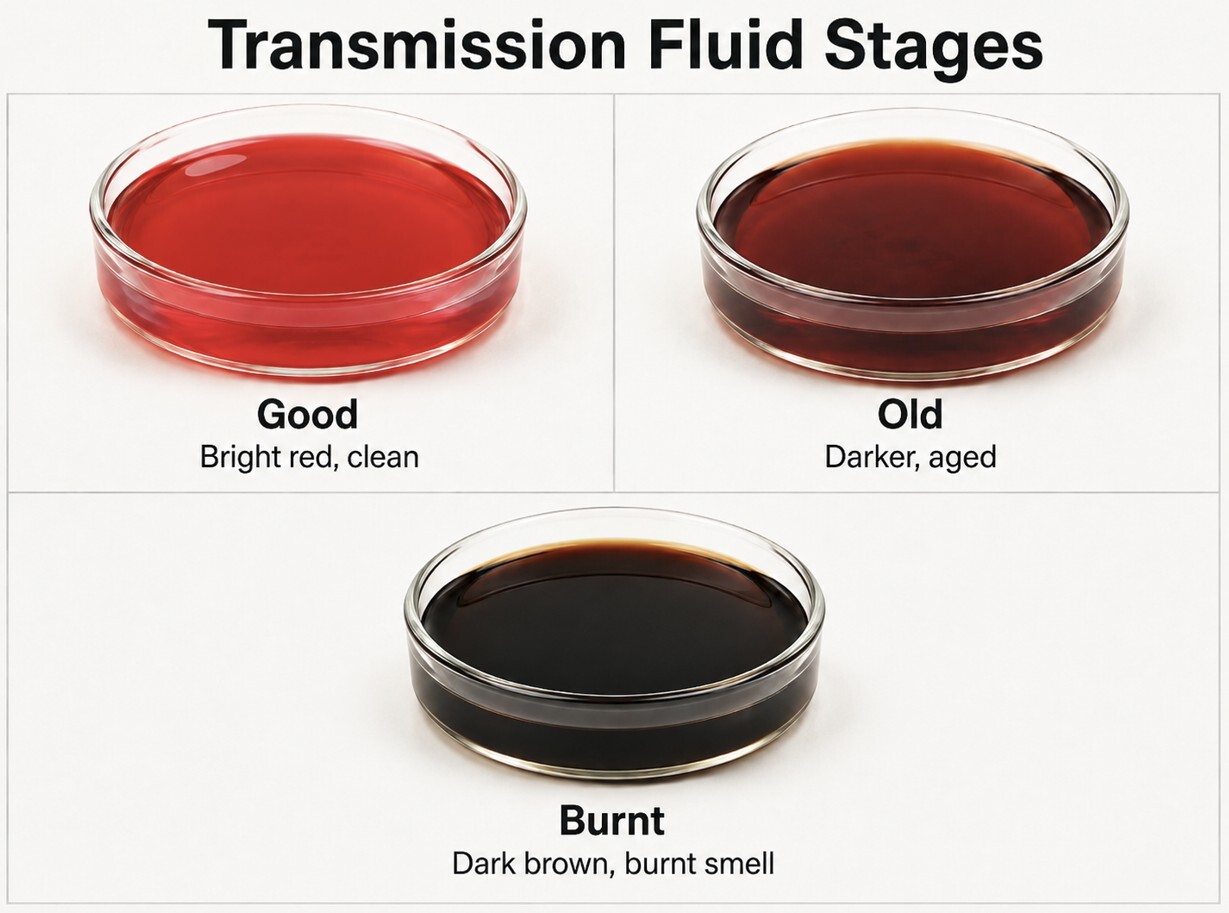
First check battery voltage, transmission codes, fluid level, fluid condition, and the transmission connector. Low voltage, low fluid, burnt or contaminated fluid, and faulty wiring are common issues. And all will affect transmission performance.
Allow the transmission to complete a normal relearn when adaptive memory was recently cleared.
If the problem remains, next best bet is to test the solenoid circuits and line pressure with a quality scan tool.
Shift Flare or Slipping
A flare occurs when engine speed rises between shifts before the next gear applies. Repeated flares or slips can cause permanent clutch damage (assuming the damage isn't actually the cause of the slip/flare already), so it should not be ignored.
Common Causes
- Low hydraulic pressure
- Sticking or slow to respond solenoids
- Valve-body leakage
- Worn clutch material
- Internal seal leakage
- Excessive torque from aggressive tuning
Codes P2700 through P2704 identify the clutch circuit applying too slowly:
- P2700: Coast clutch
- P2701: Overdrive clutch
- P2702: Intermediate clutch
- P2703: Direct clutch
- P2704: Low/reverse clutch
These codes identify the affected circuit, not necessarily the failed part.
More Diagnostic Tips
Avoid towing or hard acceleration until the cause is found. As stated earlier, clutch damage is possible here and the only way to fix a damaged clutch, is with a rebuild.
Monitor commanded gear, turbine speed, intermediate speed, and output speed during the problem shift. Drop the pan when slipping continues, if the fluid smells burnt, or ratio codes return.
Heavy clutch material or metal almost always indicates internal damage. However, new transmissions will have a break in period that can contaminate fluid, and this can be normal. Contact your transmission builder if this is the case.
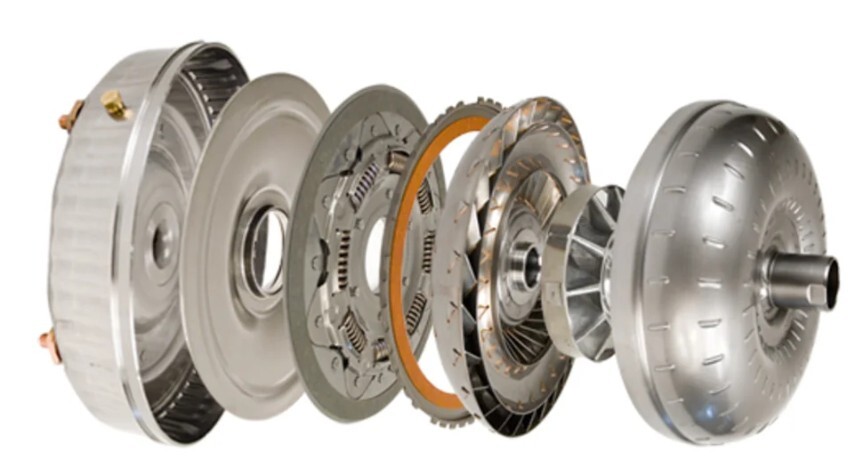
Torque-Converter Shudder or Slip
Converter shudder usually feels like surging power, or driving over rumble strips, during light throttle when the converter clutch begins locking.
Common Causes
- Worn converter clutch lining
- TCC solenoid problems
- Valve-body wear
- Contaminated fluid
- Unstable apply pressure
- Engine misfire mistaken for converter shudder
More Diagnostic Tips
Monitor converter command and slip during a steady-speed road test.
When fully locked, engine and turbine speed should remain close. Excessive slip during commanded lockup points toward the converter or its hydraulic control circuit.
Confirm the engine is running correctly before replacing the converter.
Delayed Drive or Reverse
A delay followed by a hard engagement usually means pressure is building too slowly.
Common Causes
- Low fluid
- Restricted filter
- Weak pump pressure
- Valve-body leakage
- Sticking solenoid
- Internal seal leakage
More Diagnostic Tips
Check the fluid at normal operating temperature (generally between 150 and 200 degrees F) with the engine idling in Park. Inspect both the internal filter and the external frame-mounted filter used on earlier trucks.
If the fluid level and filters are correct, test line pressure and inspect the valve body.
Missing Gears or Limp Mode
The PCM may disable certain gears when it detects a clutch, solenoid, or speed-sensor fault.
Possible causes include:
- Clutch-performance failure
- Loss of solenoid power
- Damaged wiring
- Failed speed sensor
- Internal clutch damage
More Diagnostic Tips
Record the codes and freeze-frame data before clearing them. The stored information may show which shift and operating condition triggered the fault.
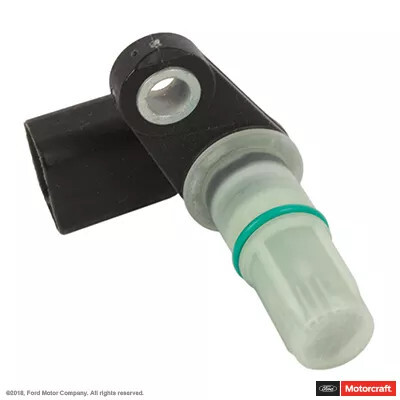
Speed-Sensor Problems
The 5R110 uses turbine, intermediate, and output shaft speeds to confirm that the commanded gear has been applied correctly. A failed sensor or damaged circuit can cause erratic shifts, incorrect-ratio codes, missing gears, or limp mode.
Common codes include:
- P0715: Turbine shaft speed sensor
- P0791: Intermediate shaft speed sensor
- P0720: Output shaft speed sensor
More Diagnostic Tips
Watch all three speed readings during a road test. A signal that drops to zero or changes unrealistically usually points toward a sensor or wiring problem.
Strange Shifting in Extreme Cold
Below roughly 0°F transmission-fluid temperature, the 5R110 may enter Cold Mode and limit the available ratios until the fluid warms. Long story short, things get odd when it's cold. The fluid is just too thick to flow as intended. This is normal. If normal operation does not return after warming up, check the transmission-fluid-temperature sensor and related codes, and go from there. Most common is a failed sensor or circuit, or fluid flow issues.
- P0711 - Transmission Fluid Temperature (TFT) Sensor 'A' Circuit Range/Performance fault
- P0712 - Transmission Fluid Temperature (TFT) Sensor Circuit Low input
- P0713 - Transmission Fluid Temperature (TFT) Sensor Circuit High input
General Fastest Diagnostic Order
- Record codes and freeze-frame data during the problem event and beyond.
- Check battery and charging voltage.
- Verify fluid level, condition, and correct type.
- Inspect the connector and external wiring.
- Road-test while monitoring gear command, shaft speeds, temperature, and converter slip.
- Test line pressure when engagement is delayed or multiple shifts slip.
- Inspect the pan for clutch material or metal.
The Bottom Line
Harsh shifting does not automatically mean the 5R110 needs a rebuild. The cause may be adaptive relearning, fluid level, wiring, a sensor, solenoid, or valve-body wear.
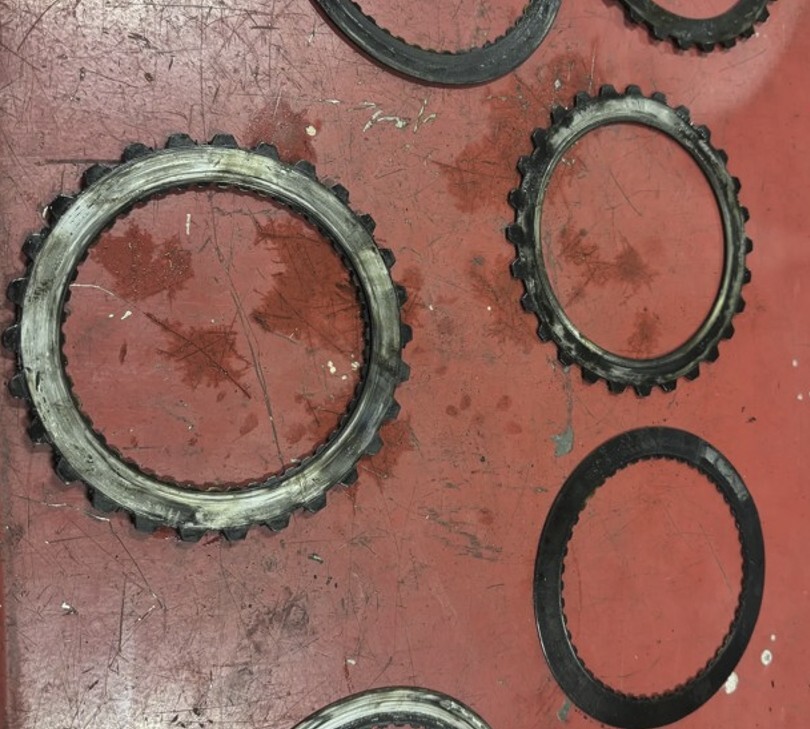
Repeated slipping, burnt fluid, converter slip, or debris in the pan points toward a more serious hydraulic or internal failure.
High performance engines (aggressive tunes for example) will speed up transmission wear. If the truck tows heavy or has a healthy tune, be prepared for a transmission upgrade and/or full rebuild.
Disclaimer: The information provided on this blog is for informational purposes only. We share our knowledge and experience, but we are not liable for any damages, injuries, or losses that may occur as a result of using this information. Situations are rarely cut and dry in the automotive world. Your situation will likely be somewhat different than what we describe here. Use your best judgment and always consult a qualified professional for automotive repairs and modifications. Your safety is your responsibility.