
Fuel Pickups: Which one is right for you?
Nov 13th 2025
Fuel pickup options are everywhere—sumps, draw straws, high-volume pickups, or simply modifying the factory setup. Each solves a specific problem and improves fuel delivery in its own way. But what actually separates them, and which setup do you really need? Most of this applies to any diesel, but we’ll highlight 7.3-specific points along the way. It's important to note that all of these systems require an external filter be added betweeen the pickup and the pump. Let's dive in.
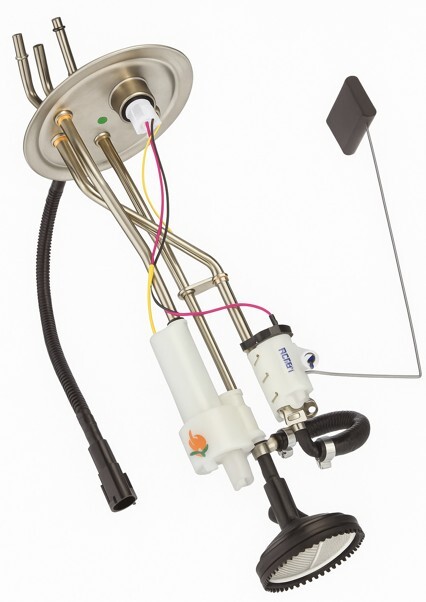
OEM Setup
On the 7.3 (and most diesels), the factory system works well until something breaks or your performance injectors outgrow it. For 1994–2004 Powerstrokes, the stock in-tank sending unit is the weak link. Even when functioning perfectly, return fuel aeration and internal restrictions hold the system back. Because the supply and return sit right next to each other, the pump constantly draws in aerated return fuel. The stock pickup often breaks, leading to supply issues. The intake filter clogs easily, also leading to supply issues. And the system is physically restricted in flow due to its size.
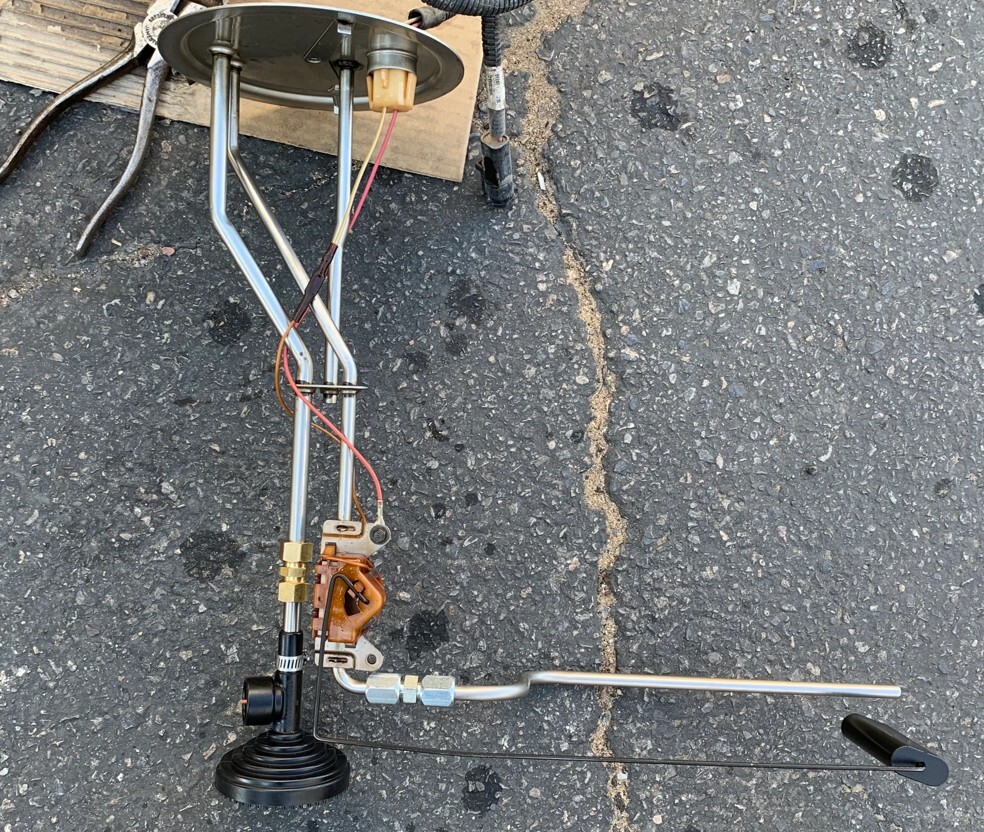
The common fix is often referred to as the "Hutch and Harpoon Mod", which replaces the restrictive factory pickup tubes with hard lines and adds an external filter. It’s cheap, reliable, and usually supports trucks up to roughly 400 hp when the rest of the system is healthy. More on the Banjo Mod HERE.
The Hutch and Harpooon Mod when done (image credit powerstroke.org)
Sumps
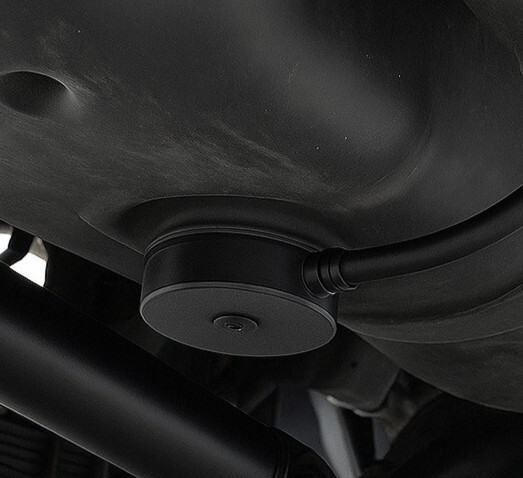
A sump pulls fuel from the very bottom of the tank, bypassing the sending unit for supply (though many still use the OEM return). The upside: nearly unlimited fuel volume and zero aeration or restriction issues. The downsides:
-
Requires drilling a large hole in the tank
-
Pickup sits at the lowest point, where contamination collects
-
Vulnerable to damage off-road—one rock can tear it off and dump the tank
Sumps had their heyday and still work extremely well, but many people now choose setups that offer the same benefits, without the risks.
High-Volume Pickups & Draw Straws
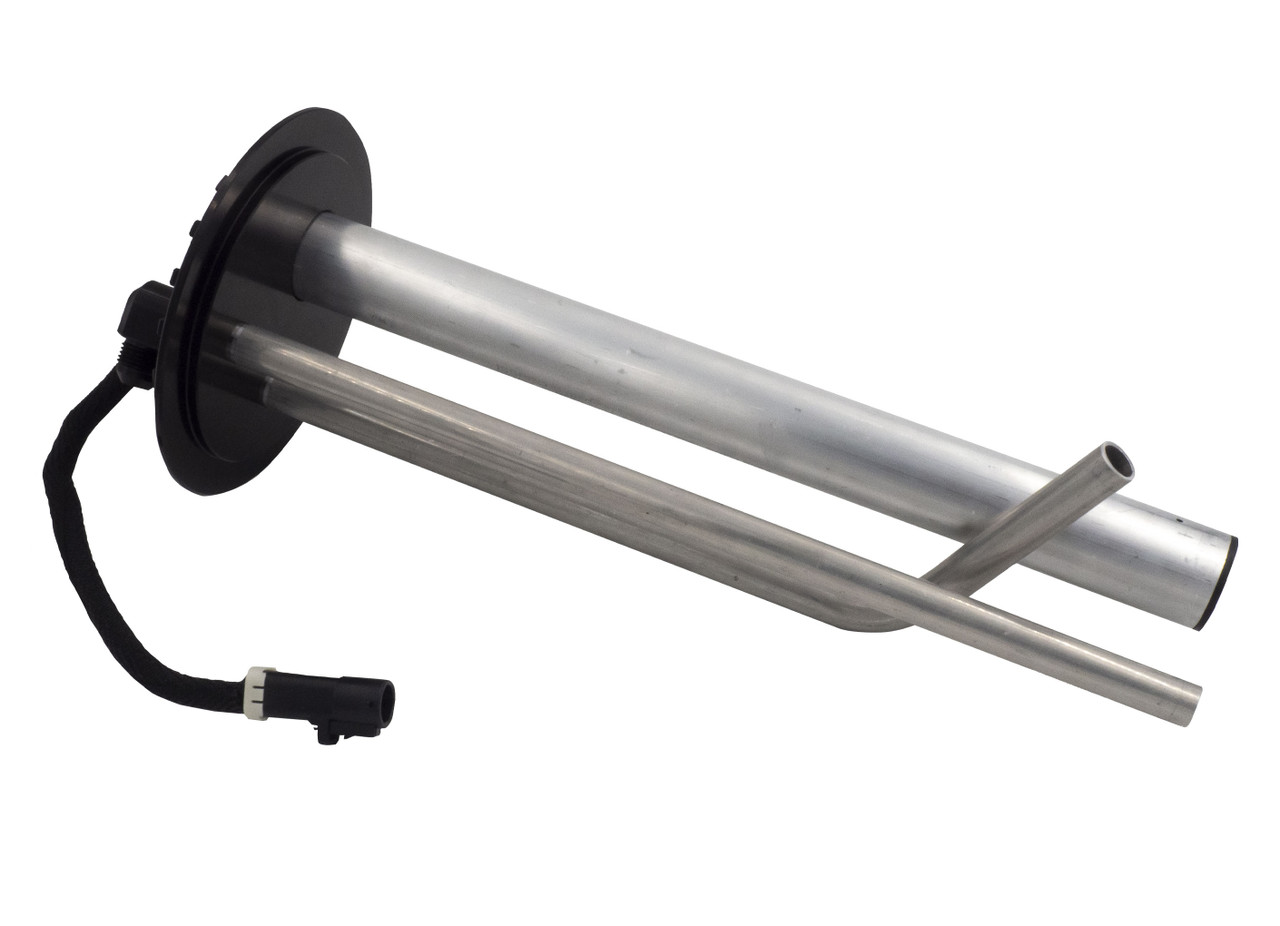
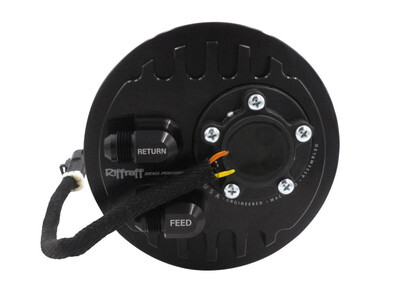
High-volume pickup assemblies (like the Riffraff unit found HERE) keep the OEM-style layout, installed where the factory sending unit is installed, but upgrade everything. They use larger supply/return lines, relocate the return to reduce aeration, improve pickup robustness, and often include a new fuel-level sender. Install is simple—no drilling—and they can support essentially any horsepower level you'd realistically need. Racers and purpose-built dyno rigs are really the only ones that would need more fuel than these can provide.
Draw Straw kits work similarly but modify the stock sending unit instead of replacing it by adding fittings and larger lines to the factory sending unit.
The only real drawback to either is potential fuel starvation at very low tank levels if the pickup is positioned too high, which is really only a concern for some (not all) Draw Straw setups. Most, if not all, high-volume pickups don't have this issue.
Because they offer sump-level performance without the compromises, high-volume pickups and well-designed draw straws have become the go-to choice for most builds today.