

Common 4x4 Problems on 1994–2010 Ford F-250/350 Trucks: Symptoms, Causes, and Fixes
Apr 21st 2026
If you are chasing 1994–2010 Ford F-250 4x4 problems, the good news is most of them follow a pattern. On the 1994–1997 OBS trucks, the biggest issue is usually the automatic locking hubs. On the 1999–2010 Super Duty trucks, the usual trouble spots are the hub vacuum/seal system and the transfer case shift motor. Let's look at the most common issues, their symptoms, causes and fixes.
1. Automatic locking hub failure on 1994–1997 F-250 4x4 trucks
Symptoms
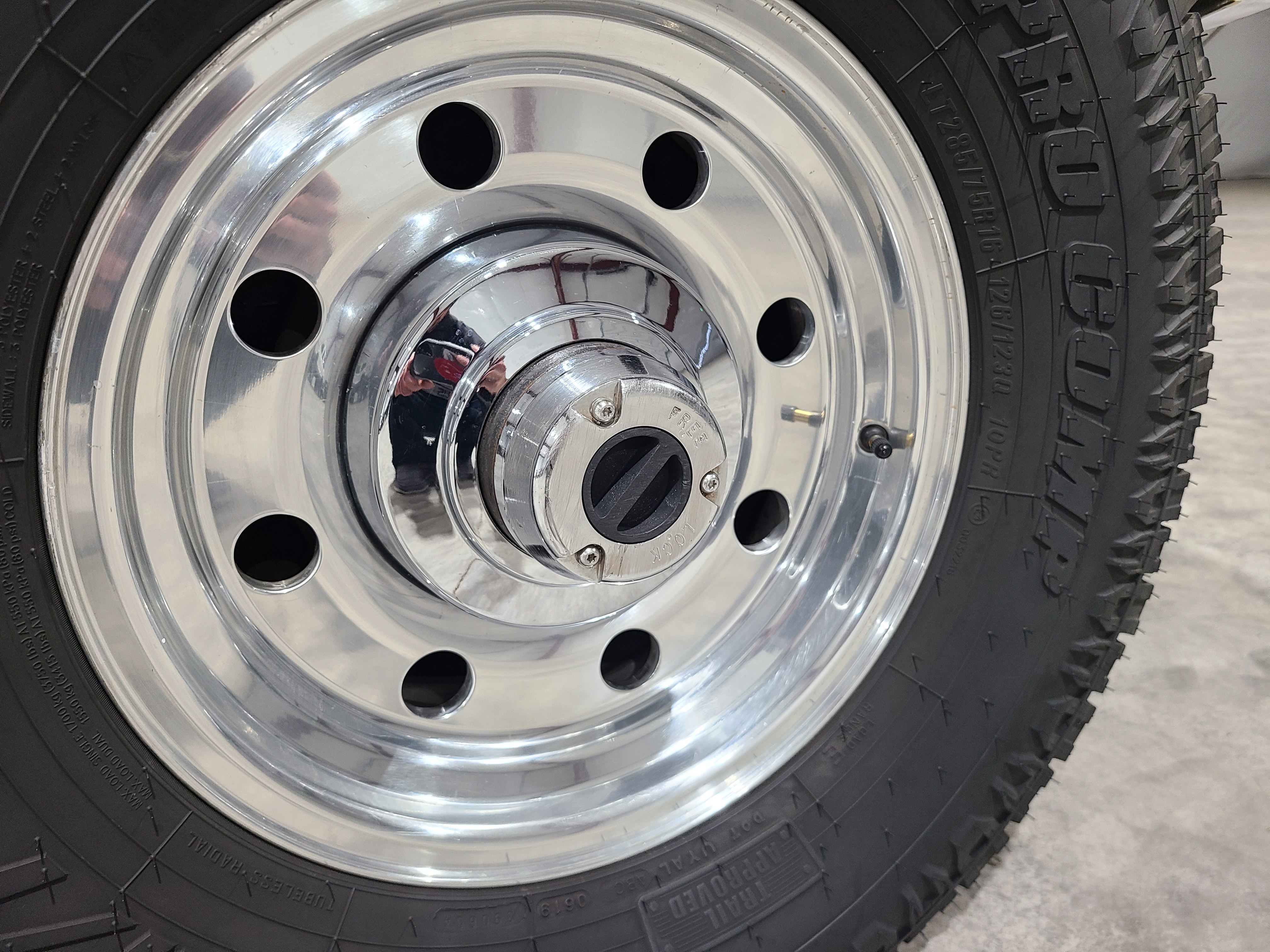
Your truck goes into 4H, you can hear the transfer case engage, but the front tires still do not engage. Sometimes engagement is delayed, sometimes it grinds or clicks, and sometimes it disengages oddly after changing direction.
Causes
The problem is usually worn or sticky automatic hub internals, old grease, broken hub parts, or a hub that no longer locks consistently under load. From the factory early on, manual locking hubs were available in place of the standard automatic hubs, which says a lot about how common this issue was/is. Even when they worked, they weren't exactly the strongest of hubs.
Fix
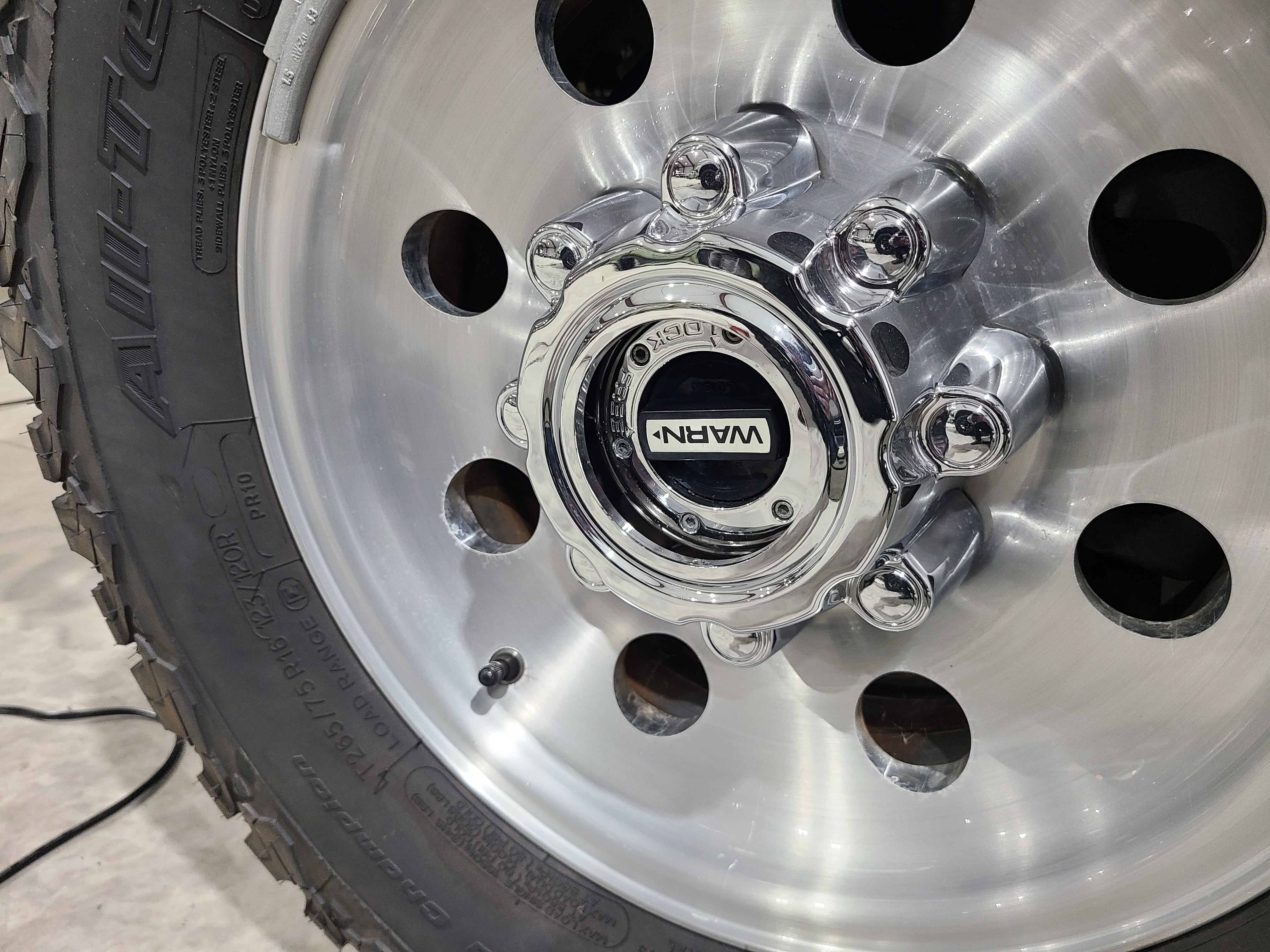
Inspect and service the hubs first. If the truck still has automatic hubs and the issue keeps returning, the long-term fix is usually a manual hub conversion. It is simple, proven, and usually more dependable than trying to keep tired auto hubs alive forever. Not just our favorite manual hub replacement but essentially everyones, is this set from Warn: https://www.riffraffdiesel.com/warn-premium-hub-set/
2. Vacuum hub and hub-seal problems on 1999–2010 Super Duty trucks
Symptoms
This is one of the most common Ford Super Duty 4x4 problems. The dash says 4x4, but the front axle does not pull. Or the 4x4 works when you turn the hubs to LOCK, but not in AUTO.
Causes
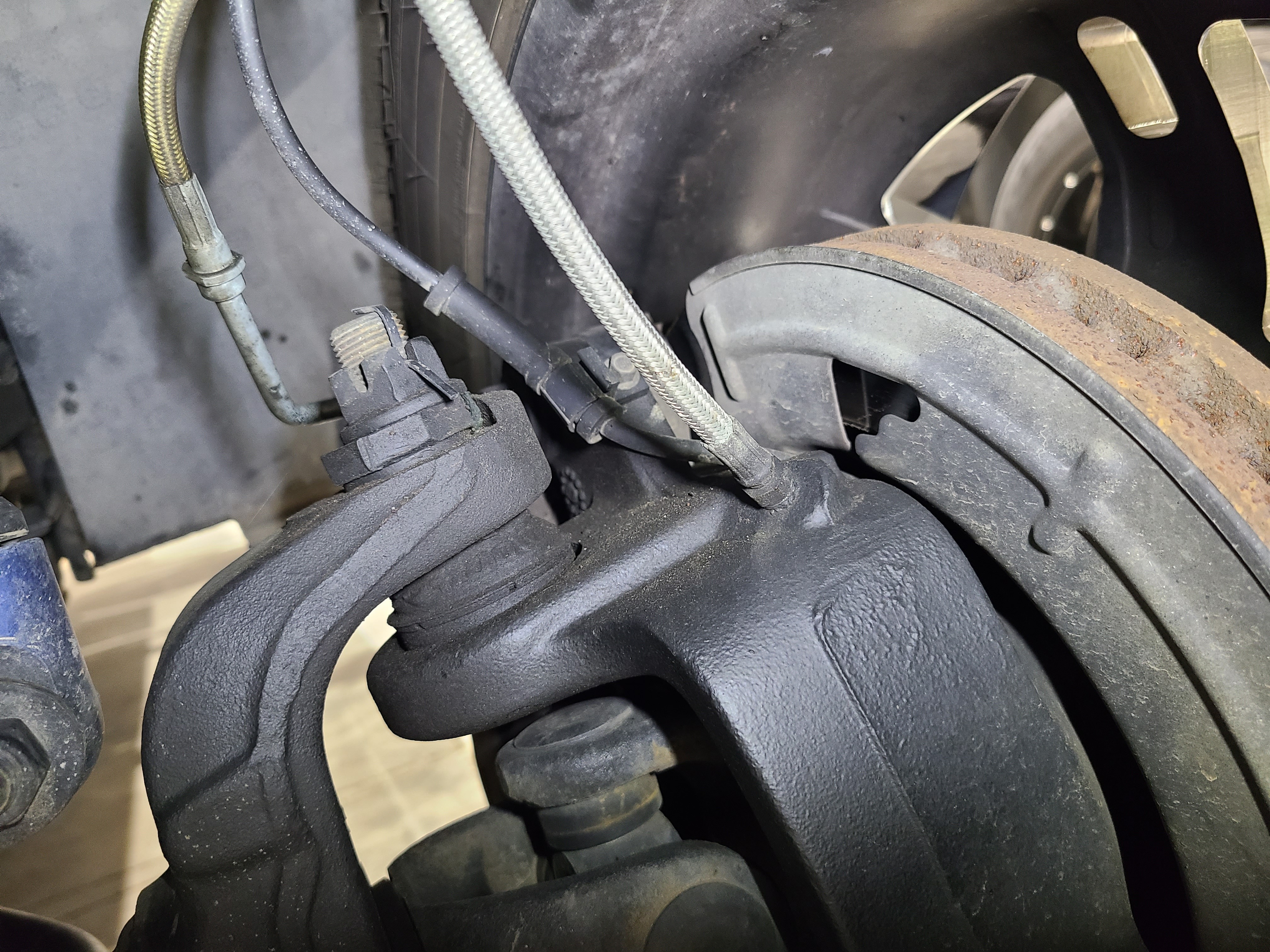
The usual causes are vacuum leaks, cracked vacuum lines, leaking hub seals, failed O-rings, moisture intrusion, or damaged hub lock components. Most 4x4 engagement issues on these trucks are caused by the hublocks themselves, and aftermarket repair coverage specifically exists for moisture-related hub seal failures.
Fix
If the truck works with the hubs manually locked, start at the hub side. Check vacuum supply, lines, seals, and hub condition before blaming the transfer case. A leaking hub seal or vacuum line can leave the hub only partially engaged, which turns a small problem into a chewed-up hub.
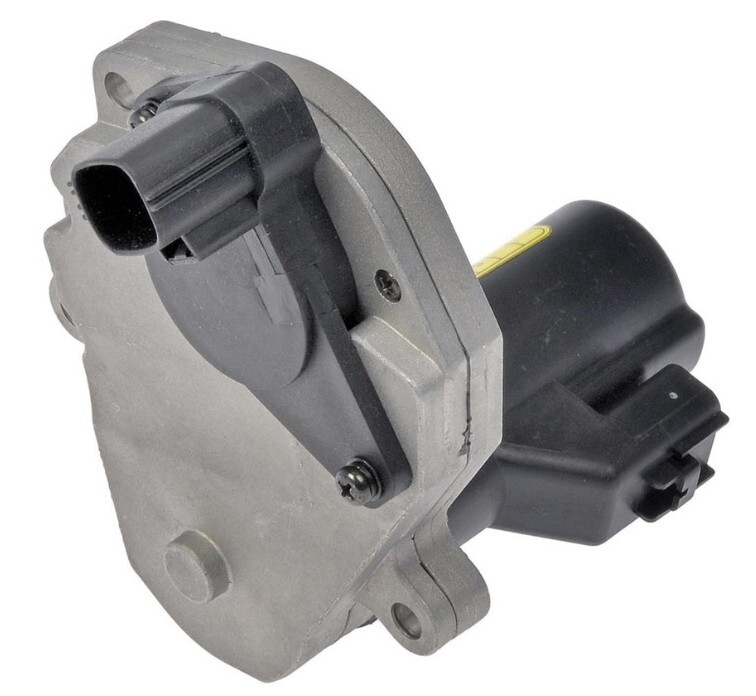
3. Transfer case shift motor and control problems
Symptoms
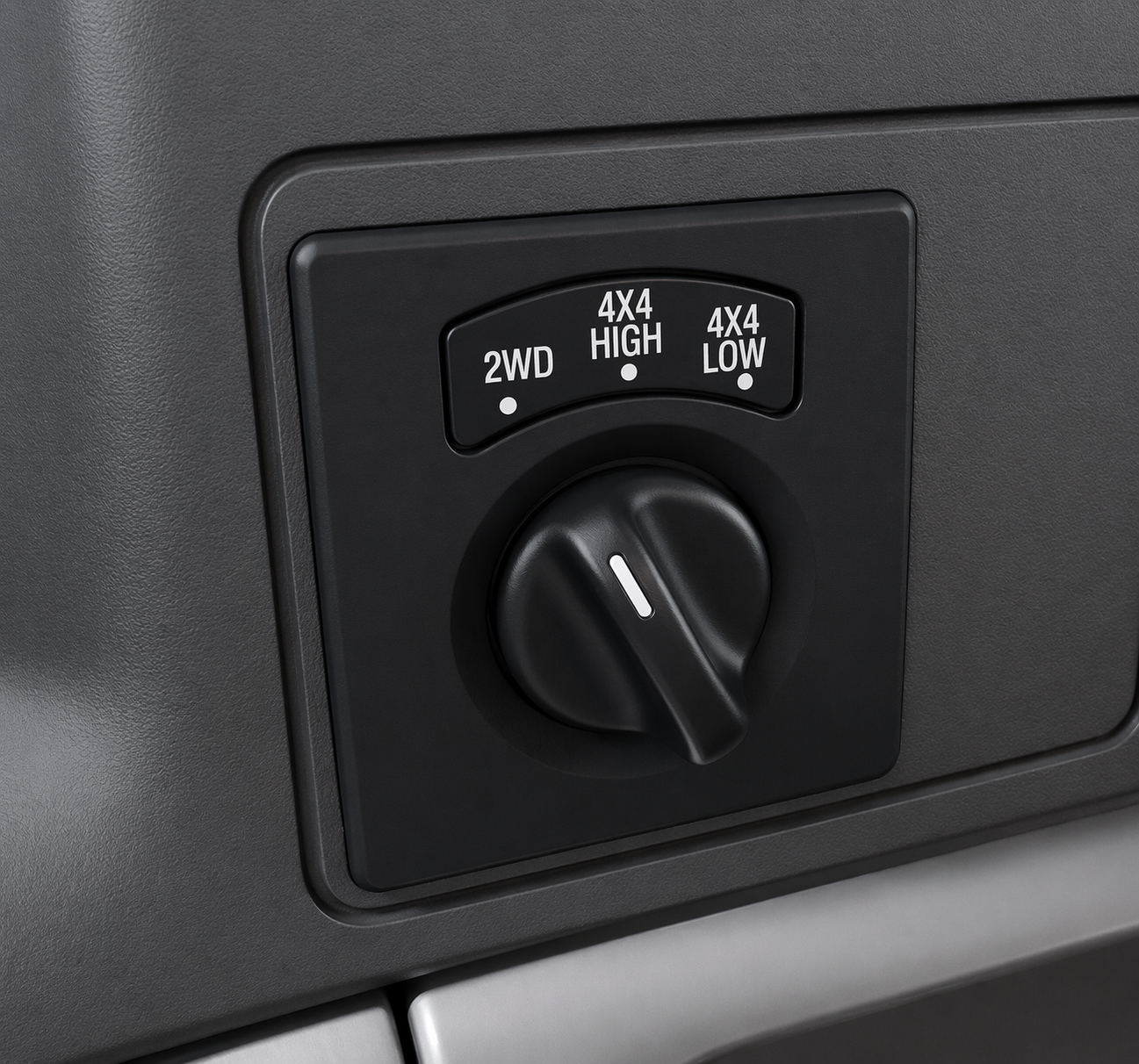
You turn the switch, but nothing happens. The truck stays in 2WD, gets stuck in 4WD, or refuses to shift into 4-Low. This is another classic F-250 4x4 not engaging complaint.
Causes
The shift motor is the most common cause of the transfer case not shifting in this case. Also, the relay modules behind the dash can fail.
Fix
If the hubs are locked and the front end still is not pulling, move to the transfer case. Verify power, ground, switch input, and motor operation before replacing parts. This is one of those areas where diagnosing first saves a pile of money.
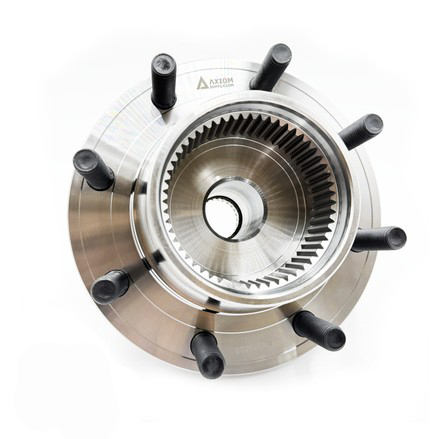
4. Front axle U-joints and wheel-end wear
Symptoms
Popping in turns, clunking in 4x4, binding, humming, looseness, or speed-related vibration. These are often mistaken for transfer case or hub problems.
Causes
Age, mileage, water intrusion, lack of lubrication, and heavy use all take their toll on front axle U-joints and wheel hubs. When they start getting tight or loose, the truck will absolutely let you know.
Fix
Check for play, roughness, or binding with the front end off the ground. Replace worn U-joints, ball joints and noisy or loose wheel-end components (commonly hubs) before they damage more expensive parts.
5. “Death wobble” and front-end shake
Technically not 4x4 system related, but these issues often get looped in with 4x4 problems
Symptoms
Violent front-end shake after hitting a bump, steering wheel oscillation, or a truck that suddenly feels unstable at speed. Owners often call this a 4x4 issue, but it is usually a front suspension and steering problem. NHTSA opened an engineering analysis into 2005–2007 F-Super Duty 4x4 trucks for severe steering and suspension oscillation after road impacts.
Causes
In the real world, this issue is caused by multiple loose parts: track bar wear, ball joints, tie rods, shocks, tire wear and alignment. Tire pressure can also contribute, but is usually not the main culprit.
Fix
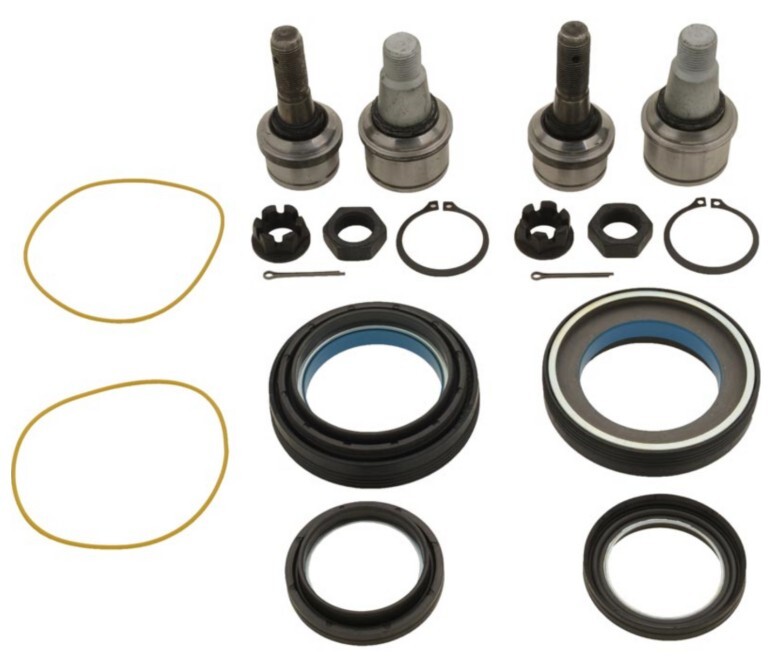
Before replacing any 4x4 parts, check tire pressure, then inspect the track bar, ball joints, tie rods, shocks, and alignment. A worn-out Super Duty front end can feel like a 4x4 problem when it is really a suspension problem. A full balljoint repair kit can be found on our site.
Bottom line
For 1994–1997 F-250 4x4 trucks, start with the automatic hubs. For 1999–2010 Super Duty 4x4 trucks, start with the hub vacuum and seal system, then move to the transfer case shift motor, then inspect front axle U-joints and steering/front-end wear parts. That is the shortest path to fixing the most common Ford F-250 4x4 issues without throwing parts darts at the truck.